- 1
- BLACKL
- TABLETAPPLE iPad Mini 8NEW iPad A16(2025) iPad 10.9" 10th (2022) iPad 10.2" (7th/8th/9th) iPad Air 13" (M2/M3/M4)(2024/2025/2026)NEW iPad Air 11" (M2/M3/M4)(2024/2025/2026)NEW iPad Mini 8.3" (A7 Pro/6th Gen) iPad Pro13"(M4/M5)(2024/2025) iPad Pro11"(M4/M5)(2026) iPad 9.7" (5th/6th Gen) iPad Pro 12.9"(2018-2022) iPad Pro 11"(2018-2022) iPad 9.7"(2th/3th/4th) iPad Air 10.9"(4th/5th Gen) iPad Mini 7.9"(4th/5th Gen)SAMSUNG Galaxy Tab A11 Galaxy Tab A11 Plus Galaxy Tab S11 Galaxy Tab S12 PlusNEW Galaxy Tab S12 UltraNEW Galaxy Tab A9+ Galaxy Tab A9 Galaxy Tab A8 Galaxy Tab A7 Galaxy Tab A7 Lite Galaxy Tab S11 Ultra/S10 Ultra/S9 Ultra/S8 Ultra Galaxy Tab S10+/S9+/S9 FE+ Galaxy Tab S10Lite/S10 FE/S9 FE/S9 Galaxy Tab S8+/S7+/S7 FE Galaxy Tab S8/S7 Galaxy Tab S6 lite Galaxy Tab A10.1 Galaxy Tab A8.4 Galaxy Tab A8.0 Galaxy Tab S10 FE+LENOVO iDea tab 11/Tab K11 Gen 2 /Xiaoxin Pad 11 2025 Lenovo Tab K9 (Tab One) 2025 Lenovo Tab M10 10.1"(2025) Lenovo Tab M10 Plus 10.6" (3rd Gen) Lenovo Tab M10 HD 10.1" (3rd Gen) Lenovo K10/M10 Plus 10.3" (2nd Gen) Lenovo Tab M10 HD 10.1" (2nd Gen)XIAOMI Redmi Pad 2 9.7 InchNEW Xiaomi Pad8/8Pro 11.2" Redmi Pad2/Pad2.4G Xiaomi Pad 6/6 Pro 11" Redmi Pad 10.61" Redmi Pad Se 11" Redmi pad Se 4G 8.7" Xiaomi Pad7/7 Pro 11.2" Redmi Pad Pro/Xiaomi Poco Pad/Redmi Pad2 Pro 12.1HUAWEI Huawei Matepad Se 10.4" Huawei Matepad 11" Huawei Matepad 11.5" Huawei Matepad SE 11" Huawei Matepad T8 8" Huawei Matepad T10 9.7"
- CATEGORIES
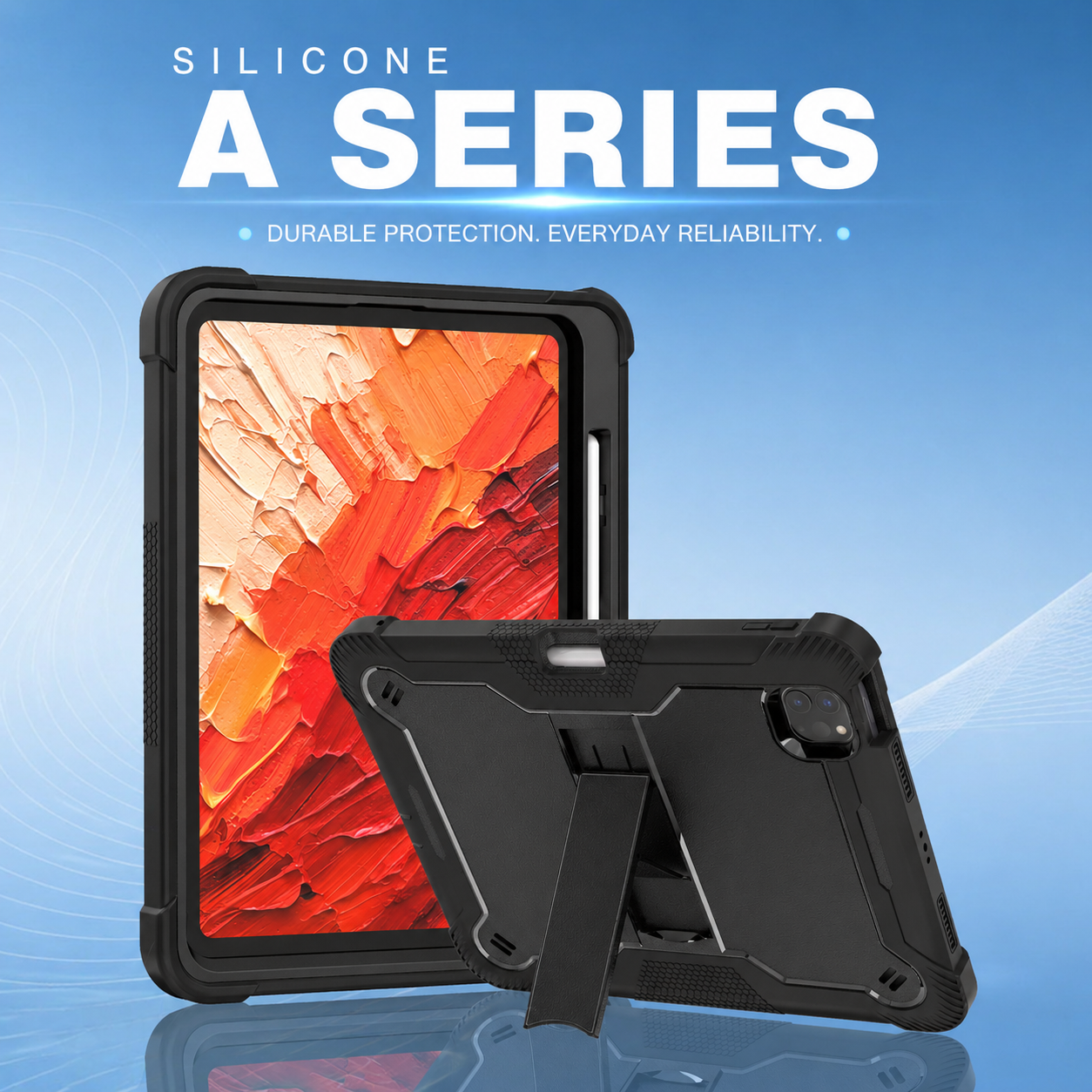
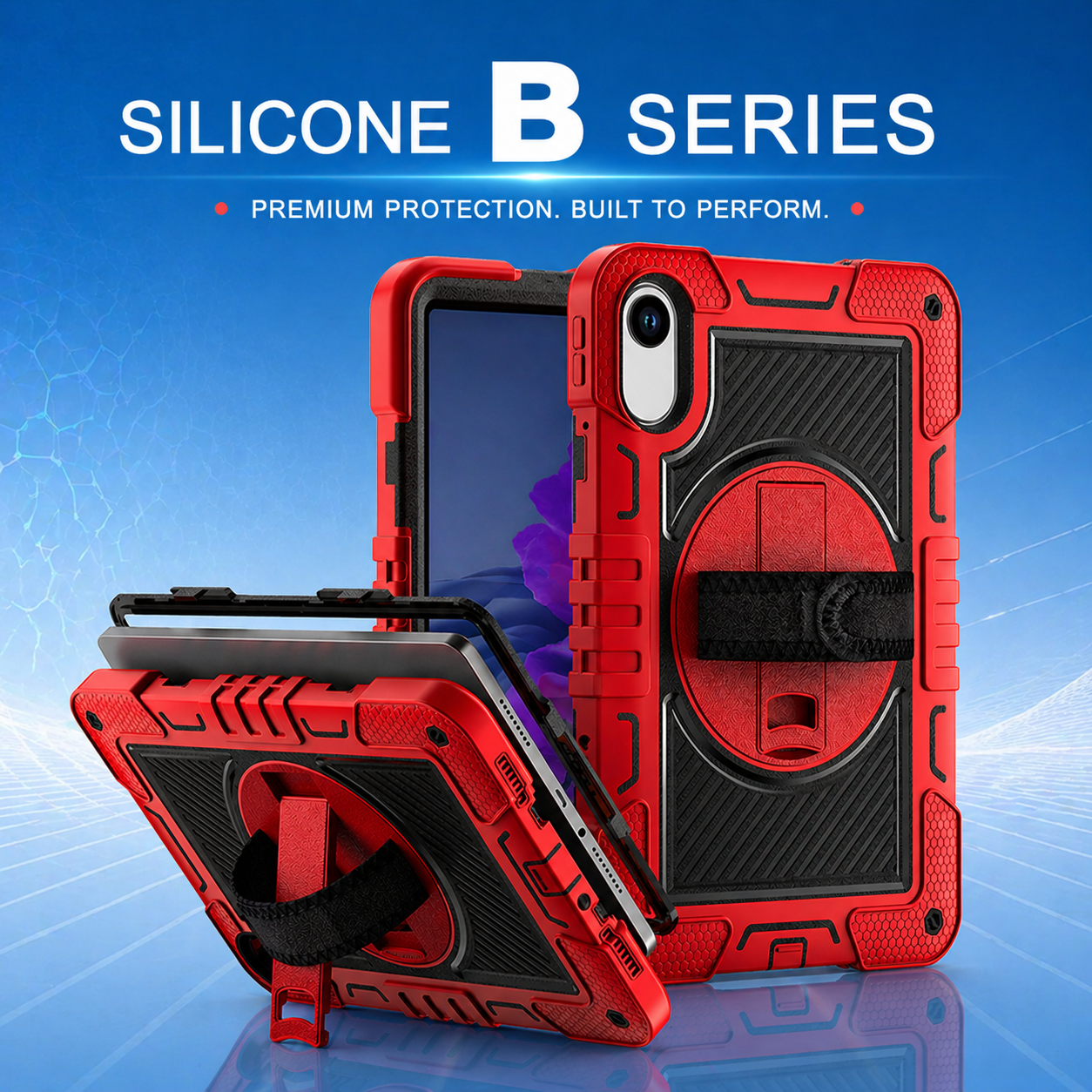
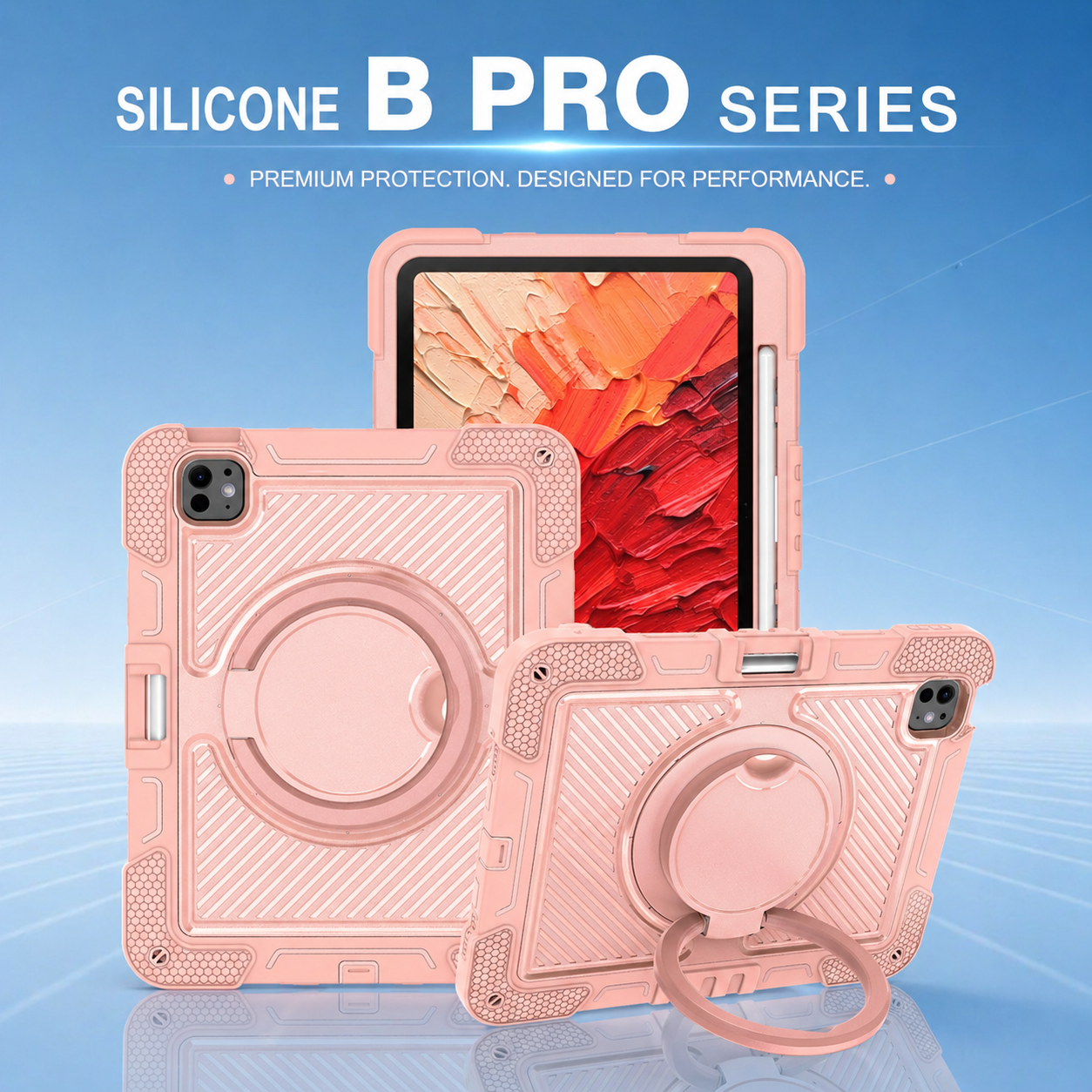
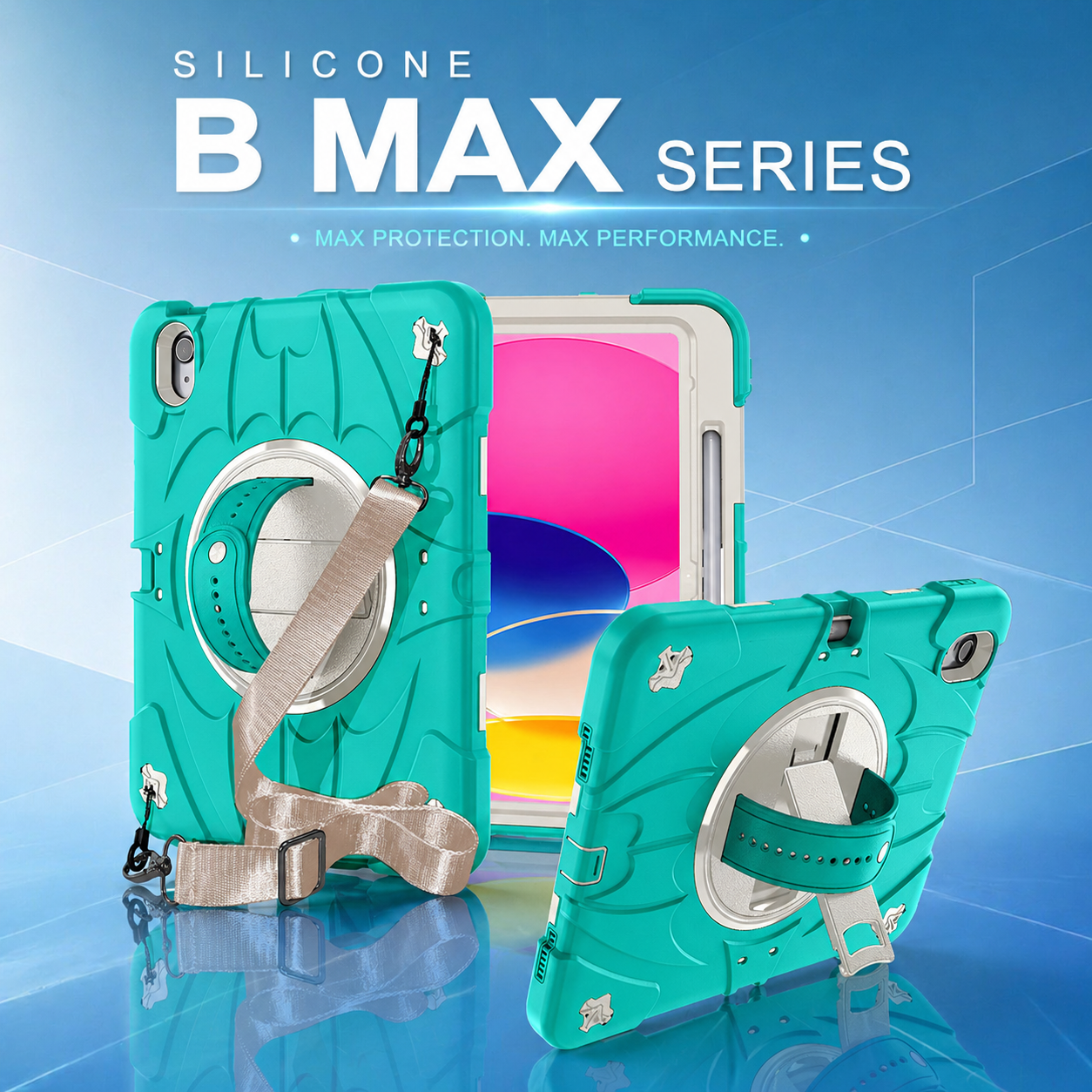

Why Enterprises Choose OEM Rugged Tablet Case Manufacturers
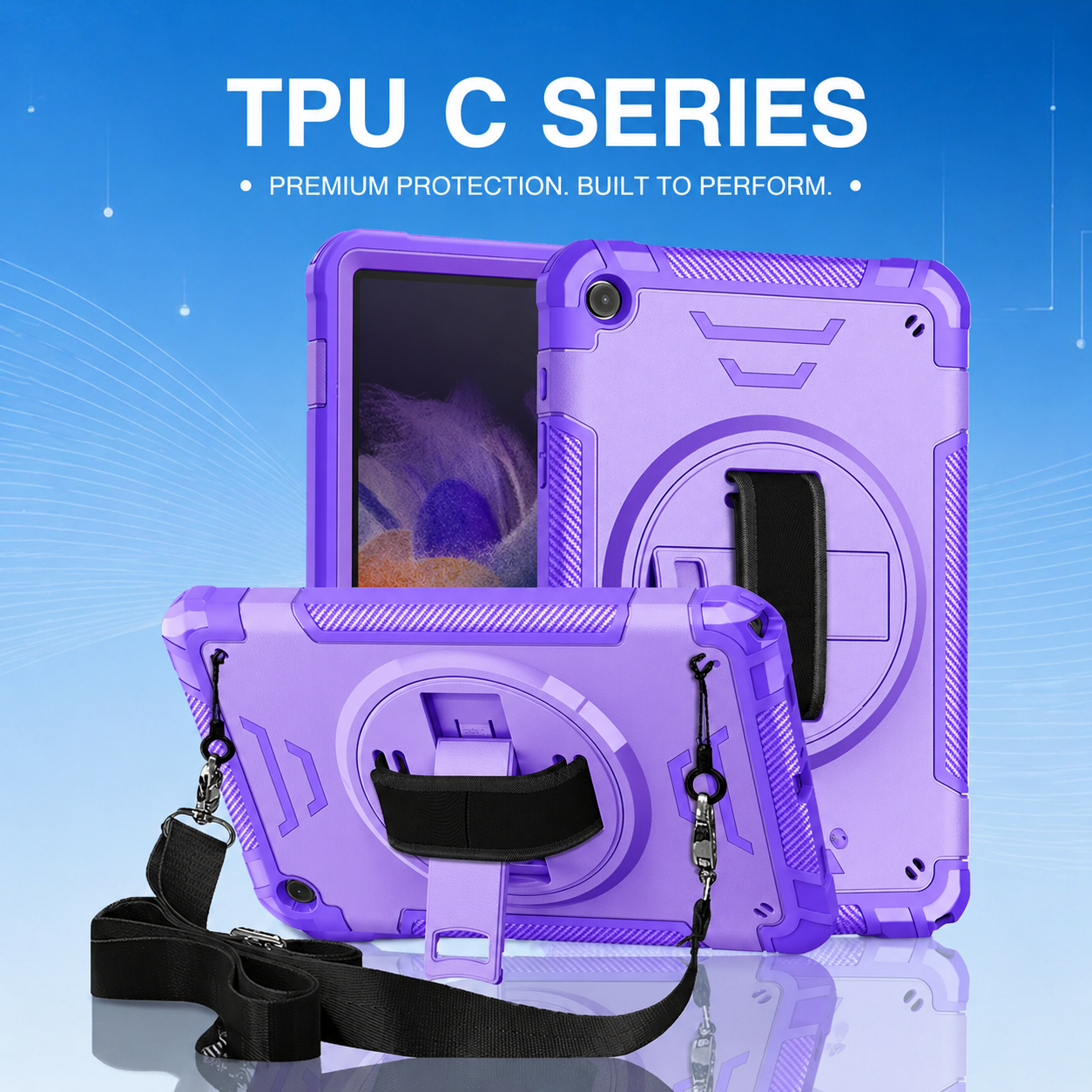
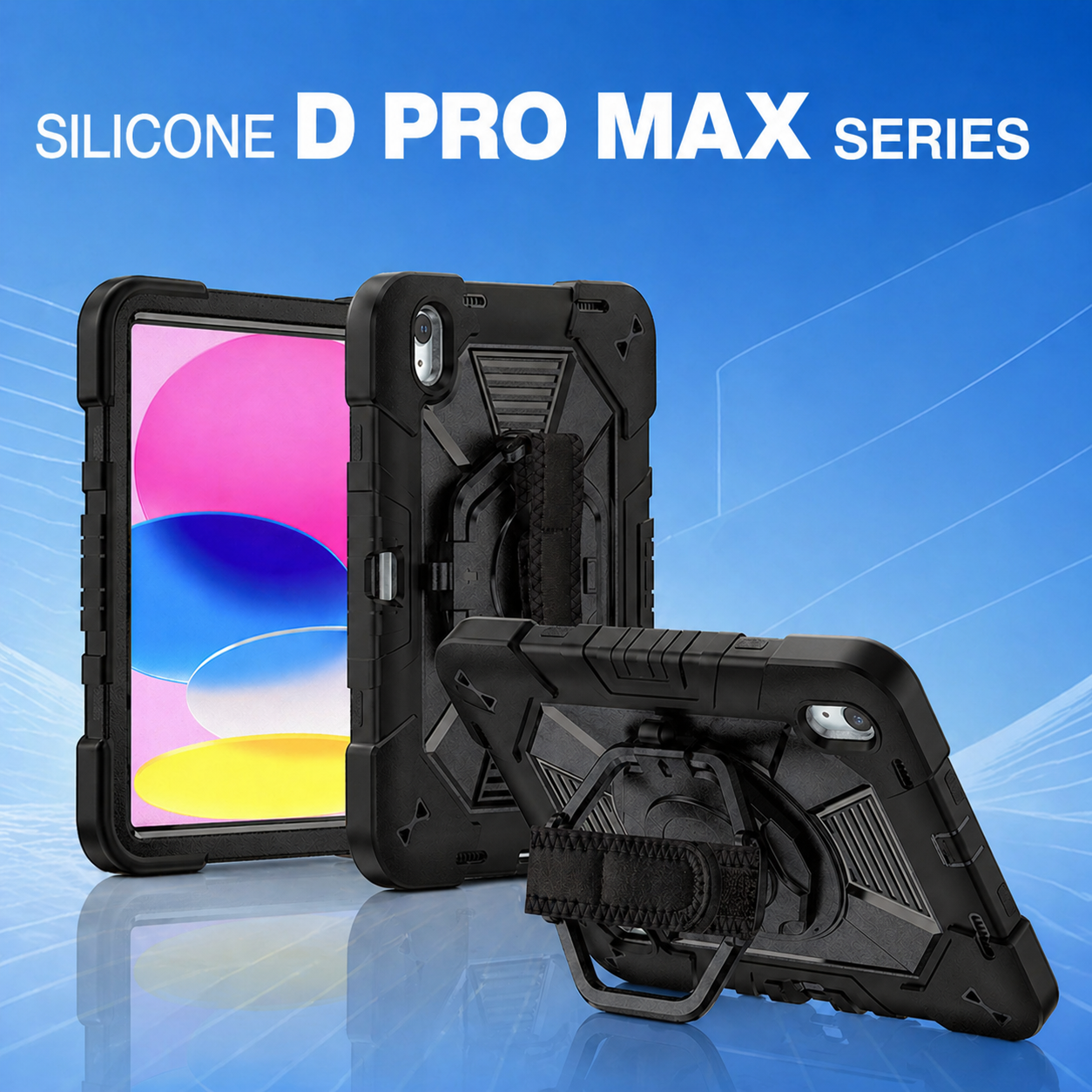
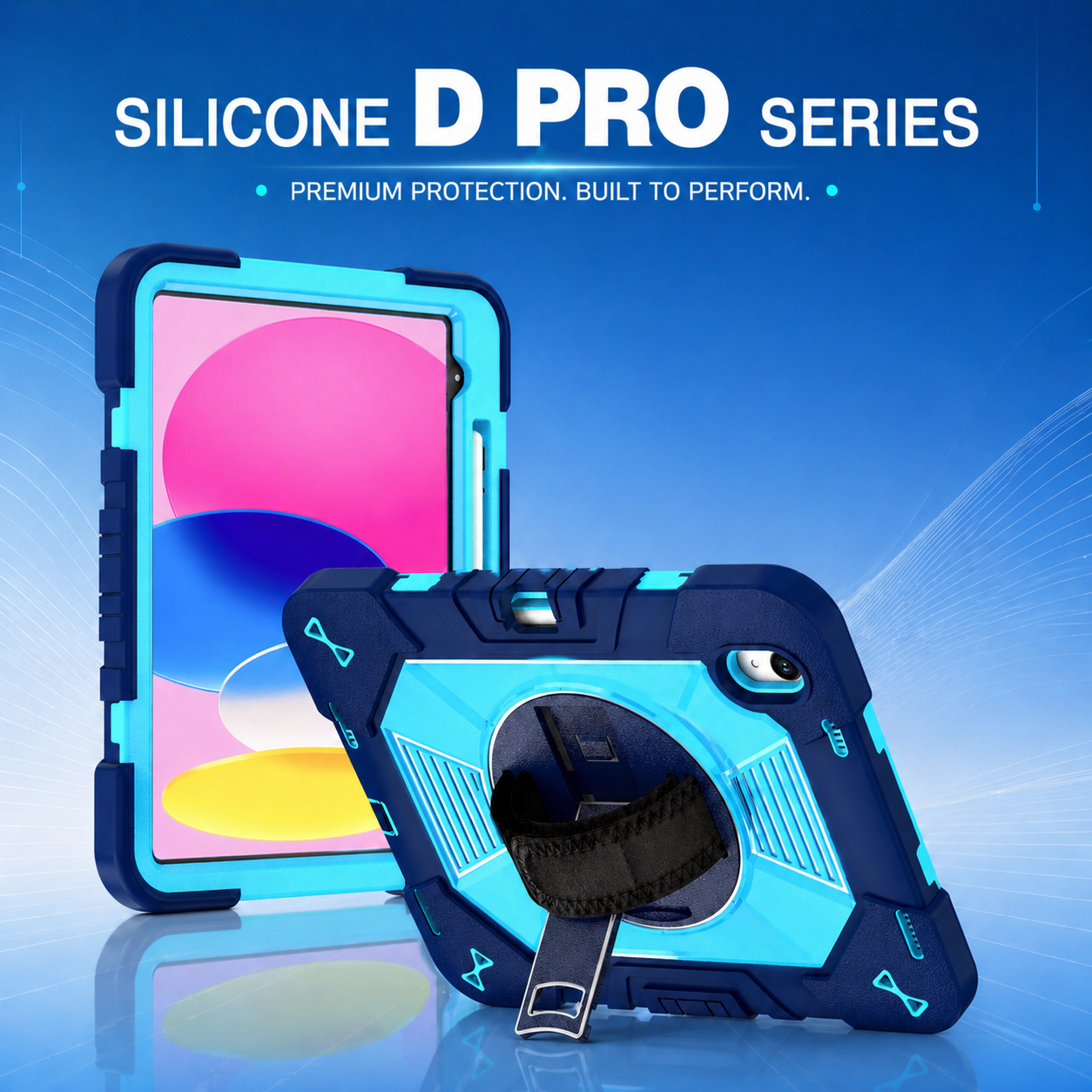
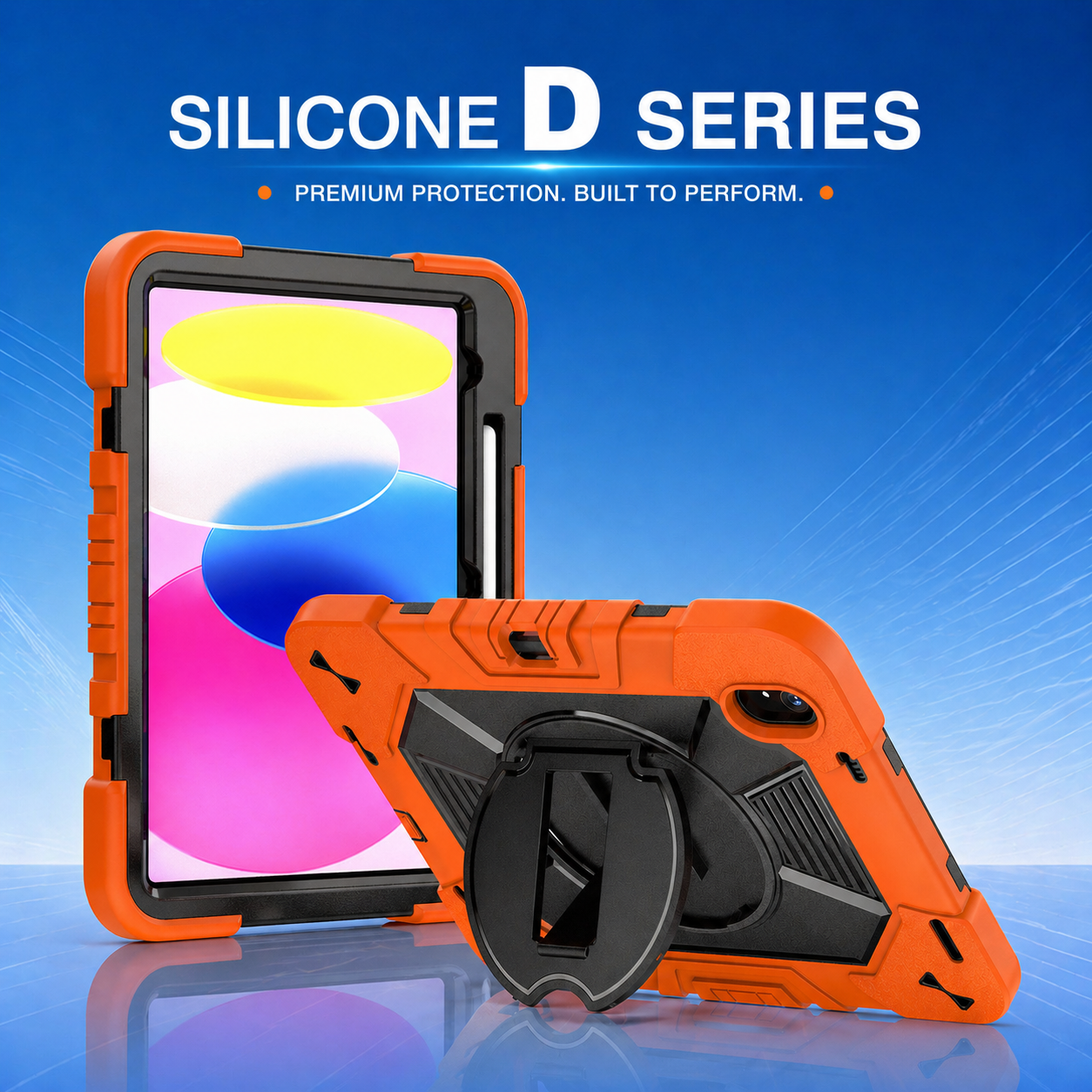
Tablets have become essential tools in warehouses, hospitals, classrooms, field service teams, retail operations, and construction sites. Yet a standard consumer case rarely meets the demands of a large deployment. Enterprises need consistent protection, secure handling, device compatibility, branding, documentation, and dependable delivery. That is why many organizations work directly with an OEM rugged tablet case manufacturer rather than purchasing generic accessories from multiple distributors.
1. Protection Designed Around Real Operating Risks
Impact, vibration, and daily handling
Enterprise devices are exposed to repeated drops, collisions with carts and shelving, vibration inside vehicles, and constant handoffs between employees. An experienced manufacturer can combine rigid shells, energy-absorbing materials, raised bezels, reinforced corners, and port protection to create a balanced structure. The goal is not simply to make the case look tough. The goal is to reduce failure points while keeping the tablet practical for daily work.
Environmental and cleaning requirements
Different industries introduce different risks. Healthcare teams may need surfaces that tolerate frequent cleaning. Logistics operators may need grip, dust resistance, and stable mounting. Education customers may prioritize rounded edges and lightweight construction. Through an OEM program, these conditions can be translated into material, finish, and structural choices before mass production begins.
2. Precise Compatibility with Devices and Workflows
Model-specific engineering
Enterprise fleets may use iPad, Samsung, Lenovo, Xiaomi, TCL, Honor, Huawei, or purpose-built Android tablets. Accurate openings for cameras, microphones, charging ports, speakers, scanners, and buttons are essential. A qualified #TabletCaseManufacturer can build from device drawings, physical samples, or 3D scans, then verify fit through prototypes and controlled testing.
Functional accessories
Protection alone is not enough. Workers may need a rotating hand strap, shoulder strap, kickstand, stylus holder, wall mount, vehicle dock, or barcode-scanning clearance. OEM development allows these features to be integrated into one coherent product instead of added as loose accessories that can fail, detach, or interfere with the user.
3. Brand Control and Product Differentiation
Private-label presentation
For distributors, solution providers, and enterprise technology brands, the case is part of the customer experience. Custom logos, color matching, molded details, packaging, labels, manuals, and carton markings can support a consistent market identity. A well-run #OEMTabletCase program also makes it easier to create product families across several tablet models without losing visual consistency.
Commercial differentiation
Generic cases are easy for competitors to copy and compare on price. A customized rugged case can include a unique stand angle, better grip, reinforced attachment points, or an exclusive accessory bundle. These differences strengthen the product offer and can improve customer retention because the solution is designed around a defined use case rather than a commodity specification.
4. Better Cost Control at Deployment Scale
Total cost of ownership
The cheapest case is not always the lowest-cost option. Device repair, downtime, replacement shipping, employee disruption, and support tickets can quickly exceed the original accessory cost. OEM manufacturers help buyers evaluate protection, tooling, material selection, and quality targets against the expected deployment environment. This supports a more realistic total-cost decision.
Production and supply planning
Enterprises often need staged deliveries, repeat orders, multi-model production, and stable packaging standards. A direct manufacturing relationship can provide clearer lead times, bill-of-material control, batch traceability, and capacity planning. This is especially important for national rollouts, seasonal education programs, or hardware refresh cycles with fixed launch dates.
5. Structured Quality Assurance and Long-Term Support
Testing and inspection
Professional suppliers can define incoming material checks, in-process controls, fit inspections, drop tests, stand-cycle tests, strap-pull tests, and final sampling standards. Buyers should request clear acceptance criteria rather than relying on vague claims such as “military grade.” The best results come from matching tests to the actual workplace risks and documenting any agreed tolerances.
Engineering continuity
Enterprise deployments evolve. A new tablet generation may change the camera layout, button position, or charging method. Working with a reliable #ManufacturingPartner gives the buyer access to engineering history, tooling knowledge, color records, packaging files, and quality benchmarks. This continuity shortens future development and reduces the risk of inconsistent replacements.
Choosing the Right OEM Rugged Tablet Case Manufacturer
Buyers should evaluate more than unit price. Review the supplier’s engineering process, prototype speed, material knowledge, quality controls, tooling ownership terms, production capacity, communication, and experience with international delivery. Ask how design changes are approved, how defects are handled, and how repeat orders are controlled. A capable manufacturer should be able to explain tradeoffs clearly and recommend practical solutions instead of automatically accepting every request.
For organizations planning a new deployment, the next step is to compare the materials and structural systems available for enterprise protection. Learn how a PC silicone tablet case architecture balances rigidity, impact absorption, grip, and usability.





.png)
+86 13422271740
.png)
info@tongmeitech.com
.png)
No. 34, Mashe Section, Guihe Road, Lishui Town, Foshan, Guangdong, China