- 1
- BLACKL
- TABLETAPPLE iPad Mini 8NEW iPad A16(2025) iPad 10.9" 10th (2022) iPad 10.2" (7th/8th/9th) iPad Air 13" (M2/M3/M4)(2024/2025/2026)NEW iPad Air 11" (M2/M3/M4)(2024/2025/2026)NEW iPad Mini 8.3" (A7 Pro/6th Gen) iPad Pro13"(M4/M5)(2024/2025) iPad Pro11"(M4/M5)(2026) iPad 9.7" (5th/6th Gen) iPad Pro 12.9"(2018-2022) iPad Pro 11"(2018-2022) iPad 9.7"(2th/3th/4th) iPad Air 10.9"(4th/5th Gen) iPad Mini 7.9"(4th/5th Gen)SAMSUNG Galaxy Tab A11 Galaxy Tab A11 Plus Galaxy Tab S11 Galaxy Tab S12 PlusNEW Galaxy Tab S12 UltraNEW Galaxy Tab A9+ Galaxy Tab A9 Galaxy Tab A8 Galaxy Tab A7 Galaxy Tab A7 Lite Galaxy Tab S11 Ultra/S10 Ultra/S9 Ultra/S8 Ultra Galaxy Tab S10+/S9+/S9 FE+ Galaxy Tab S10Lite/S10 FE/S9 FE/S9 Galaxy Tab S8+/S7+/S7 FE Galaxy Tab S8/S7 Galaxy Tab S6 lite Galaxy Tab A10.1 Galaxy Tab A8.4 Galaxy Tab A8.0 Galaxy Tab S10 FE+LENOVO iDea tab 11/Tab K11 Gen 2 /Xiaoxin Pad 11 2025 Lenovo Tab K9 (Tab One) 2025 Lenovo Tab M10 10.1"(2025) Lenovo Tab M10 Plus 10.6" (3rd Gen) Lenovo Tab M10 HD 10.1" (3rd Gen) Lenovo K10/M10 Plus 10.3" (2nd Gen) Lenovo Tab M10 HD 10.1" (2nd Gen)XIAOMI Redmi Pad 2 9.7 InchNEW Xiaomi Pad8/8Pro 11.2" Redmi Pad2/Pad2.4G Xiaomi Pad 6/6 Pro 11" Redmi Pad 10.61" Redmi Pad Se 11" Redmi pad Se 4G 8.7" Xiaomi Pad7/7 Pro 11.2" Redmi Pad Pro/Xiaomi Poco Pad/Redmi Pad2 Pro 12.1HUAWEI Huawei Matepad Se 10.4" Huawei Matepad 11" Huawei Matepad 11.5" Huawei Matepad SE 11" Huawei Matepad T8 8" Huawei Matepad T10 9.7"
- CATEGORIES
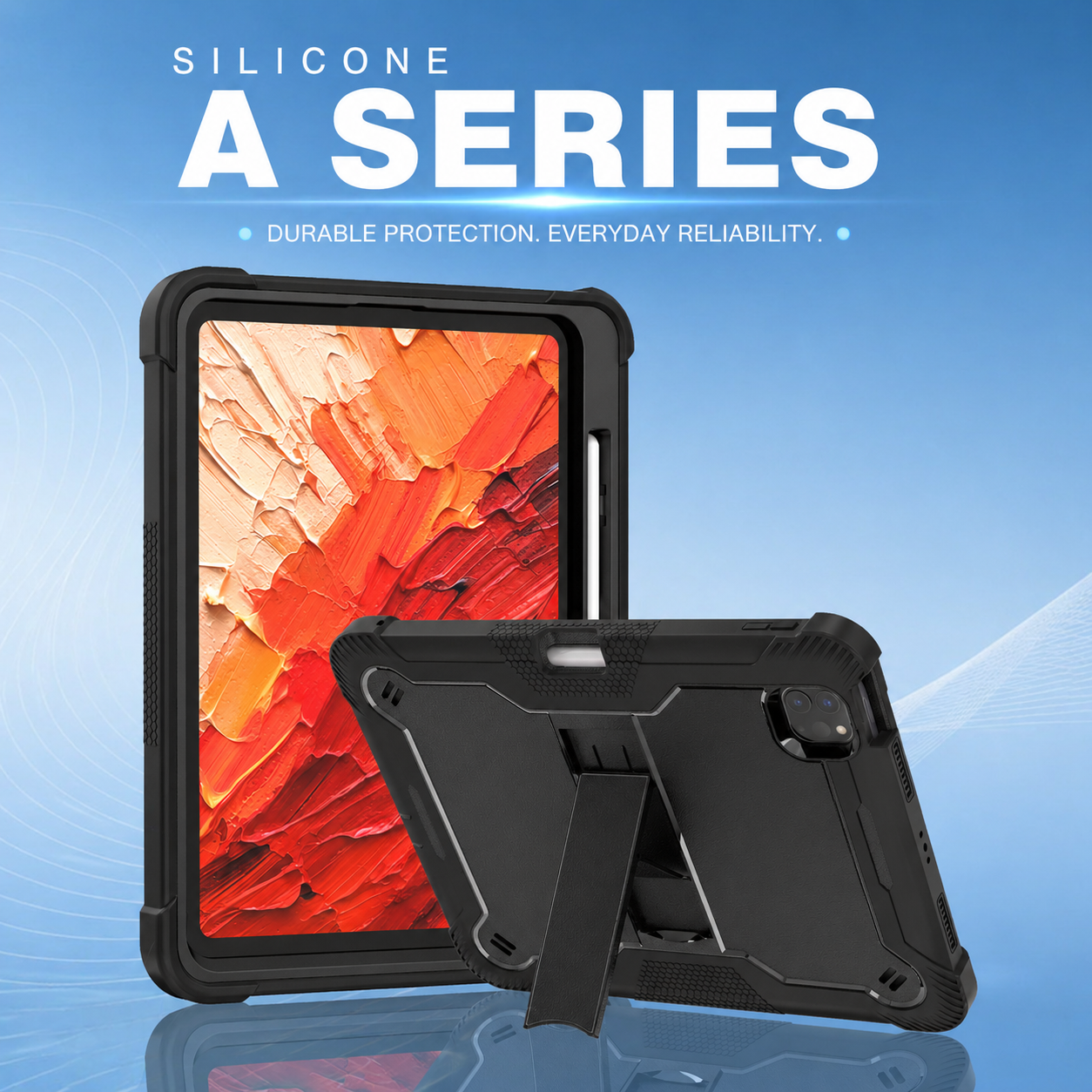
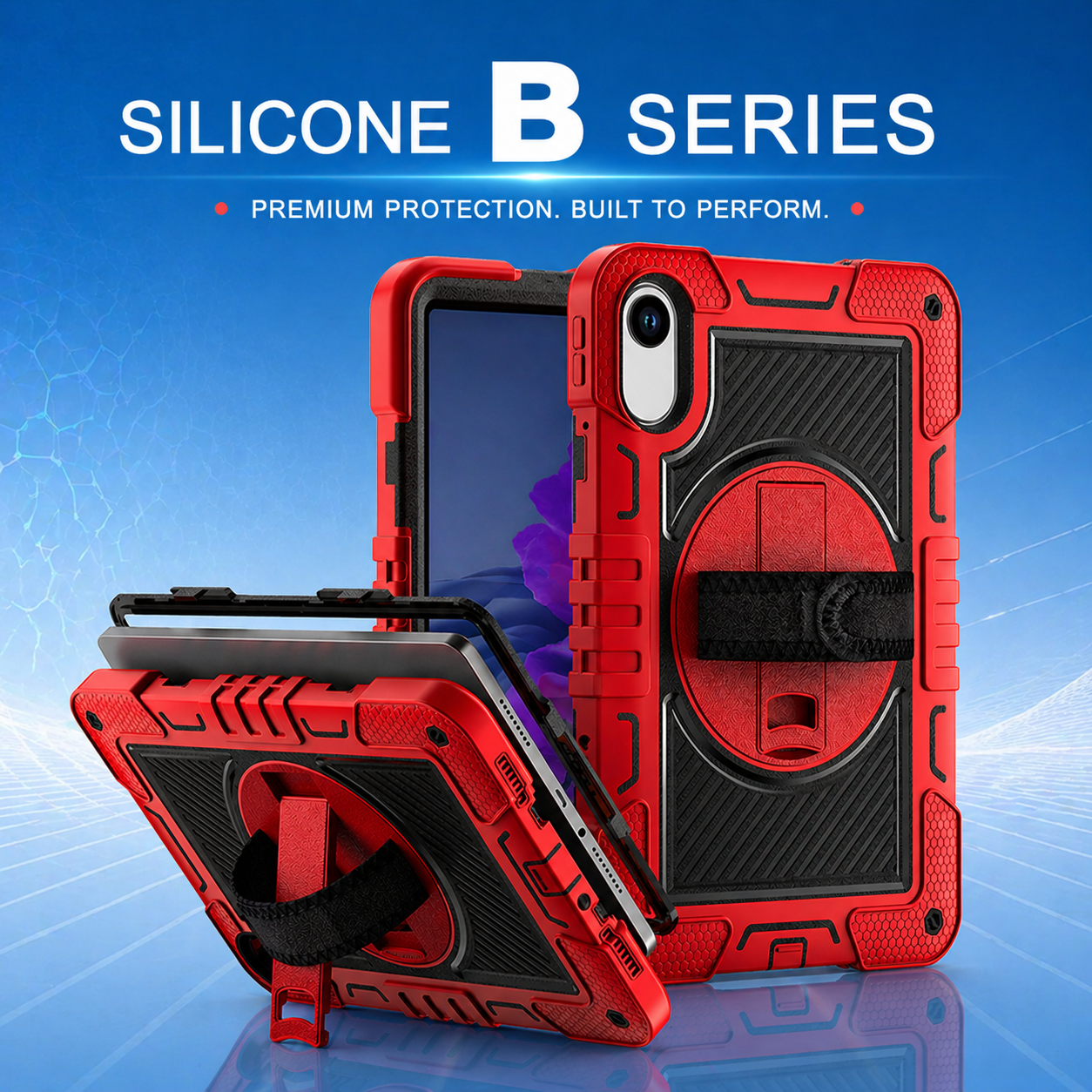
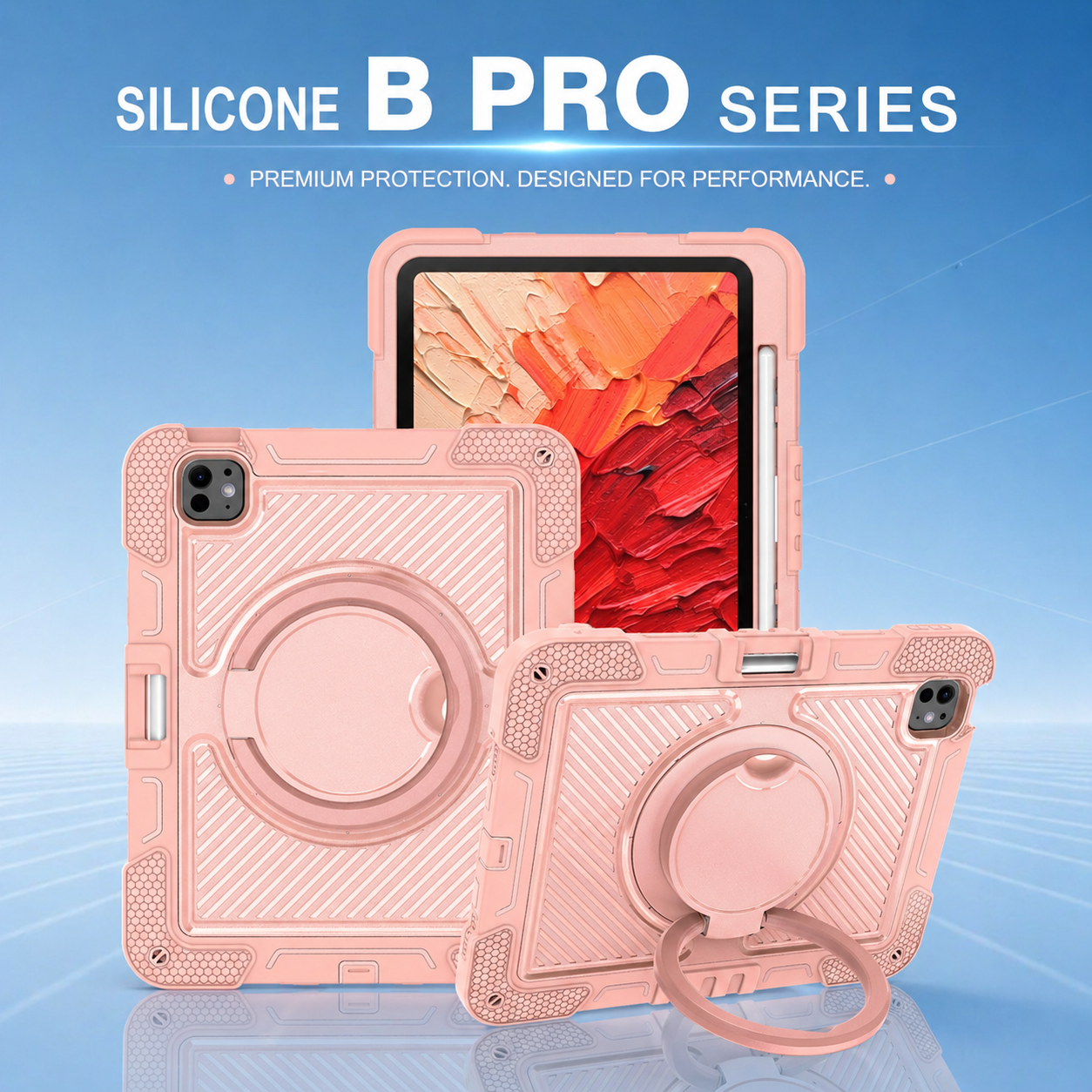
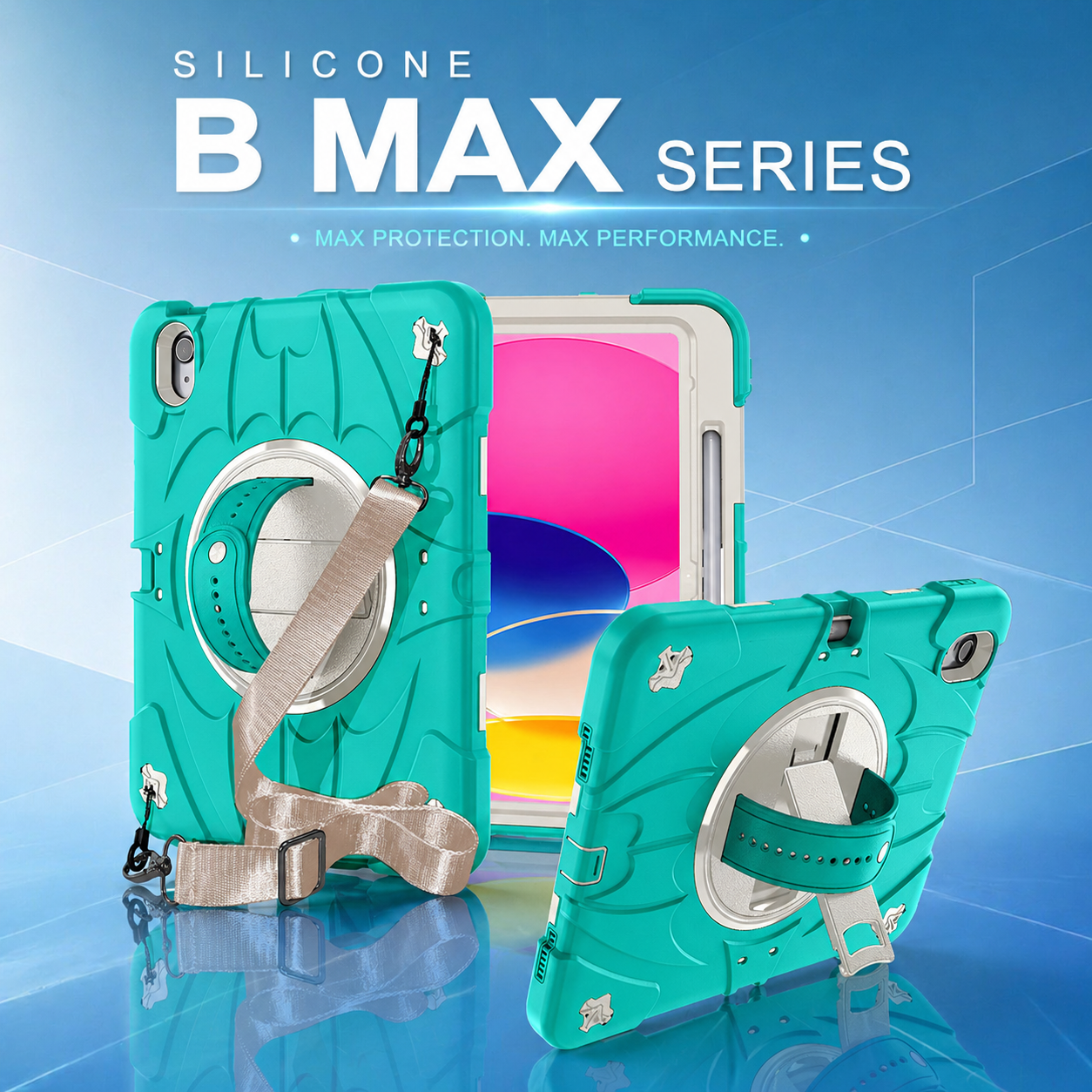

How Material Architecture Shapes Enterprise Rugged Tablet Cases
Material selection is one of the most important decisions in rugged tablet case development. A case must absorb impact, preserve device access, support accessories, remain comfortable during long shifts, and survive repeated cleaning and handling. No single material delivers every benefit. Enterprise-grade products therefore use a planned architecture in which each layer has a specific role.
1. Understanding the Role of Flexible Materials
Impact absorption and grip
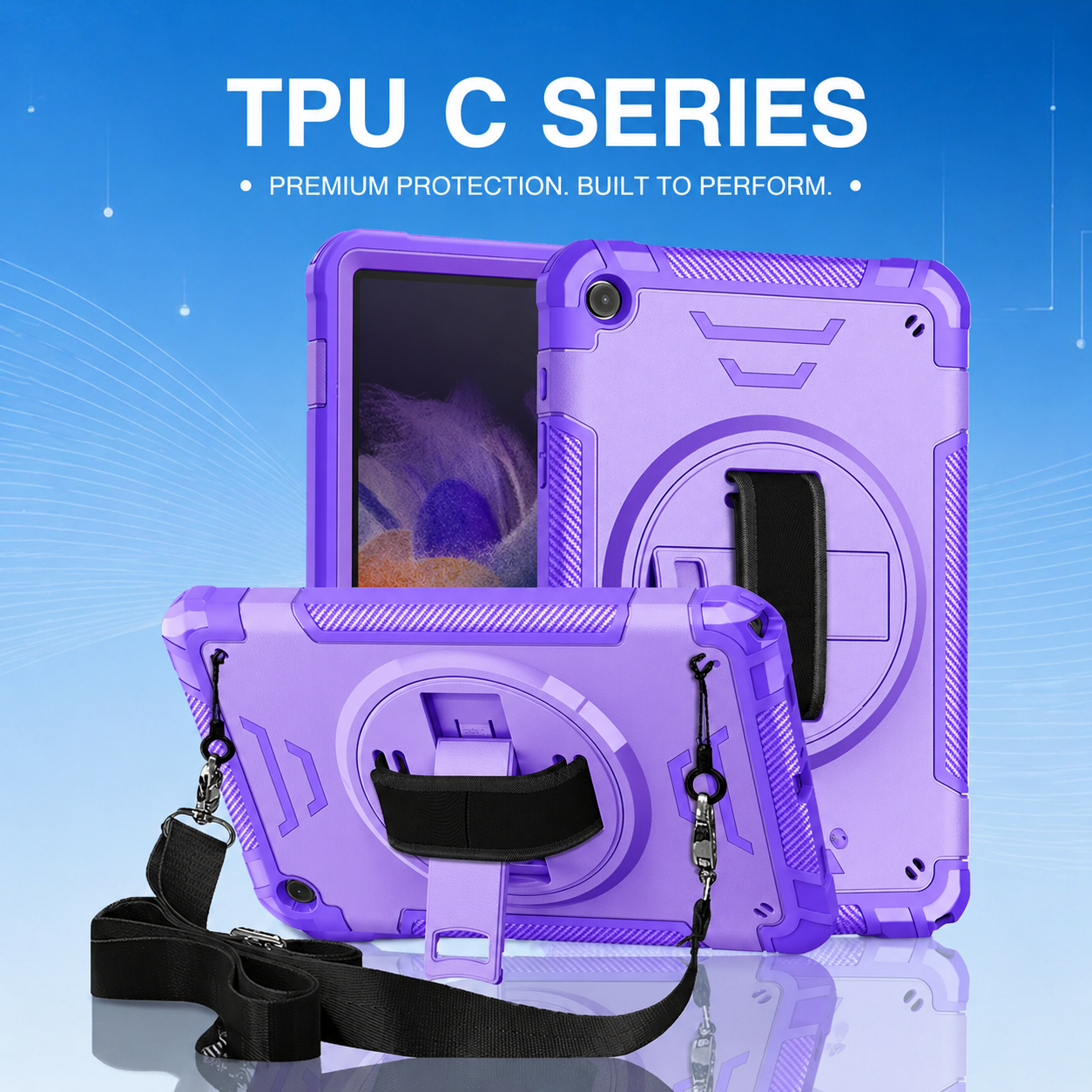
A TPU tablet case uses a flexible thermoplastic layer to cushion shocks and improve hand grip. TPU can wrap around corners, protect buttons, and form raised edges around the screen and camera. Its flexibility also makes installation easier than a completely rigid enclosure. For moderate-duty applications, a carefully designed TPU structure may provide a useful balance of weight, comfort, and protection.
Hardness, thickness, and geometry
Performance depends on more than the material name. Shore hardness, wall thickness, rib design, corner volume, and internal air channels all affect how impact energy moves through the case. A thick but poorly structured layer can add bulk without improving protection. Engineers should use the minimum material needed to achieve the required test performance and user experience.
2. Combining Rigid and Flexible Layers
Why hybrid construction works
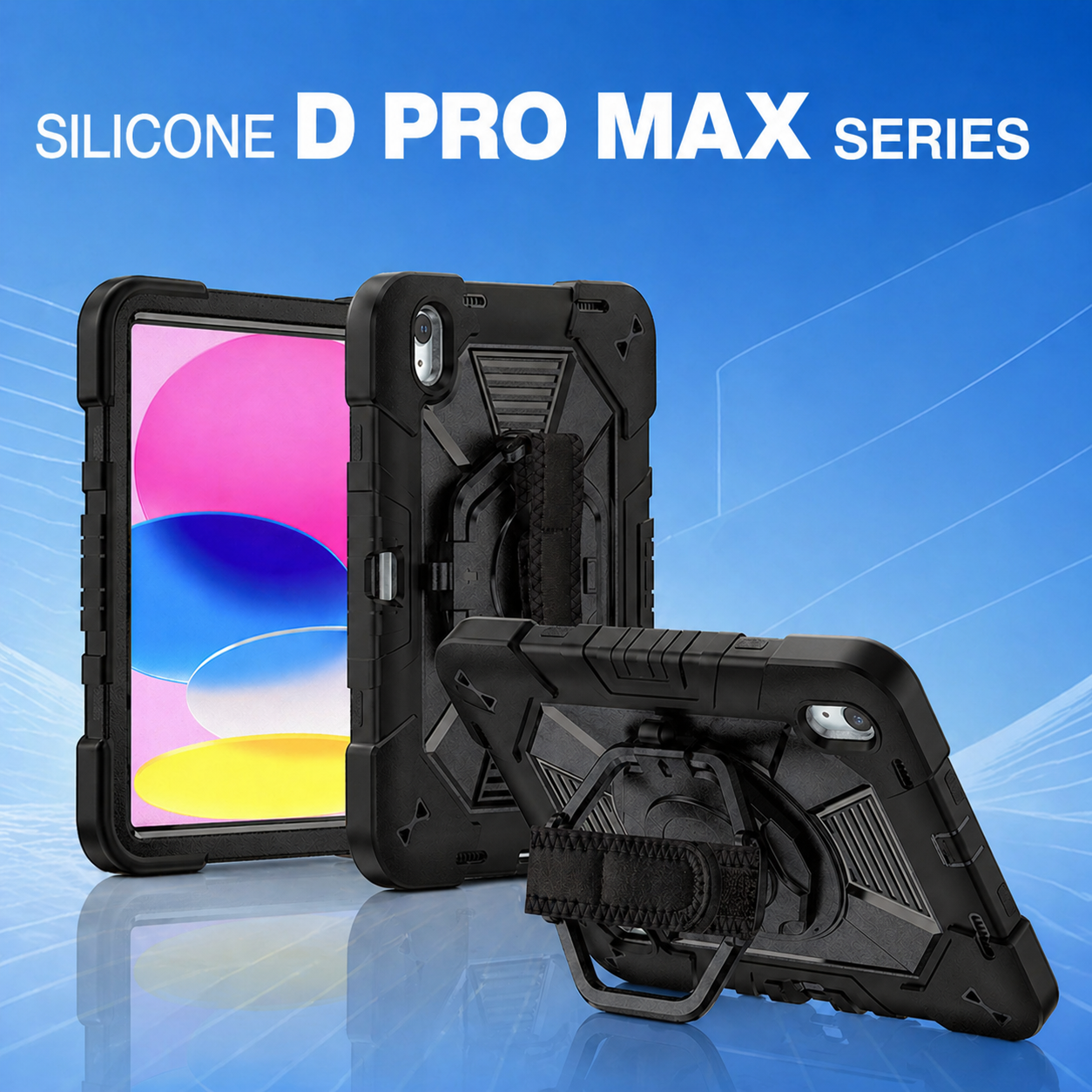
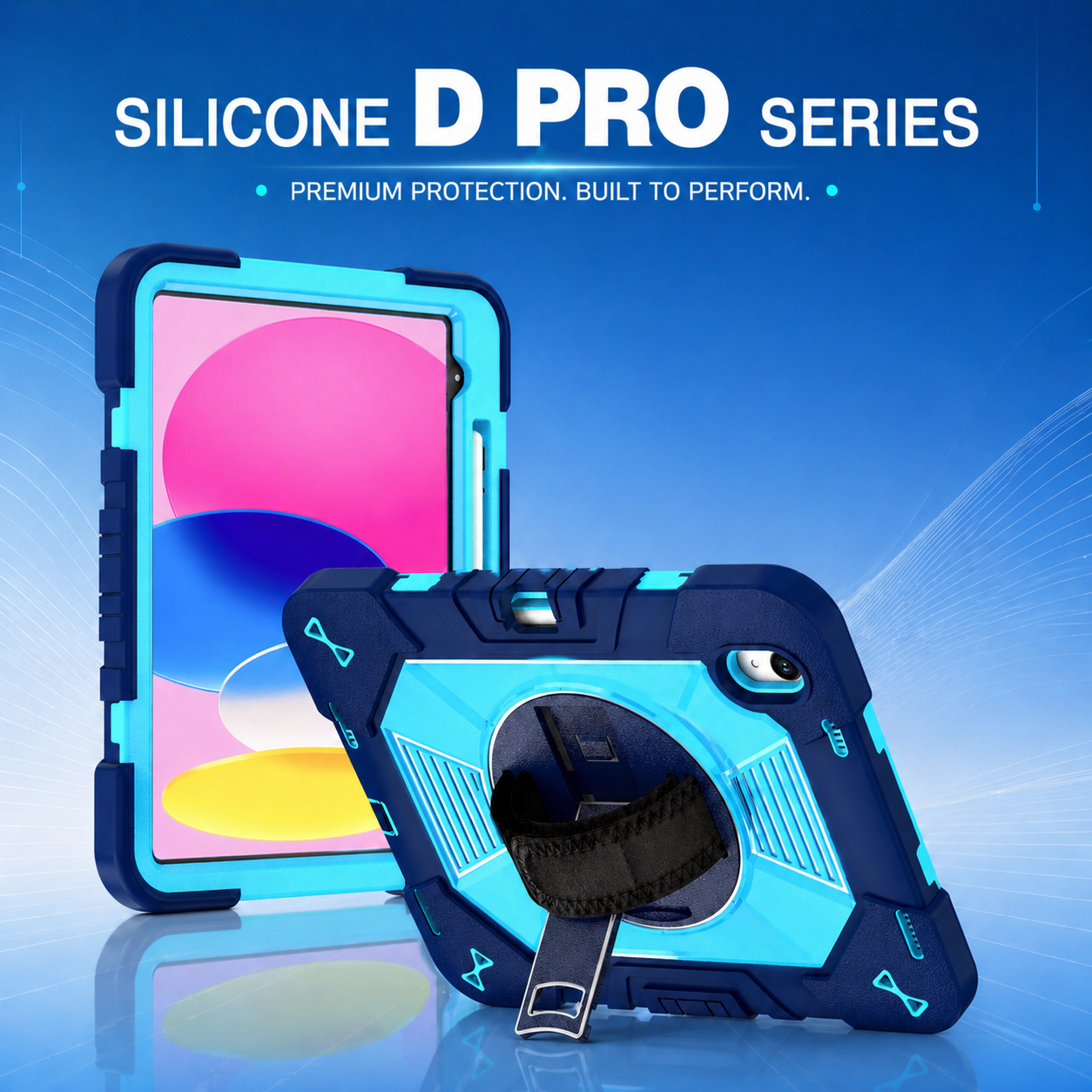
A PC+Silicone tablet case combines a rigid polycarbonate frame with a softer silicone outer layer. The PC component helps distribute force, stabilize the tablet, and protect against bending. Silicone adds cushioning, friction, and a comfortable surface. When the two components are designed together, the structure can protect vulnerable corners while keeping ports, speakers, and control buttons accessible.
Managing fit and tolerances
Hybrid products require precise tolerances. If the rigid frame is too tight, installation may damage the tablet or create pressure points. If it is too loose, the device can shift during a drop. The soft layer must fit securely without separating around edges or accessories. Prototype verification should include repeated installation, removal, temperature exposure, and dimensional checks.
3. Building Full-Body Protection
Front, back, and edge coverage
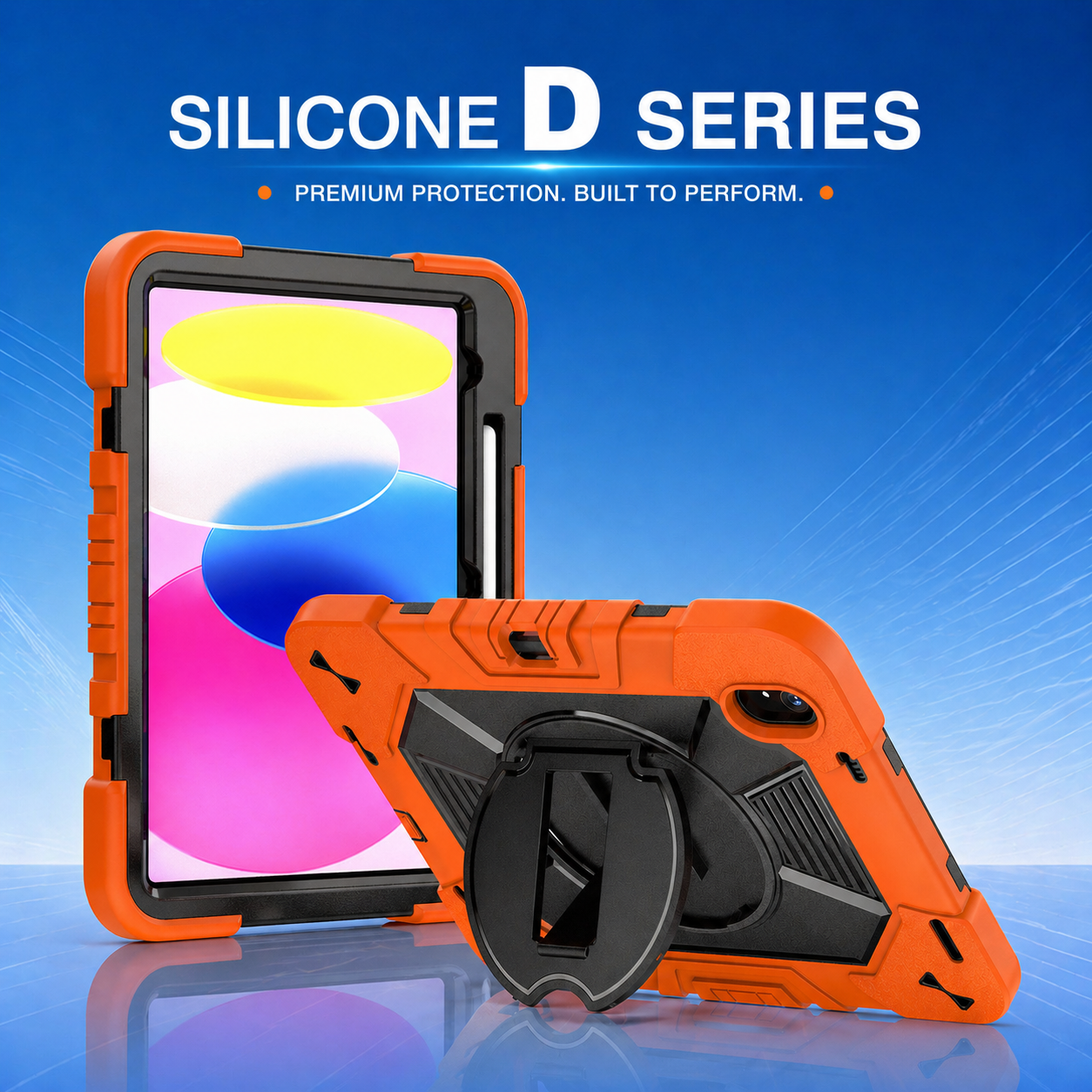
A full body protective tablet case extends protection beyond the rear shell. It may use a front frame, raised bezel, screen protector, port covers, and reinforced corner assemblies. This design is useful in schools, warehouses, field service, and shared-device programs where tablets are handled by many users and accidental drops are expected.
Protection without blocking operation
Full coverage must not reduce productivity. The screen should remain responsive, cameras must stay clear, microphones should not be muffled, and charging should work with approved cables or docks. If the deployment uses scanners, payment readers, smart connectors, or asset tags, the case design must reserve sufficient clearance from the beginning.
4. Selecting Materials for the Work Environment
Cleaning, chemicals, and temperature
Hospitals and laboratories may use frequent disinfecting procedures. Warehouses may expose cases to dust, oil, or temperature changes. Outdoor technicians may encounter sunlight, rain, and vehicle heat. Buyers should share expected cleaning agents and environmental conditions with the manufacturer. Material compatibility testing can prevent swelling, cracking, discoloration, or surface stickiness after deployment.
Comfort during long shifts
Weight, texture, edge shape, and heat buildup influence user acceptance. A highly protective case can still fail operationally if employees avoid using the hand strap or remove the case because it feels bulky. Grip zones, rounded contact points, balanced stand placement, and accessory positioning should be evaluated with real tasks, not only laboratory tests.
5. Validating a Material System Before Mass Production
Prototype and test sequence
A practical validation plan begins with fit samples, followed by functional prototypes and then production-intent samples. Tests may include controlled drops, repeated stand cycles, strap-pull testing, button-actuation checks, cable clearance, and packaging simulation. Each result should be recorded against agreed acceptance criteria so that later changes can be measured objectively.
Cost and lifecycle decisions
Material architecture also affects tooling cost, assembly time, defect risk, recyclability, and replacement strategy. A removable outer layer may simplify repair, while a permanently bonded design may improve stability. The right choice depends on order volume, target price, service model, and deployment lifetime. An experienced OEM supplier can show buyers where premium materials create real value and where simpler structures are sufficient.
From Material Choice to Workflow Design
The strongest enterprise case is not defined by the greatest number of layers. It is defined by how well the material system supports the device, the user, and the operating environment. Once the architecture is selected, the next design task is to connect protection with daily work. Explore how enterprise mobility accessories such as hand straps, kickstands, shoulder straps, and mounting interfaces can improve field productivity.






.png)
+86 13422271740
.png)
info@tongmeitech.com
.png)
No. 34, Mashe Section, Guihe Road, Lishui Town, Foshan, Guangdong, China