- 1
- BLACKL
- TABLETAPPLE iPad Mini 8NEW iPad A16(2025) iPad 10.9" 10th (2022) iPad 10.2" (7th/8th/9th) iPad Air 13" (M2/M3/M4)(2024/2025/2026)NEW iPad Air 11" (M2/M3/M4)(2024/2025/2026)NEW iPad Mini 8.3" (A7 Pro/6th Gen) iPad Pro13"(M4/M5)(2024/2025) iPad Pro11"(M4/M5)(2026) iPad 9.7" (5th/6th Gen) iPad Pro 12.9"(2018-2022) iPad Pro 11"(2018-2022) iPad 9.7"(2th/3th/4th) iPad Air 10.9"(4th/5th Gen) iPad Mini 7.9"(4th/5th Gen)SAMSUNG Galaxy Tab A11 Galaxy Tab A11 Plus Galaxy Tab S11 Galaxy Tab S12 PlusNEW Galaxy Tab S12 UltraNEW Galaxy Tab A9+ Galaxy Tab A9 Galaxy Tab A8 Galaxy Tab A7 Galaxy Tab A7 Lite Galaxy Tab S11 Ultra/S10 Ultra/S9 Ultra/S8 Ultra Galaxy Tab S10+/S9+/S9 FE+ Galaxy Tab S10Lite/S10 FE/S9 FE/S9 Galaxy Tab S8+/S7+/S7 FE Galaxy Tab S8/S7 Galaxy Tab S6 lite Galaxy Tab A10.1 Galaxy Tab A8.4 Galaxy Tab A8.0 Galaxy Tab S10 FE+LENOVO iDea tab 11/Tab K11 Gen 2 /Xiaoxin Pad 11 2025 Lenovo Tab K9 (Tab One) 2025 Lenovo Tab M10 10.1"(2025) Lenovo Tab M10 Plus 10.6" (3rd Gen) Lenovo Tab M10 HD 10.1" (3rd Gen) Lenovo K10/M10 Plus 10.3" (2nd Gen) Lenovo Tab M10 HD 10.1" (2nd Gen)XIAOMI Redmi Pad 2 9.7 InchNEW Xiaomi Pad8/8Pro 11.2" Redmi Pad2/Pad2.4G Xiaomi Pad 6/6 Pro 11" Redmi Pad 10.61" Redmi Pad Se 11" Redmi pad Se 4G 8.7" Xiaomi Pad7/7 Pro 11.2" Redmi Pad Pro/Xiaomi Poco Pad/Redmi Pad2 Pro 12.1HUAWEI Huawei Matepad Se 10.4" Huawei Matepad 11" Huawei Matepad 11.5" Huawei Matepad SE 11" Huawei Matepad T8 8" Huawei Matepad T10 9.7"
- CATEGORIES
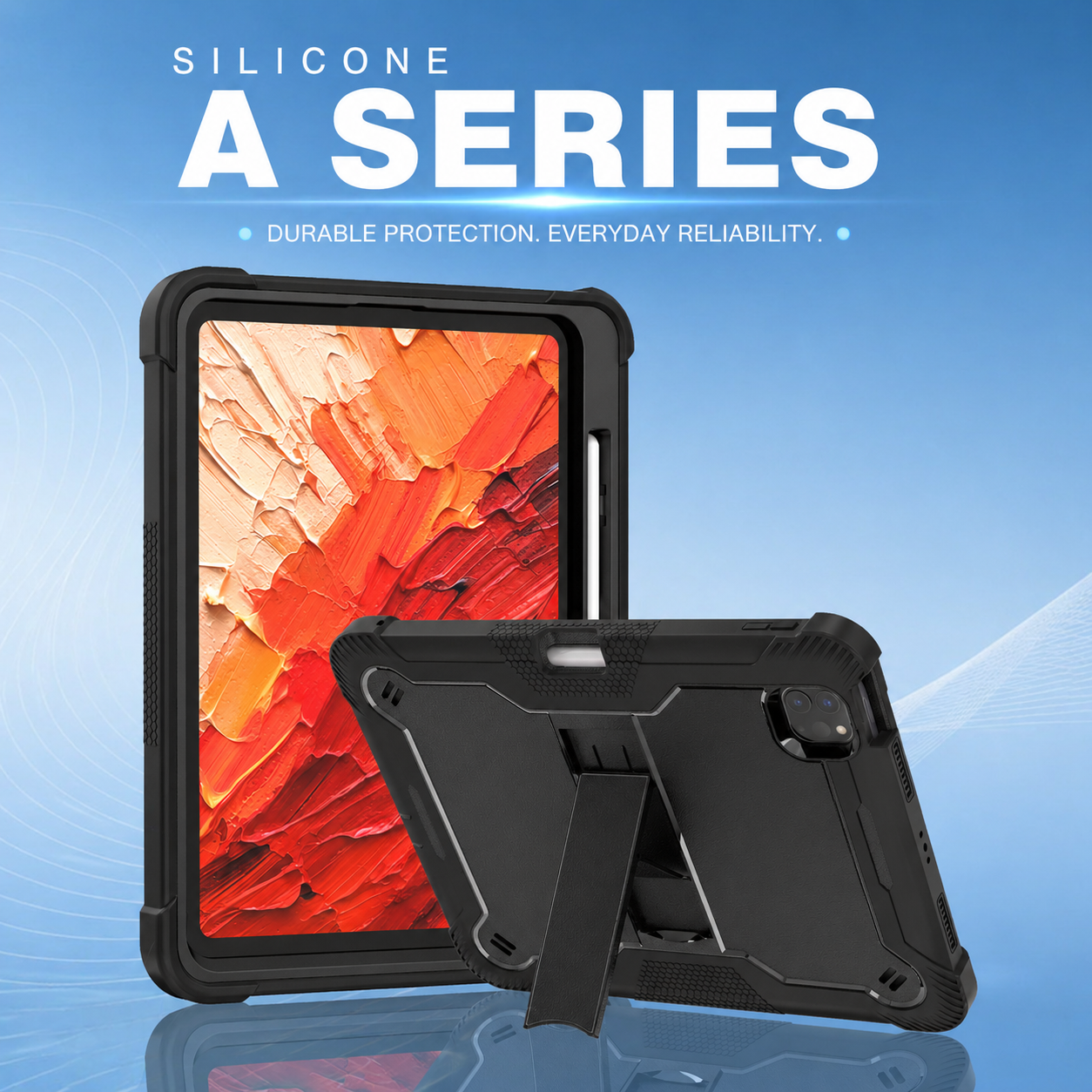
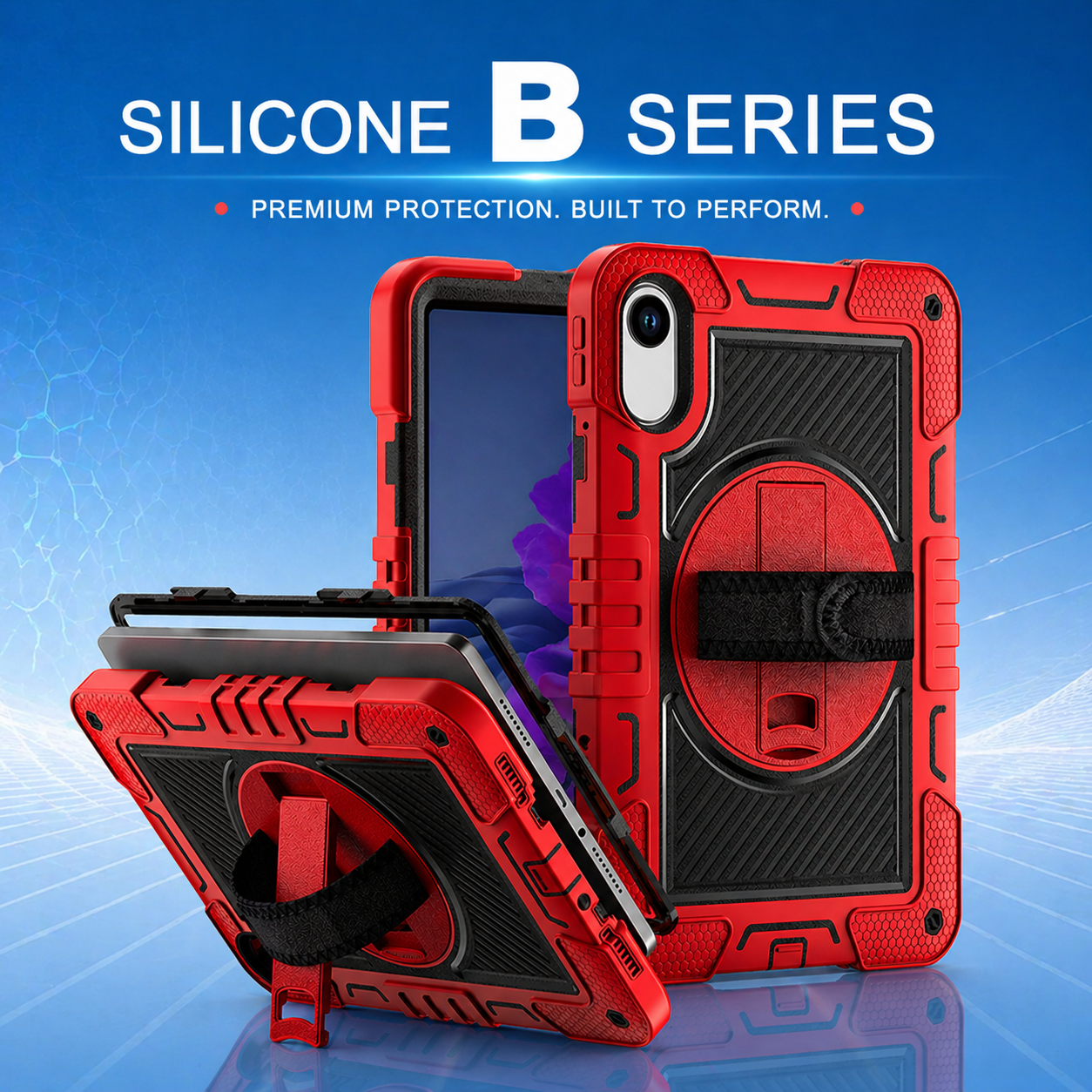
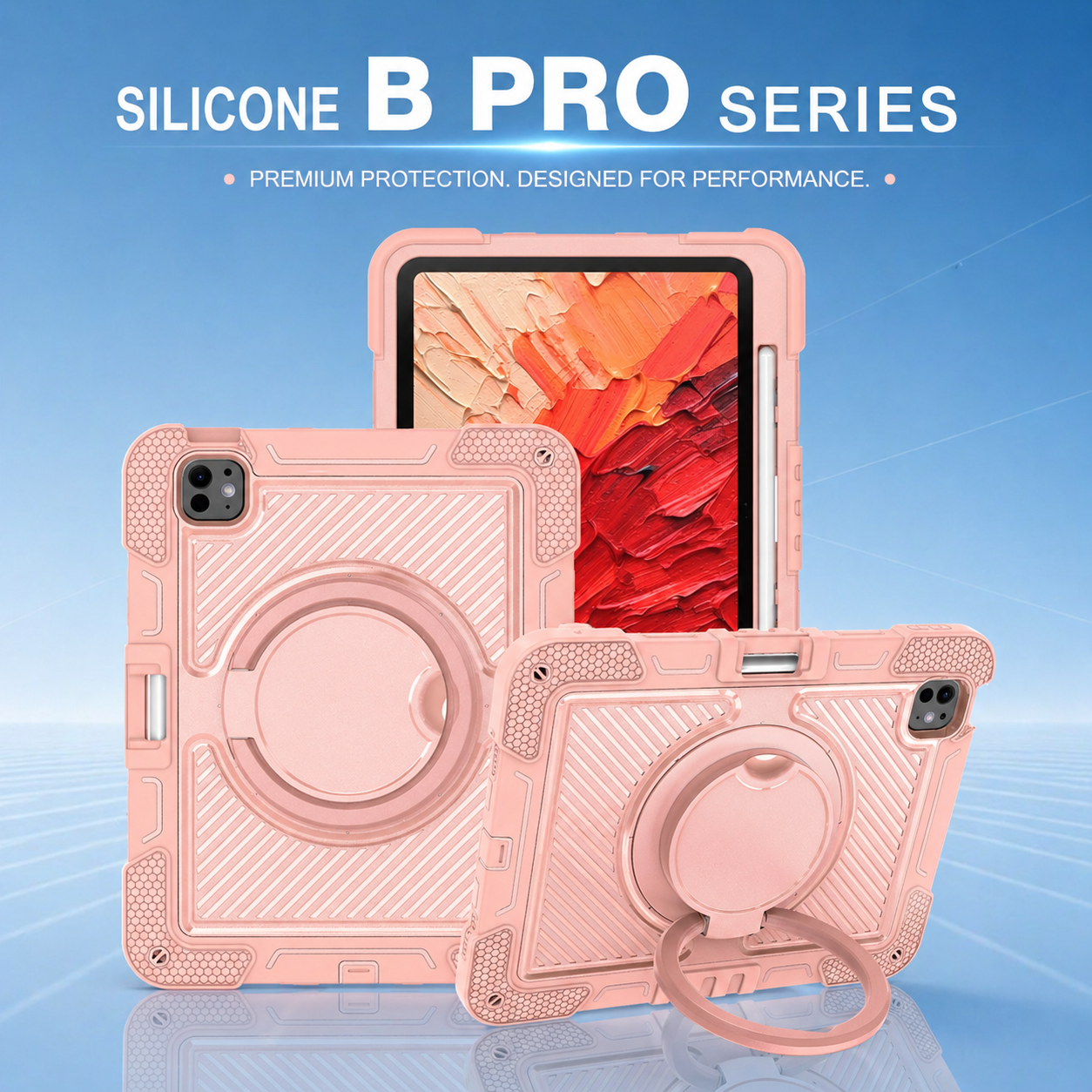
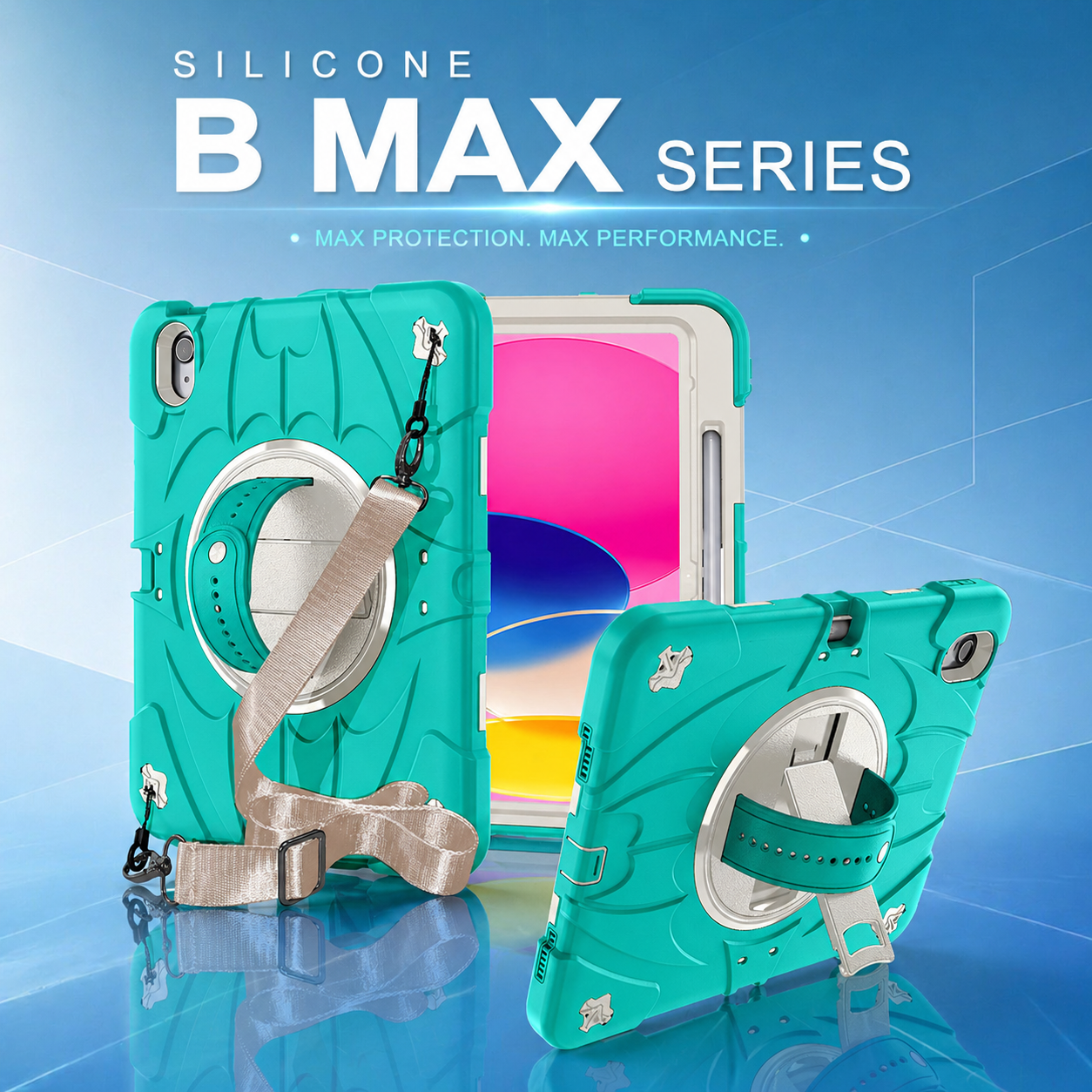
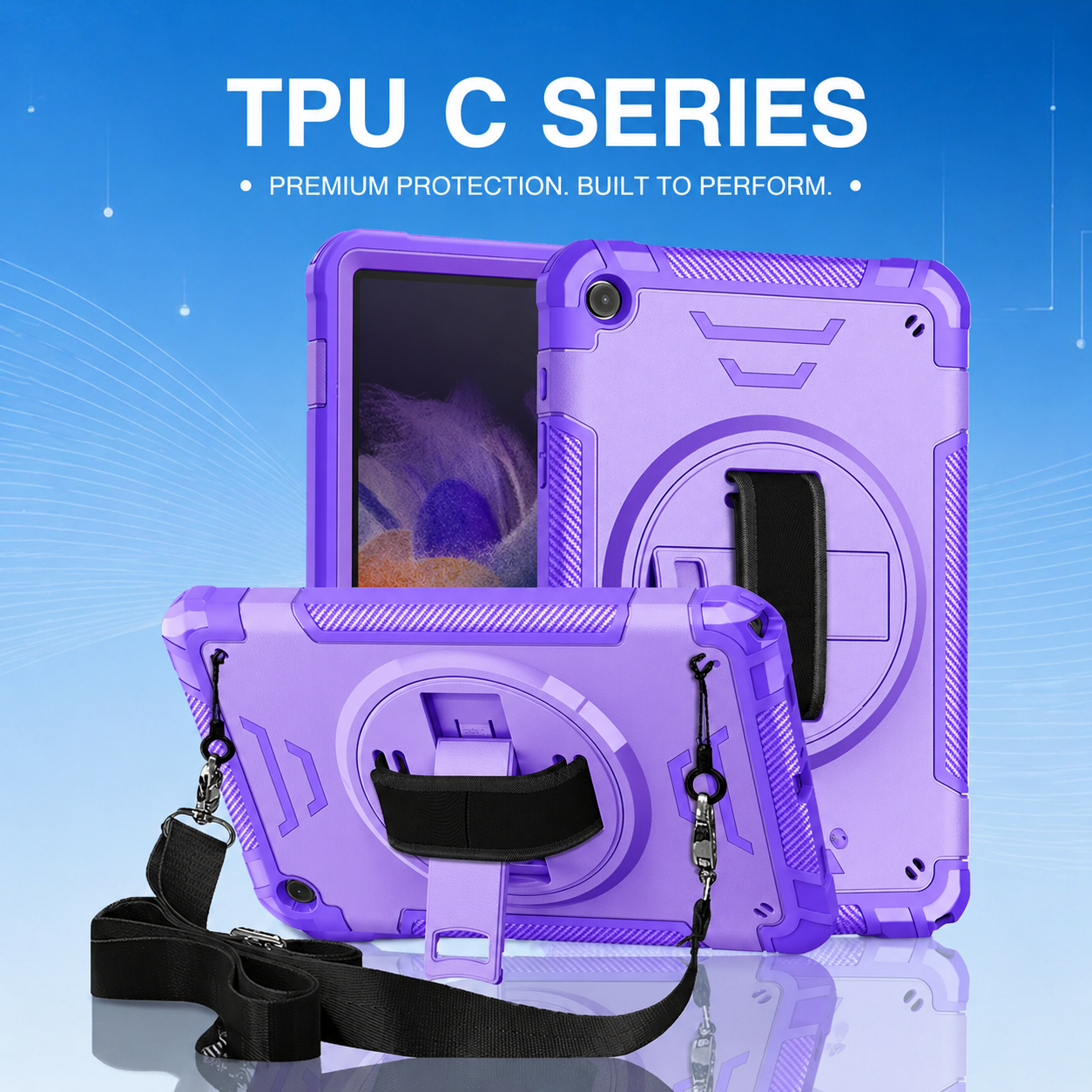
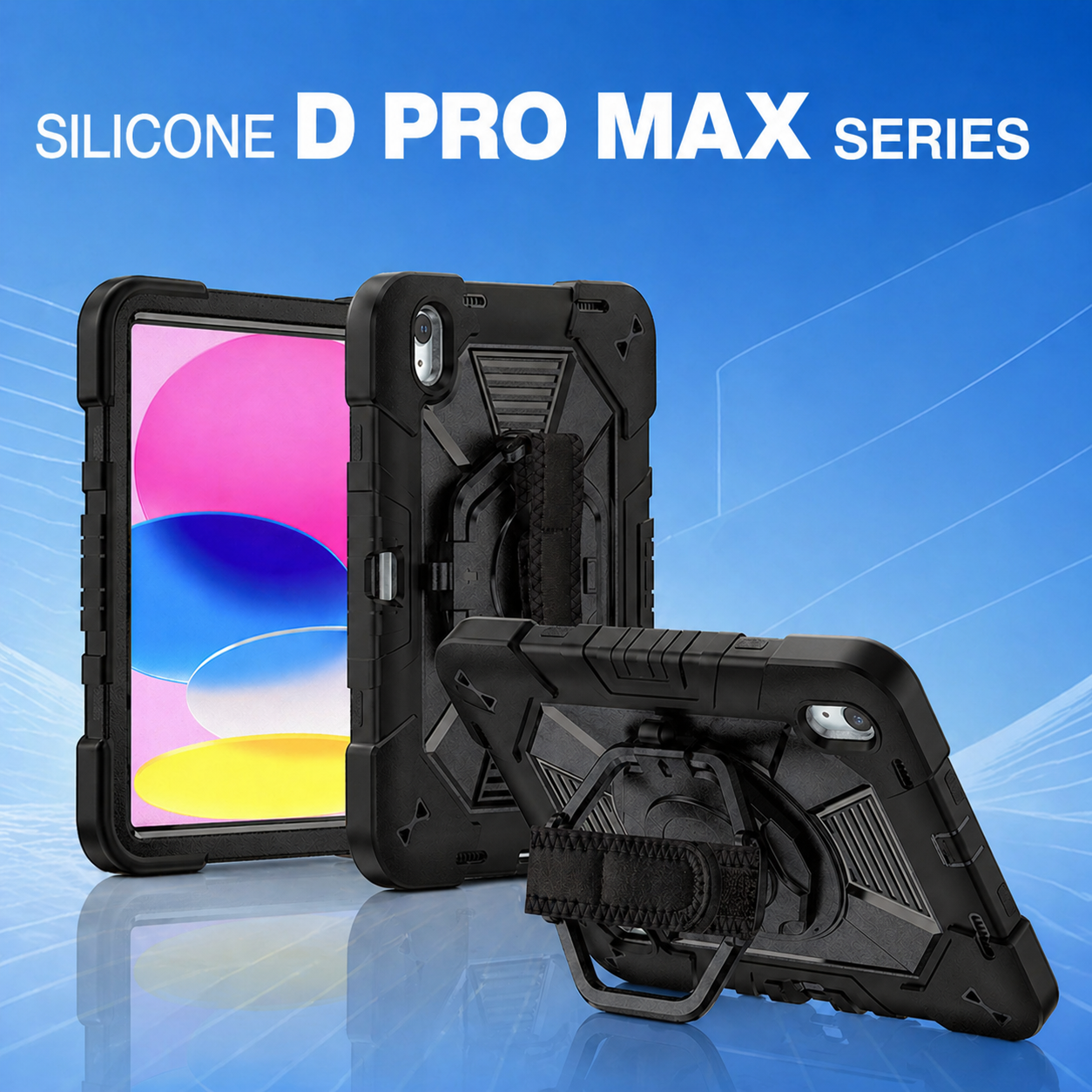
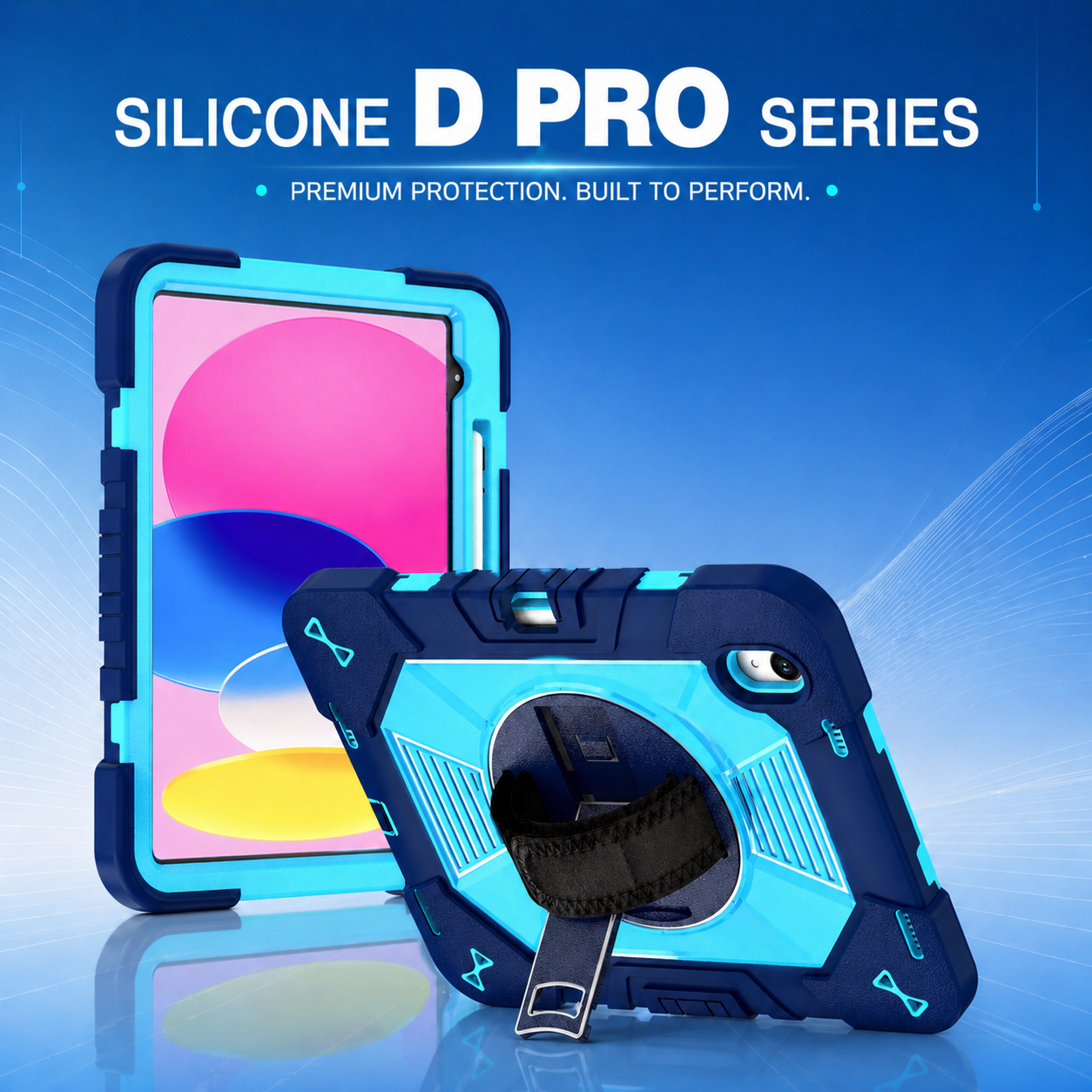
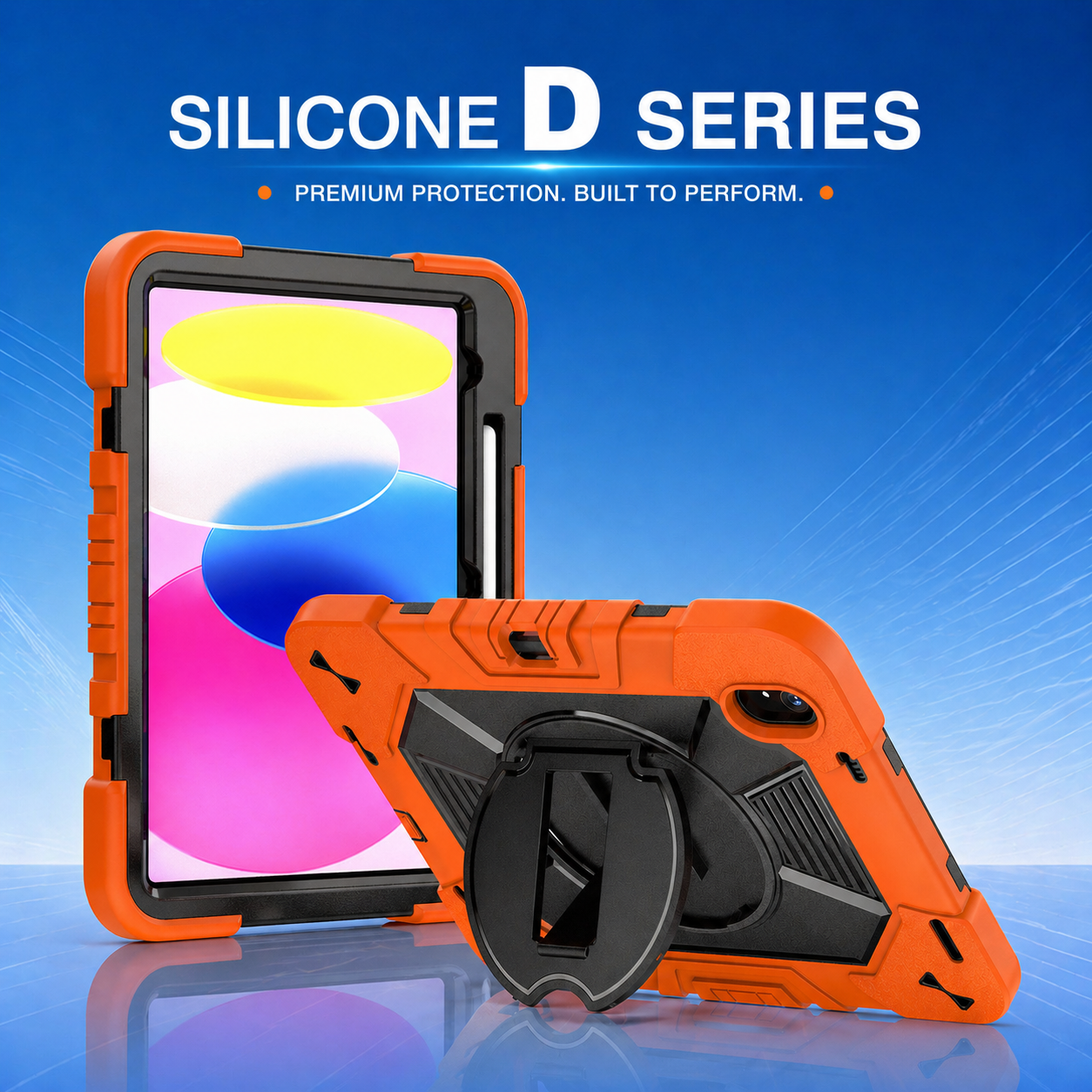

OEM and ODM Development of Customized Multi-Layer Rugged Tablet Cases
Organizations that deploy tablets at scale often need more than an off-the-shelf protective cover. They may require model-specific fit, branded colors, custom straps, mounting interfaces, stylus storage, packaging, or materials selected for a particular environment. OEM and ODM development turns these requirements into a repeatable production product. The process combines industrial design, mechanical engineering, tooling, material validation, quality control, and supply-chain planning.
1. Defining the Product Requirements
A successful project starts with a detailed specification. The buyer should identify the tablet model, target users, working environment, expected drop height, cleaning methods, required accessories, packaging format, and annual volume. It is also useful to define what is not needed, because unnecessary features can increase cost, weight, and tooling complexity.
For an #OEMTabletCase project, the customer may provide drawings, a reference design, or a detailed functional specification. The manufacturer then focuses on engineering, tooling, and production. In an ODM project, the supplier may contribute an existing platform, design concept, or proven mechanism that can be adapted to the new device.
2. Device Data and Fit Engineering
Accurate device dimensions are critical. Three-dimensional scans, official CAD data, and physical samples help engineers locate buttons, ports, speakers, cameras, microphones, antennas, charging zones, and stylus connections. Small errors can affect assembly, button feel, wireless performance, or compatibility with docks.
Fit must account for manufacturing tolerance in both the tablet and the case. Engineers add controlled clearance where needed while preventing movement during impact. Prototype samples should be tested on several devices rather than on a single unit.
3. Selecting the Multi-Layer Structure
The material architecture should match the application. Polycarbonate can provide rigidity and puncture resistance, while TPU or silicone absorbs impact and improves grip. A front frame secures the tablet and creates a raised bezel. Optional screen protection, port covers, and reinforced corners can be added according to risk.
A #CustomTabletCase should not be customized only by changing color or printing a logo. Meaningful customization may include grip geometry, strap position, stand angles, scanner access, mounting points, antimicrobial material options, or compatibility with enterprise charging systems.
4. Prototyping and Design Verification
Early prototypes help teams evaluate fit, handling, balance, and access before committing to production tooling. Three-dimensional printing is useful for checking geometry, but printed materials do not always reproduce the performance of injection-molded TPU, silicone, or polycarbonate. Functional molded samples are therefore required before final approval.
Verification should include drops from multiple orientations, repeated impact, button cycling, strap loading, kickstand endurance, temperature cycling, chemical exposure, and assembly testing. The exact plan should reflect the operating environment rather than relying on one generic test.
5. Tooling and Pilot Production
Injection molds determine surface quality, dimensions, texture, and production consistency. Tool design must account for shrinkage, gate location, ejection, undercuts, inserts, and the interaction between hard and soft components. Complex multi-layer products may require several molds and assembly fixtures.
A pilot run allows the manufacturer to confirm cycle time, assembly sequence, inspection standards, packaging, and defect limits. Problems discovered at this stage are much less expensive to correct than issues found after mass production begins.
6. Quality Control and Traceability
Incoming material inspection, in-process checks, dimensional gauges, fit testing, appearance standards, and functional sampling should be documented. Critical features such as corner thickness, button response, strap anchors, and locking tabs may require dedicated control plans. Batch traceability helps identify the source of any production issue.
An experienced #ODMManufacturer should also manage engineering changes carefully. A device revision, resin substitution, tooling repair, or accessory update can affect performance. Formal approval procedures prevent uncontrolled changes from reaching production.
7. Branding, Packaging, and Supply Chain
Private-label programs may include molded logos, printed marks, custom colors, retail packaging, instruction sheets, barcodes, and carton labeling. Color matching should be approved on production materials because texture and resin type can change appearance. Packaging must protect the assembled case during transport without creating unnecessary volume.
Lead time planning should include design, prototype review, tooling, pilot production, testing, and shipping. Buyers should also discuss minimum order quantities, spare parts, forecast flexibility, and long-term availability of materials.
8. Building a Reliable Manufacturing Partnership
The strongest projects use clear communication and measurable acceptance criteria. Buyers should review engineering capability, tooling management, material sourcing, test equipment, quality systems, and production capacity. Suppliers should provide realistic feedback when a requested feature creates risk or conflicts with another requirement.
OEM and ODM development is most effective when protection, usability, manufacturing, and commercial goals are considered together. A disciplined process produces a rugged tablet case that fits correctly, survives the intended environment, supports the user’s workflow, and can be manufactured consistently at scale.





.png)
+86 13422271740
.png)
info@tongmeitech.com
.png)
No. 34, Mashe Section, Guihe Road, Lishui Town, Foshan, Guangdong, China