- 1
- BLACKL
- TABLETAPPLE iPad Mini 8NEW iPad A16(2025) iPad 10.9" 10th (2022) iPad 10.2" (7th/8th/9th) iPad Air 13" (M2/M3/M4)(2024/2025/2026)NEW iPad Air 11" (M2/M3/M4)(2024/2025/2026)NEW iPad Mini 8.3" (A7 Pro/6th Gen) iPad Pro13"(M4/M5)(2024/2025) iPad Pro11"(M4/M5)(2026) iPad 9.7" (5th/6th Gen) iPad Pro 12.9"(2018-2022) iPad Pro 11"(2018-2022) iPad 9.7"(2th/3th/4th) iPad Air 10.9"(4th/5th Gen) iPad Mini 7.9"(4th/5th Gen)SAMSUNG Galaxy Tab A11 Galaxy Tab A11 Plus Galaxy Tab S11 Galaxy Tab S12 PlusNEW Galaxy Tab S12 UltraNEW Galaxy Tab A9+ Galaxy Tab A9 Galaxy Tab A8 Galaxy Tab A7 Galaxy Tab A7 Lite Galaxy Tab S11 Ultra/S10 Ultra/S9 Ultra/S8 Ultra Galaxy Tab S10+/S9+/S9 FE+ Galaxy Tab S10Lite/S10 FE/S9 FE/S9 Galaxy Tab S8+/S7+/S7 FE Galaxy Tab S8/S7 Galaxy Tab S6 lite Galaxy Tab A10.1 Galaxy Tab A8.4 Galaxy Tab A8.0 Galaxy Tab S10 FE+LENOVO iDea tab 11/Tab K11 Gen 2 /Xiaoxin Pad 11 2025 Lenovo Tab K9 (Tab One) 2025 Lenovo Tab M10 10.1"(2025) Lenovo Tab M10 Plus 10.6" (3rd Gen) Lenovo Tab M10 HD 10.1" (3rd Gen) Lenovo K10/M10 Plus 10.3" (2nd Gen) Lenovo Tab M10 HD 10.1" (2nd Gen)XIAOMI Redmi Pad 2 9.7 InchNEW Xiaomi Pad8/8Pro 11.2" Redmi Pad2/Pad2.4G Xiaomi Pad 6/6 Pro 11" Redmi Pad 10.61" Redmi Pad Se 11" Redmi pad Se 4G 8.7" Xiaomi Pad7/7 Pro 11.2" Redmi Pad Pro/Xiaomi Poco Pad/Redmi Pad2 Pro 12.1HUAWEI Huawei Matepad Se 10.4" Huawei Matepad 11" Huawei Matepad 11.5" Huawei Matepad SE 11" Huawei Matepad T8 8" Huawei Matepad T10 9.7"
- CATEGORIES
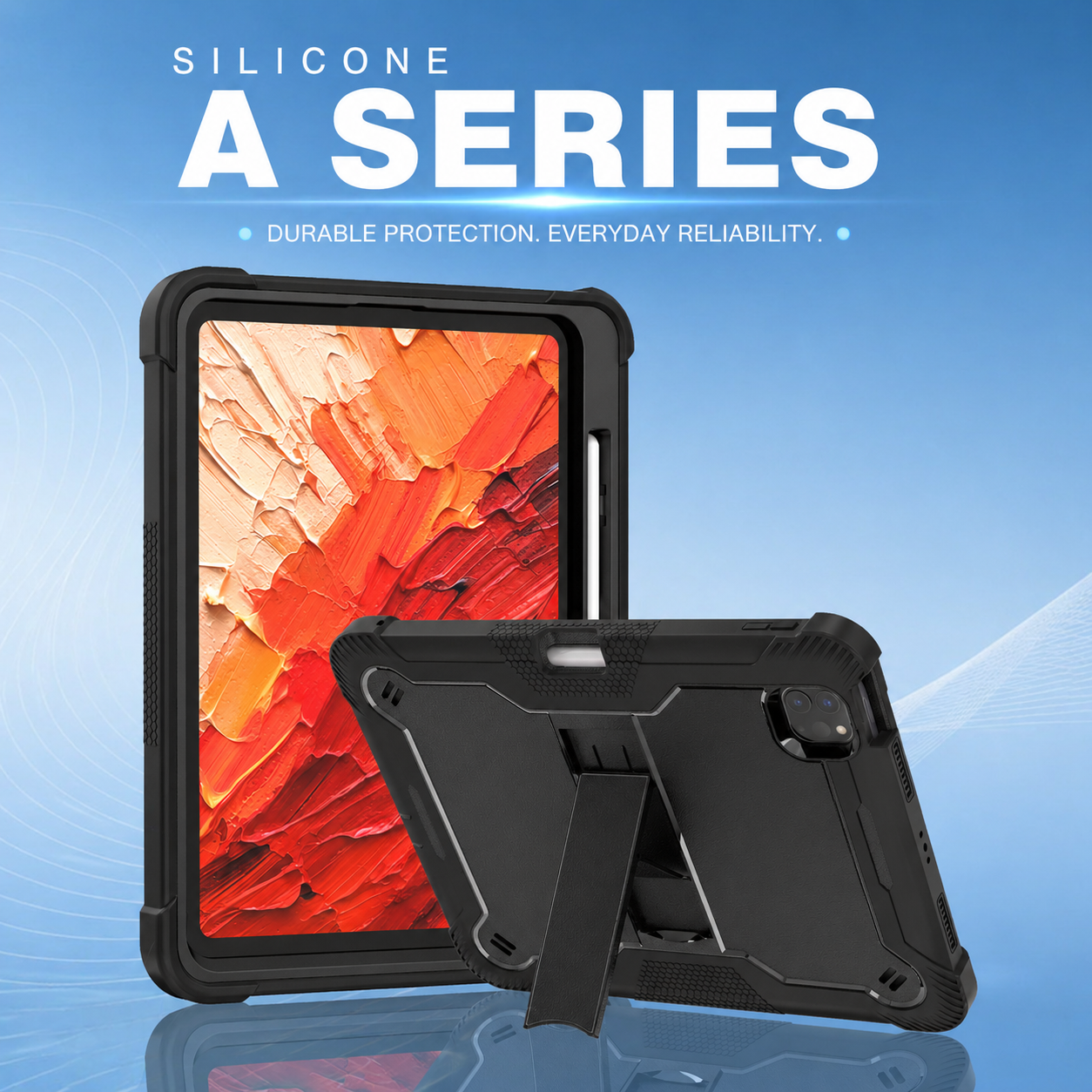
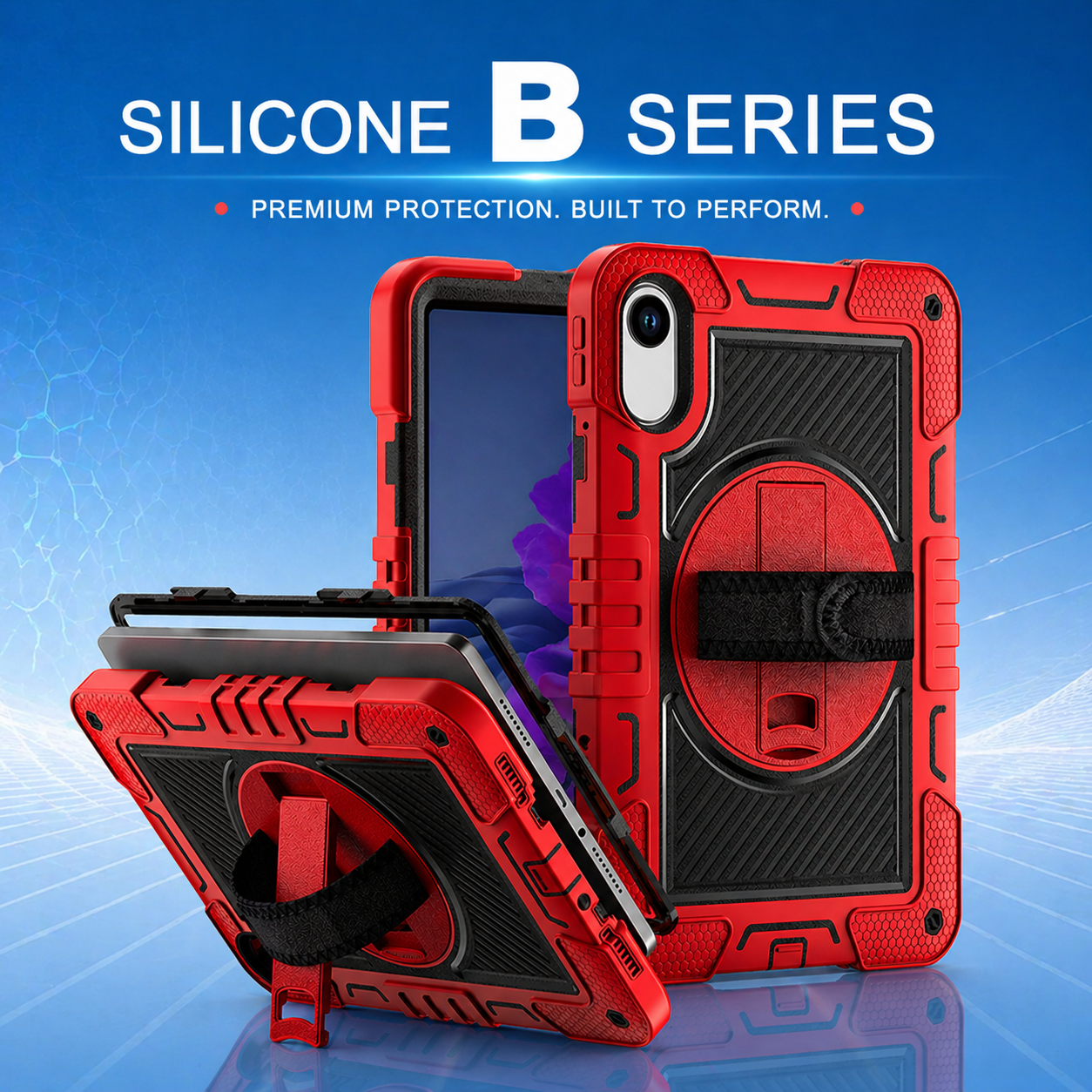
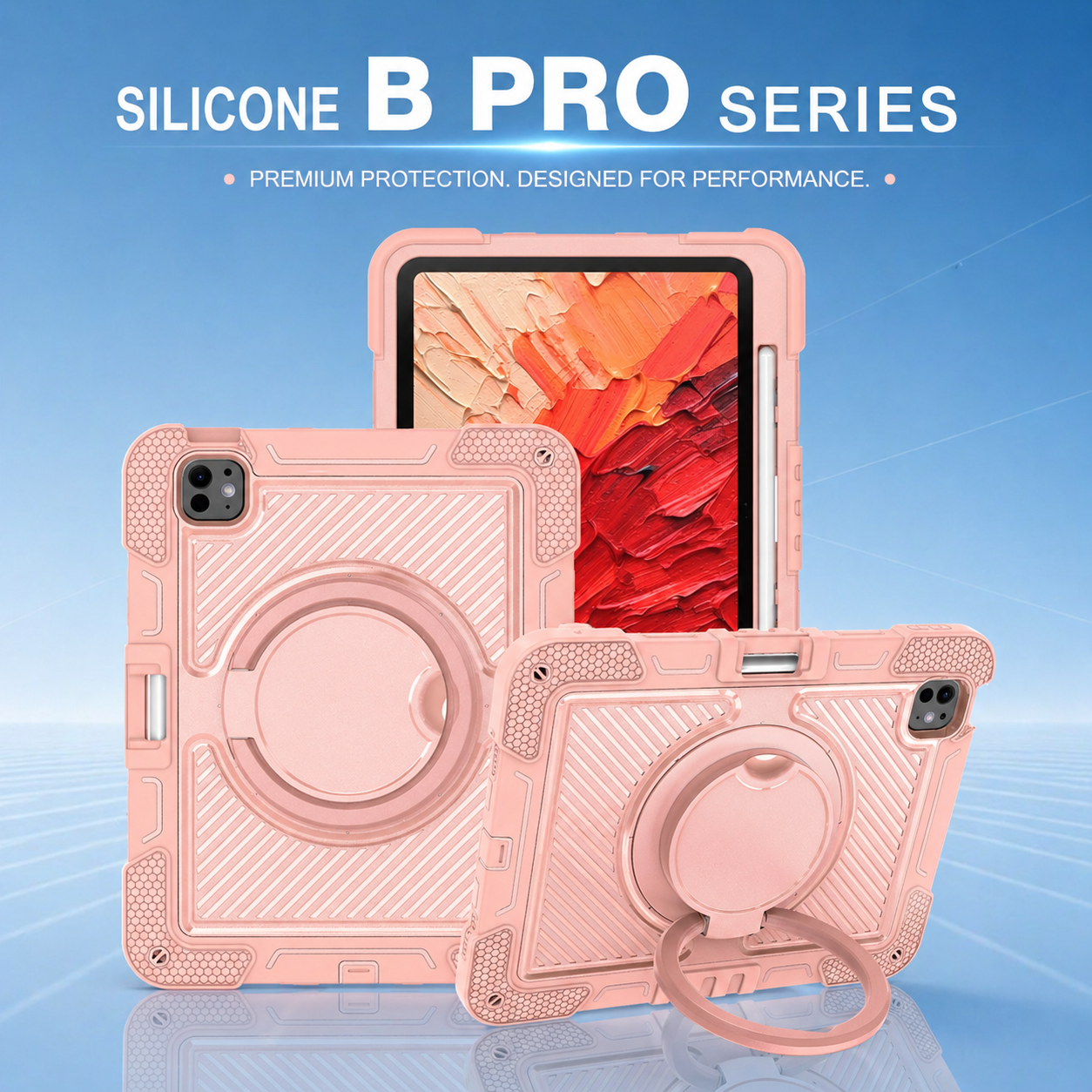
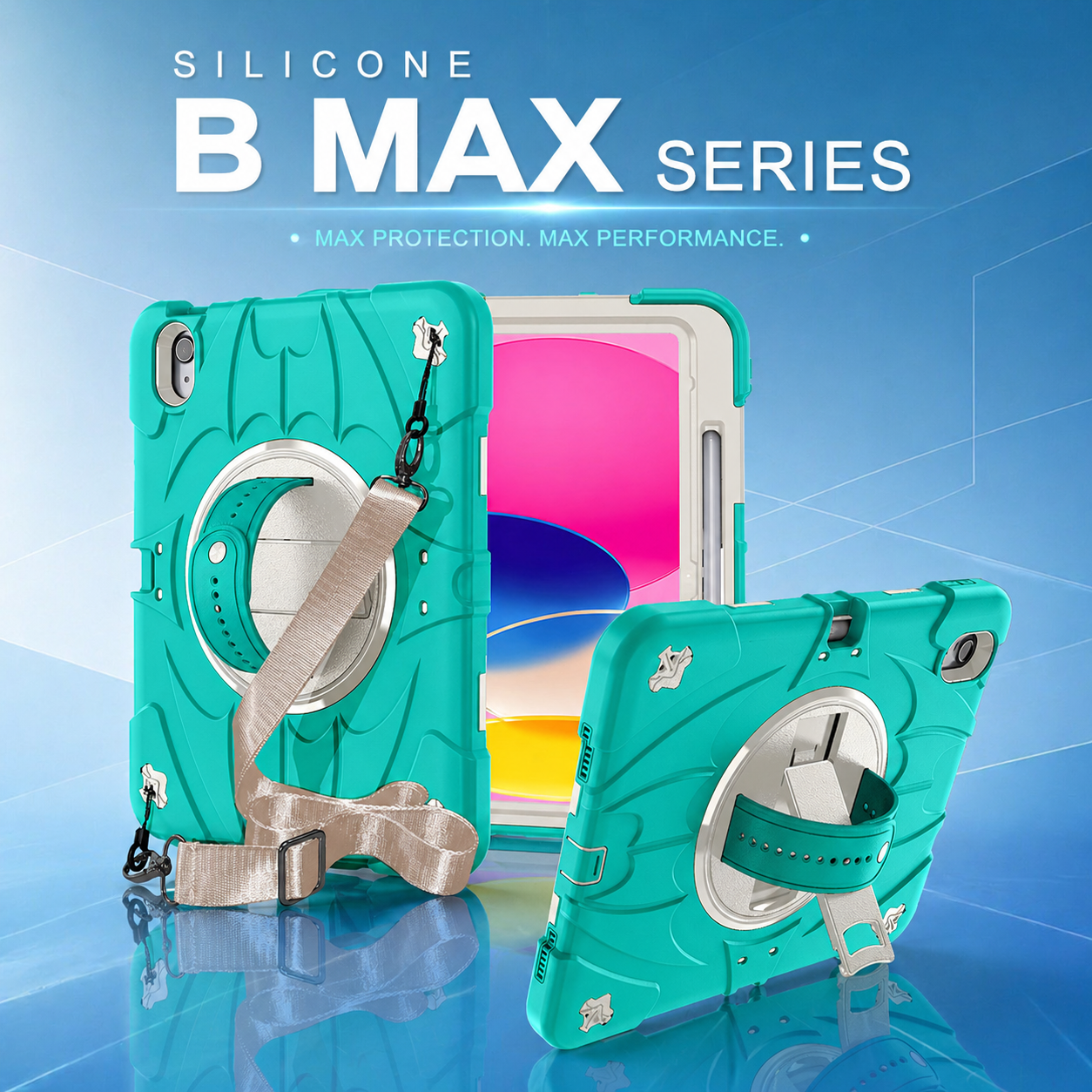
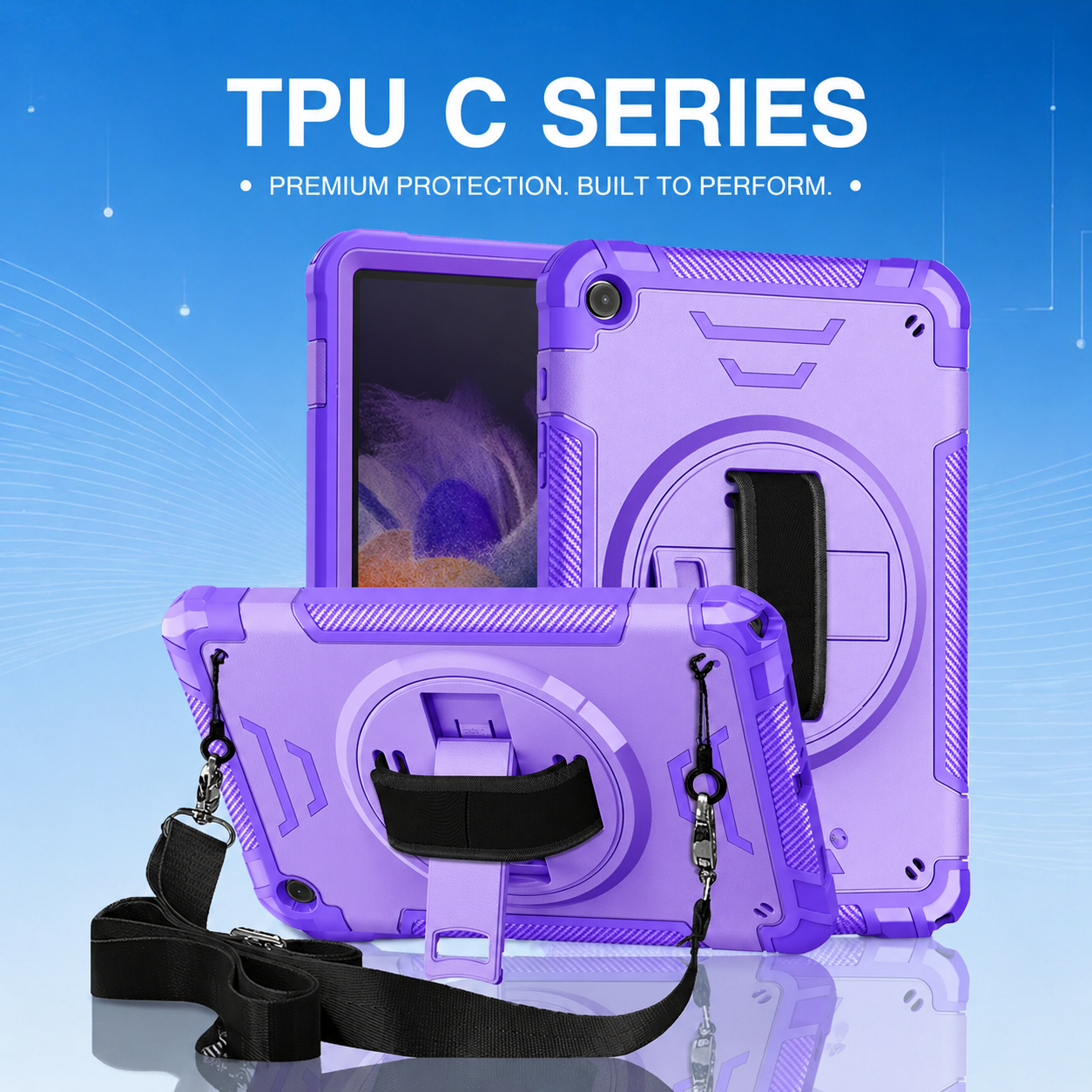
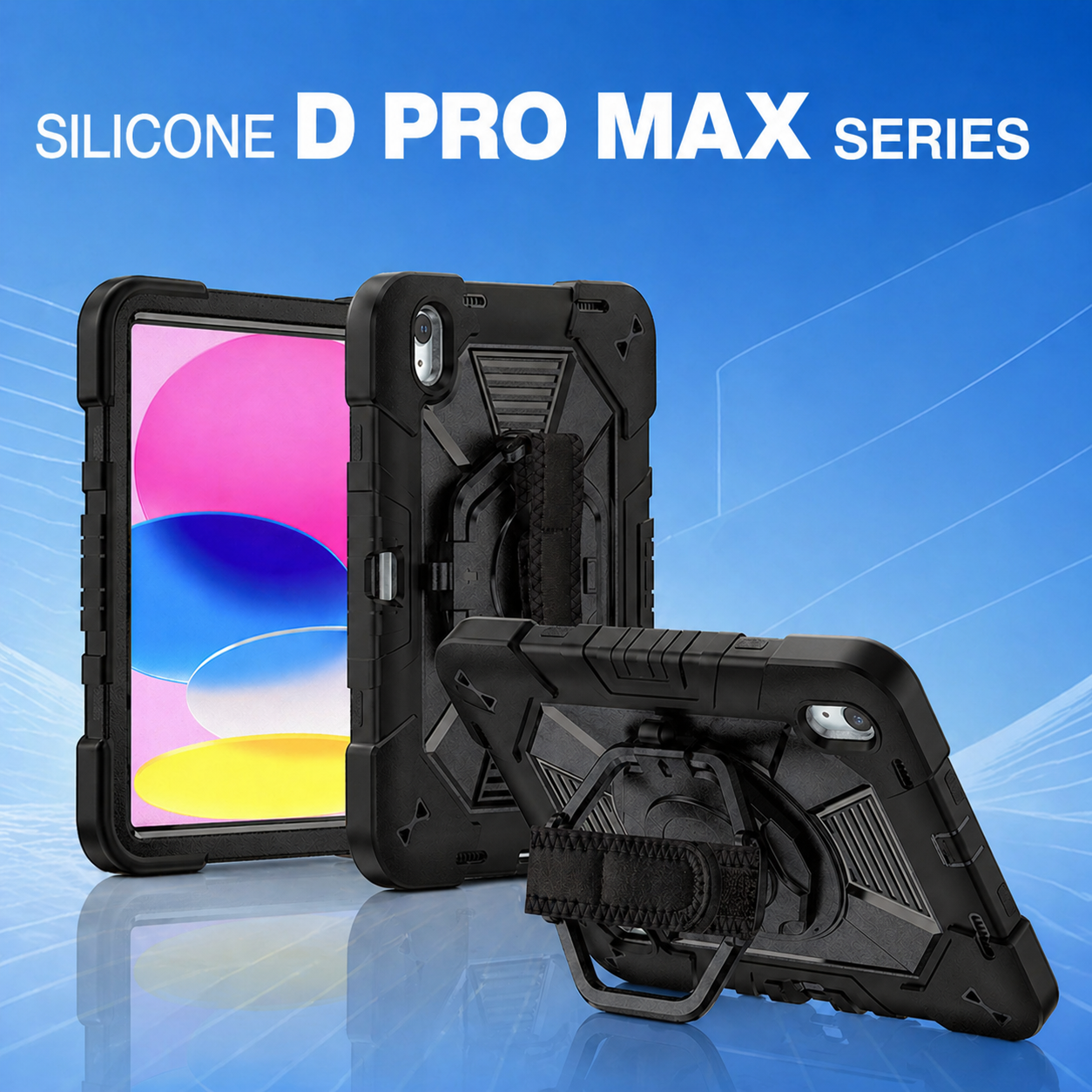
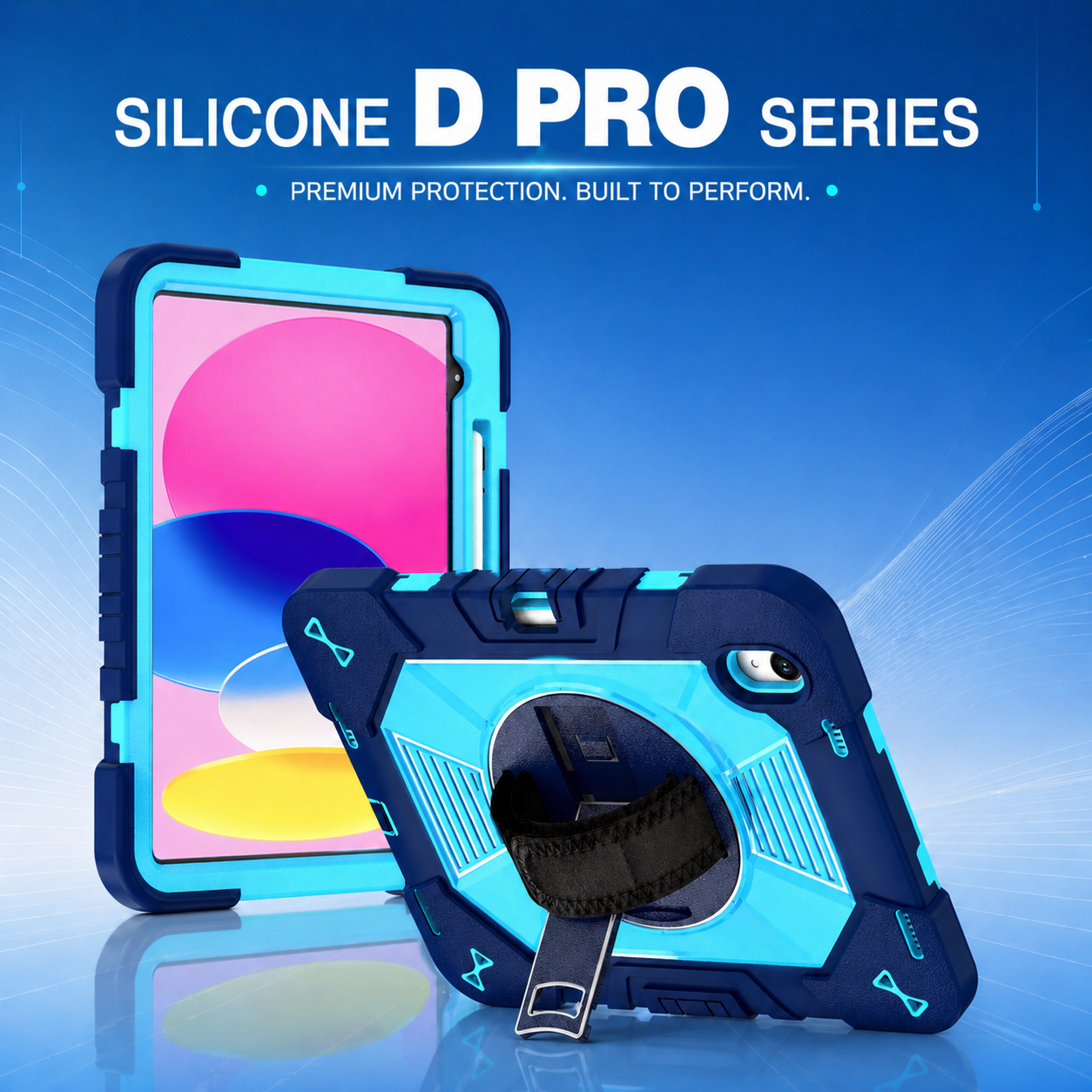
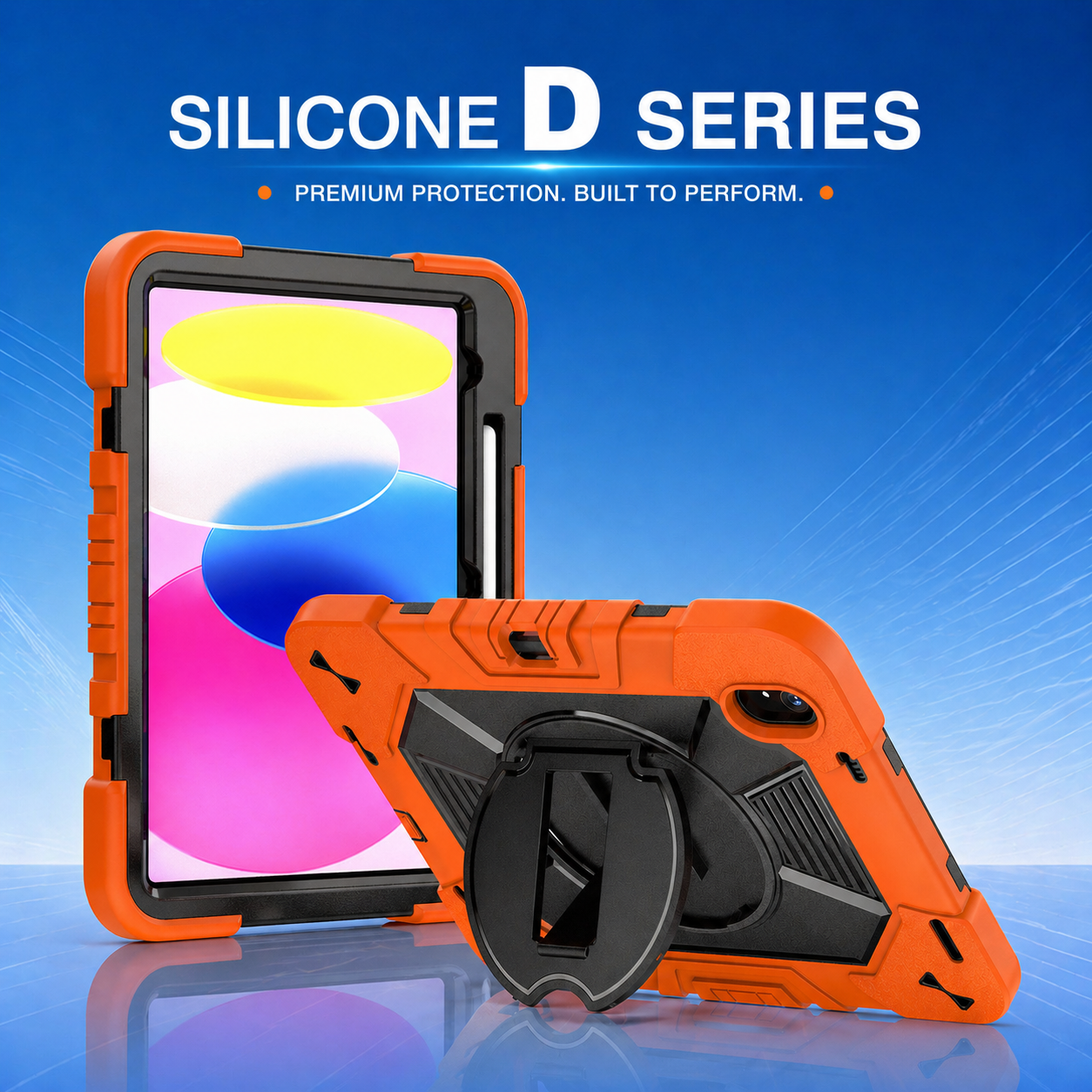

Adapting Rugged Tablet Protection for Education, Healthcare, and Warehousing
A tablet case that performs well in one environment may be unsuitable in another. Schools, hospitals, warehouses, logistics centers, and field-service teams expose devices to different risks, cleaning routines, users, and workflows. Multi-layer protection should therefore be configured around the actual operating context rather than treated as a one-size-fits-all product. Material selection, accessory design, weight, color, and testing priorities all change with the application.
1. Education: Protection Without Excess Weight
Student devices are handled frequently, carried between rooms, placed in backpacks, and sometimes dropped from desks or bunk beds. Protection must be strong, but the case should remain light enough for children to hold comfortably. Rounded edges, soft grip zones, and simplified installation are valuable because they reduce handling fatigue and make classroom management easier.
A kids education tablet case may use oversized corners, an easy-grip handle, and bright colors for identification. Materials should have low odor, stable color, and surfaces that can be cleaned routinely. Openings must be large enough for school charging cables, headphones, and classroom accessories, while the case should not block microphones or cameras used for remote learning.
Education deployments also benefit from asset labels, stylus storage, and stands that support reading or video lessons. These features should be integrated without creating detachable parts that are easy to lose.
2. Healthcare: Cleanability and Controlled Surfaces
Healthcare tablets may move between patient rooms, carts, nurses’ stations, and diagnostic areas. Frequent disinfection can be more demanding than ordinary household cleaning. The outer material should tolerate the approved cleaning agents used by the organization, and the case geometry should minimize deep grooves where residue can collect.
Smooth transitions, sealed attachment points, and removable straps can simplify cleaning. Color coding may help departments identify equipment or separate devices by function. In some settings, an integrated screen protector provides an additional barrier; in others, an open-screen design is preferred for touch accuracy and easy replacement of medical-grade films.
Healthcare teams should validate chemical compatibility, cleaning frequency, and drying behavior. A material that survives occasional wiping may still degrade after hundreds of disinfection cycles.
3. Warehousing and Logistics: Grip, Scanning, and Mobility
Warehouse tablets are often used while standing, walking, scanning inventory, or operating near carts and shelving. Drop prevention becomes as important as drop survival. Rotating hand straps, shoulder straps, and secure grips help employees keep control of the device while moving through a facility.
A multi angle kickstand tablet case can support several workflows: upright viewing for training, low-angle data entry, and stable positioning beside packing stations. The hinge and locking positions must withstand repeated use, and the stand should fold flat so it does not catch on clothing or equipment.
Barcode scanners, cameras, speakers, charging docks, and NFC zones must remain accessible. Mounting interfaces may also be required for forklifts or mobile carts. These use cases create vibration and attachment loads that should be included in validation testing.
4. Field Service: Weather, Transport, and Access
Technicians working outdoors may face dust, light rain, temperature changes, and repeated vehicle transport. Port covers, raised bezels, and strong strap anchors become important. The case should allow quick access to cameras for documentation and should support gloves where required.
Shoulder straps can keep hands free while climbing or carrying tools. Vehicle mounts must engage securely without forcing workers to remove the case. Designers should also consider whether charging occurs through a cable, docking connector, or wireless system.
5. Enterprise Deployment and Device Management
Large organizations need more than individual drop protection. They need repeatable installation, consistent fit, replacement parts, and predictable accessory compatibility. Cases should support asset tracking, serial labeling, and standardized charging arrangements. Packaging and instructions should be optimized for efficient rollout across hundreds or thousands of devices.
#EducationTechnology programs, healthcare mobility projects, and warehouse digitization initiatives often have different procurement criteria, but all benefit from early collaboration between the device team, case supplier, and end users. Sample testing in the real environment can reveal issues that laboratory evaluation misses.
6. Building an Application-Specific Test Plan
Education testing may emphasize repeated desk-height drops, backpack pressure, handle fatigue, and cleaning. Healthcare testing may prioritize chemical resistance and smooth-surface inspection. Warehouse testing may include strap loading, vibration, kickstand cycles, and drops onto concrete. Field-service testing may add temperature cycling, dust exposure, and vehicle-mount endurance.
The most effective rugged case is not automatically the thickest or heaviest. It is the product that protects the device while supporting the user’s daily tasks. By matching each layer and accessory to the operating environment, organizations can improve device uptime, reduce replacement costs, and create a safer, more productive mobile workflow.
Continue with OEM and ODM development for customized rugged tablet cases.





.png)
+86 13422271740
.png)
info@tongmeitech.com
.png)
No. 34, Mashe Section, Guihe Road, Lishui Town, Foshan, Guangdong, China