- 1
- BLACKL
- TABLETAPPLE iPad Mini 8NEW iPad A16(2025) iPad 10.9" 10th (2022) iPad 10.2" (7th/8th/9th) iPad Air 13" (M2/M3/M4)(2024/2025/2026)NEW iPad Air 11" (M2/M3/M4)(2024/2025/2026)NEW iPad Mini 8.3" (A7 Pro/6th Gen) iPad Pro13"(M4/M5)(2024/2025) iPad Pro11"(M4/M5)(2026) iPad 9.7" (5th/6th Gen) iPad Pro 12.9"(2018-2022) iPad Pro 11"(2018-2022) iPad 9.7"(2th/3th/4th) iPad Air 10.9"(4th/5th Gen) iPad Mini 7.9"(4th/5th Gen)SAMSUNG Galaxy Tab A11 Galaxy Tab A11 Plus Galaxy Tab S11 Galaxy Tab S12 PlusNEW Galaxy Tab S12 UltraNEW Galaxy Tab A9+ Galaxy Tab A9 Galaxy Tab A8 Galaxy Tab A7 Galaxy Tab A7 Lite Galaxy Tab S11 Ultra/S10 Ultra/S9 Ultra/S8 Ultra Galaxy Tab S10+/S9+/S9 FE+ Galaxy Tab S10Lite/S10 FE/S9 FE/S9 Galaxy Tab S8+/S7+/S7 FE Galaxy Tab S8/S7 Galaxy Tab S6 lite Galaxy Tab A10.1 Galaxy Tab A8.4 Galaxy Tab A8.0 Galaxy Tab S10 FE+LENOVO iDea tab 11/Tab K11 Gen 2 /Xiaoxin Pad 11 2025 Lenovo Tab K9 (Tab One) 2025 Lenovo Tab M10 10.1"(2025) Lenovo Tab M10 Plus 10.6" (3rd Gen) Lenovo Tab M10 HD 10.1" (3rd Gen) Lenovo K10/M10 Plus 10.3" (2nd Gen) Lenovo Tab M10 HD 10.1" (2nd Gen)XIAOMI Redmi Pad 2 9.7 InchNEW Xiaomi Pad8/8Pro 11.2" Redmi Pad2/Pad2.4G Xiaomi Pad 6/6 Pro 11" Redmi Pad 10.61" Redmi Pad Se 11" Redmi pad Se 4G 8.7" Xiaomi Pad7/7 Pro 11.2" Redmi Pad Pro/Xiaomi Poco Pad/Redmi Pad2 Pro 12.1HUAWEI Huawei Matepad Se 10.4" Huawei Matepad 11" Huawei Matepad 11.5" Huawei Matepad SE 11" Huawei Matepad T8 8" Huawei Matepad T10 9.7"
- CATEGORIES
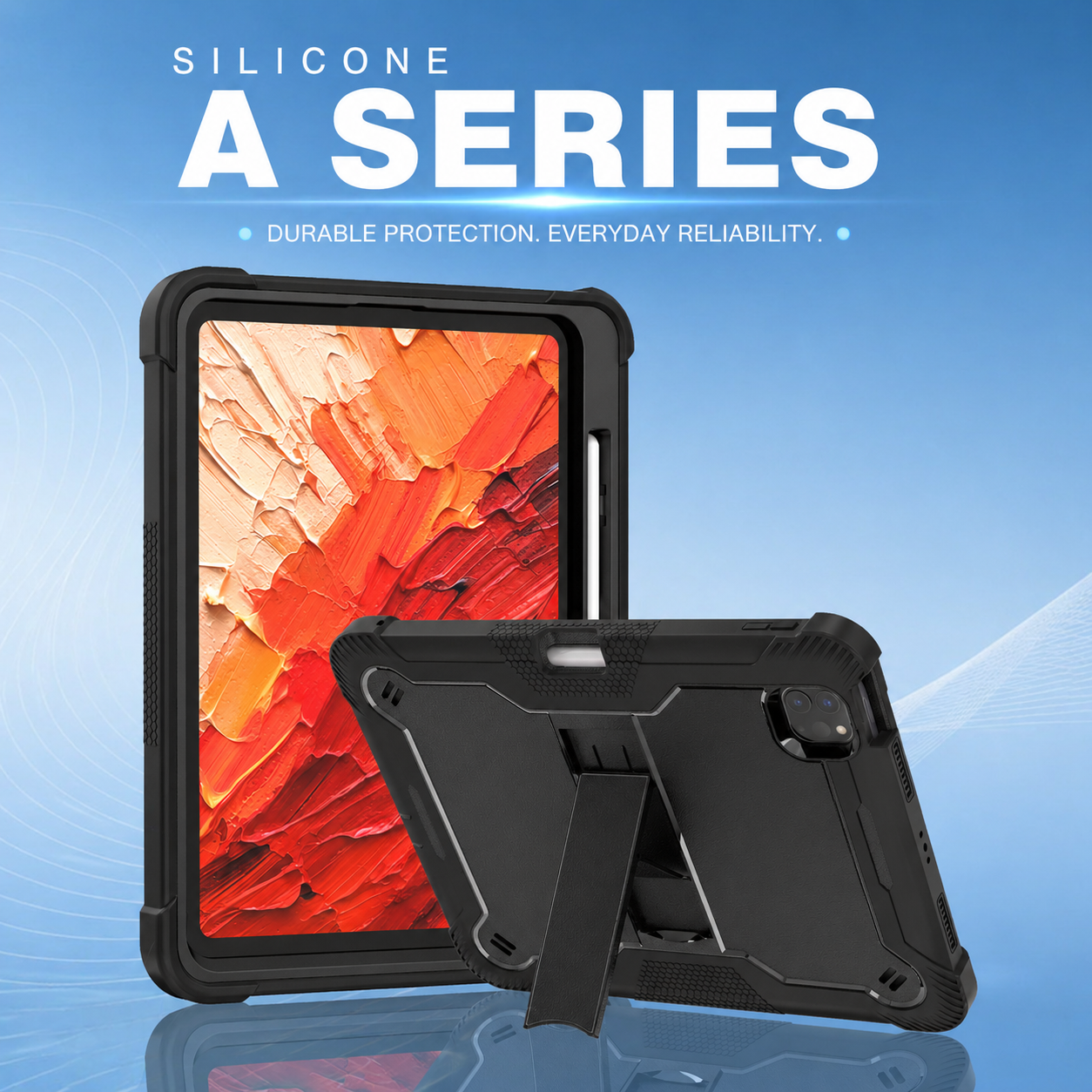
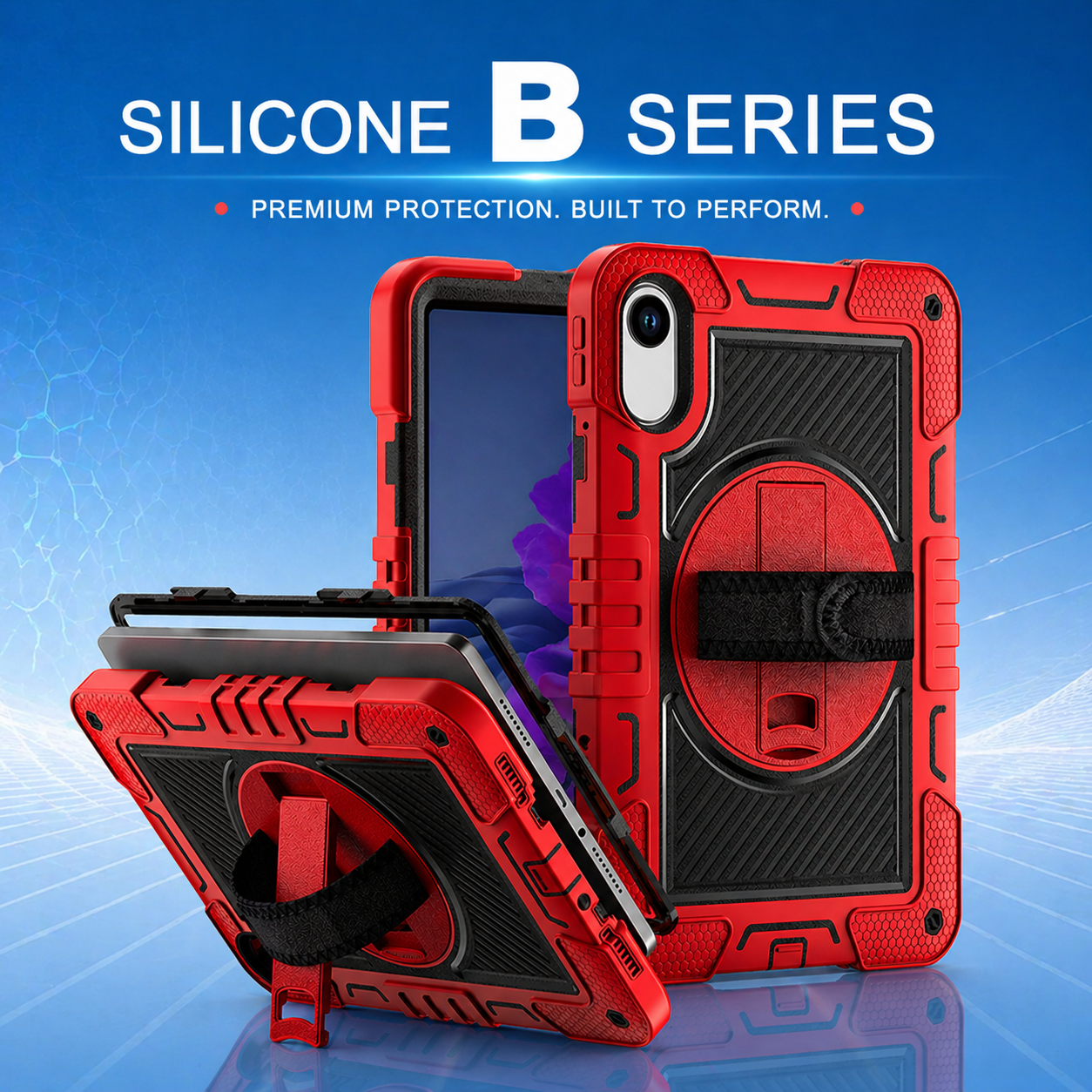
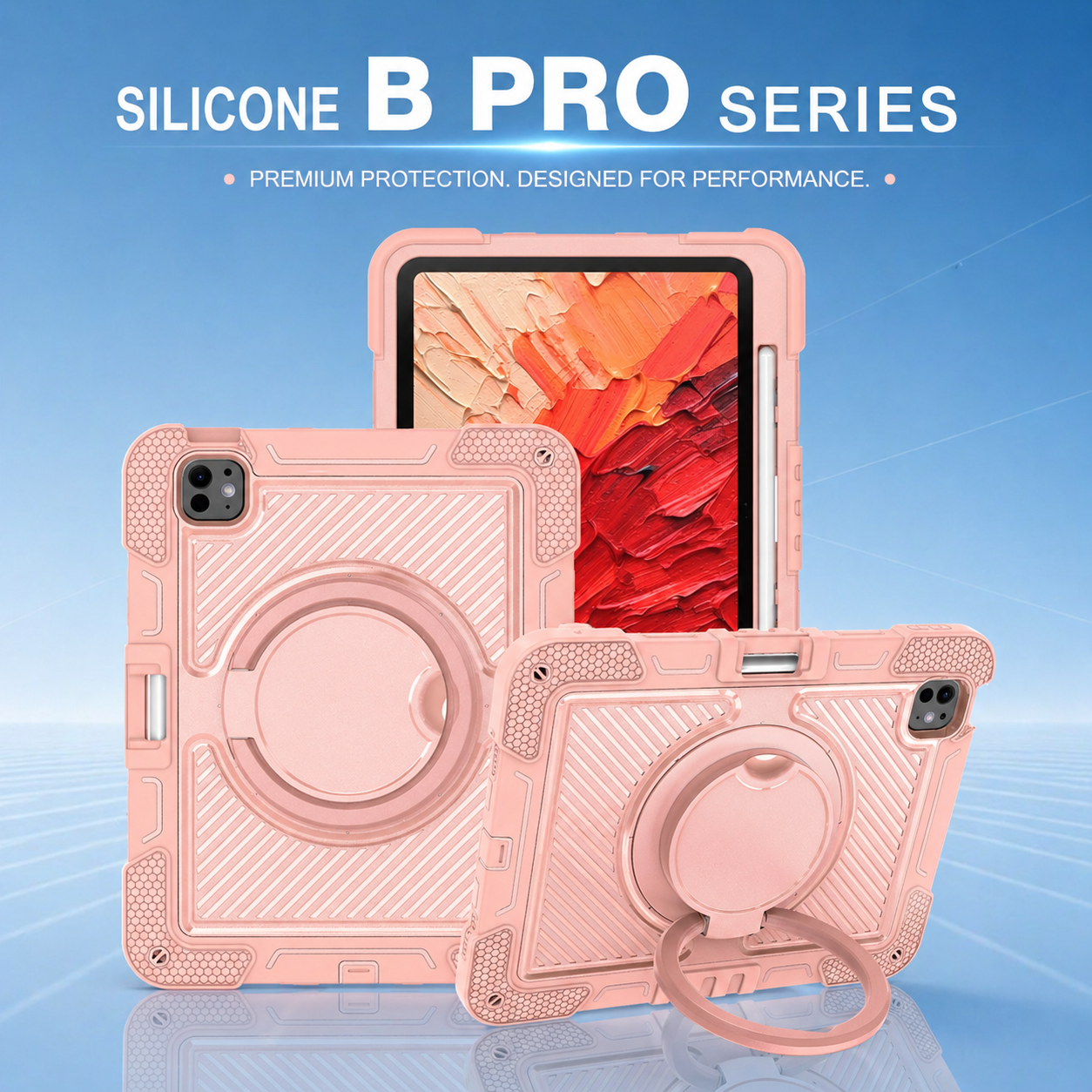
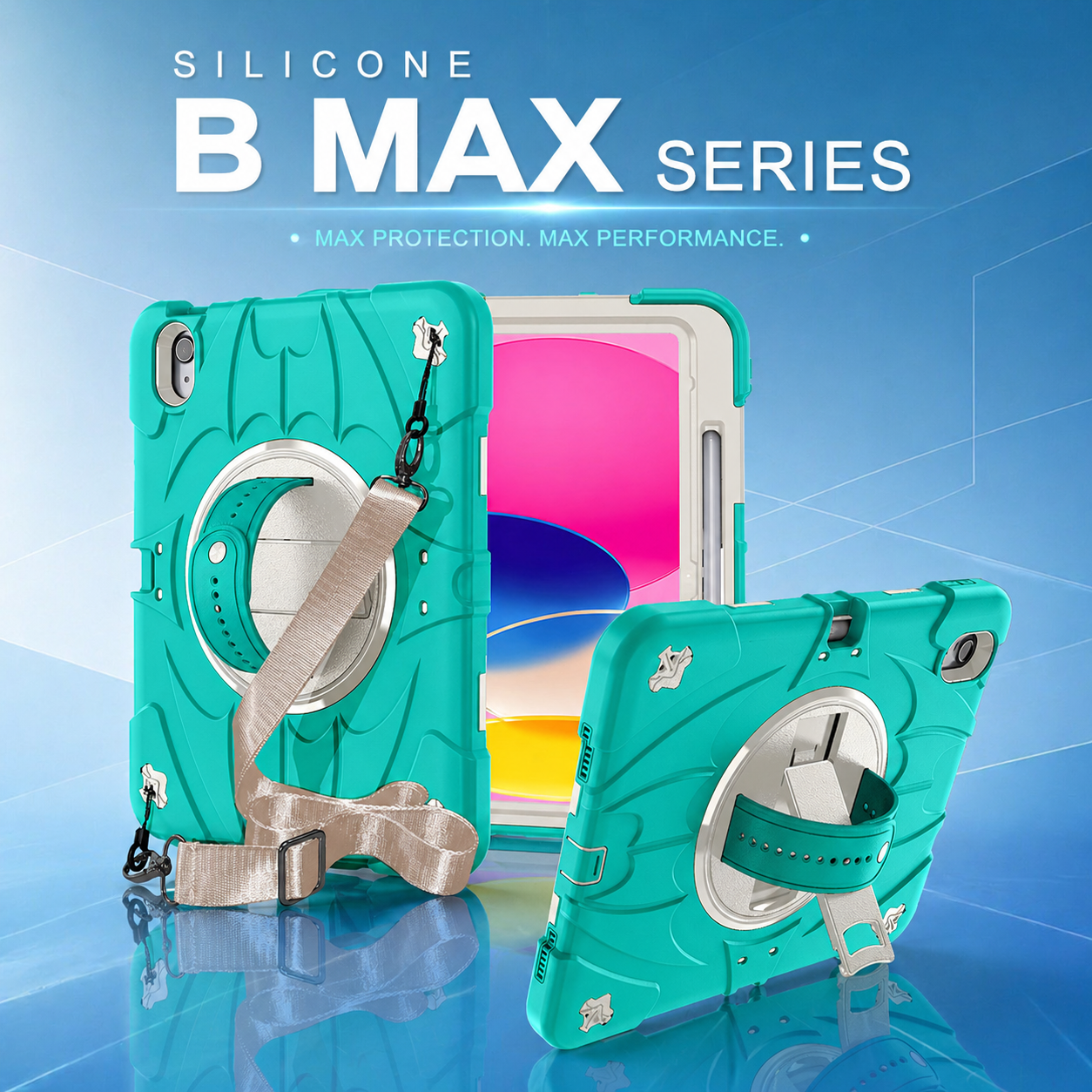
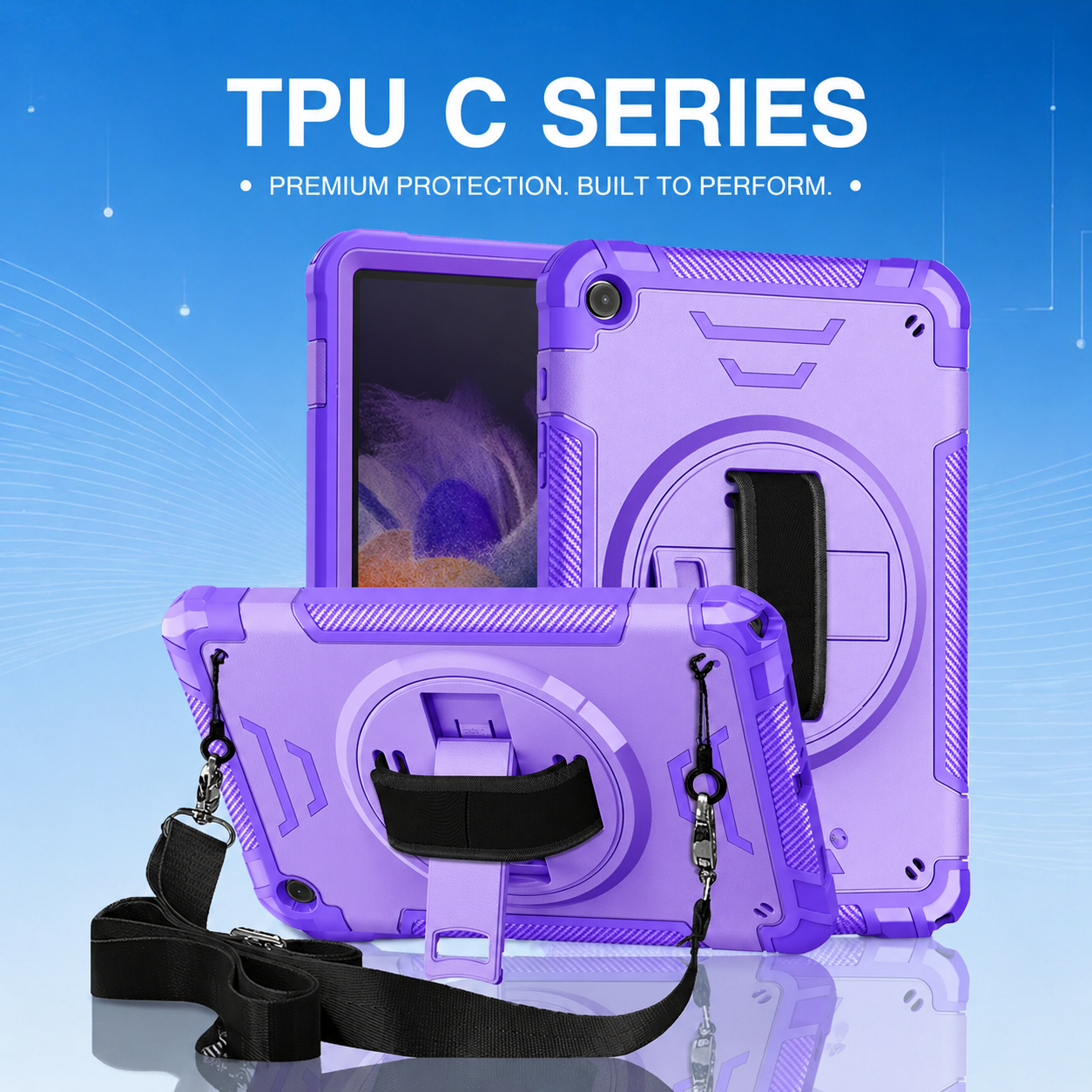
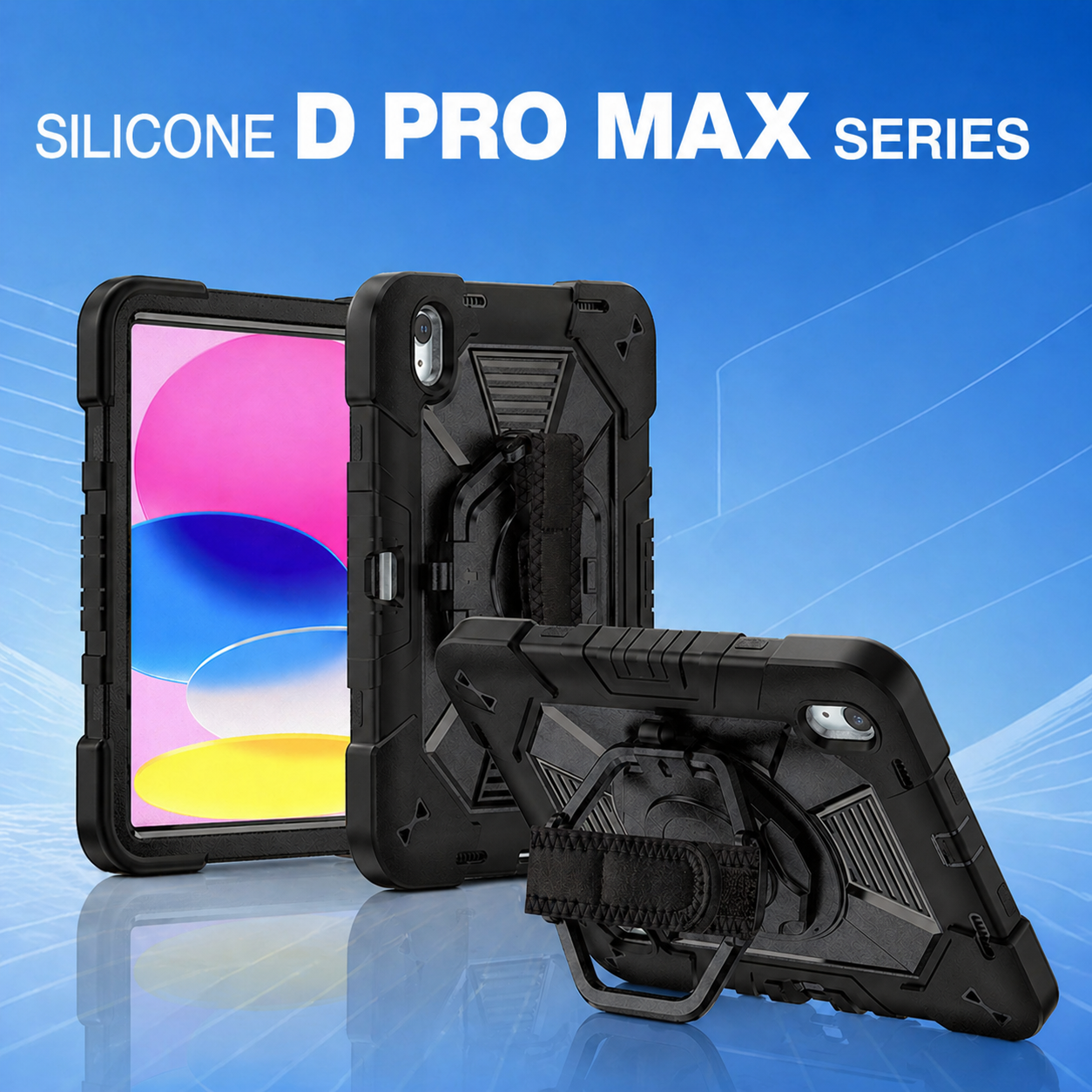
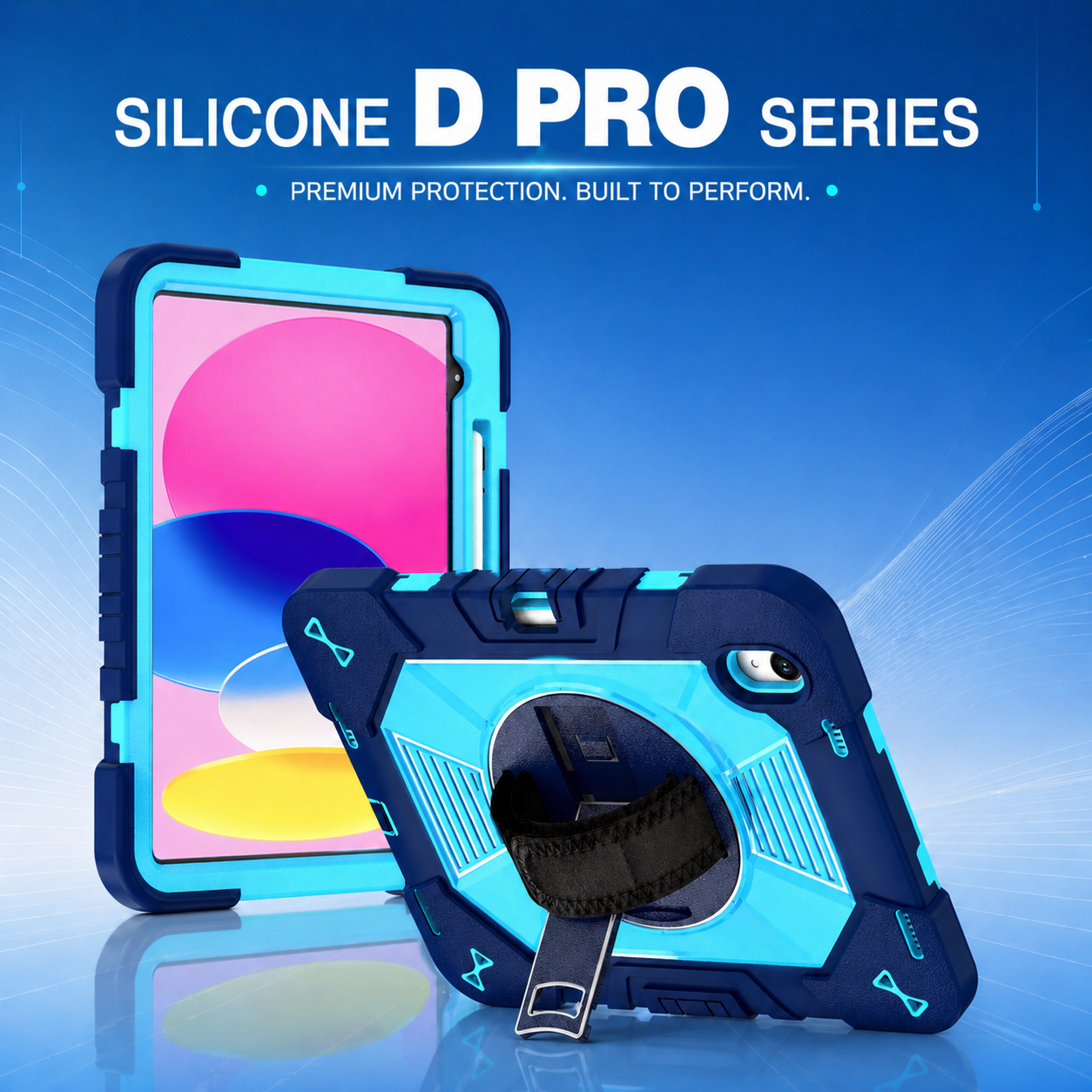
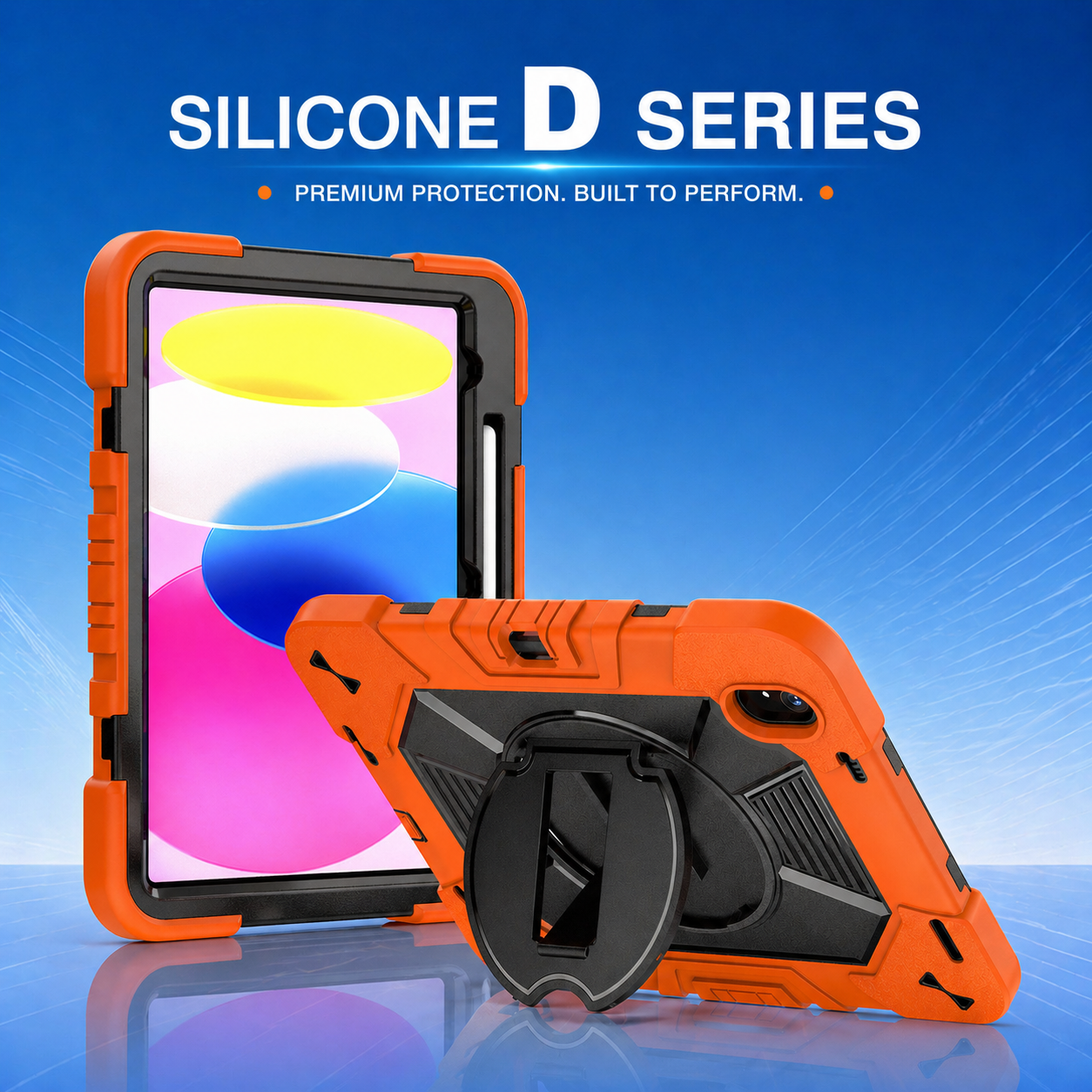

Rugged Tablet Case Manufacturing Industry Overview and Growth Forecast
The rugged tablet protection industry is moving from a narrow accessory category into a strategic part of enterprise mobility. Tablets are now used on factory floors, in warehouses, classrooms, hospitals, service vehicles, construction sites, and public-safety operations. In these settings, a device failure can interrupt workflows, delay customer service, or create replacement costs far beyond the price of the tablet itself. As a result, buyers increasingly evaluate protective cases as operational equipment rather than optional add-ons.
A Market Supported by Enterprise Digitization
Published market forecasts differ because some studies measure rugged tablets, others measure rugged devices, and others cover the broader accessories market. Even so, the direction is consistent. Research and Markets projects the global rugged devices market to grow from about USD 1.4 billion in 2024 to USD 1.8 billion by 2030, while Verified Market Research estimates a mid-single-digit growth rate for rugged tablets into the early 2030s. At the same time, Grand View Research expects enterprise mobility management to expand much faster, indicating that more organizations will manage larger fleets of mobile devices. This widening installed base supports long-term demand for durable protection, mounting, carrying, and productivity accessories.
The strongest opportunity is not simply higher unit volume. It is the shift toward application-specific design. A warehouse may require scanner access, a hand strap, and compatibility with charging carts. A hospital may prioritize wipe-clean surfaces, sealed ports, and low-profile geometry. A school may need drop protection, rounded corners, easy identification, and a stable stand. These differences create room for manufacturers that can translate operating conditions into a complete rugged tablet case specification.
Product Architecture Is Becoming More Specialized
Modern protective products increasingly combine multiple materials and functional layers. A flexible TPU tablet case can absorb impact and improve grip, while rigid polycarbonate components help resist deformation. Silicone outer layers can add cushioning and tactile comfort. Integrated screen frames, port covers, pencil storage, shoulder straps, rotating hand grips, and desk stands turn the case into a workflow tool. The market is therefore shifting from simple shells toward engineered systems that balance protection, usability, weight, cost, and manufacturability.
One visible trend is the demand for a multi angle kickstand tablet case that supports data entry, video communication, training, inspections, and point-of-service work. Stand stability, hinge life, rotation resistance, and viewing-angle control are becoming measurable product requirements. Buyers also expect cameras, microphones, barcode readers, NFC areas, speakers, and charging interfaces to remain fully accessible. This raises the value of precise tooling and disciplined tolerance management.
Growth Drivers Across Major Customer Segments
Manufacturing and logistics remain core demand centers because tablets are exposed to drops, vibration, dust, oil, gloves, and repeated handling. Field service teams need portable protection that can transition between vehicles, outdoor sites, and customer premises. Education buyers focus on total cost of ownership because large fleets are shared by students and repaired through centralized programs. Healthcare organizations require cases that support frequent cleaning and secure handling. Retail, hospitality, and public-sector deployments add further demand for stands, straps, mounts, and branded configurations.
Competitive Factors for Manufacturers
Price remains important, but it is rarely the only decision factor in business-to-business sourcing. Buyers increasingly compare material consistency, drop-test methods, dimensional accuracy, hinge durability, surface finish, odor control, packaging reliability, production capacity, and response speed. They also evaluate whether a supplier can support several tablet generations and maintain compatible accessory ecosystems.
Strong manufacturers typically connect product design, mold engineering, injection molding, silicone processing, assembly, inspection, and packaging under a controlled workflow. Early design-for-manufacturing review helps prevent weak clips, thin impact zones, blocked antennas, unstable stands, and difficult assembly. Sample validation should include repeated installation, functional button checks, port alignment, stand cycling, grip testing, and realistic drop scenarios. Clear quality documentation becomes especially valuable when products are sold through distributors or deployed across multiple countries.
Forecast: Moderate Market Growth, Faster Value Growth
Through 2030 and beyond, the market is likely to expand at a moderate unit rate while value grows faster in customized and multifunctional segments. Standard protective shells will remain competitive and price sensitive. Higher-value growth will come from hybrid materials, modular accessories, enterprise branding, mounting systems, antimicrobial-friendly surfaces, repairable components, and designs tailored to specific workflows. Device refresh cycles will also create recurring tooling and redevelopment demand.
Manufacturers should prepare for shorter product windows and more fragmented tablet portfolios. Modular stands, reusable strap systems, accurate drawings, fast prototypes, and transparent lead times can reduce development risk. Sustainability will also influence materials, packaging, and replaceable components.
Strategic Outlook
The industry’s long-term opportunity rests on a simple reality: mobile devices are becoming more important in environments where they are most likely to be damaged. Protection must therefore improve without making the tablet difficult to carry, clean, charge, or operate. Manufacturers that understand both mechanical protection and customer workflows will be positioned to capture the most durable growth.
The next stage of industry development will be shaped by hybrid material engineering and layered construction, where protection performance is designed into every component rather than added as an afterthought.
40 Related SEO Terms
Product Terms
Rugged Tablet Case
TPU Tablet Case
PC Silicone Tablet Case
Kids Education Tablet Case
Heavy Duty Rugged Case
Three-Layer Rugged Tablet Case
Full Body Protective Tablet Case
Shockproof iPad Tablet Case
Multi-Angle Kickstand Tablet Case
Tablet Accessories
Device Protection
Enterprise Device Protection
Industrial Tablet Accessories
Custom Tablet Case
Manufacturing and Service Terms
Tablet Protection Solution
Tablet Case Manufacturer
OEM Tablet Case
ODM Manufacturer
Tablet Accessory Supplier
Tablet Case Supplier
Private Label Manufacturer
B2B Supplier
Technology Manufacturing
China Manufacturer
Manufacturing Partner
Supply Chain Solution
Hardware Innovation
Product Development
Customer and Application Terms
Industrial Tablet Solution
Enterprise Mobility
Education Technology
Healthcare Technology
Warehouse Technology
Logistics Solution
Field Service Technology
Mobile Workforce
Digital Transformation
Business Technology
Industrial Solutions
Smart Workplace






.png)
+86 13422271740
.png)
info@tongmeitech.com
.png)
No. 34, Mashe Section, Guihe Road, Lishui Town, Foshan, Guangdong, China