- 1
- BLACKL
- TABLETAPPLE iPad Mini 8NEW iPad A16(2025) iPad 10.9" 10th (2022) iPad 10.2" (7th/8th/9th) iPad Air 13" (M2/M3/M4)(2024/2025/2026)NEW iPad Air 11" (M2/M3/M4)(2024/2025/2026)NEW iPad Mini 8.3" (A7 Pro/6th Gen) iPad Pro13"(M4/M5)(2024/2025) iPad Pro11"(M4/M5)(2026) iPad 9.7" (5th/6th Gen) iPad Pro 12.9"(2018-2022) iPad Pro 11"(2018-2022) iPad 9.7"(2th/3th/4th) iPad Air 10.9"(4th/5th Gen) iPad Mini 7.9"(4th/5th Gen)SAMSUNG Galaxy Tab A11 Galaxy Tab A11 Plus Galaxy Tab S11 Galaxy Tab S12 PlusNEW Galaxy Tab S12 UltraNEW Galaxy Tab A9+ Galaxy Tab A9 Galaxy Tab A8 Galaxy Tab A7 Galaxy Tab A7 Lite Galaxy Tab S11 Ultra/S10 Ultra/S9 Ultra/S8 Ultra Galaxy Tab S10+/S9+/S9 FE+ Galaxy Tab S10Lite/S10 FE/S9 FE/S9 Galaxy Tab S8+/S7+/S7 FE Galaxy Tab S8/S7 Galaxy Tab S6 lite Galaxy Tab A10.1 Galaxy Tab A8.4 Galaxy Tab A8.0 Galaxy Tab S10 FE+LENOVO iDea tab 11/Tab K11 Gen 2 /Xiaoxin Pad 11 2025 Lenovo Tab K9 (Tab One) 2025 Lenovo Tab M10 10.1"(2025) Lenovo Tab M10 Plus 10.6" (3rd Gen) Lenovo Tab M10 HD 10.1" (3rd Gen) Lenovo K10/M10 Plus 10.3" (2nd Gen) Lenovo Tab M10 HD 10.1" (2nd Gen)XIAOMI Redmi Pad 2 9.7 InchNEW Xiaomi Pad8/8Pro 11.2" Redmi Pad2/Pad2.4G Xiaomi Pad 6/6 Pro 11" Redmi Pad 10.61" Redmi Pad Se 11" Redmi pad Se 4G 8.7" Xiaomi Pad7/7 Pro 11.2" Redmi Pad Pro/Xiaomi Poco Pad/Redmi Pad2 Pro 12.1HUAWEI Huawei Matepad Se 10.4" Huawei Matepad 11" Huawei Matepad 11.5" Huawei Matepad SE 11" Huawei Matepad T8 8" Huawei Matepad T10 9.7"
- CATEGORIES
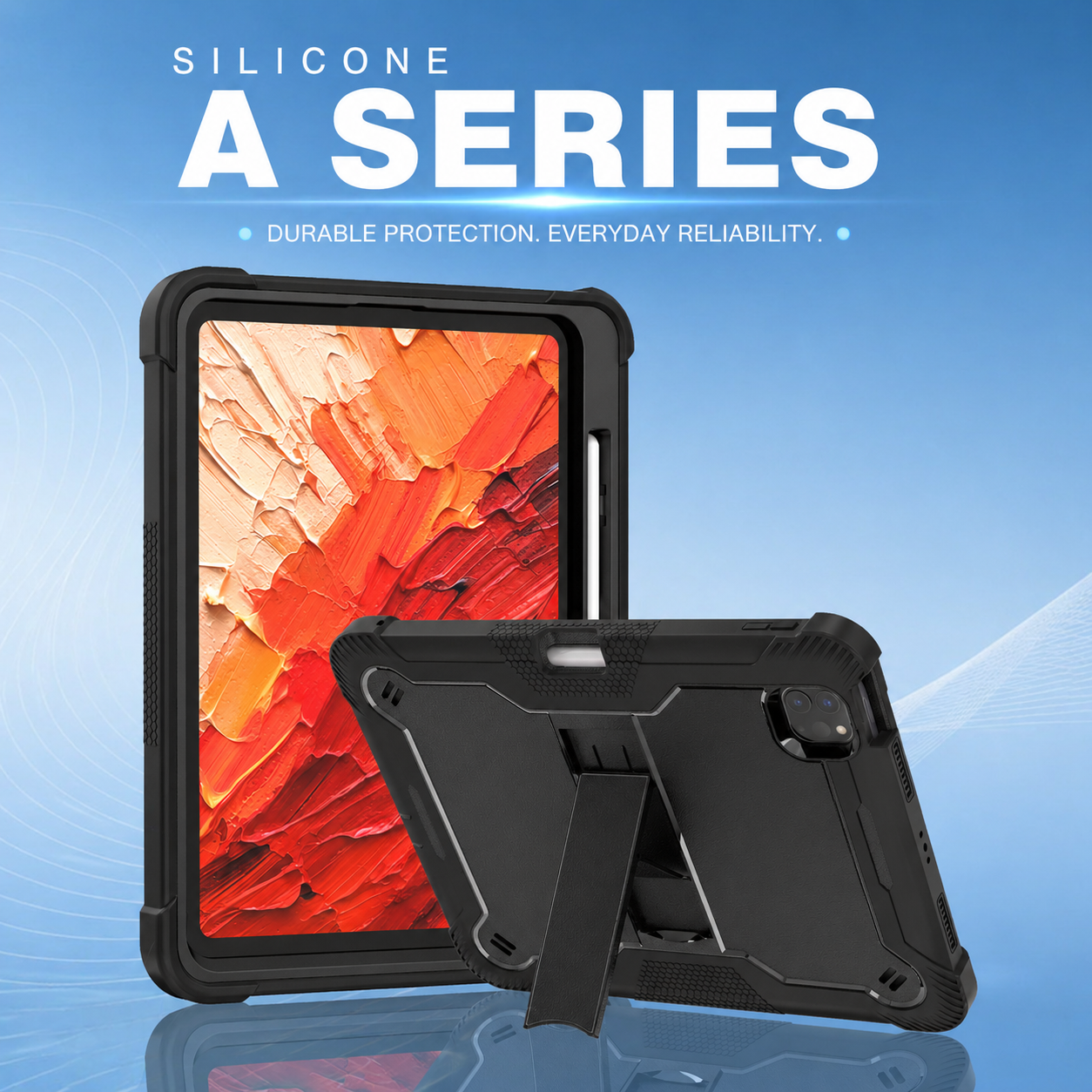
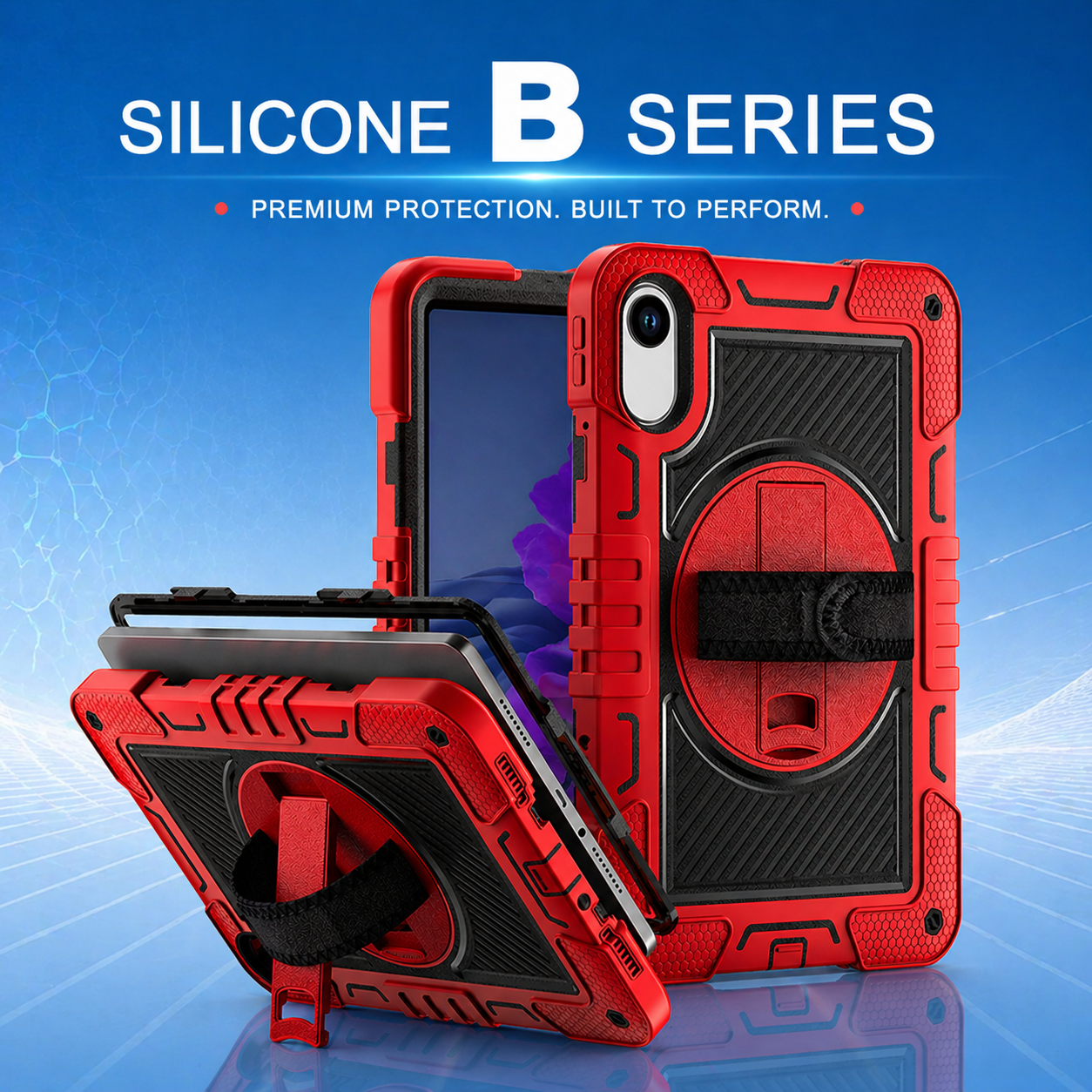
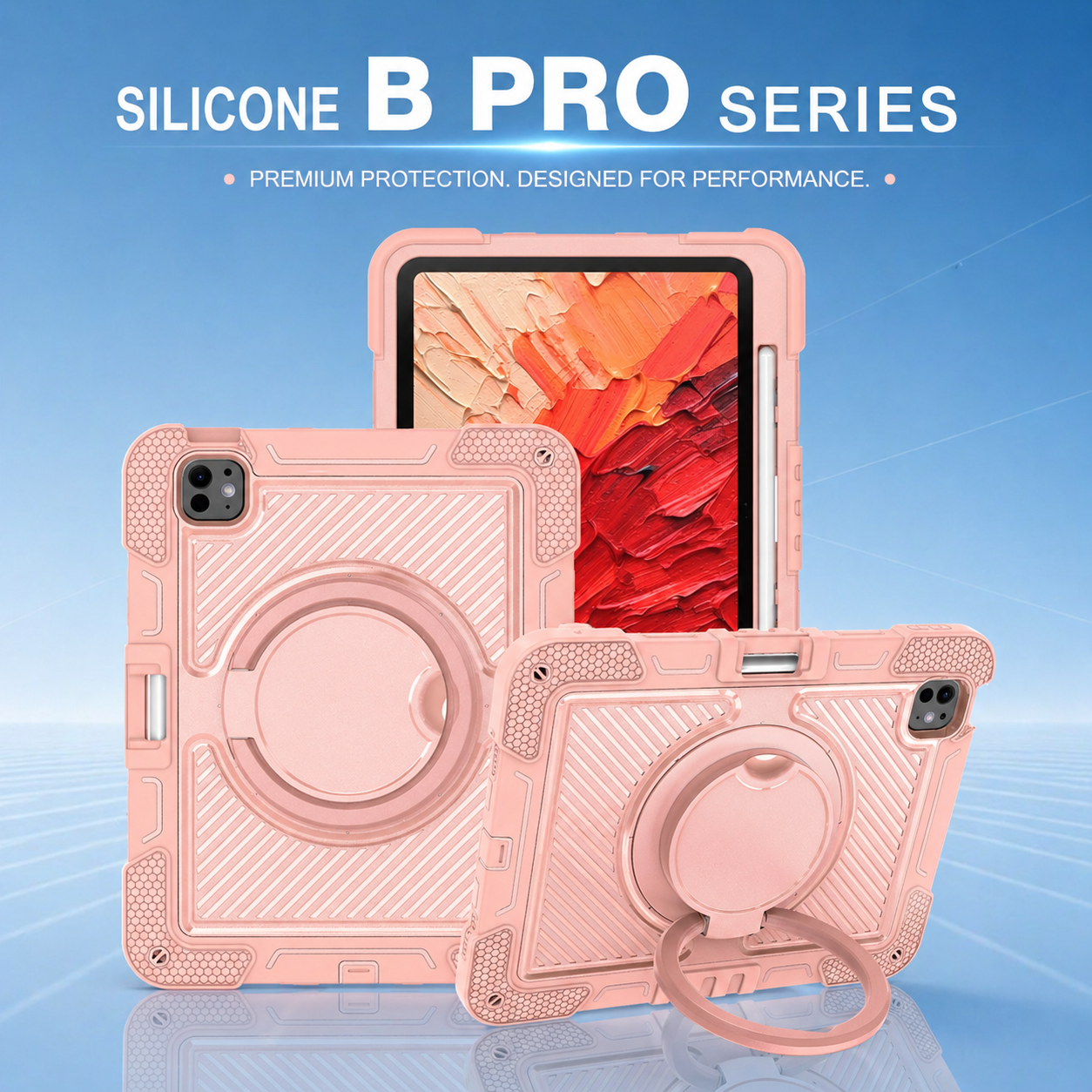
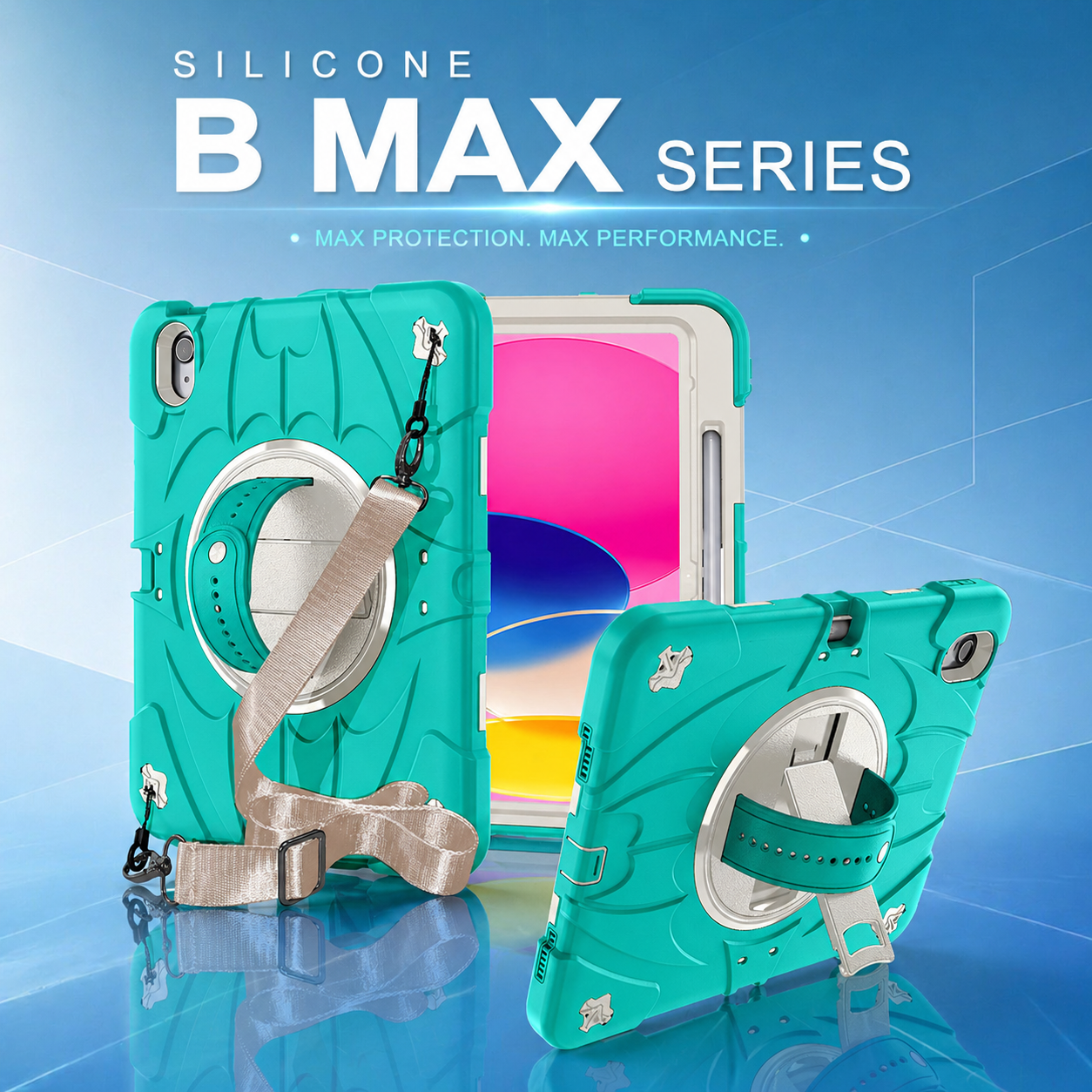
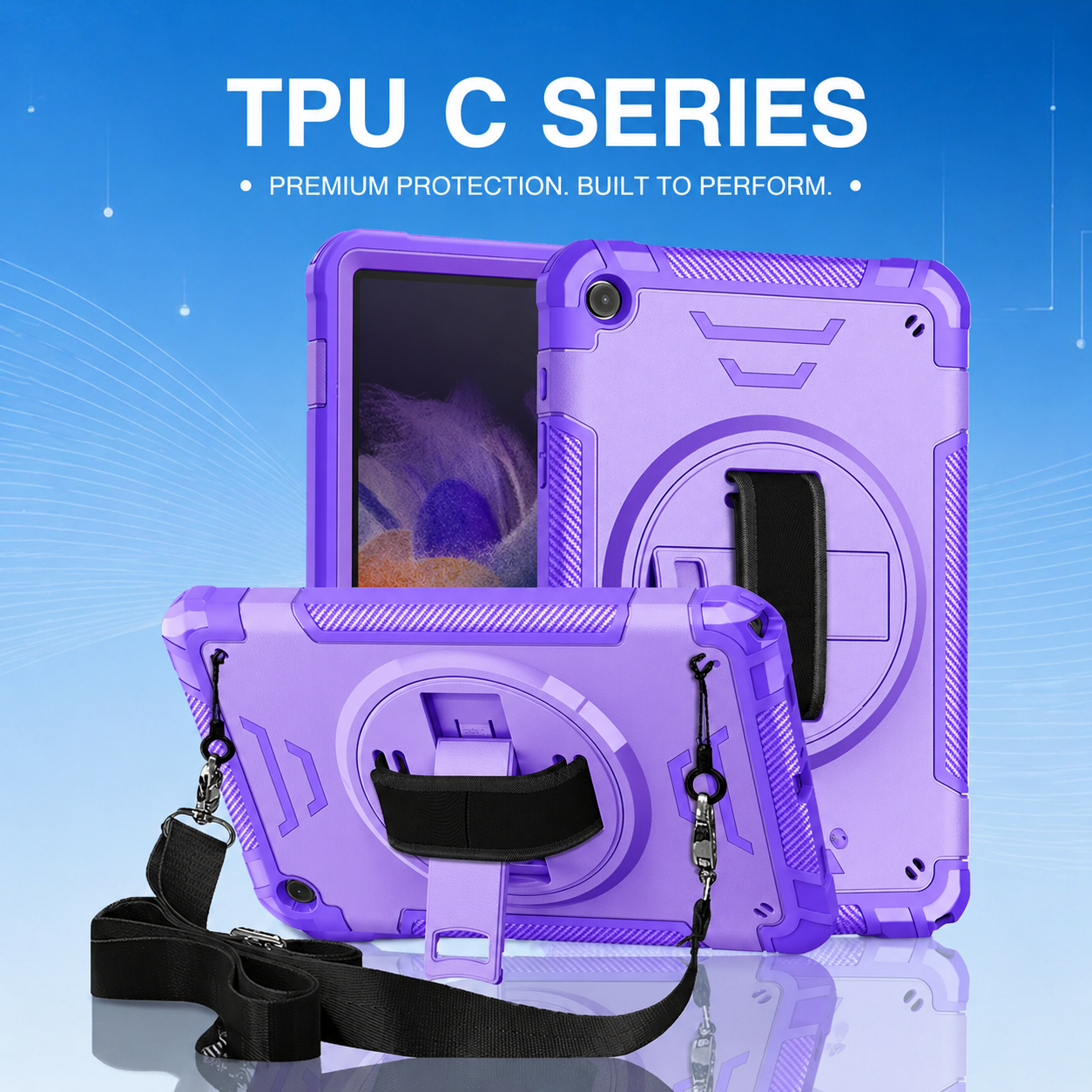
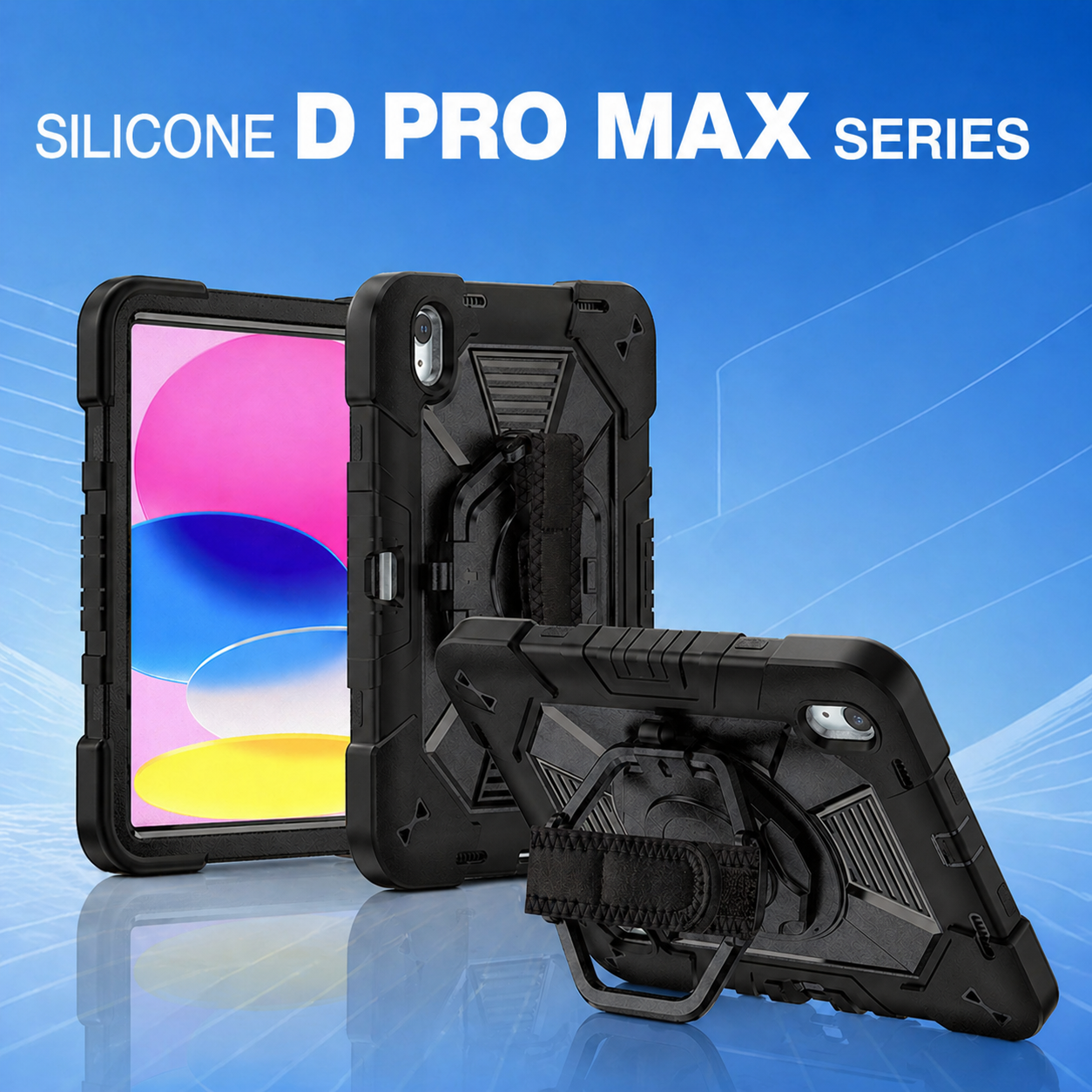
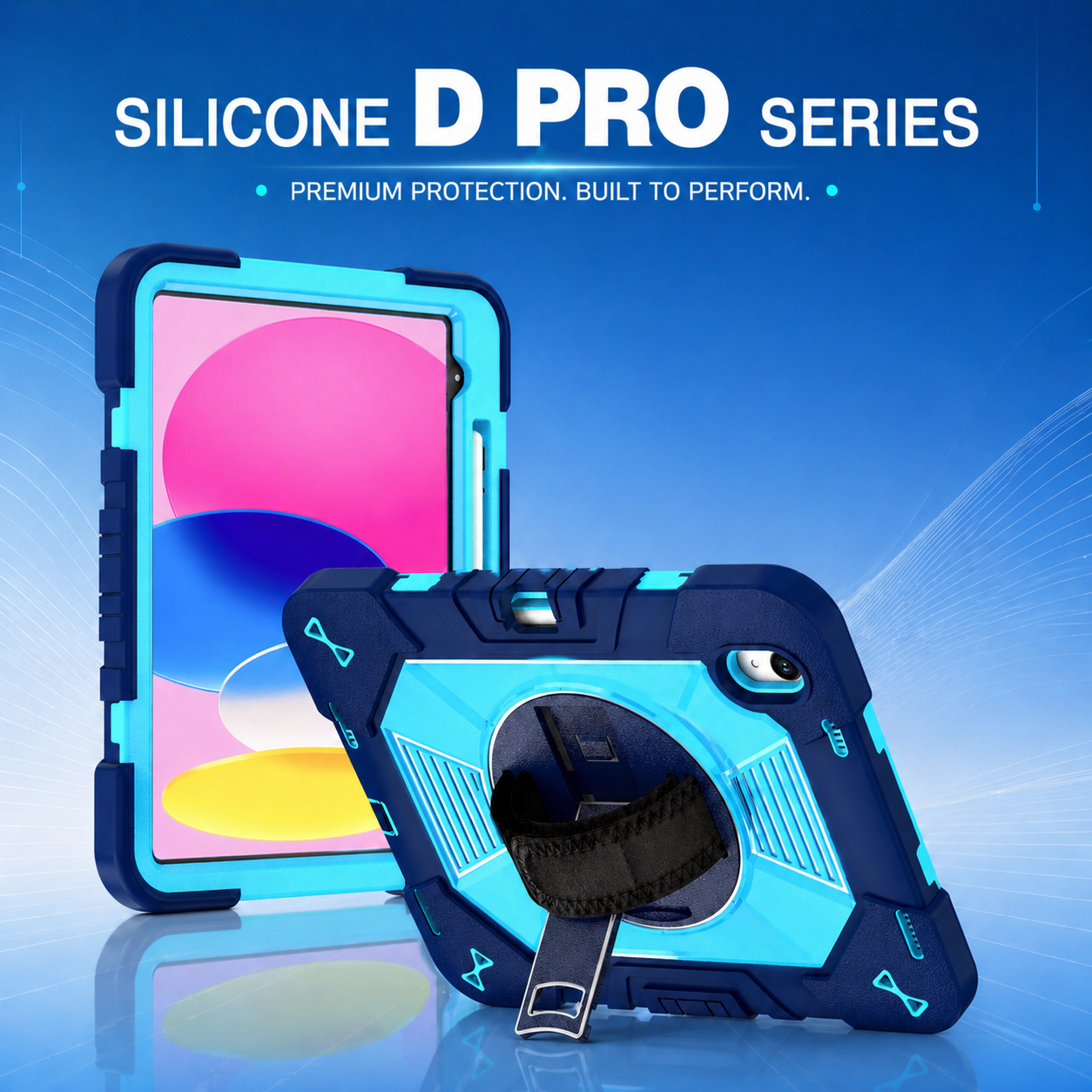
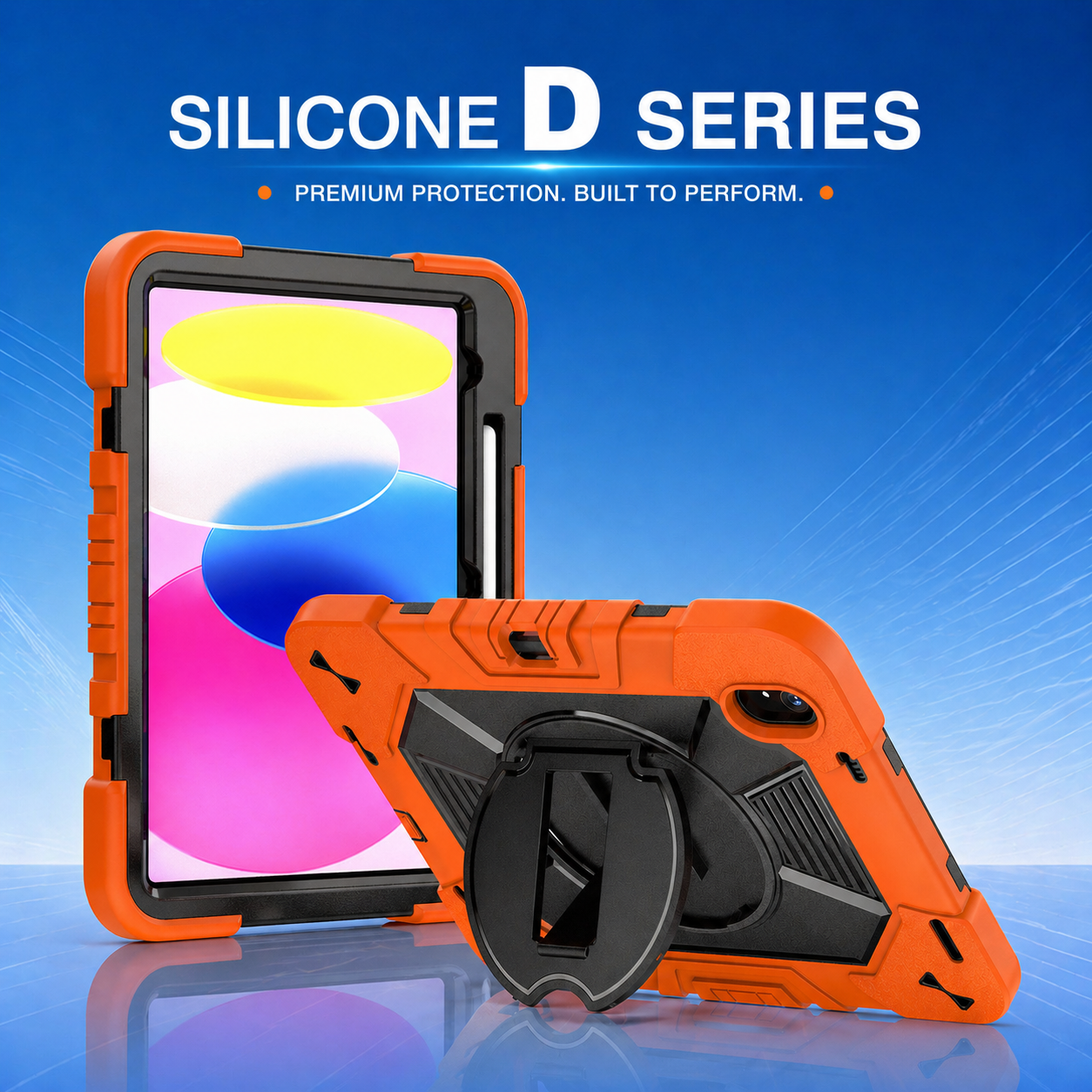

Industry-Specific Rugged Tablet Cases for Education, Healthcare, and Logistics
A rugged tablet case should reflect the environment in which it will be used. Schools need simple handling and child-friendly protection. Healthcare organizations need cleanable surfaces and reliable access to clinical applications. Warehouses and logistics teams need grip, mounting, scanning clearance, and resistance to repeated drops. Although the same tablet model may appear in all three industries, the best case design can be very different.
1. Education: Safety, Simplicity, and Shared Use
Protection for young users
A kids education tablet case should use rounded edges, strong corner cushioning, and a stable carrying solution. The case needs to survive desk-height drops, backpack pressure, and frequent movement between classrooms and homes. Bright custom colors can help schools organize devices by grade or class, while molded labels and asset windows simplify inventory control.
Easy viewing and classroom interaction
Students use tablets for reading, video lessons, drawing, typing, and group activities. A stand should support comfortable viewing without becoming a fragile protrusion. Handles can also serve as stands when designed correctly. The structure must remain easy for teachers to open, clean, and inspect, especially in large shared-device programs.
2. Healthcare: Cleanability and Dependable Access
Surface design and cleaning compatibility
Healthcare cases should minimize deep seams and unnecessary texture where residue can collect. Buyers need to share their approved cleaning agents and frequency with the manufacturer so that the selected polymer can be evaluated for discoloration, swelling, cracking, or loss of grip. Removable straps may improve cleaning access, but the attachment mechanism must remain secure after repeated cycles.
Clinical workflow support
Clinicians may carry a tablet between patient rooms, medication carts, and documentation stations. A rotating hand strap can support one-handed use, while a shoulder strap keeps both hands available. Cameras, microphones, smart connectors, and barcode-scanning accessories must remain unobstructed. In this setting, protection is valuable only when the case does not interrupt care.
3. Warehousing and Logistics: Grip, Scanning, and Mobility
Drop resistance in fast-moving operations
Warehouse devices are exposed to concrete floors, metal shelving, carts, loading docks, and vehicle vibration. A shockproof iPad tablet case can combine reinforced corners, a rigid support frame, and an energy-absorbing outer layer. The design should also protect the screen edge without interfering with scanning gestures or gloves.
Mounting and hands-free operation
Logistics teams may move between handheld use, forklift mounts, desktop stations, and charging cabinets. Strap anchors, stand geometry, and rear mounting zones should be planned around these transitions. A case that is secure in the hand but incompatible with the charging system can create daily delays across hundreds of devices.
4. Field Service: Versatility Outside Controlled Spaces
Changing work positions
Field technicians may read instructions while standing, enter data in a vehicle, take photographs, and present results to customers. A multi angle kickstand tablet case provides more flexibility than a single fixed position, but the hinge must resist dust, repeated opening, and pressure from touchscreen use. The stand should lock clearly and fold flat for carrying.
Accessory integration
Stylus storage, shoulder straps, hand straps, and port covers should be treated as part of the product system. Loose accessories are easy to lose and may interfere with tools or protective clothing. An OEM design can place these elements where they support the workflow while preserving balance and device access.
5. Converting Industry Needs into a Manufacturing Specification
Define measurable requirements
Statements such as “strong,” “childproof,” or “hospital grade” are too vague for product development. Buyers should specify target drop height, cleaning agents, stand angles, strap load, approved peripherals, packaging format, and expected service life. These requirements allow the manufacturer to select materials, build prototypes, and test against clear acceptance criteria.
Use pilots before scaling
A pilot program should include real users from the intended environment. Teachers, clinicians, warehouse associates, IT teams, and repair staff often identify different issues. Their feedback can reveal grip problems, blocked cameras, unstable stands, difficult cleaning, or charging conflicts before mass production begins.
From Industry Fit to Supplier Evaluation
Industry-specific design improves adoption, protects devices, and reduces operational friction. The final step is selecting a supplier that can turn these requirements into stable production. The next article explains how to evaluate engineering capability, quality systems, tooling, communication, capacity, and long-term support when choosing an OEM rugged tablet case manufacturer.






.png)
+86 13422271740
.png)
info@tongmeitech.com
.png)
No. 34, Mashe Section, Guihe Road, Lishui Town, Foshan, Guangdong, China