- 1
- BLACKL
- TABLETAPPLE iPad Mini 8NEW iPad A16(2025) iPad 10.9" 10th (2022) iPad 10.2" (7th/8th/9th) iPad Air 13" (M2/M3/M4)(2024/2025/2026)NEW iPad Air 11" (M2/M3/M4)(2024/2025/2026)NEW iPad Mini 8.3" (A7 Pro/6th Gen) iPad Pro13"(M4/M5)(2024/2025) iPad Pro11"(M4/M5)(2026) iPad 9.7" (5th/6th Gen) iPad Pro 12.9"(2018-2022) iPad Pro 11"(2018-2022) iPad 9.7"(2th/3th/4th) iPad Air 10.9"(4th/5th Gen) iPad Mini 7.9"(4th/5th Gen)SAMSUNG Galaxy Tab A11 Galaxy Tab A11 Plus Galaxy Tab S11 Galaxy Tab S12 PlusNEW Galaxy Tab S12 UltraNEW Galaxy Tab A9+ Galaxy Tab A9 Galaxy Tab A8 Galaxy Tab A7 Galaxy Tab A7 Lite Galaxy Tab S11 Ultra/S10 Ultra/S9 Ultra/S8 Ultra Galaxy Tab S10+/S9+/S9 FE+ Galaxy Tab S10Lite/S10 FE/S9 FE/S9 Galaxy Tab S8+/S7+/S7 FE Galaxy Tab S8/S7 Galaxy Tab S6 lite Galaxy Tab A10.1 Galaxy Tab A8.4 Galaxy Tab A8.0 Galaxy Tab S10 FE+LENOVO iDea tab 11/Tab K11 Gen 2 /Xiaoxin Pad 11 2025 Lenovo Tab K9 (Tab One) 2025 Lenovo Tab M10 10.1"(2025) Lenovo Tab M10 Plus 10.6" (3rd Gen) Lenovo Tab M10 HD 10.1" (3rd Gen) Lenovo K10/M10 Plus 10.3" (2nd Gen) Lenovo Tab M10 HD 10.1" (2nd Gen)XIAOMI Redmi Pad 2 9.7 InchNEW Xiaomi Pad8/8Pro 11.2" Redmi Pad2/Pad2.4G Xiaomi Pad 6/6 Pro 11" Redmi Pad 10.61" Redmi Pad Se 11" Redmi pad Se 4G 8.7" Xiaomi Pad7/7 Pro 11.2" Redmi Pad Pro/Xiaomi Poco Pad/Redmi Pad2 Pro 12.1HUAWEI Huawei Matepad Se 10.4" Huawei Matepad 11" Huawei Matepad 11.5" Huawei Matepad SE 11" Huawei Matepad T8 8" Huawei Matepad T10 9.7"
- CATEGORIES
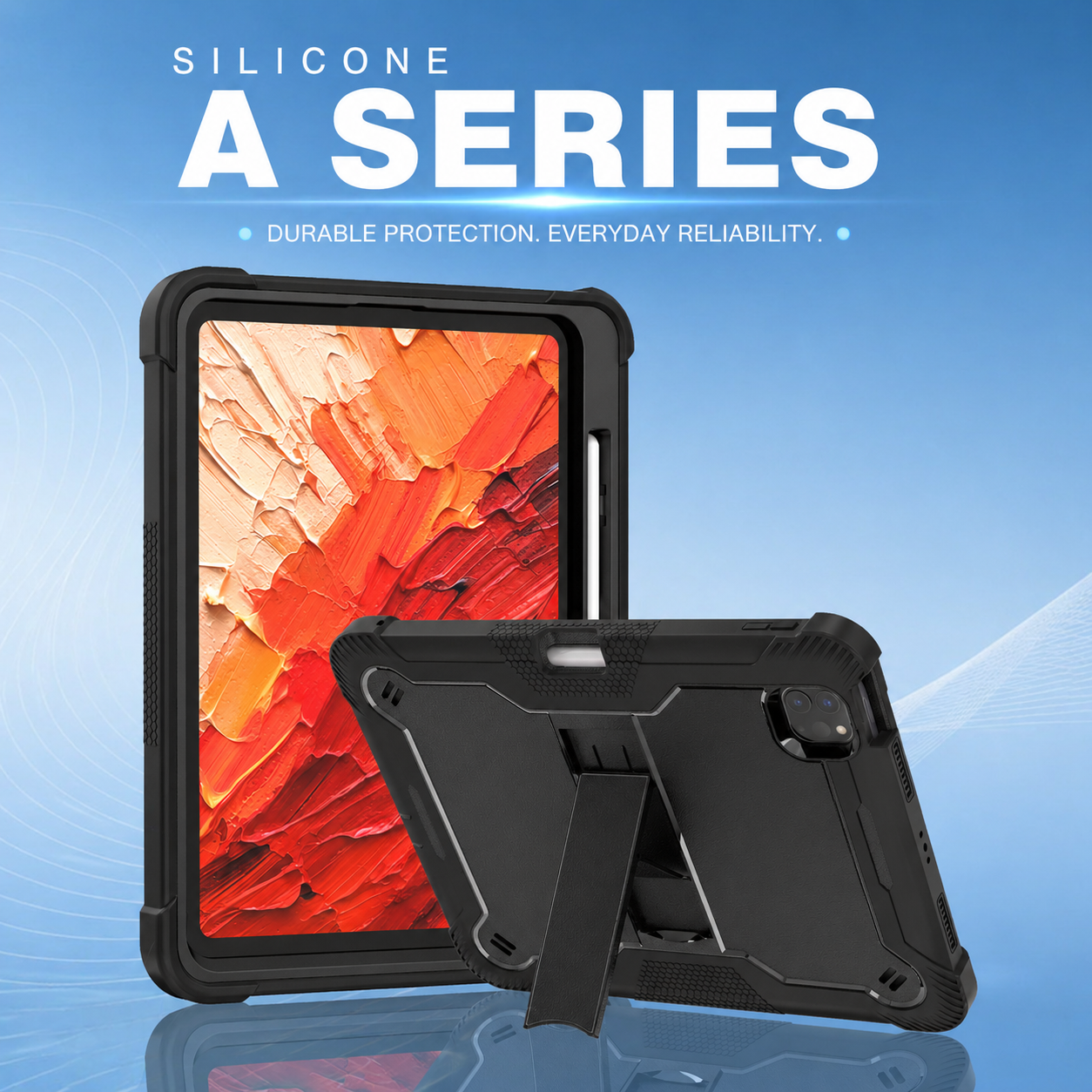
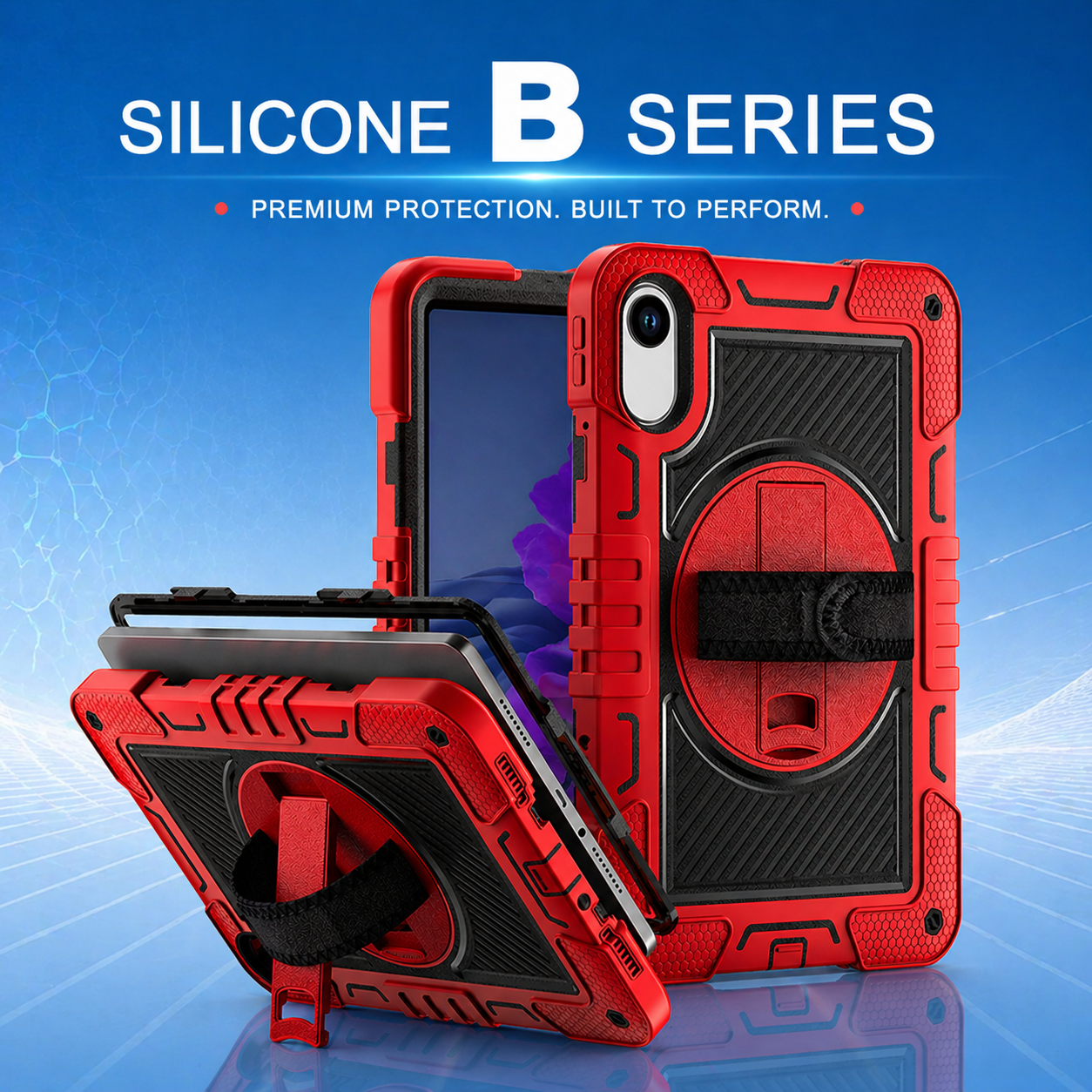
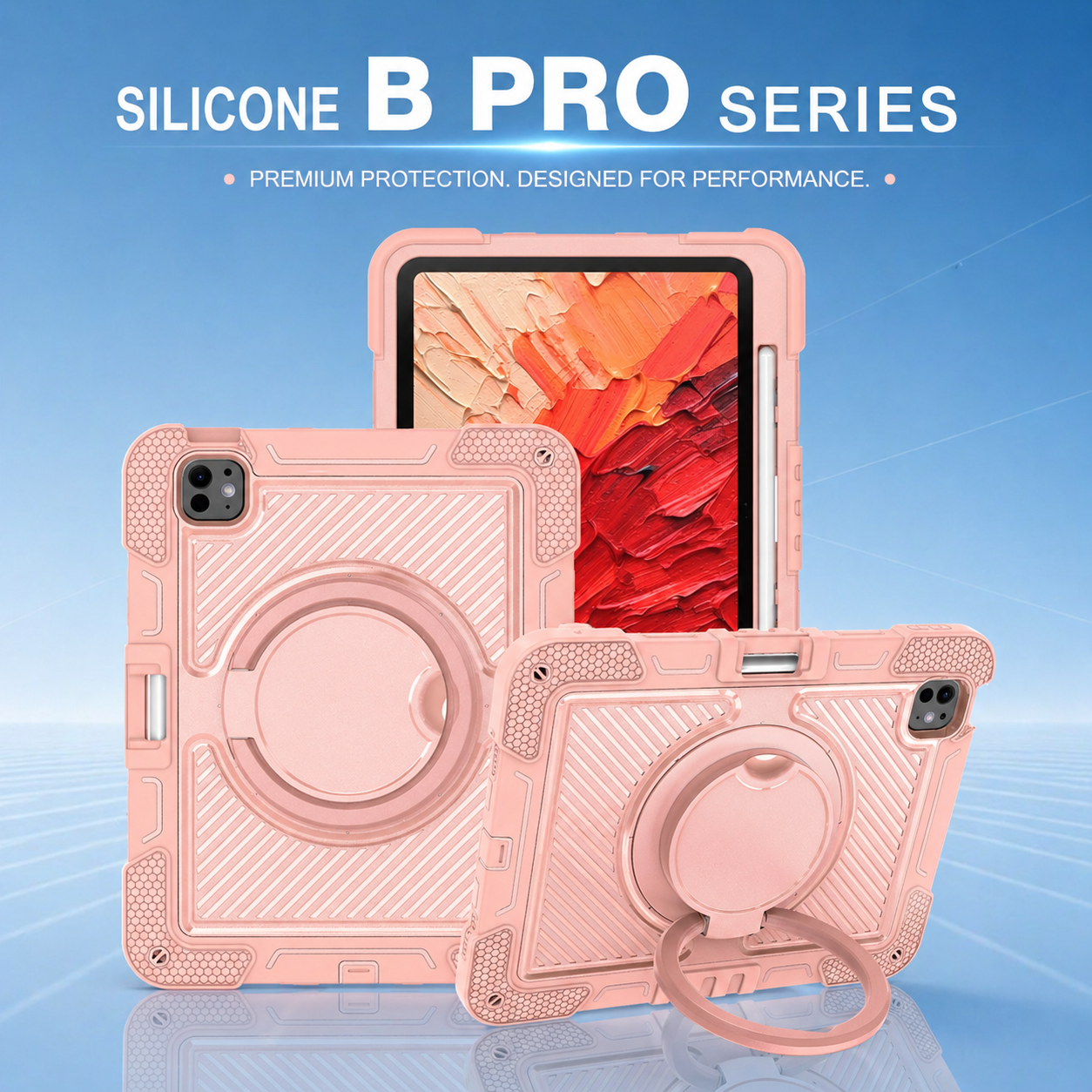
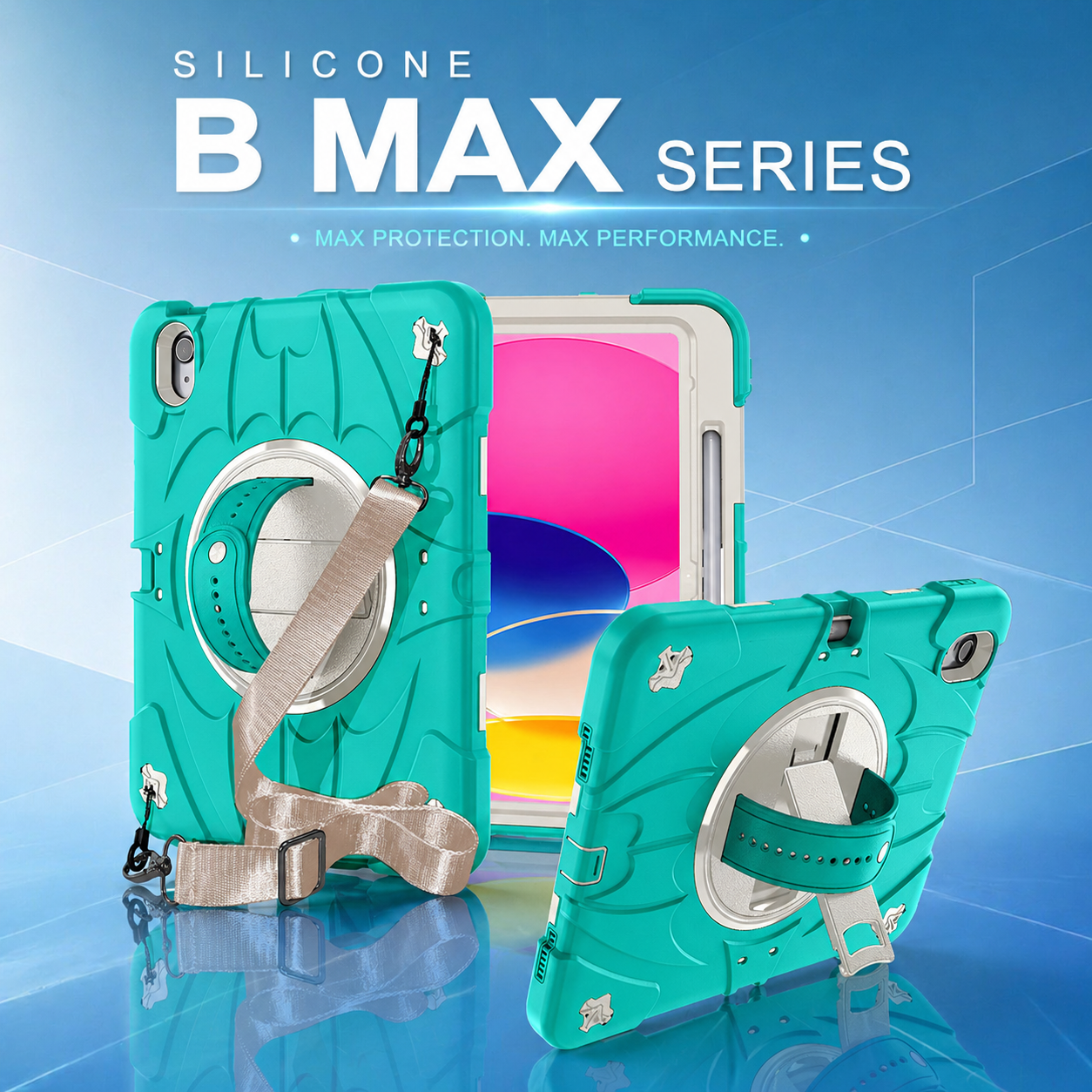
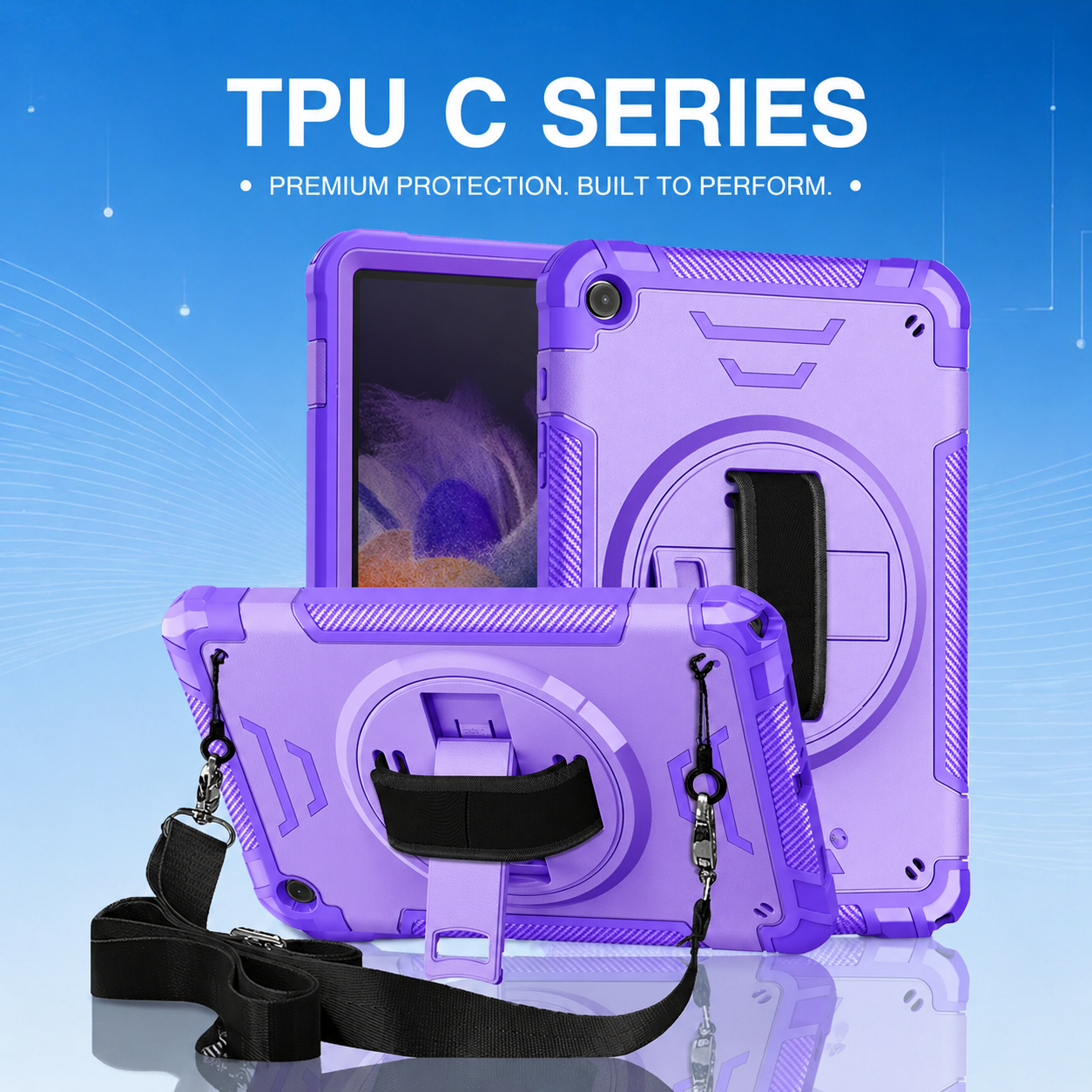
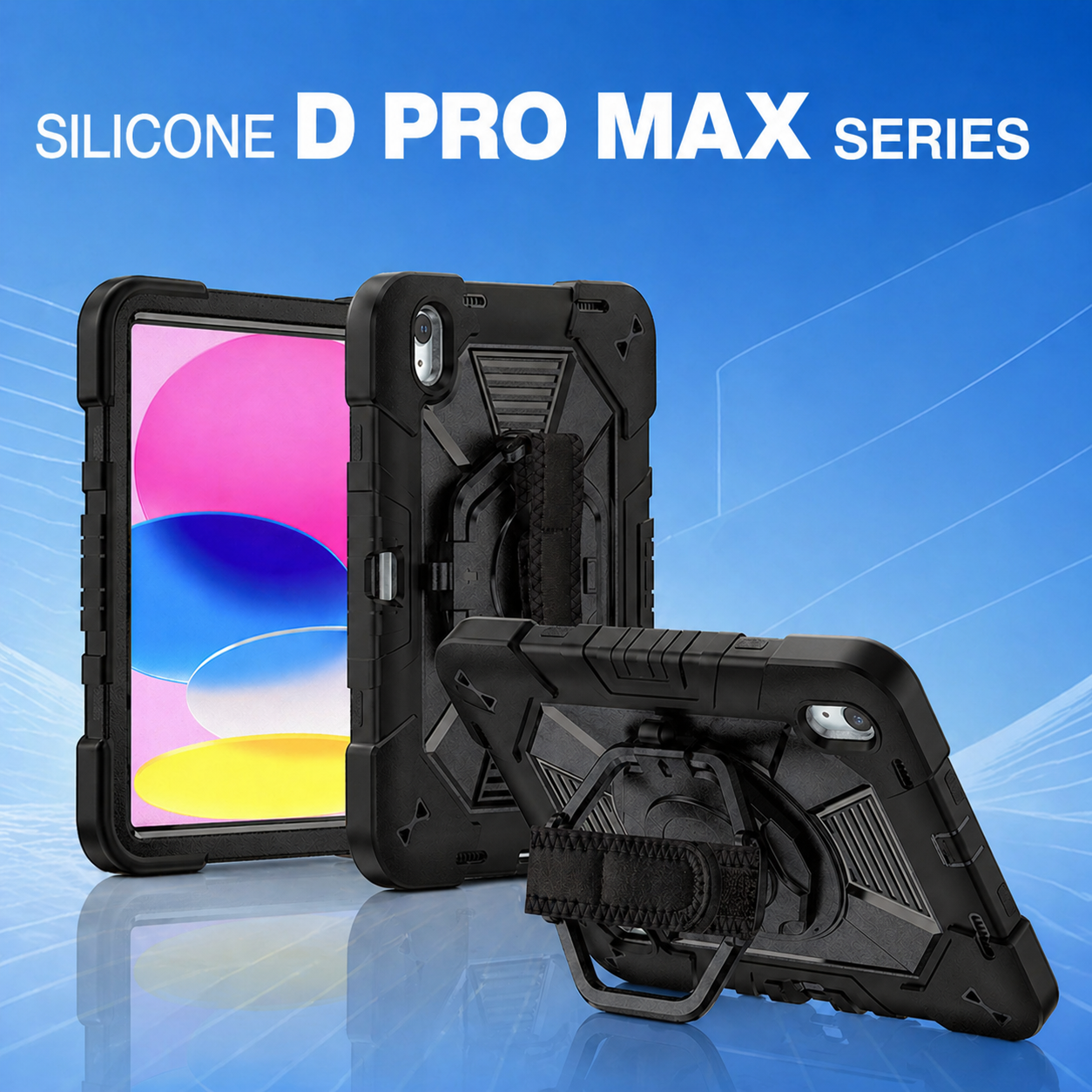
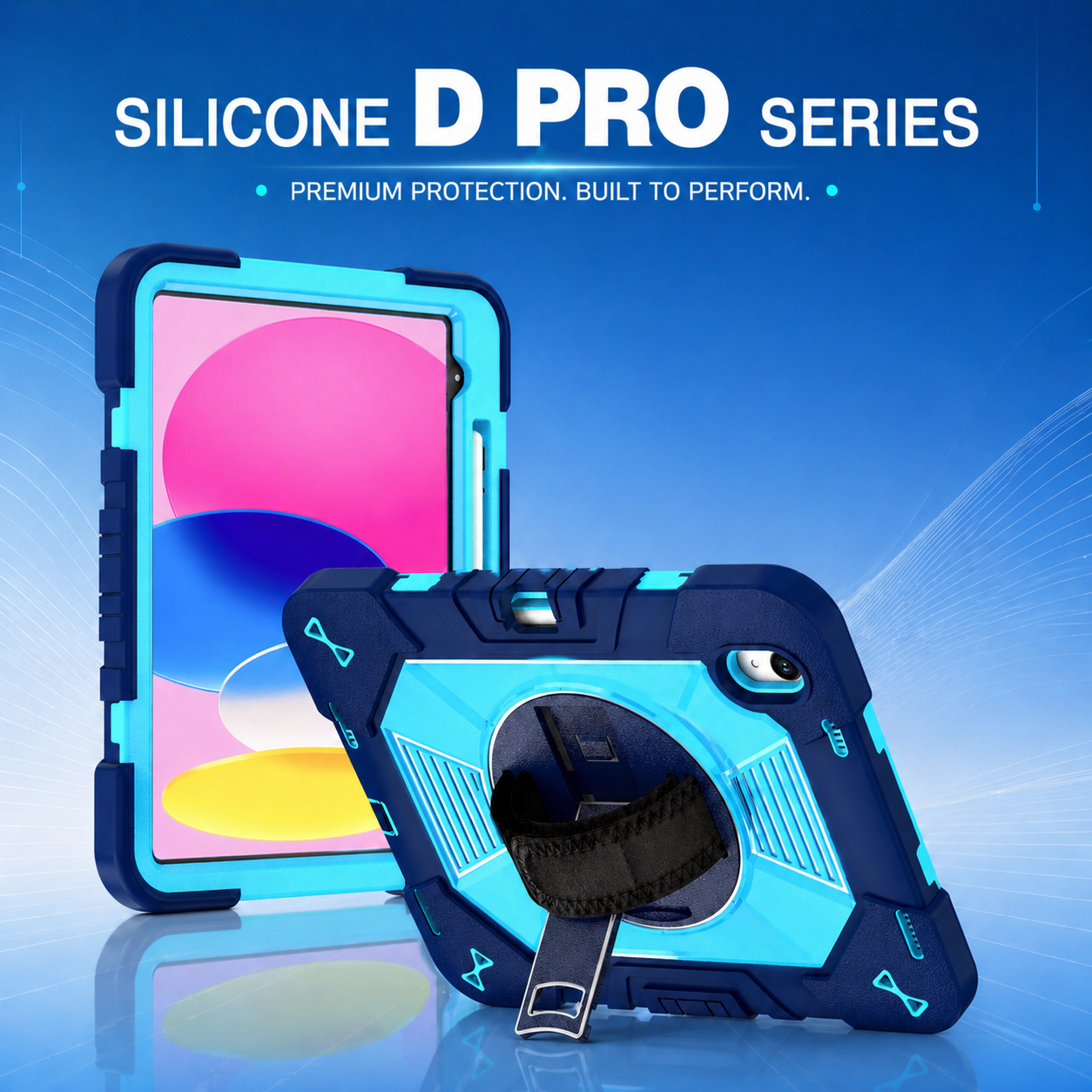
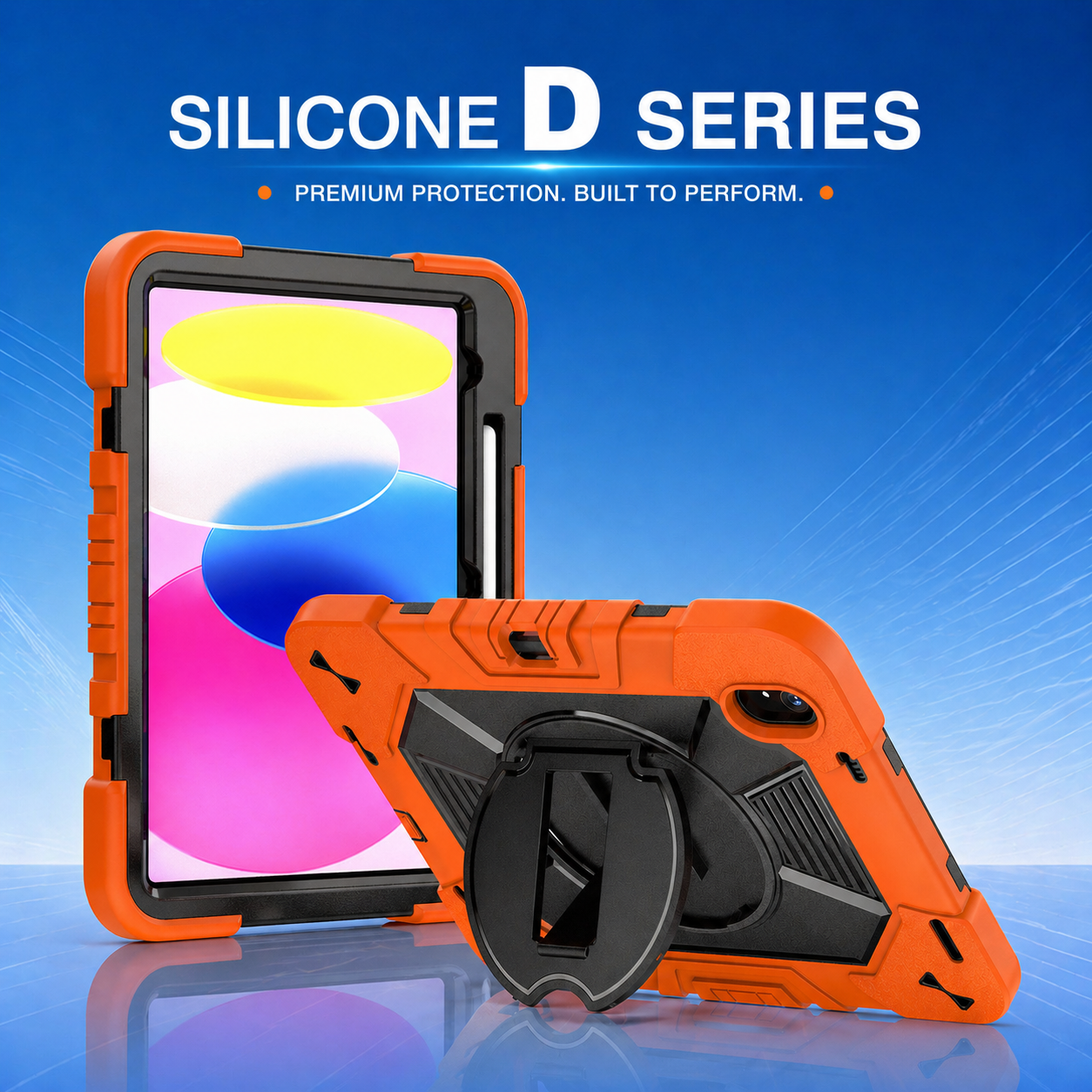

How to Evaluate and Scale an OEM Rugged Tablet Case Partnership
Selecting an OEM supplier is a long-term operational decision, not a one-time price comparison. The manufacturer will influence product fit, protection, branding, launch timing, defect rates, repeat-order consistency, and customer support. Enterprises and B2B distributors should evaluate suppliers through a structured process that covers engineering, quality, production, commercial terms, and communication.
1. Review Engineering Capability
Device data and prototype development
A capable supplier should explain how it obtains device dimensions, verifies openings, and manages model differences. Ask whether development can begin from 2D drawings, 3D files, physical tablets, or scanning data. Prototype stages should include fit checks, functional samples, and production-intent samples. Clear revision records help prevent old designs from entering production.
Structural design knowledge
A heavy duty rugged Case requires more than thick walls. The supplier should understand rigid support, flexible impact zones, corner geometry, screen clearance, button feel, accessory loads, and moldability. Ask the engineering team to explain why each material and layer is used. Practical reasoning is a stronger signal than general marketing claims.
2. Examine Quality Systems and Test Methods
Measurable acceptance criteria
Define dimensions, appearance limits, fit standards, functional checks, and packaging requirements before mass production. The manufacturer should be able to provide inspection records and retain approved samples. For a 3 layers heavy duty rugged tablet case, quality checks may include layer assembly, separation risk, stand function, strap strength, port alignment, and screen-edge protection.
Testing matched to the deployment
Drop height, surface type, drop orientation, temperature, cleaning chemicals, and accessory cycles should reflect actual use. A warehouse program and a classroom program may need different test plans. Buyers should avoid relying only on an undefined “military-grade” label. A documented, repeatable test is more useful than a broad claim.
3. Confirm Tooling, Capacity, and Supply Stability
Tool ownership and maintenance
Commercial agreements should state who owns the mold, where it is stored, how maintenance is handled, and what happens if the partnership ends. Ask how many shots the tool is expected to support and how replacement inserts are approved. Tooling records are especially important for repeat orders over several years.
Production planning
Review monthly capacity, normal lead time, peak-season constraints, minimum order quantities, and contingency plans. A supplier should be able to manage material purchasing, assembly, inspection, and packaging without changing approved components unexpectedly. For global programs, carton size, labeling, palletization, and shipping documentation also affect total cost.
4. Evaluate Communication and Change Control
Project ownership
Strong suppliers assign clear contacts for sales, engineering, quality, and logistics. Buyers should know who approves drawings, tracks samples, reports problems, and authorizes production. Regular milestone updates reduce surprises and make it easier to coordinate tablet launches, packaging artwork, and customer delivery dates.
Managing revisions
Tablet models, accessories, colors, and packaging requirements can change during development. Every revision should have a date, version number, approval record, and impact assessment. The supplier must prevent unapproved substitutions and should explain whether a change affects tooling, price, lead time, or test results.
5. Start with a Pilot and Scale with Data
Pilot order
Before committing to a large rollout, test a limited batch with real users. Monitor fit, drop incidents, strap comfort, stand durability, cleaning, charging compatibility, and packaging. A pilot exposes issues that may not appear during a short sample review and gives the supplier a chance to improve the product.
Long-term performance
After launch, track defect rate, device damage, returns, replacement parts, and user feedback. Share structured data with the manufacturer and agree on corrective actions. A successful rugged tablet case program becomes more efficient over time because both parties preserve engineering knowledge, quality standards, and demand history.
Build a Partnership, Not Just a Purchase Order
The right OEM manufacturer should act as an engineering and supply partner. Buyers should compare technical depth, test discipline, tool control, production stability, communication, and after-sales support alongside price. When these elements are aligned, the finished protective system can protect devices, strengthen a private-label product line, and support reliable enterprise mobility across multiple industries and tablet generations.





.png)
+86 13422271740
.png)
info@tongmeitech.com
.png)
No. 34, Mashe Section, Guihe Road, Lishui Town, Foshan, Guangdong, China