- 1
- BLACKL
- TABLETAPPLE iPad Mini 8NEW iPad A16(2025) iPad 10.9" 10th (2022) iPad 10.2" (7th/8th/9th) iPad Air 13" (M2/M3/M4)(2024/2025/2026)NEW iPad Air 11" (M2/M3/M4)(2024/2025/2026)NEW iPad Mini 8.3" (A7 Pro/6th Gen) iPad Pro13"(M4/M5)(2024/2025) iPad Pro11"(M4/M5)(2026) iPad 9.7" (5th/6th Gen) iPad Pro 12.9"(2018-2022) iPad Pro 11"(2018-2022) iPad 9.7"(2th/3th/4th) iPad Air 10.9"(4th/5th Gen) iPad Mini 7.9"(4th/5th Gen)SAMSUNG Galaxy Tab A11 Galaxy Tab A11 Plus Galaxy Tab S11 Galaxy Tab S12 PlusNEW Galaxy Tab S12 UltraNEW Galaxy Tab A9+ Galaxy Tab A9 Galaxy Tab A8 Galaxy Tab A7 Galaxy Tab A7 Lite Galaxy Tab S11 Ultra/S10 Ultra/S9 Ultra/S8 Ultra Galaxy Tab S10+/S9+/S9 FE+ Galaxy Tab S10Lite/S10 FE/S9 FE/S9 Galaxy Tab S8+/S7+/S7 FE Galaxy Tab S8/S7 Galaxy Tab S6 lite Galaxy Tab A10.1 Galaxy Tab A8.4 Galaxy Tab A8.0 Galaxy Tab S10 FE+LENOVO iDea tab 11/Tab K11 Gen 2 /Xiaoxin Pad 11 2025 Lenovo Tab K9 (Tab One) 2025 Lenovo Tab M10 10.1"(2025) Lenovo Tab M10 Plus 10.6" (3rd Gen) Lenovo Tab M10 HD 10.1" (3rd Gen) Lenovo K10/M10 Plus 10.3" (2nd Gen) Lenovo Tab M10 HD 10.1" (2nd Gen)XIAOMI Redmi Pad 2 9.7 InchNEW Xiaomi Pad8/8Pro 11.2" Redmi Pad2/Pad2.4G Xiaomi Pad 6/6 Pro 11" Redmi Pad 10.61" Redmi Pad Se 11" Redmi pad Se 4G 8.7" Xiaomi Pad7/7 Pro 11.2" Redmi Pad Pro/Xiaomi Poco Pad/Redmi Pad2 Pro 12.1HUAWEI Huawei Matepad Se 10.4" Huawei Matepad 11" Huawei Matepad 11.5" Huawei Matepad SE 11" Huawei Matepad T8 8" Huawei Matepad T10 9.7"
- CATEGORIES

Custom Tablet Case Features That Improve Student Device Management
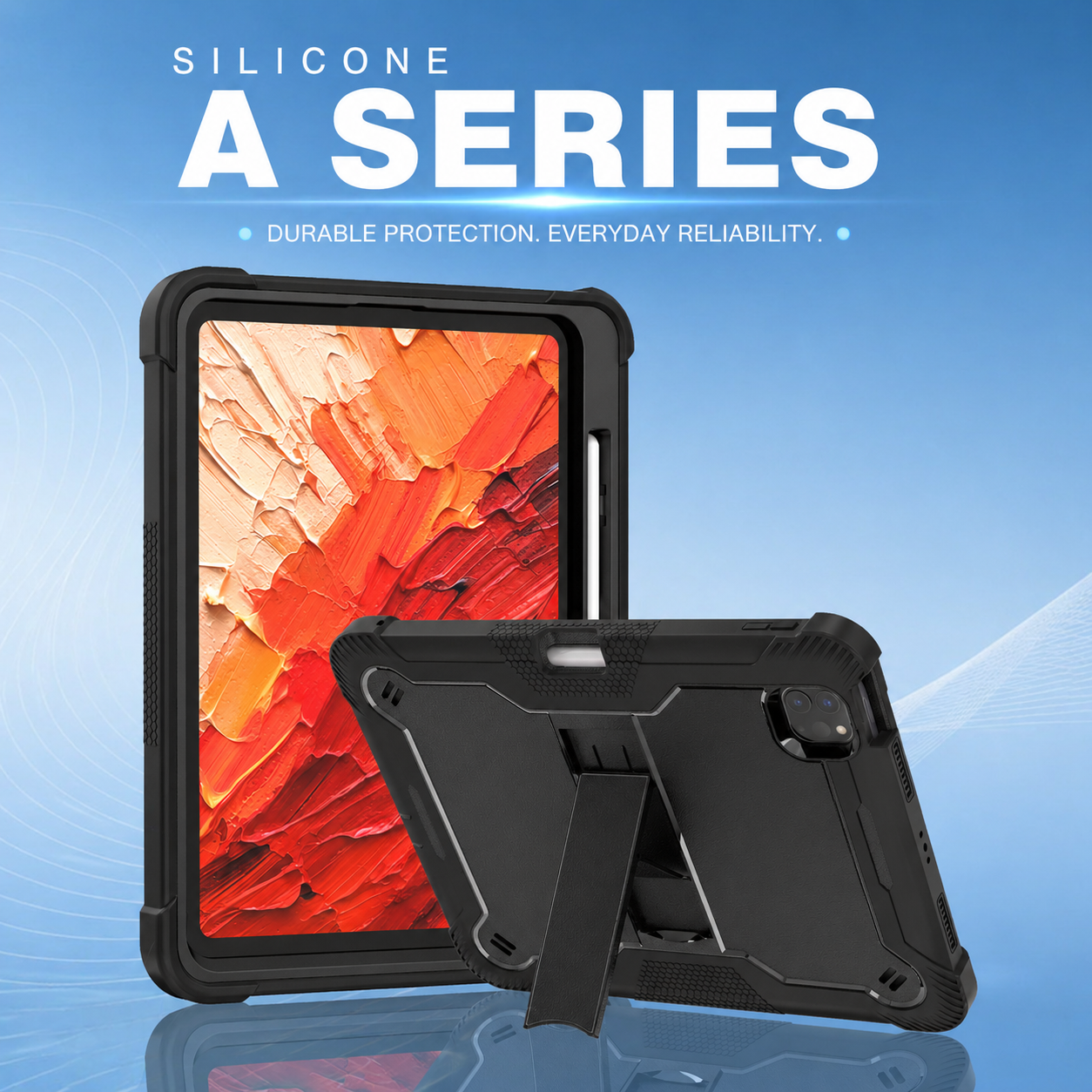
Education buyers often begin a tablet case project with one goal: prevent device damage. Protection is essential, but a well-planned case can also improve how devices are identified, distributed, used, stored, and supported. Custom features turn the case into an operational tool for teachers and IT teams. When these features are developed directly with a factory, schools and education distributors can match the design to student age, classroom routines, charging systems, and asset-management procedures.
Color coding simplifies distribution
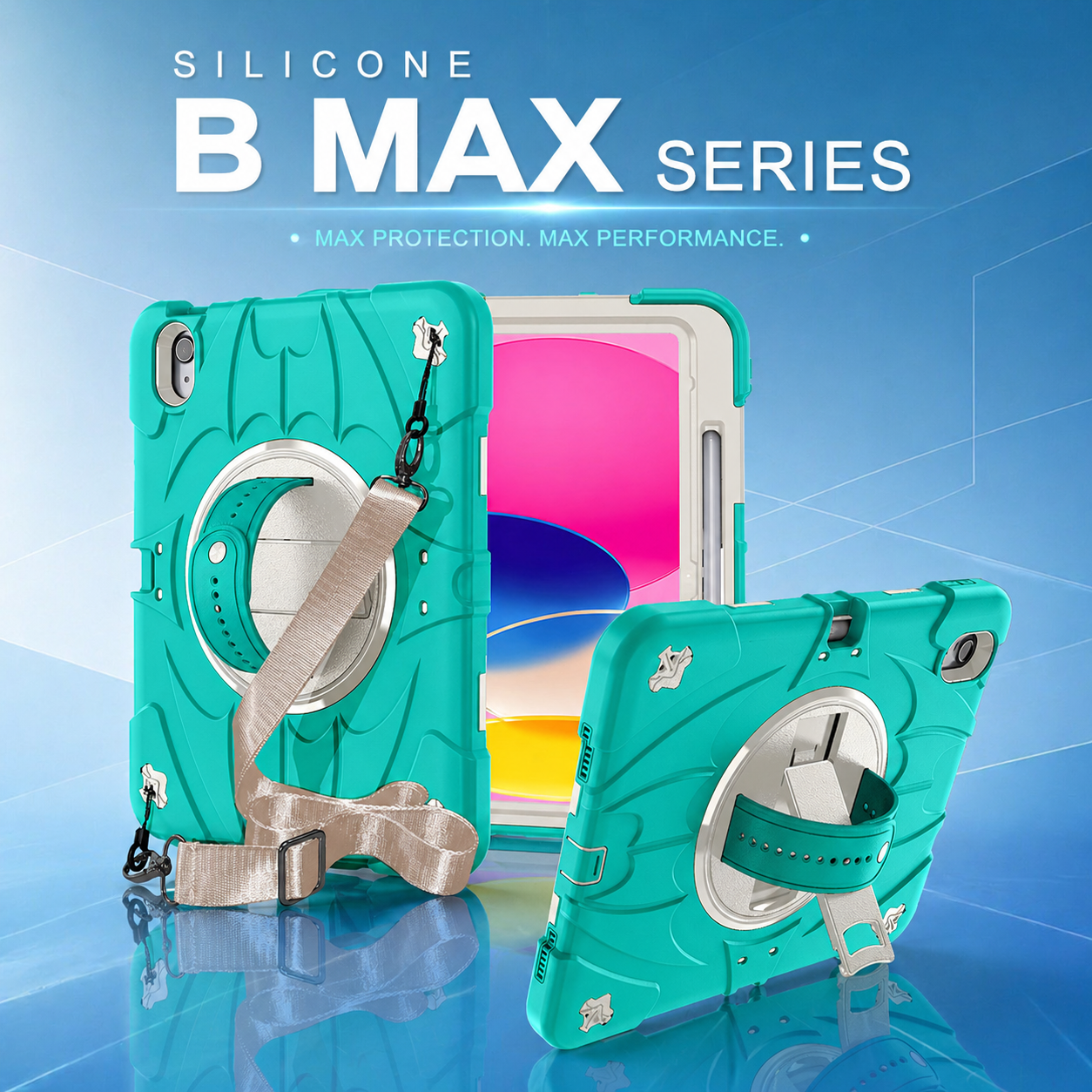
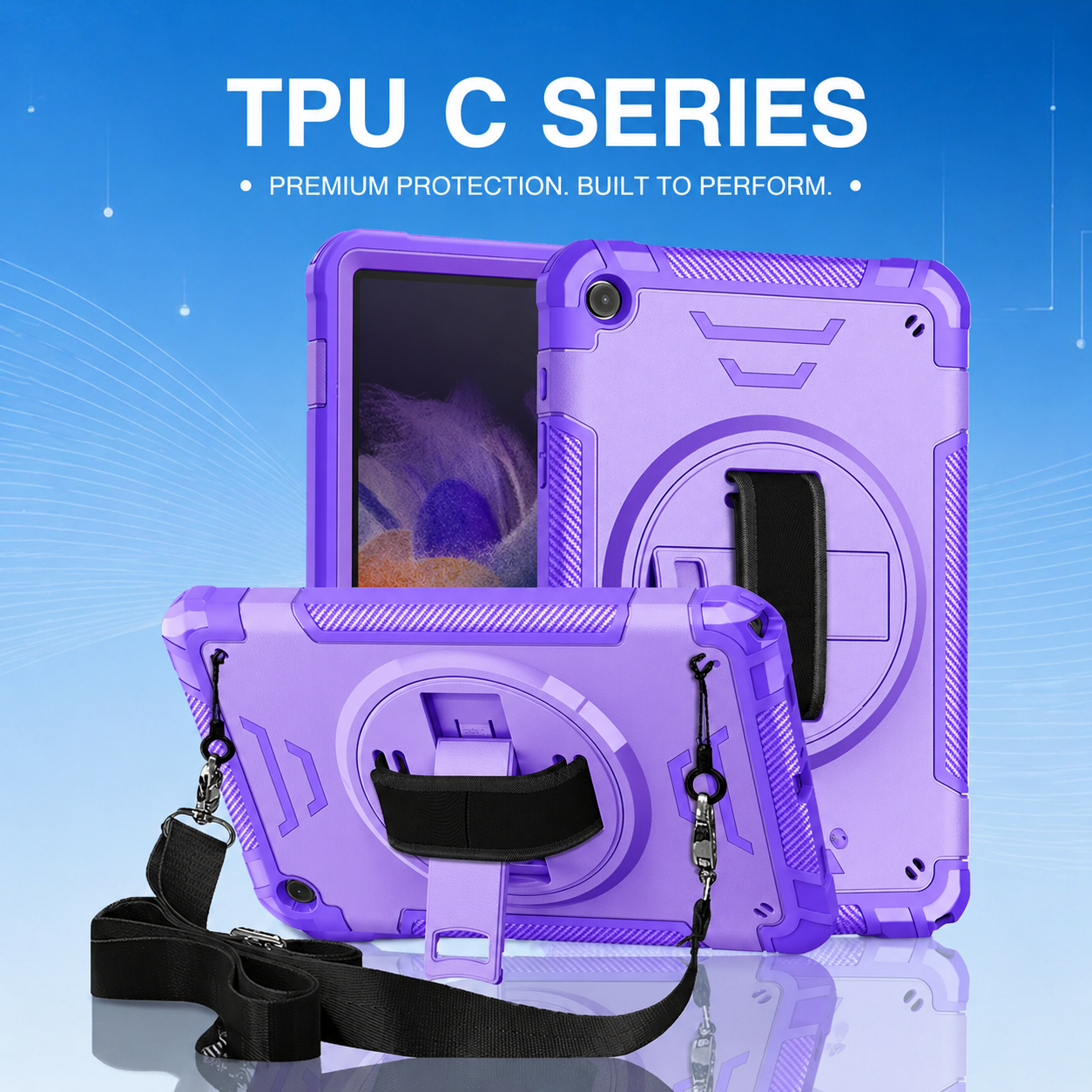
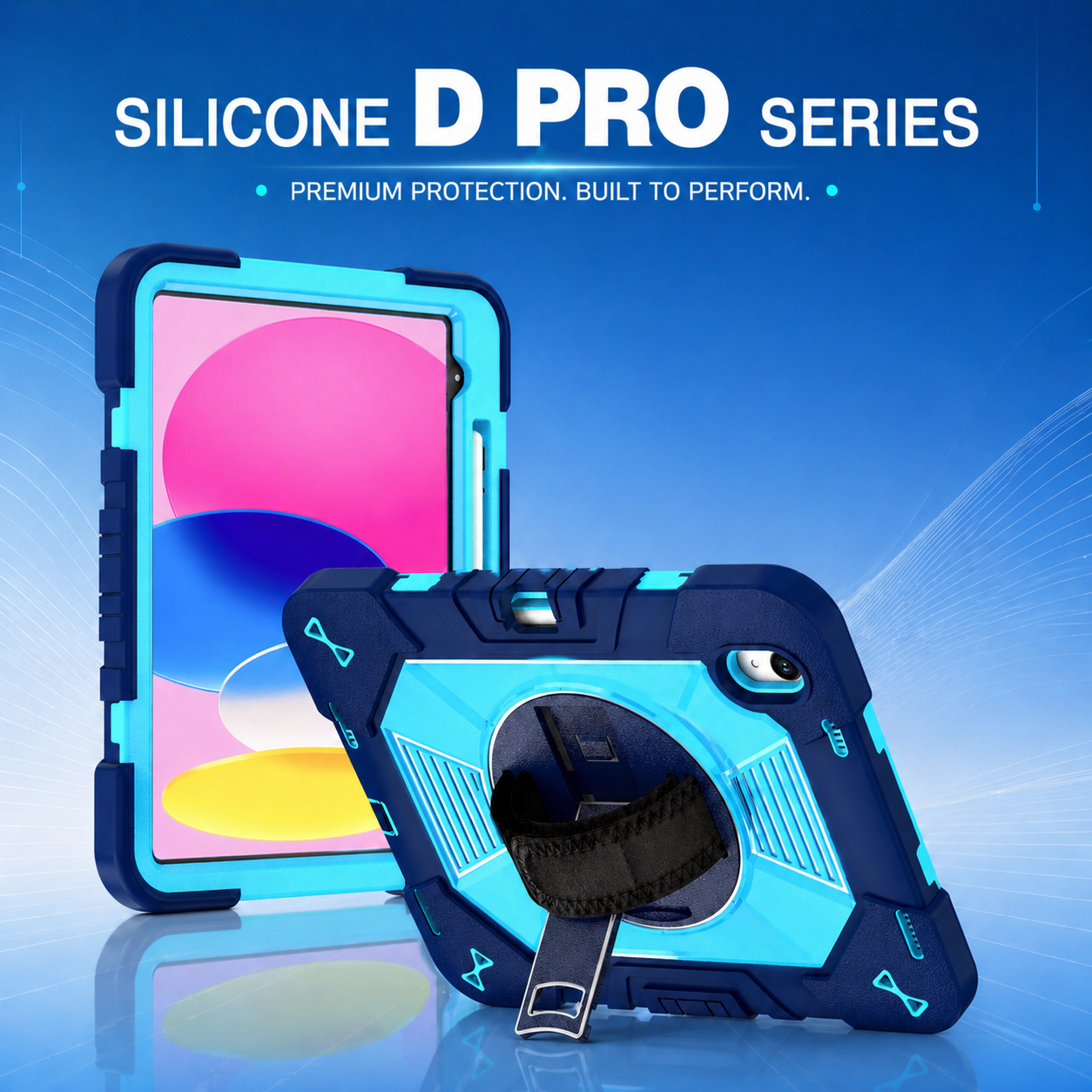
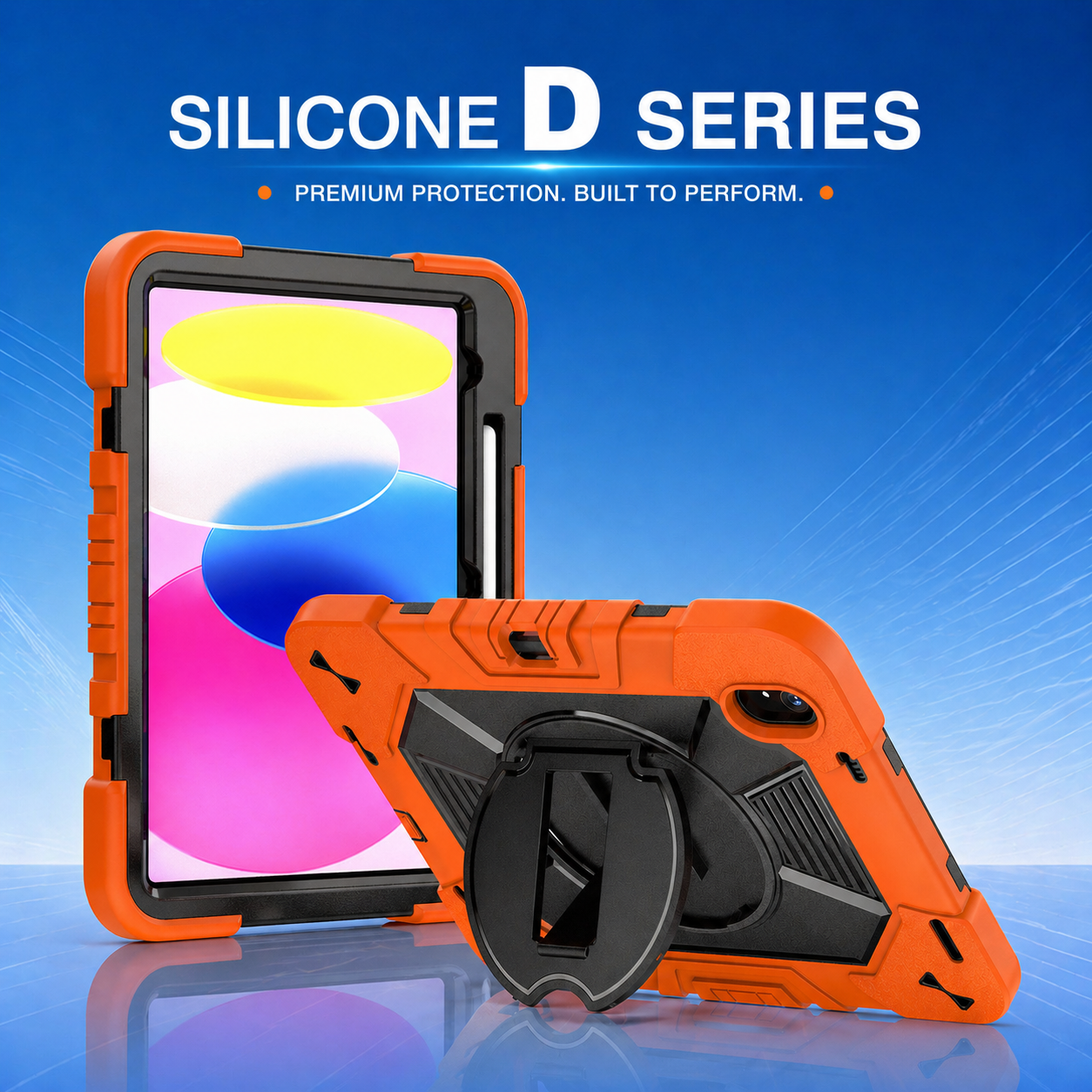
Different case colors can represent grade levels, campuses, classrooms, device ownership, or support status. This makes devices easier to sort at a glance and reduces distribution mistakes. A TPU tablet case can be produced in coordinated colors while retaining a flexible, impact-absorbing body. Buyers should confirm color tolerances and approve physical samples because screen colors do not always match molded materials.
Color systems work best when they are simple and documented. Too many similar shades can create confusion, while a small set of clearly differentiated colors can support fast visual identification during check-in and check-out.
Branding and labels support accountability
A school logo, district name, or private-label brand can be molded, printed, or applied to packaging. Asset labels and barcode windows allow IT teams to scan devices without removing the case. Some buyers also request a recessed area for student identification so labels are protected from abrasion.
A #CustomTabletCase program should define logo size, position, method, and durability before production. Branding must not interfere with grip, ventilation, stands, wireless functions, or device controls. Factories can recommend the most suitable process based on order volume, material, and expected wear.
Integrated storage reduces lost accessories
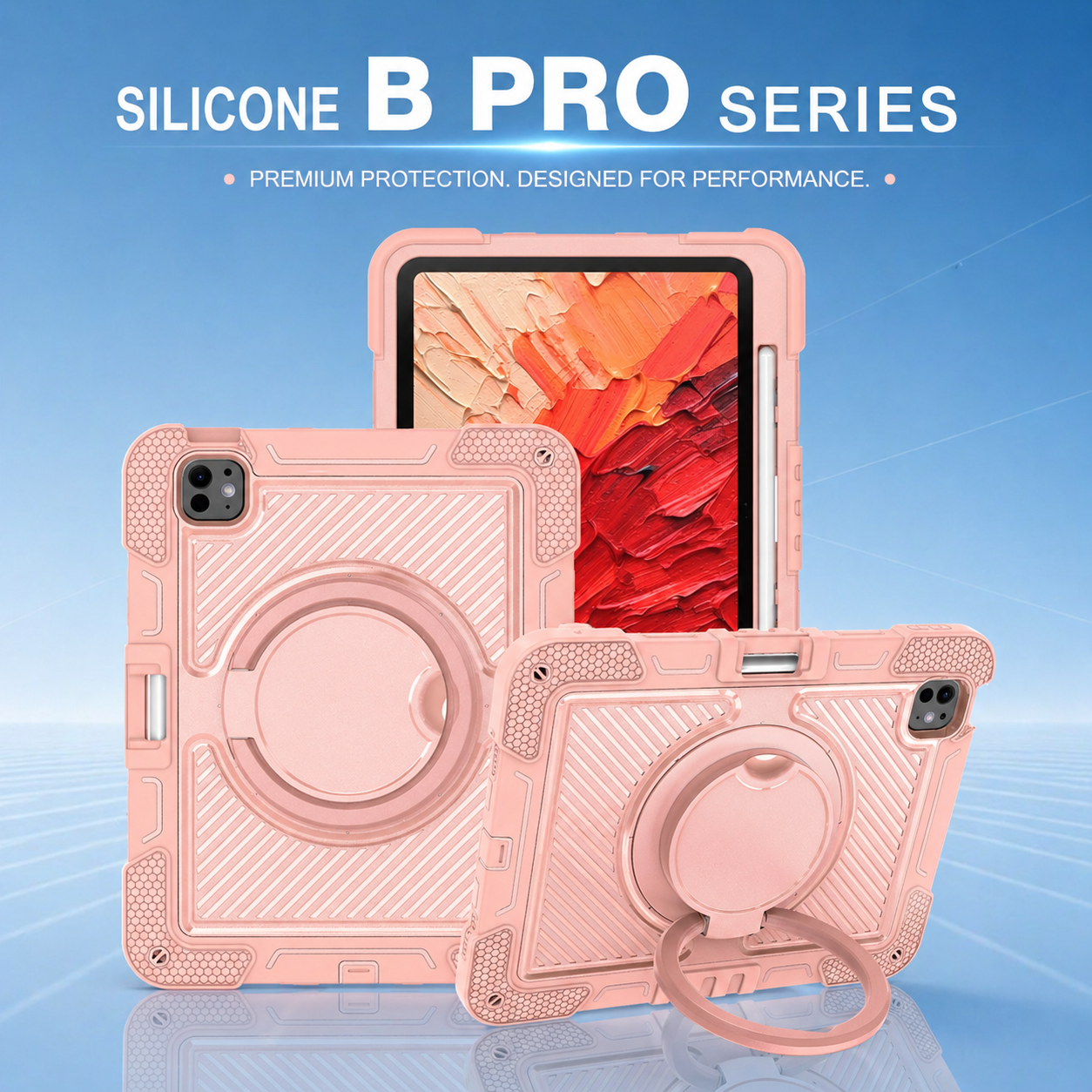
Styluses are useful for writing, drawing, and accessibility, but they are easily lost. A molded pencil holder can keep the stylus attached to the device while preserving charging or pairing requirements. Buyers should check the exact stylus dimensions and removal method, especially for younger students.
Other useful details may include a card slot, cable-management channel, detachable shoulder strap, or hand strap. Each addition should solve a real workflow problem. Unnecessary accessories increase cost and create more parts to inspect, store, and replace.
Stand design affects learning activities
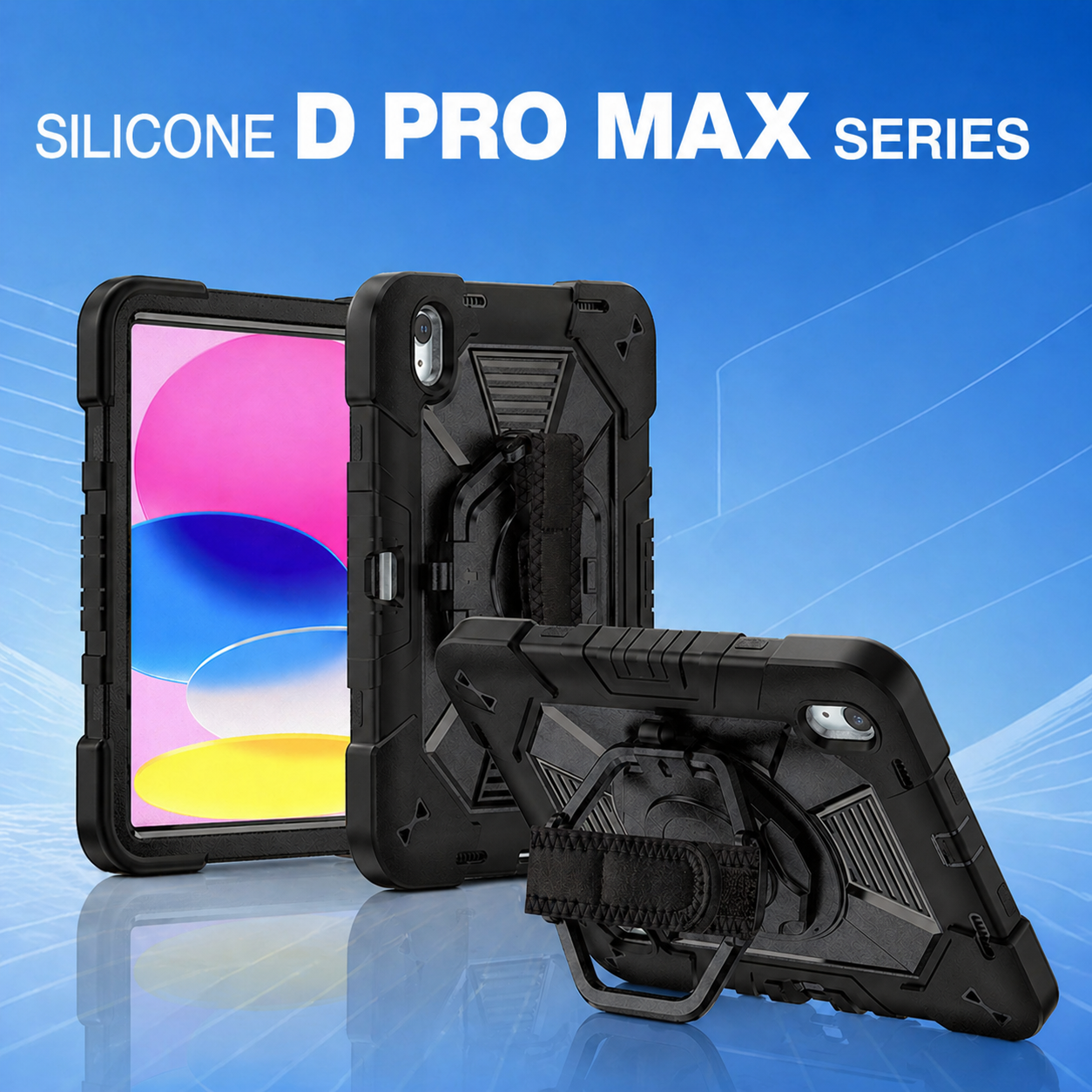
Students use tablets for reading, typing, watching instruction, video calls, presentations, and collaborative work. A multi angle kickstand tablet case supports these activities by providing several stable viewing positions. Low angles are useful for typing or drawing, while upright positions support videos and remote lessons.
Stand evaluation should include stability on different desk surfaces, hinge durability, opening force, and whether the stand remains inside the protective outline when closed. A protruding or weak stand can become a failure point even when the rest of the case is durable.
Handles and straps improve mobility
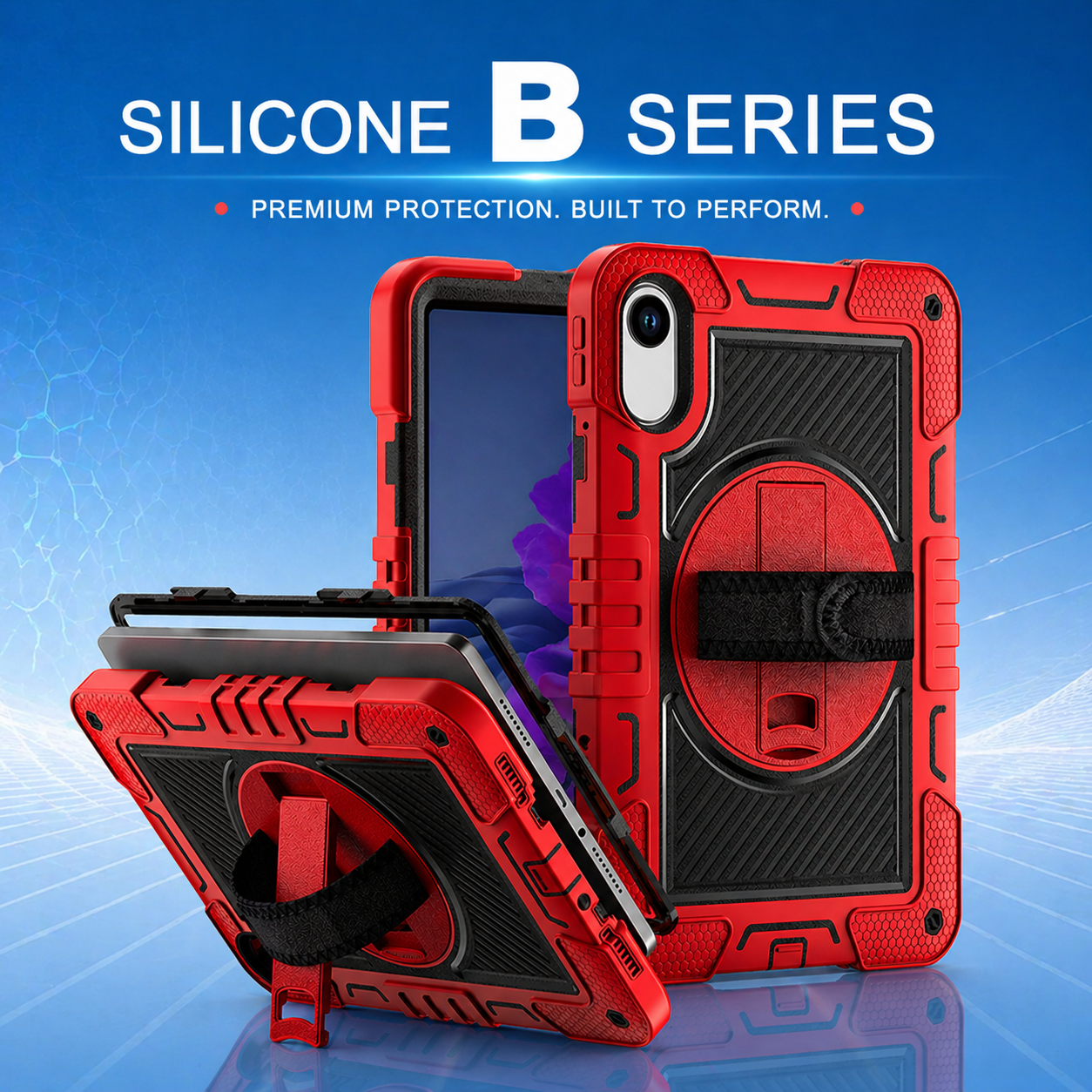
For younger students, an integrated handle can make a tablet easier to carry and reduce drops. Rotating hand straps may help teachers, field instructors, or special education staff hold the device while moving. Shoulder straps can support campus activities or one-to-one take-home programs.
These components must be tested for pull strength and repeated use. Attachment points should distribute load through the case structure rather than relying on a thin edge. The factory should also consider comfort, adjustability, and the risk of loose parts.
Packaging can support faster deployment
Customization is not limited to the case. Packaging can be organized by school, classroom, grade, or device model. Barcodes, carton labels, instruction cards, and accessory bundles can reduce sorting work when thousands of units arrive. For large programs, bulk packaging may lower waste and speed installation, while retail packaging may be more appropriate for distributor channels.
Education buyers should discuss packing quantities, carton dimensions, pallet requirements, and label data early in the project. These details influence freight cost and warehouse handling as much as the product itself.
Choose features by operational value
The strongest custom program does not include every available feature. It selects the features that reduce damage, save staff time, support instruction, or improve accountability. Buyers can rank requirements as essential, preferred, or optional, then compare cost and lead-time effects. Pilot testing with teachers, students, and IT staff helps verify that each choice provides measurable value.
By connecting protection with device management, a custom tablet case becomes part of the school’s technology system. Color coding, labels, storage, stands, handles, and deployment-ready packaging can make daily operations more efficient while protecting the hardware investment.
Continue to the next article: scalable education tablet protection partnerships.
SEO Keywords
custom tablet case, TPU tablet case, rotating kickstand case, pencil-holder tablet case, logo customization, color matching, private-label packaging, school procurement teams, classroom technology integrators, bulk order production, sample development, after-sales support.





.png)
+86 13422271740
.png)
info@tongmeitech.com
.png)
No. 34, Mashe Section, Guihe Road, Lishui Town, Foshan, Guangdong, China