- 1
- BLACKL
- TABLETAPPLE iPad Mini 8NEW iPad A16(2025) iPad 10.9" 10th (2022) iPad 10.2" (7th/8th/9th) iPad Air 13" (M2/M3/M4)(2024/2025/2026)NEW iPad Air 11" (M2/M3/M4)(2024/2025/2026)NEW iPad Mini 8.3" (A7 Pro/6th Gen) iPad Pro13"(M4/M5)(2024/2025) iPad Pro11"(M4/M5)(2026) iPad 9.7" (5th/6th Gen) iPad Pro 12.9"(2018-2022) iPad Pro 11"(2018-2022) iPad 9.7"(2th/3th/4th) iPad Air 10.9"(4th/5th Gen) iPad Mini 7.9"(4th/5th Gen)SAMSUNG Galaxy Tab A11 Galaxy Tab A11 Plus Galaxy Tab S11 Galaxy Tab S12 PlusNEW Galaxy Tab S12 UltraNEW Galaxy Tab A9+ Galaxy Tab A9 Galaxy Tab A8 Galaxy Tab A7 Galaxy Tab A7 Lite Galaxy Tab S11 Ultra/S10 Ultra/S9 Ultra/S8 Ultra Galaxy Tab S10+/S9+/S9 FE+ Galaxy Tab S10Lite/S10 FE/S9 FE/S9 Galaxy Tab S8+/S7+/S7 FE Galaxy Tab S8/S7 Galaxy Tab S6 lite Galaxy Tab A10.1 Galaxy Tab A8.4 Galaxy Tab A8.0 Galaxy Tab S10 FE+LENOVO iDea tab 11/Tab K11 Gen 2 /Xiaoxin Pad 11 2025 Lenovo Tab K9 (Tab One) 2025 Lenovo Tab M10 10.1"(2025) Lenovo Tab M10 Plus 10.6" (3rd Gen) Lenovo Tab M10 HD 10.1" (3rd Gen) Lenovo K10/M10 Plus 10.3" (2nd Gen) Lenovo Tab M10 HD 10.1" (2nd Gen)XIAOMI Redmi Pad 2 9.7 InchNEW Xiaomi Pad8/8Pro 11.2" Redmi Pad2/Pad2.4G Xiaomi Pad 6/6 Pro 11" Redmi Pad 10.61" Redmi Pad Se 11" Redmi pad Se 4G 8.7" Xiaomi Pad7/7 Pro 11.2" Redmi Pad Pro/Xiaomi Poco Pad/Redmi Pad2 Pro 12.1HUAWEI Huawei Matepad Se 10.4" Huawei Matepad 11" Huawei Matepad 11.5" Huawei Matepad SE 11" Huawei Matepad T8 8" Huawei Matepad T10 9.7"
- CATEGORIES



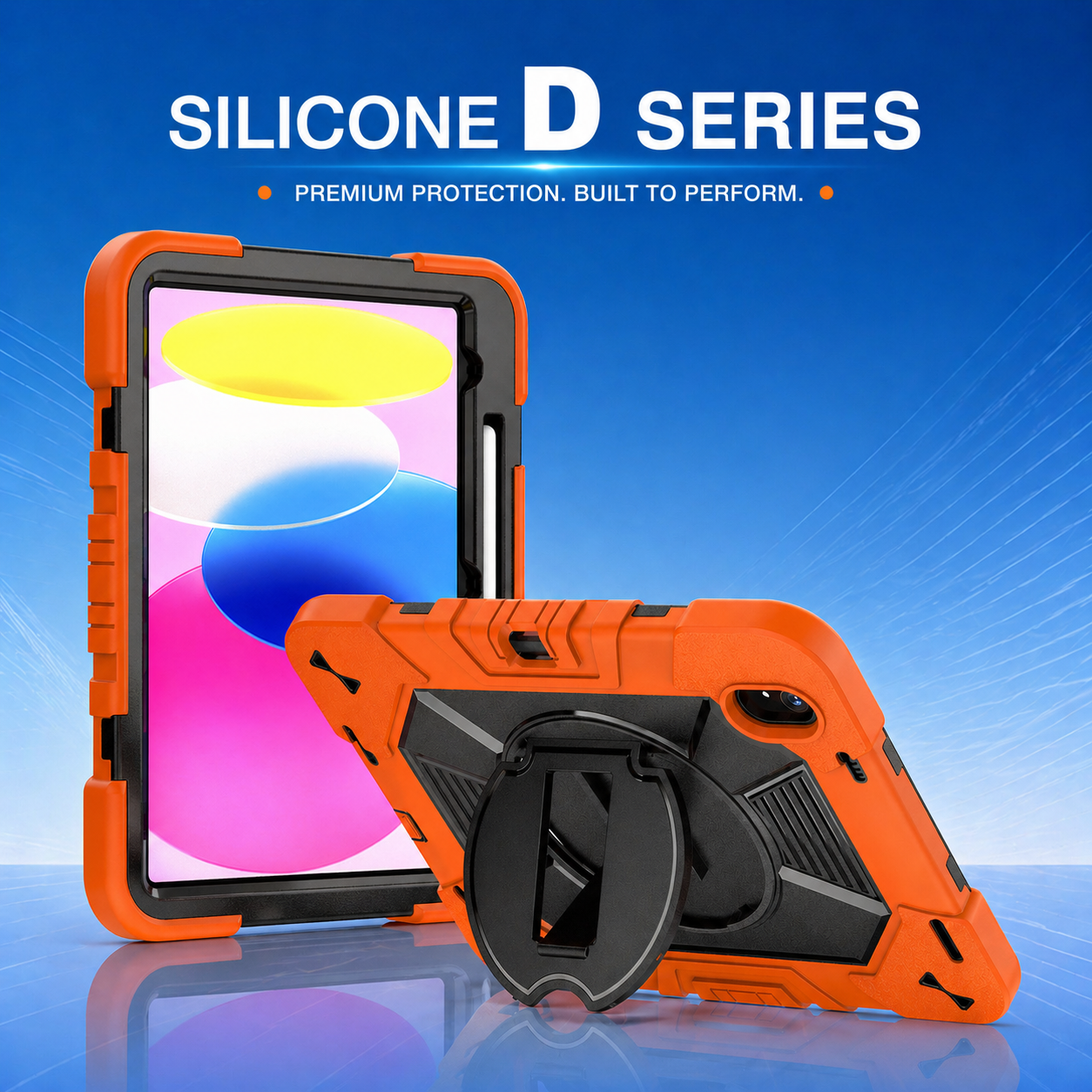

Designing Rugged Tablet Cases for Daily Classroom Use
A tablet used at home may spend most of its time on a desk or sofa. A school tablet moves constantly: from charging cart to classroom, from classroom to library, and often from campus to home. It may be carried by a young student, placed on a crowded desk, dropped during group work, or packed beside books and sports equipment. Rugged case design must therefore address repeated everyday stress rather than a single dramatic impact. Education buyers need protection that is durable, usable, and practical to maintain at scale.
Protection begins at the corners
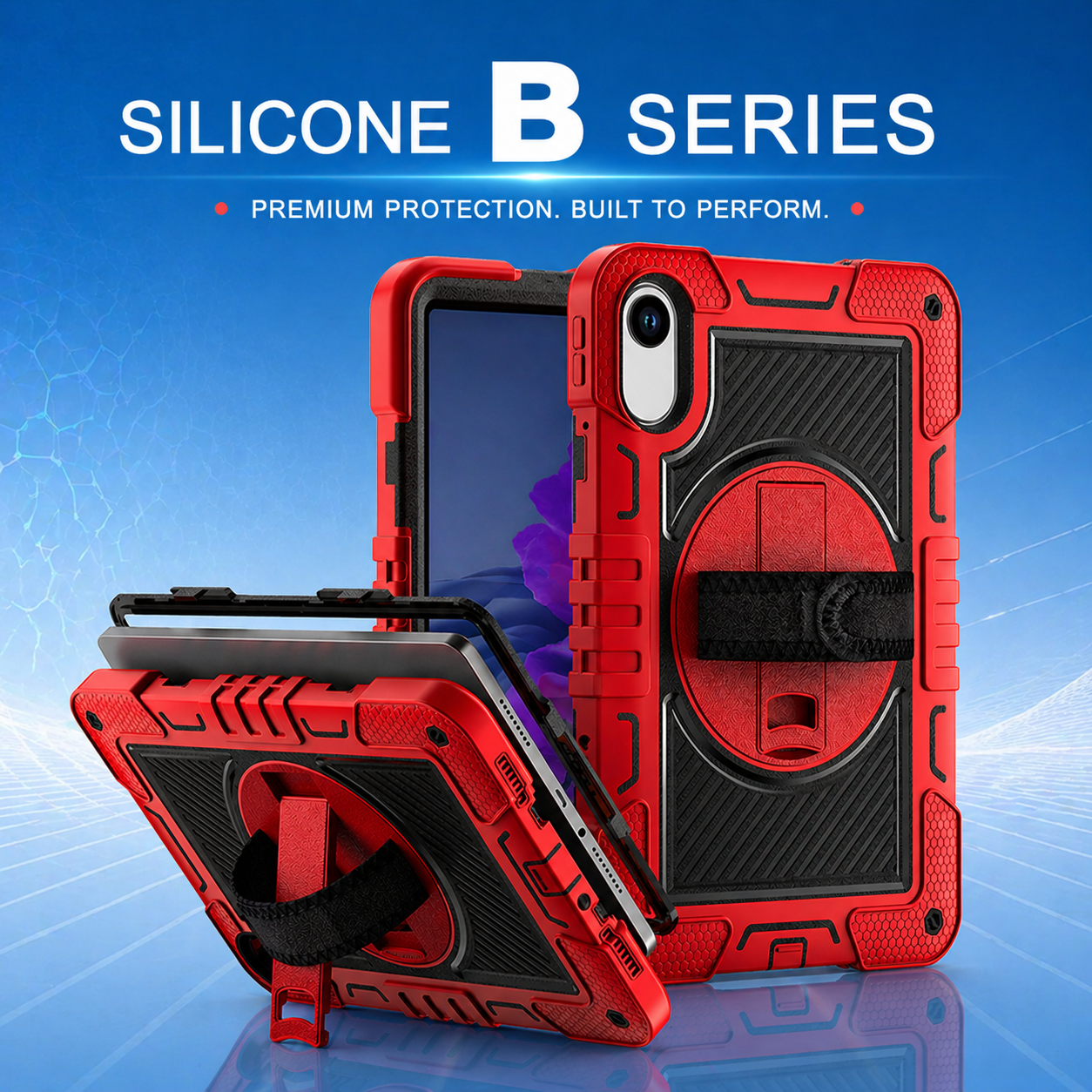
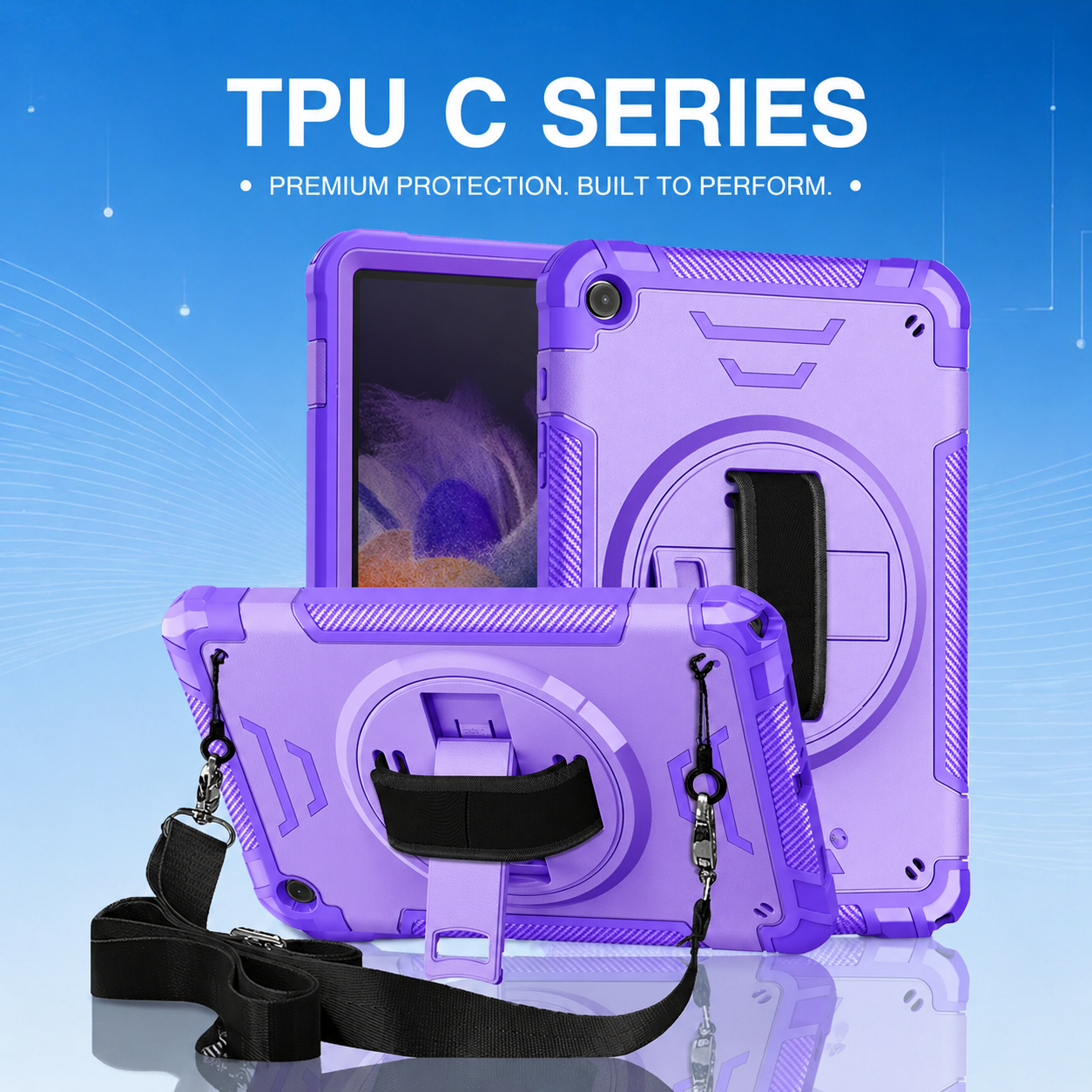
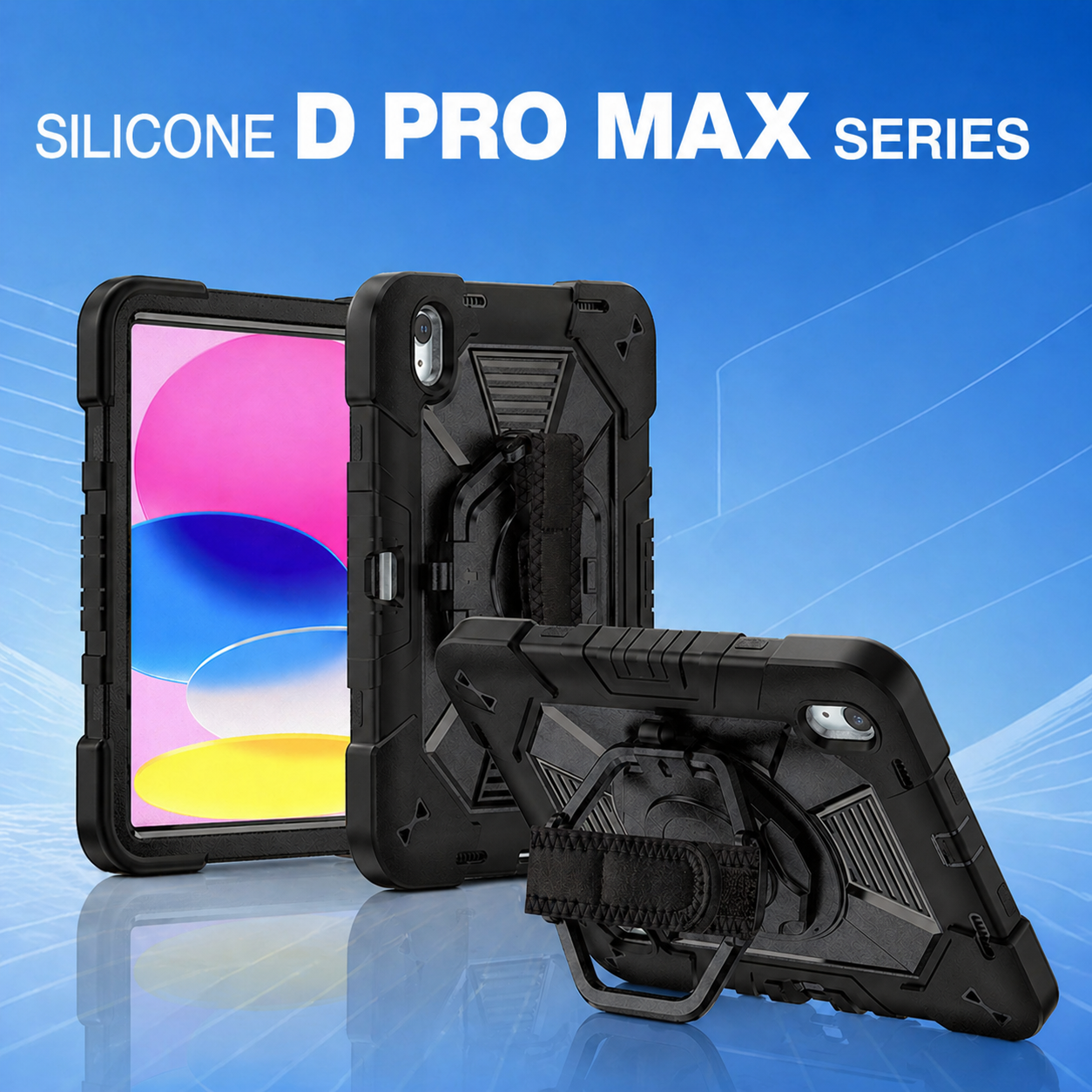
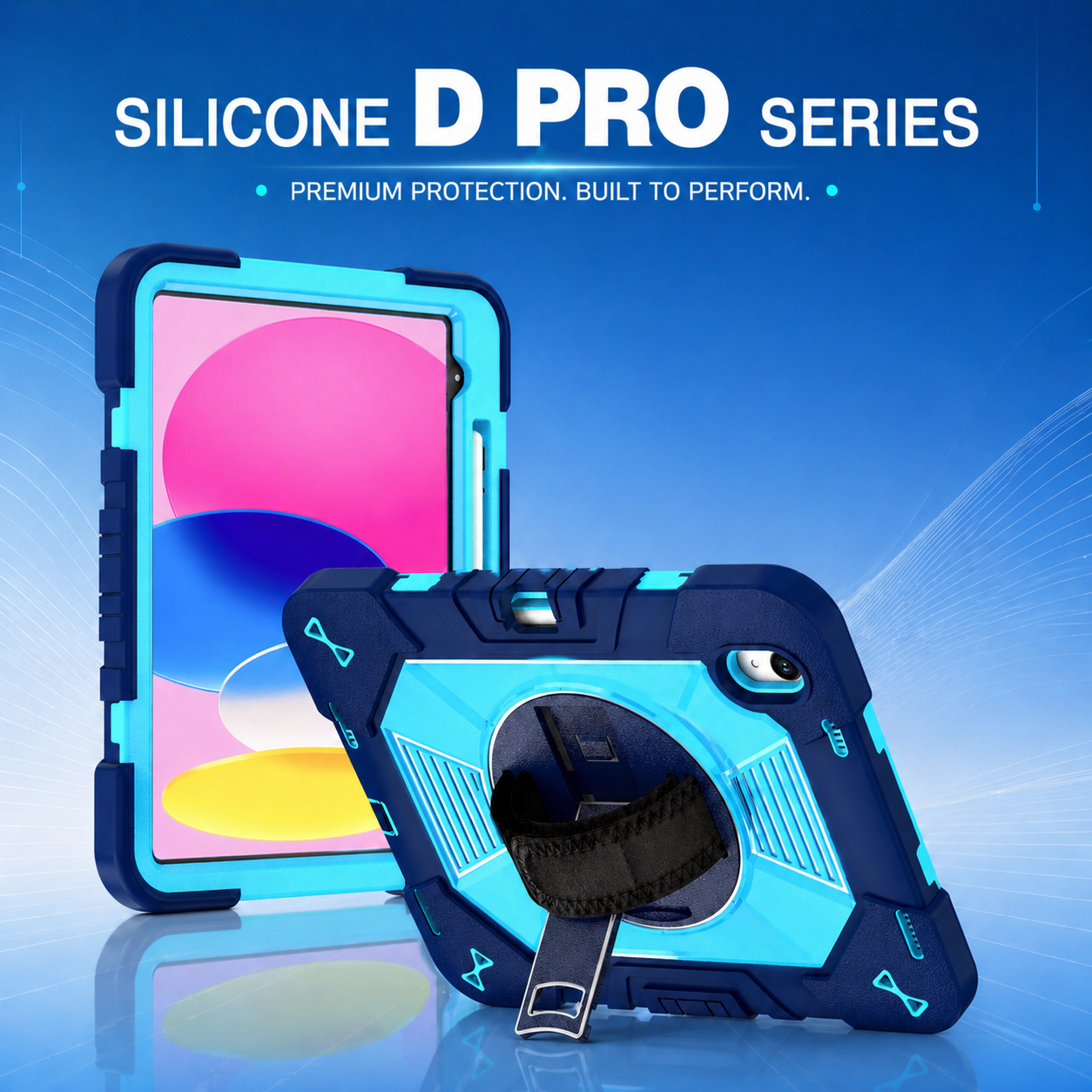
Most accidental drops concentrate force at corners and edges. A well-designed heavy duty rugged Case uses energy-absorbing materials and reinforced geometry in these high-risk areas. Thickened corner zones, internal air pockets, and flexible bumpers can reduce the force transferred to the device. Raised screen and camera edges also help prevent direct contact with floors and desks.
More material is not always better. Excessive bulk can make a case difficult for children to carry and may prevent it from fitting charging carts or storage slots. The engineering goal is to place protection where it delivers the most value while controlling weight and dimensions.
Layered construction improves performance
A 3 layers heavy duty rugged tablet case typically combines components with different functions. A rigid inner frame stabilizes the tablet and resists bending. A flexible outer layer absorbs impact and improves grip. A front frame or integrated screen structure helps secure the device and protect the display edge. When these layers are designed as a system, they provide stronger protection than a single material of equal thickness.
Layer interfaces matter. Clips must remain secure after repeated installation, silicone sections should not loosen, and openings must align accurately. During evaluation, buyers should inspect not only appearance but also assembly strength, seam consistency, and long-term wear.
Classroom usability is part of ruggedness
A case that protects the device but frustrates teachers and students is not a complete solution. Buttons should remain responsive, ports should be accessible, microphones and speakers should not be blocked, and cameras should work without shadows or obstruction. Handles should fit smaller hands without creating weak points. Stands must remain stable during typing, reading, video lessons, and remote instruction.
These requirements explain why #RuggedTabletCase development should include real-use testing. A case may pass a drop test yet fail in daily operations because it slips on a desk, tips at a common viewing angle, or requires too much force to install. Classroom trials reveal these issues before mass production.
Material selection affects durability and hygiene
Education cases are touched throughout the day and cleaned frequently. Material choice should consider impact behavior, tear strength, odor, color stability, surface texture, and resistance to approved cleaning methods. A soft-touch surface can improve grip, but it should not attract excessive dust. A rigid shell can support structure, but it must not become brittle under normal temperature changes.
Factories should confirm material specifications and maintain consistency between batches. Buyers may request compliance documentation appropriate to their market and application. Cleaning guidance should also be included so schools do not damage the case with unsuitable chemicals or heat.
Testing should reflect the intended environment
Generic claims such as “shockproof” are not enough for a serious education purchase. Buyers should define how performance will be evaluated. Drop tests can vary by height, surface, orientation, number of drops, and whether a live device or weighted fixture is used. Stand-cycle tests, handle pull tests, button-cycle tests, and installation tests may be equally important for long-term use.
A representative sample should be tested after production materials and tooling are finalized. Results should be recorded, and any failure should lead to root-cause analysis and corrective action. This creates a repeatable standard for future batches rather than relying on marketing language.
Maintenance and replacement matter at scale
School IT teams manage hundreds or thousands of devices. Cases should be easy to identify, inspect, clean, install, and replace. Color coding, asset-label areas, and model markings can reduce errors. Replaceable straps, stands, or front frames may extend service life when the main body remains usable.
The best rugged design balances impact protection with classroom practicality. It guards vulnerable areas, preserves access to every function, supports learning activities, and remains manageable for school staff. By testing the complete experience—not just the drop claim—education buyers can select a solution that protects devices throughout the academic year and lowers the operational cost of damage.
Continue to the next article: custom features for student device management.
SEO Keywords
rugged tablet case, 3-layer protective tablet case, drop-test validation, classroom iPad case, school districts, K-12 schools, quality inspection, compatibility engineering, replacement-part support, tablet carrying case, EdTech distributors, factory-direct sourcing.






.png)
+86 13422271740
.png)
info@tongmeitech.com
.png)
No. 34, Mashe Section, Guihe Road, Lishui Town, Foshan, Guangdong, China