- 1
- BLACKL
- TABLETAPPLE iPad Mini 8NEW iPad A16(2025) iPad 10.9" 10th (2022) iPad 10.2" (7th/8th/9th) iPad Air 13" (M2/M3/M4)(2024/2025/2026)NEW iPad Air 11" (M2/M3/M4)(2024/2025/2026)NEW iPad Mini 8.3" (A7 Pro/6th Gen) iPad Pro13"(M4/M5)(2024/2025) iPad Pro11"(M4/M5)(2026) iPad 9.7" (5th/6th Gen) iPad Pro 12.9"(2018-2022) iPad Pro 11"(2018-2022) iPad 9.7"(2th/3th/4th) iPad Air 10.9"(4th/5th Gen) iPad Mini 7.9"(4th/5th Gen)SAMSUNG Galaxy Tab A11 Galaxy Tab A11 Plus Galaxy Tab S11 Galaxy Tab S12 PlusNEW Galaxy Tab S12 UltraNEW Galaxy Tab A9+ Galaxy Tab A9 Galaxy Tab A8 Galaxy Tab A7 Galaxy Tab A7 Lite Galaxy Tab S11 Ultra/S10 Ultra/S9 Ultra/S8 Ultra Galaxy Tab S10+/S9+/S9 FE+ Galaxy Tab S10Lite/S10 FE/S9 FE/S9 Galaxy Tab S8+/S7+/S7 FE Galaxy Tab S8/S7 Galaxy Tab S6 lite Galaxy Tab A10.1 Galaxy Tab A8.4 Galaxy Tab A8.0 Galaxy Tab S10 FE+LENOVO iDea tab 11/Tab K11 Gen 2 /Xiaoxin Pad 11 2025 Lenovo Tab K9 (Tab One) 2025 Lenovo Tab M10 10.1"(2025) Lenovo Tab M10 Plus 10.6" (3rd Gen) Lenovo Tab M10 HD 10.1" (3rd Gen) Lenovo K10/M10 Plus 10.3" (2nd Gen) Lenovo Tab M10 HD 10.1" (2nd Gen)XIAOMI Redmi Pad 2 9.7 InchNEW Xiaomi Pad8/8Pro 11.2" Redmi Pad2/Pad2.4G Xiaomi Pad 6/6 Pro 11" Redmi Pad 10.61" Redmi Pad Se 11" Redmi pad Se 4G 8.7" Xiaomi Pad7/7 Pro 11.2" Redmi Pad Pro/Xiaomi Poco Pad/Redmi Pad2 Pro 12.1HUAWEI Huawei Matepad Se 10.4" Huawei Matepad 11" Huawei Matepad 11.5" Huawei Matepad SE 11" Huawei Matepad T8 8" Huawei Matepad T10 9.7"
- CATEGORIES
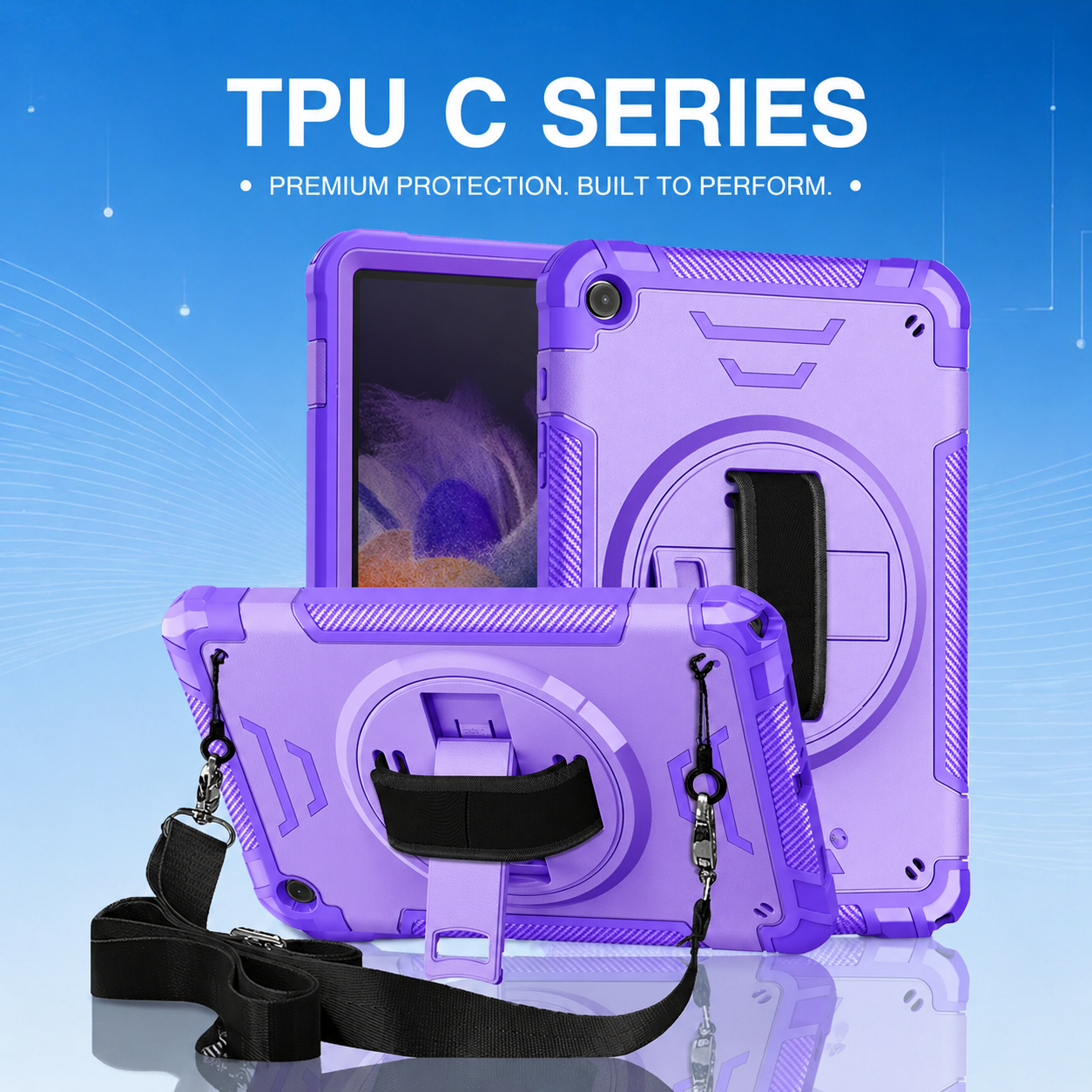
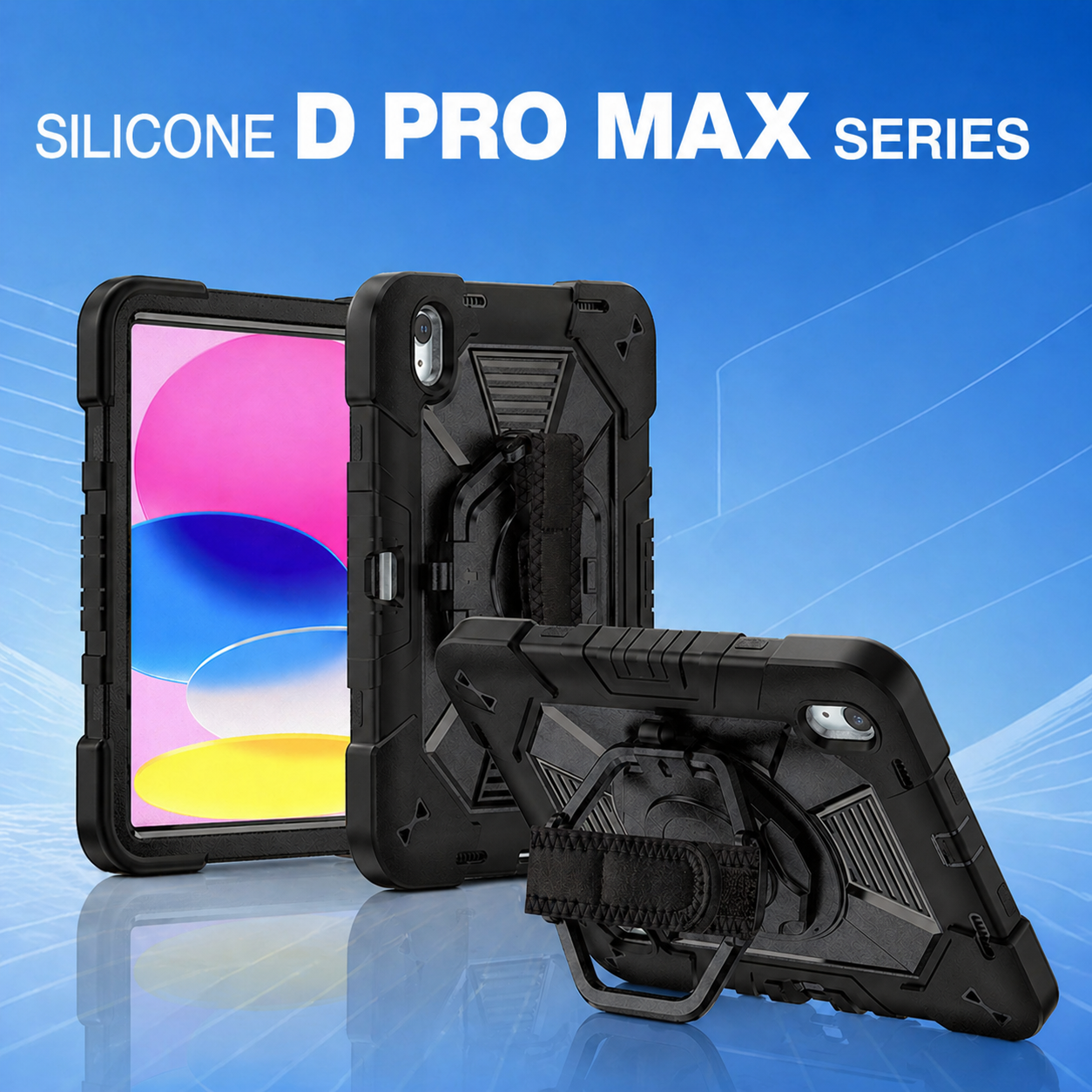
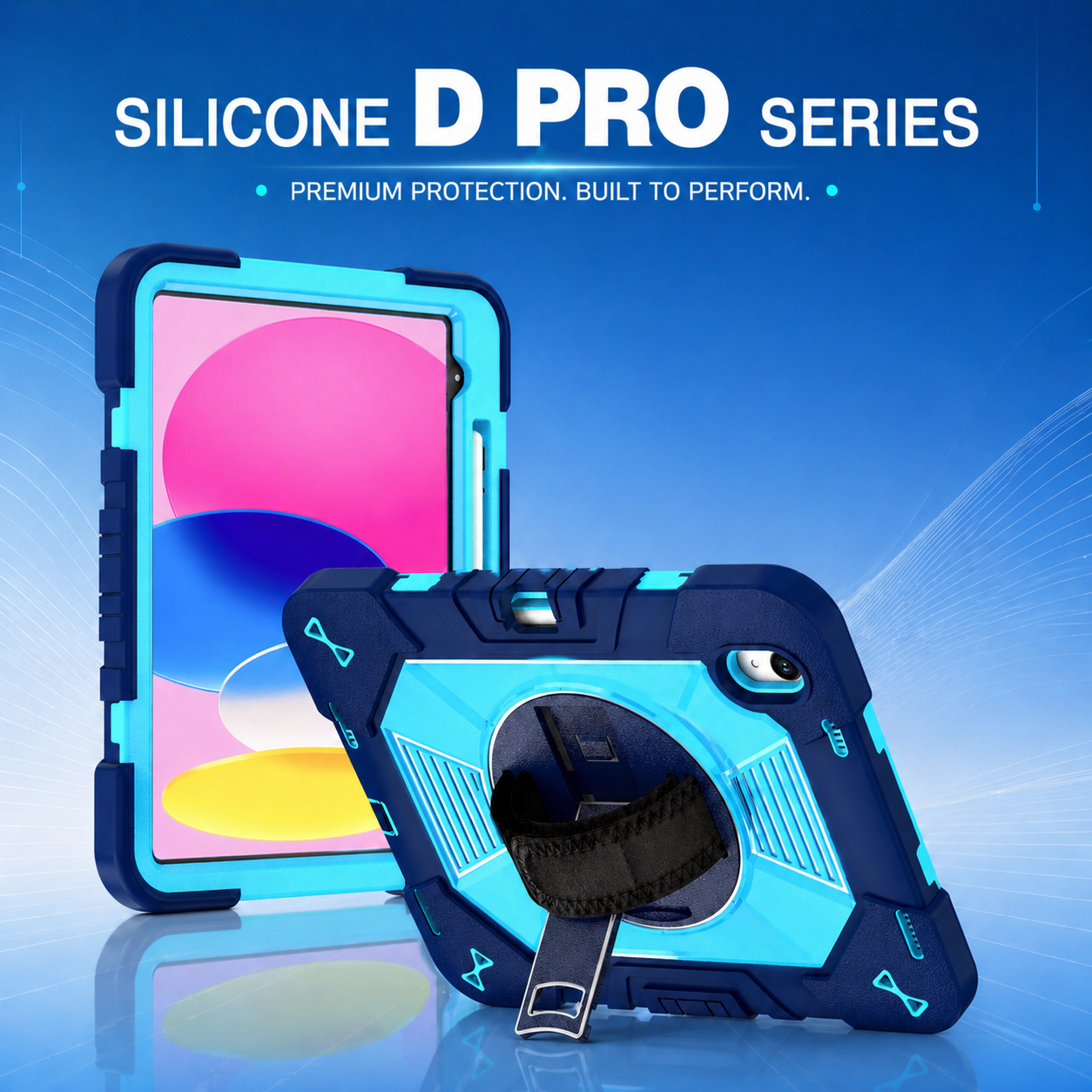
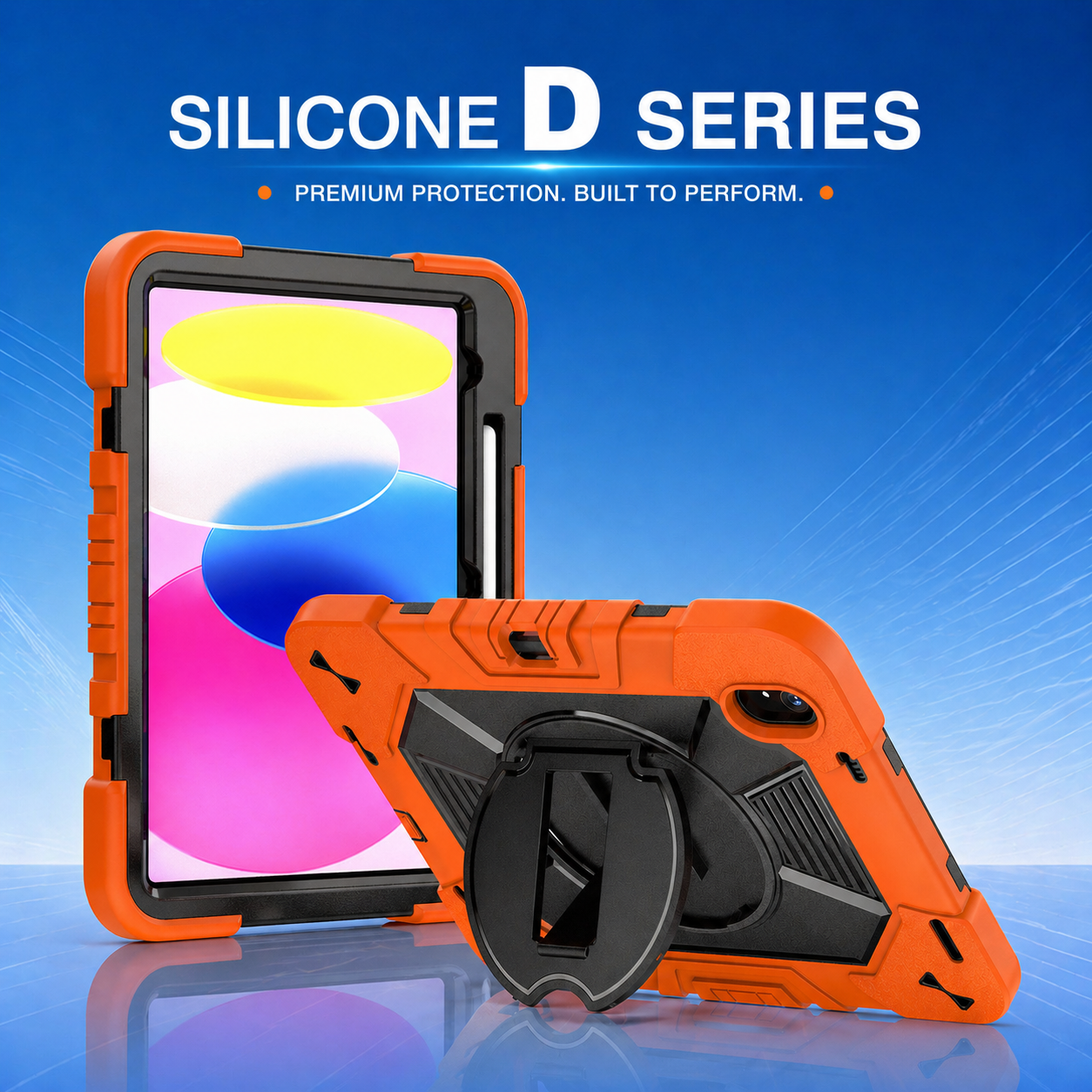

Building a Scalable Supply Partnership for Education Tablet Protection
Education tablet deployments grow in stages. A pilot may begin with one school, expand across a district, and later include new grades, campuses, or device models. The case supplier must be able to grow with the program without sacrificing fit, quality, or delivery reliability. A scalable partnership combines product engineering with forecasting, quality control, documentation, and responsive support. This is why education buyers increasingly evaluate suppliers as long-term operational partners rather than one-time accessory vendors.
Align protection with deployment goals
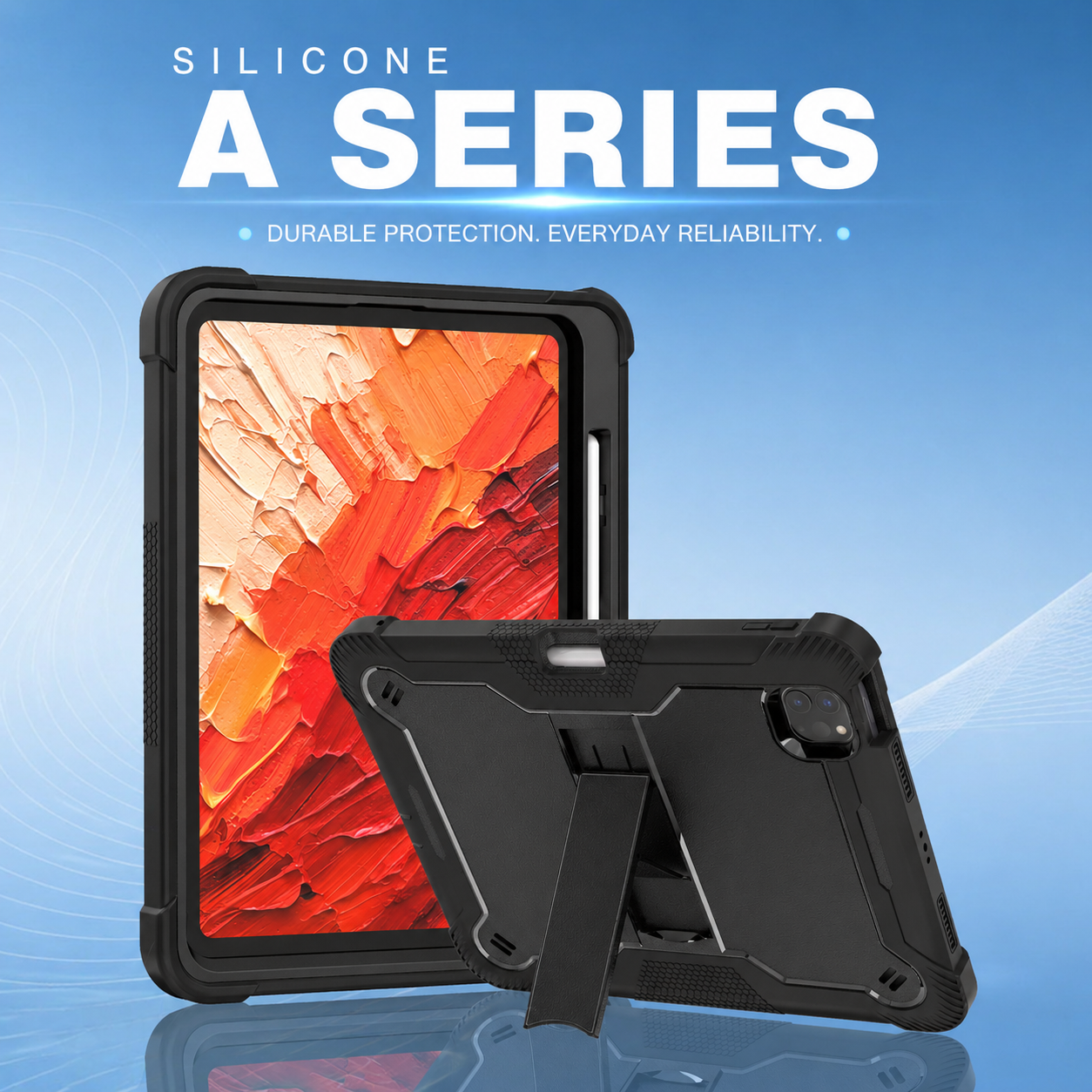
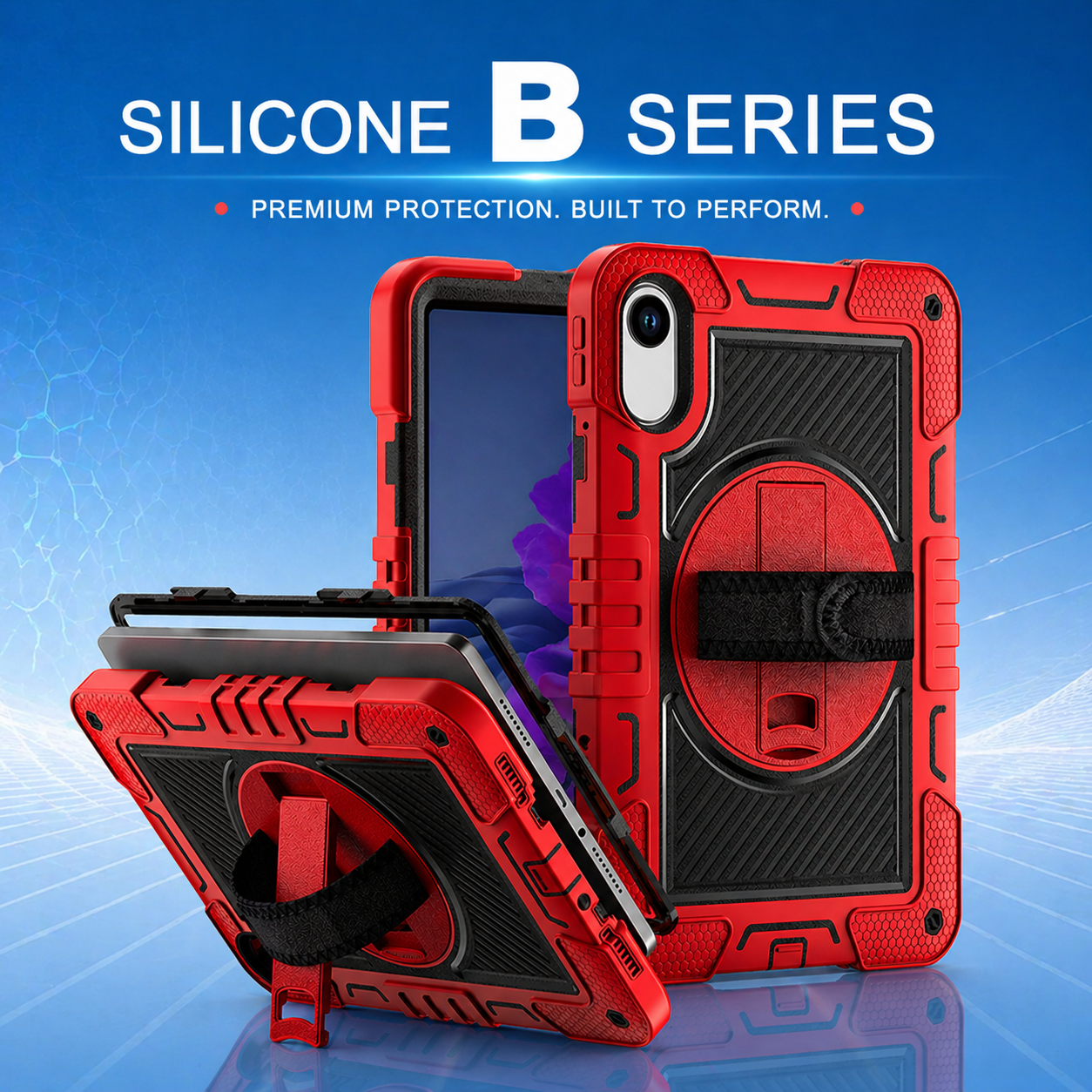
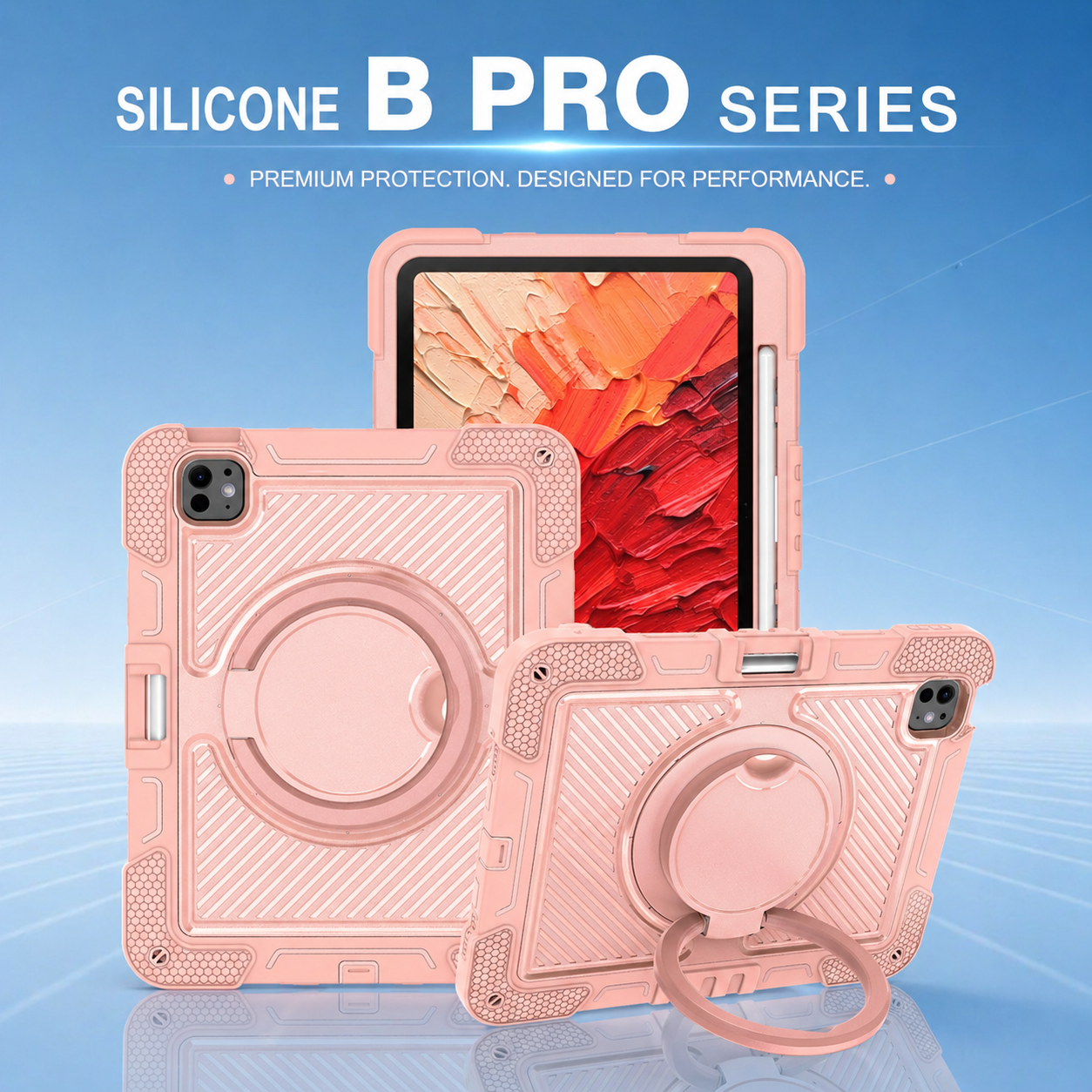
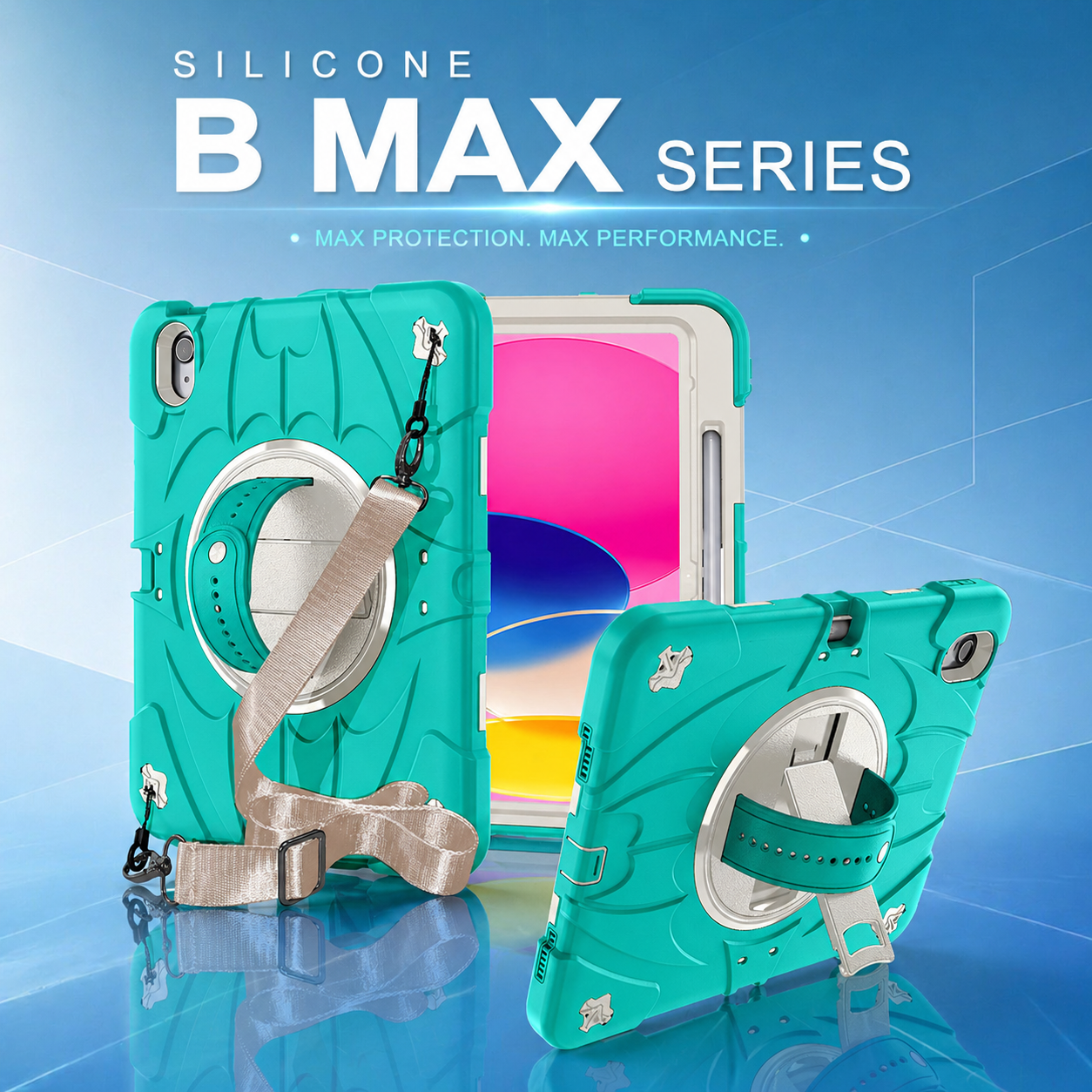
The first step is to define what the case must achieve. Younger students may need handles, soft corners, and simple stands. Secondary students may prioritize slimness, keyboard compatibility, and stylus storage. Special education programs may require straps or alternative handling options. A full body protective tablet case can provide broad coverage, but its exact structure should reflect how and where the device will be used.
Buyers should document device models, quantities, user groups, expected life, cleaning practices, storage systems, and rollout dates. This creates a stable baseline for supplier recommendations and prevents later changes from becoming expensive surprises.
Qualify the supplier’s real capabilities
Product photos do not show whether a supplier can maintain quality across repeated orders. Buyers should assess engineering support, tooling management, material control, production capacity, inspection processes, packaging capability, and export experience. They should also confirm who will manage communication and how technical changes will be documented.
For an #DeviceProtection program, the supplier should be able to explain how fit is verified, how materials are approved, and how defects are prevented. Clear answers are more valuable than broad claims. Sample records, inspection criteria, and corrective-action procedures demonstrate whether the factory operates consistently.
Forecast demand and reserve capacity
School purchasing is seasonal. Orders often peak before semester starts, and several customers may require delivery at the same time. Forecast sharing helps the factory prepare materials, labor, tooling maintenance, and packaging. It also helps the buyer understand cut-off dates for custom colors, logos, or model changes.
A rolling forecast does not need to be perfect. Even an estimated range can support capacity planning. Buyers can divide demand into confirmed orders, likely orders, and future opportunities. The supplier can then identify material risks and propose production windows before schedules become urgent.
Standardize quality across batches
A case approved in the first shipment should remain consistent in later orders. The partnership should preserve golden samples, drawings, bill-of-material details, color standards, packaging files, and inspection criteria. Any change in material, tooling, or process should require review and approval.
For products such as a shockproof iPad tablet case, recurring tests may include fit checks, drop tests, stand cycles, strap pull tests, button response, and visual inspection. The exact plan should match the product’s design and risk level. Documented standards make acceptance decisions faster and reduce disagreement.
Prepare for model transitions
Tablet manufacturers update devices, and schools may operate several generations at once. A scalable supplier tracks model differences and clearly labels compatible cases. Before assuming that an existing case fits a new tablet, engineers should verify dimensions, cameras, speakers, microphones, buttons, charging ports, and accessories.
When new tooling is required, the supplier should provide a development timeline, sample plan, and transition strategy. Remaining stock for the previous model should be managed carefully so schools can still support devices already in service.
Design after-sales support for institutional buyers
Education buyers need a clear process for shortages, transit damage, fit concerns, and warranty claims. The supplier should define response responsibilities, evidence requirements, replacement procedures, and corrective-action timing. For large programs, keeping a small quantity of spare cases or replaceable components can reduce disruption.
Support data also improves future production. If several schools report the same weak point, the factory can investigate usage conditions, material performance, and design geometry. A long-term relationship turns field feedback into product improvement.
Measure partnership performance
Useful supplier metrics include on-time delivery, defect rate, response time, sample approval cycles, claim resolution, and forecast accuracy. Reviews can be scheduled after each major shipment or at regular intervals. The purpose is not only to identify problems but also to recognize what is working and plan the next phase.
A scalable education tablet protection partnership gives buyers confidence that new orders, new models, and new locations can be supported without restarting the sourcing process. When engineering, production, logistics, and service operate as one system, schools receive consistent protection and suppliers gain a clearer path for responsible growth. The result is a more stable program, lower operational risk, and better protection for the devices that support teaching and learning.
SEO Keywords
full-body protective tablet case, shockproof tablet case, factory-direct sourcing, supply chain planning, replacement-part support, after-sales support, education ministries, school districts, universities, training centers, quality inspection, compatibility engineering.





.png)
+86 13422271740
.png)
info@tongmeitech.com
.png)
No. 34, Mashe Section, Guihe Road, Lishui Town, Foshan, Guangdong, China