- 1
- BLACKL
- TABLETAPPLE iPad Mini 8NEW iPad A16(2025) iPad 10.9" 10th (2022) iPad 10.2" (7th/8th/9th) iPad Air 13" (M2/M3/M4)(2024/2025/2026)NEW iPad Air 11" (M2/M3/M4)(2024/2025/2026)NEW iPad Mini 8.3" (A7 Pro/6th Gen) iPad Pro13"(M4/M5)(2024/2025) iPad Pro11"(M4/M5)(2026) iPad 9.7" (5th/6th Gen) iPad Pro 12.9"(2018-2022) iPad Pro 11"(2018-2022) iPad 9.7"(2th/3th/4th) iPad Air 10.9"(4th/5th Gen) iPad Mini 7.9"(4th/5th Gen)SAMSUNG Galaxy Tab A11 Galaxy Tab A11 Plus Galaxy Tab S11 Galaxy Tab S12 PlusNEW Galaxy Tab S12 UltraNEW Galaxy Tab A9+ Galaxy Tab A9 Galaxy Tab A8 Galaxy Tab A7 Galaxy Tab A7 Lite Galaxy Tab S11 Ultra/S10 Ultra/S9 Ultra/S8 Ultra Galaxy Tab S10+/S9+/S9 FE+ Galaxy Tab S10Lite/S10 FE/S9 FE/S9 Galaxy Tab S8+/S7+/S7 FE Galaxy Tab S8/S7 Galaxy Tab S6 lite Galaxy Tab A10.1 Galaxy Tab A8.4 Galaxy Tab A8.0 Galaxy Tab S10 FE+LENOVO iDea tab 11/Tab K11 Gen 2 /Xiaoxin Pad 11 2025 Lenovo Tab K9 (Tab One) 2025 Lenovo Tab M10 10.1"(2025) Lenovo Tab M10 Plus 10.6" (3rd Gen) Lenovo Tab M10 HD 10.1" (3rd Gen) Lenovo K10/M10 Plus 10.3" (2nd Gen) Lenovo Tab M10 HD 10.1" (2nd Gen)XIAOMI Redmi Pad 2 9.7 InchNEW Xiaomi Pad8/8Pro 11.2" Redmi Pad2/Pad2.4G Xiaomi Pad 6/6 Pro 11" Redmi Pad 10.61" Redmi Pad Se 11" Redmi pad Se 4G 8.7" Xiaomi Pad7/7 Pro 11.2" Redmi Pad Pro/Xiaomi Poco Pad/Redmi Pad2 Pro 12.1HUAWEI Huawei Matepad Se 10.4" Huawei Matepad 11" Huawei Matepad 11.5" Huawei Matepad SE 11" Huawei Matepad T8 8" Huawei Matepad T10 9.7"
- CATEGORIES
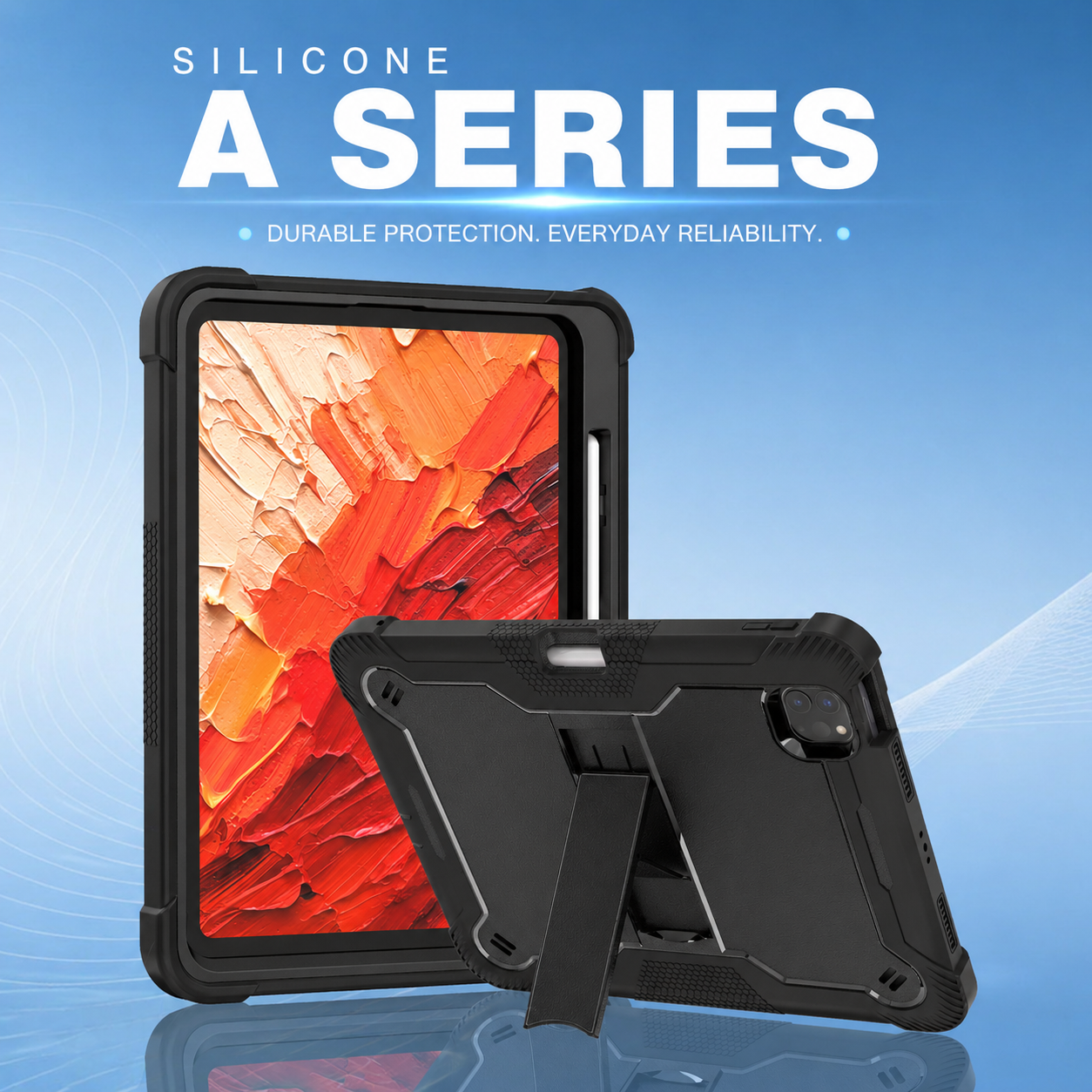
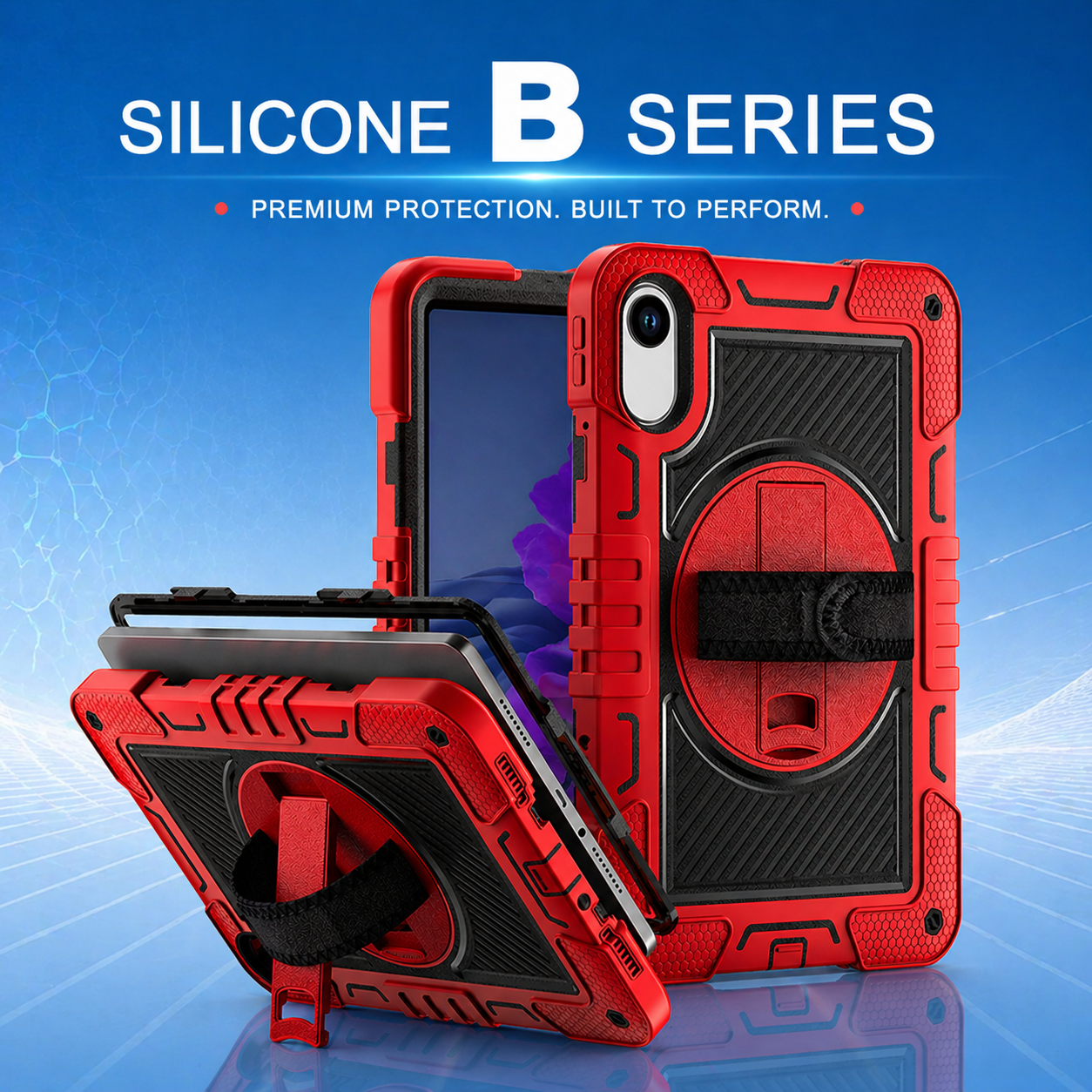
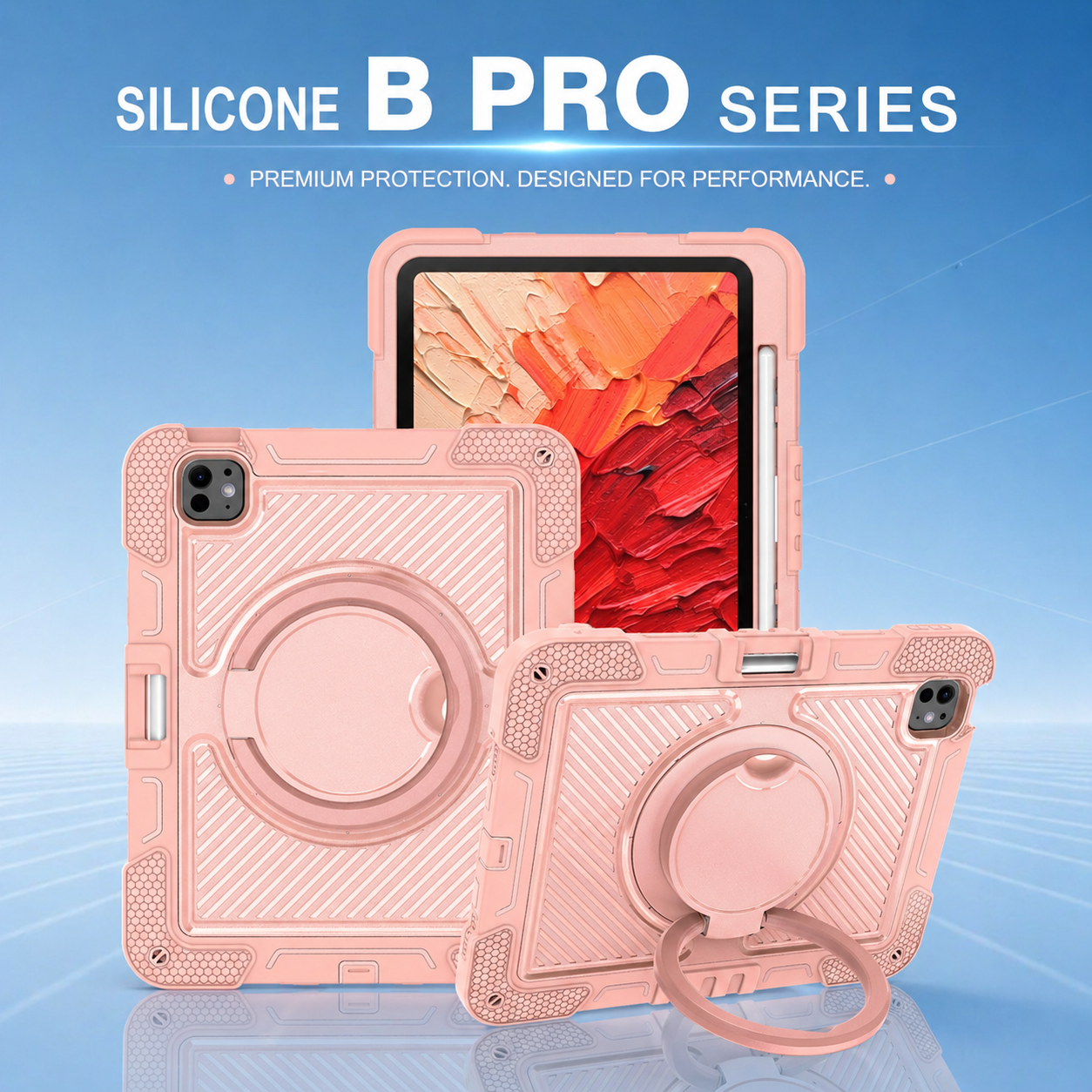
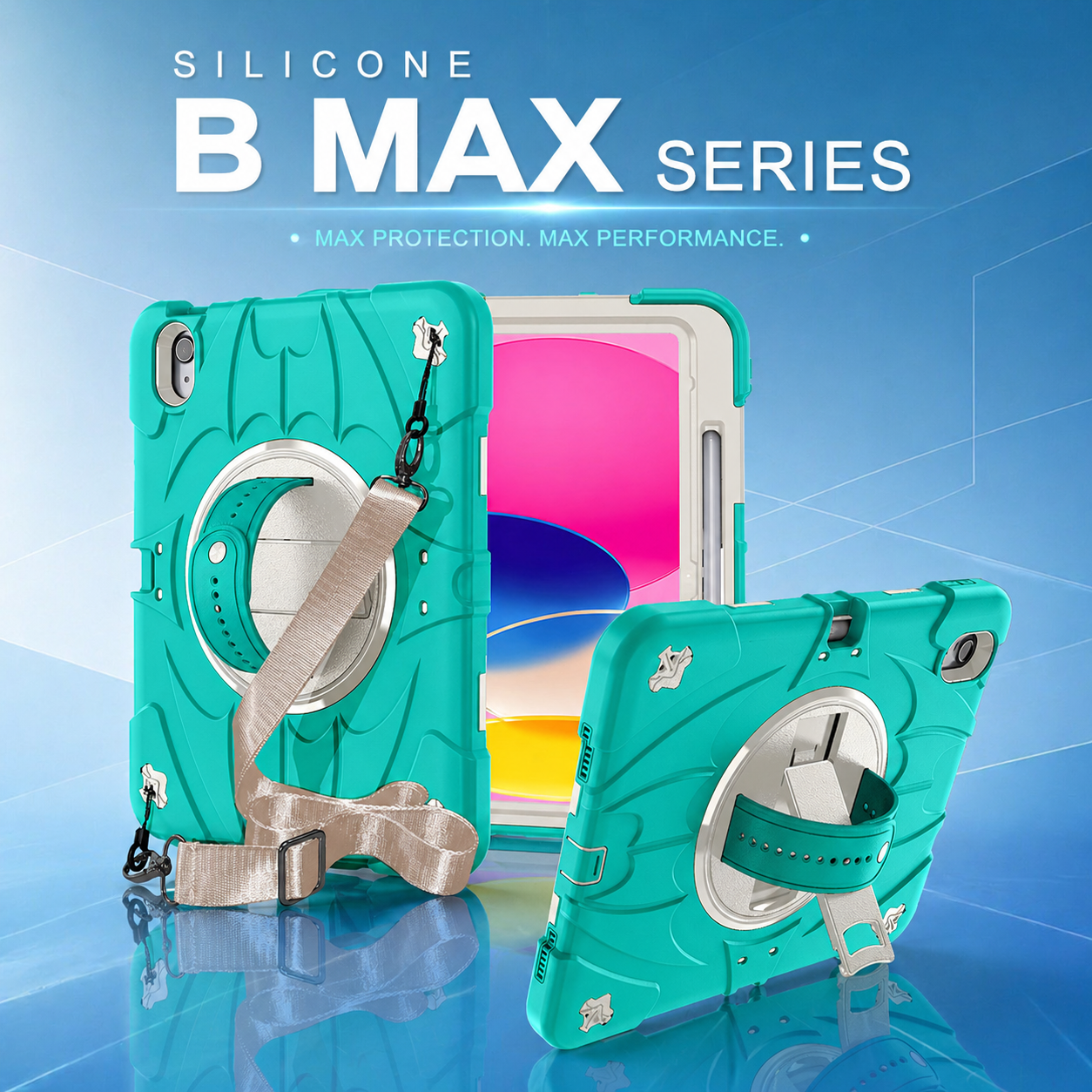
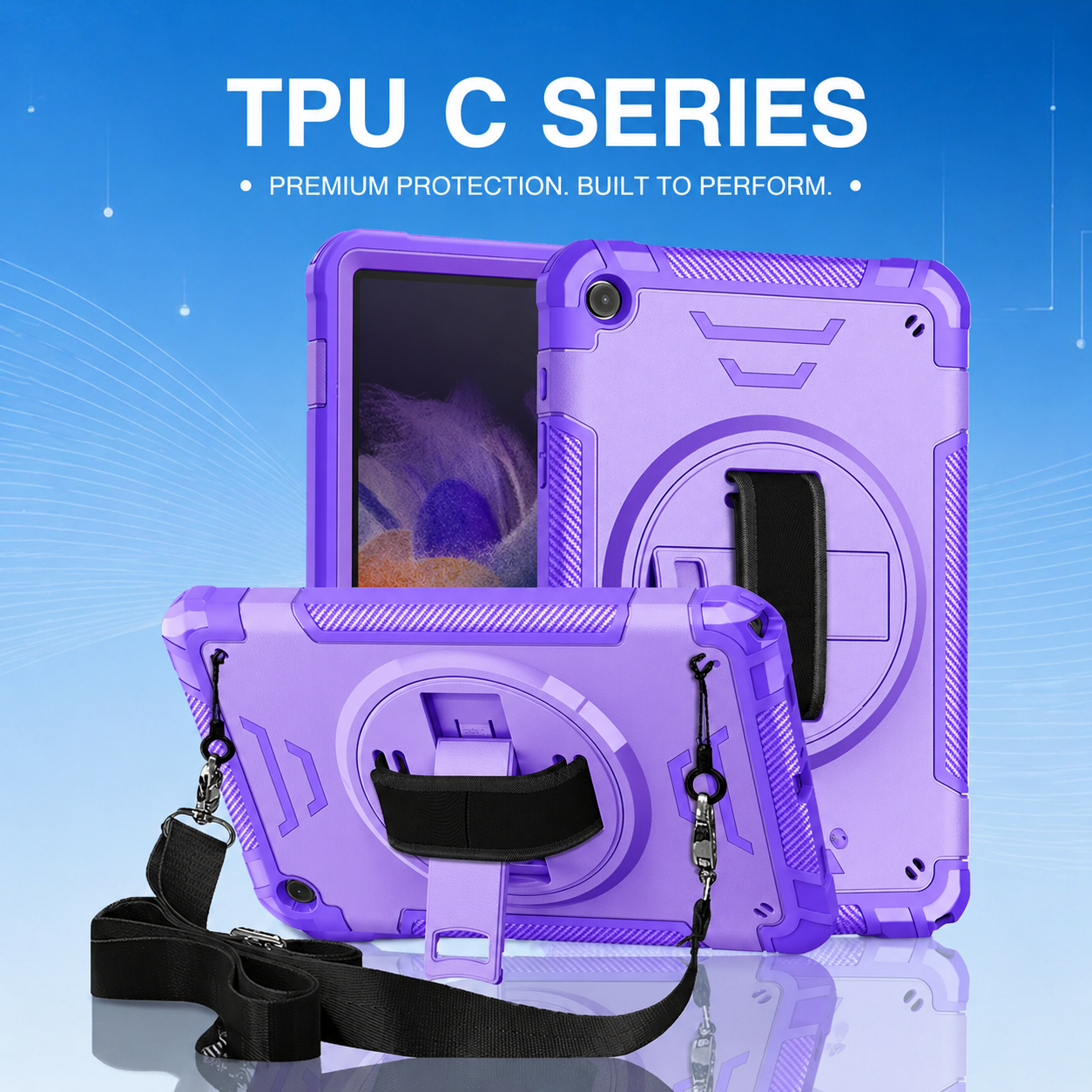
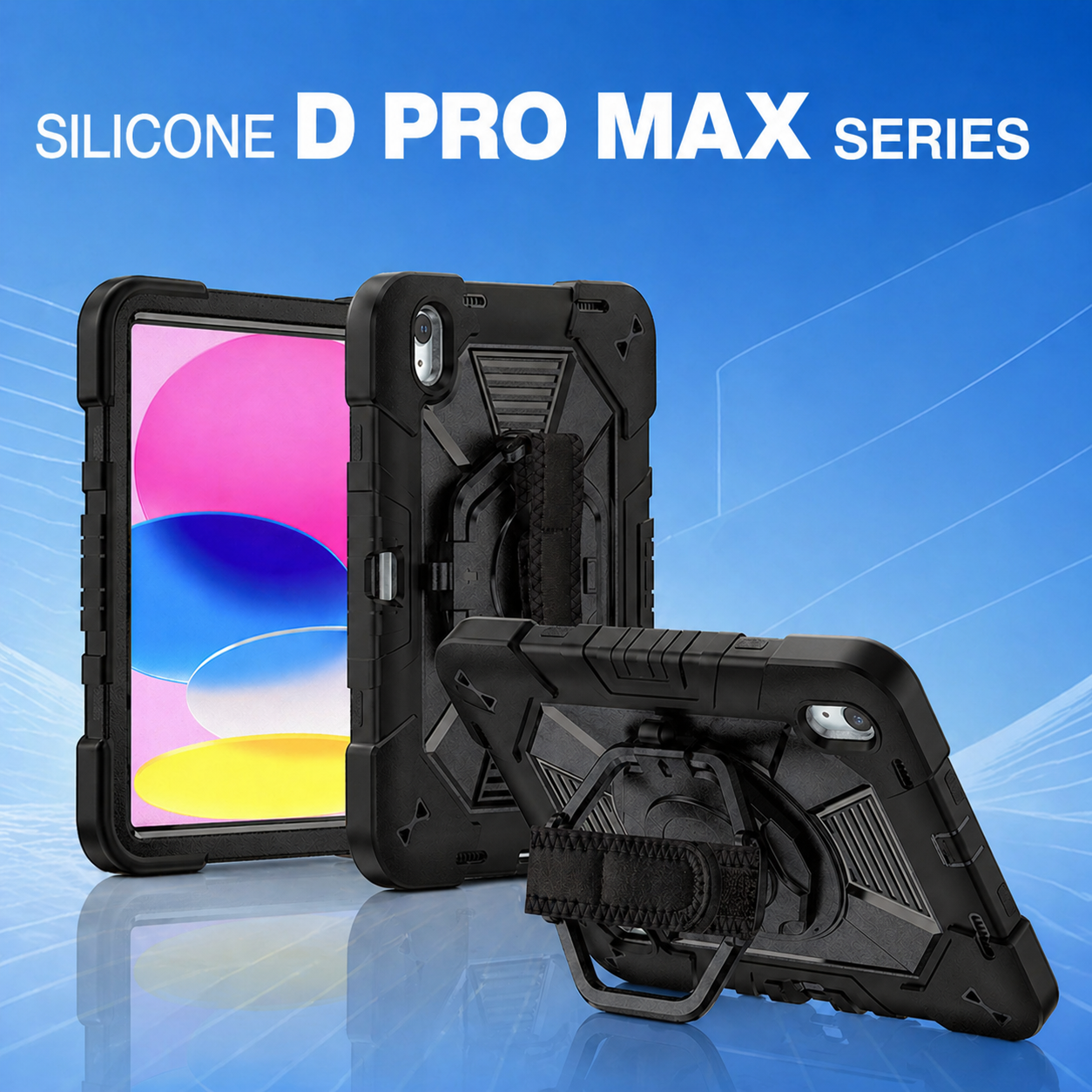
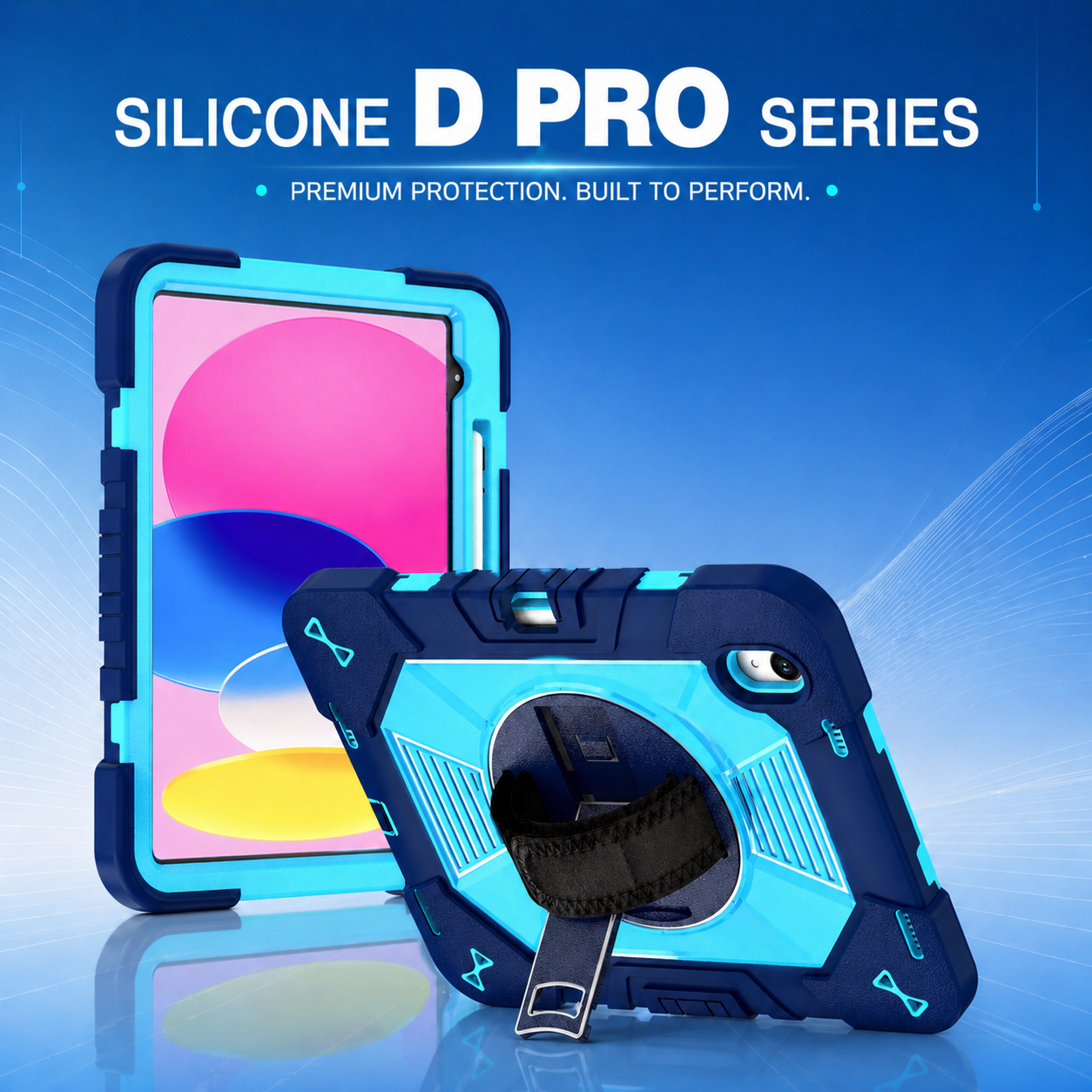
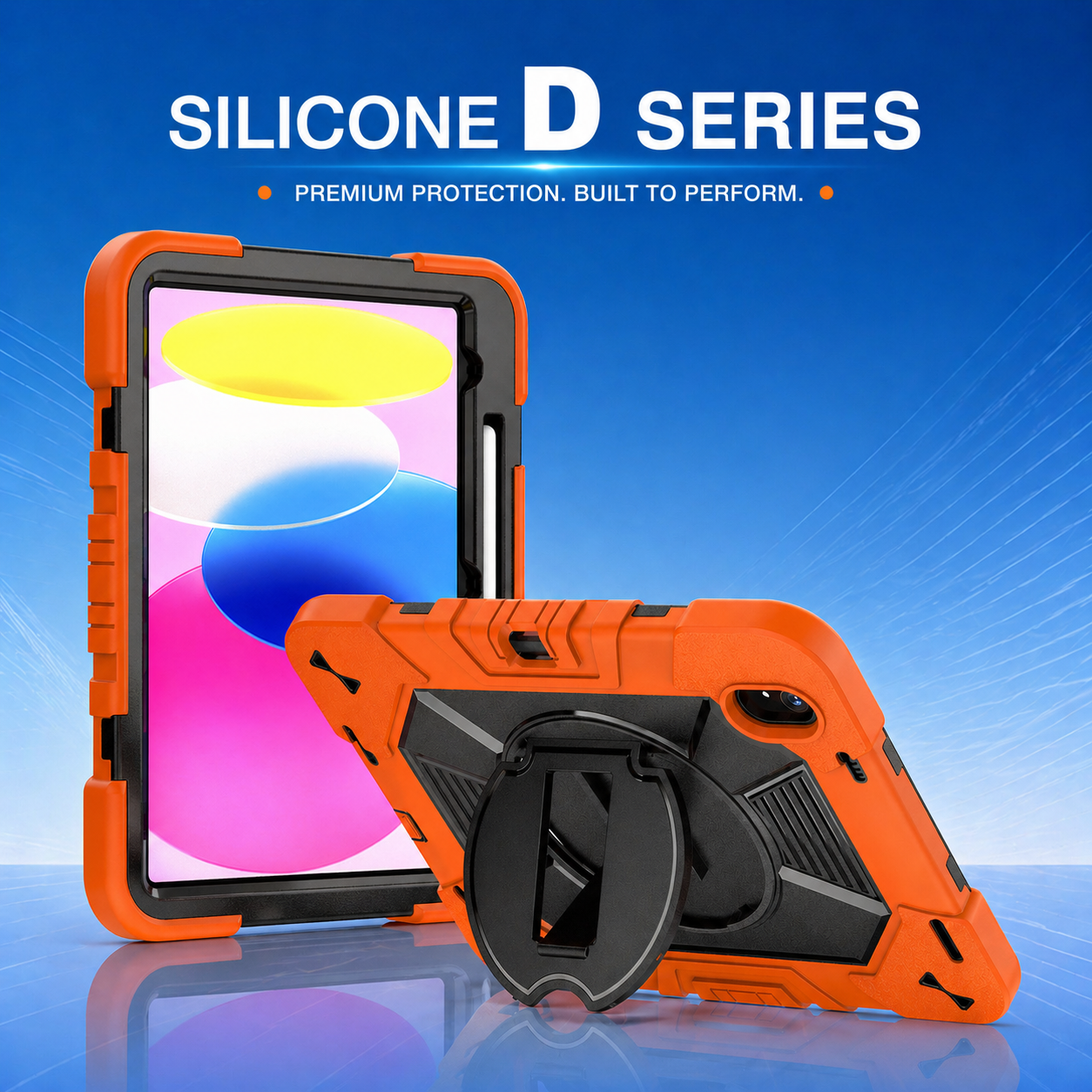

Building an OEM and ODM Rugged Tablet Case Manufacturing Program
Enterprise tablet deployments rarely succeed through hardware selection alone. The case, straps, stands, mounts, packaging, labels, and replacement parts all affect how smoothly devices are distributed and used. When an organization has specific requirements for branding, protection, ergonomics, or operating conditions, an OEM or ODM manufacturing program can turn a standard accessory into a consistent field solution. The process works best when commercial goals, engineering details, user feedback, and quality control are connected from the beginning.
Define the Application Before the Product
A useful development brief should explain who uses the tablet, where it is used, what tasks are performed, and which failures are unacceptable. A utility technician may need drop resistance, glove-friendly controls, a shoulder strap, and outdoor visibility. A warehouse team may need a rotating hand strap and compatibility with scanning routines. A school deployment may prioritize lightweight handling, simple cleaning, and a kids education tablet case with reinforced corners and an easy-carry profile.
The brief should also identify the exact tablet model and generation. Small changes in dimensions, camera position, speaker location, charging port, or button geometry can require a new mold or insert. Providing physical devices, accurate drawings, or verified 3D data reduces fit risk. Buyers should specify whether the case must support screen protectors, pencils, docking stations, cables, or existing mounts.
Choose Between OEM Adaptation and ODM Development
OEM programs usually adapt an existing platform through logo application, color changes, packaging, labels, and selected accessories. This route can reduce development time and tooling cost. ODM development is more appropriate when the customer needs new structure, proprietary styling, special mounting, unusual materials, or a unique ergonomic feature. The decision should reflect order volume, target cost, launch schedule, and the level of differentiation required.
A heavy duty rugged Case may use a rigid internal shell, an impact-absorbing outer layer, reinforced corners, raised screen edges, and integrated accessories. During development, each feature should be tied to a measurable requirement. For example, strap strength can be tested under load, kickstand stability can be evaluated at defined angles, and fit can be checked with dimensional gauges. Clear acceptance criteria prevent subjective disputes later.
Prototype, Test, and Refine
Prototypes allow the buyer and manufacturer to evaluate fit, access, grip, weight, appearance, and assembly before committing to mass production. Early samples may be created through 3D printing, soft tooling, CNC processes, or modified existing parts. These samples are not always representative of final material performance, but they are valuable for confirming geometry and user interaction.
Testing should reflect the intended environment. A shockproof iPad tablet case for mobile teams can be checked through controlled drops, repeated button use, port-cover cycling, kickstand operation, strap loading, cleaning exposure, and temperature or vibration tests where relevant. Results should be documented, and changes should be reflected in updated drawings and sample approvals. A short pilot with real users can reveal ergonomic problems that laboratory testing misses.
Control Tooling and Production Quality
Tooling approval is a critical milestone. The parties should agree on mold ownership, maintenance responsibility, expected life, change procedures, and storage. First-article samples should be inspected against approved drawings and the signed reference sample. Material grades, hardness, color, surface texture, logo method, and assembly process should be controlled so that future batches remain consistent.
Production quality can be managed through incoming material checks, in-process inspection, functional testing, appearance inspection, and final sampling. Critical points may include tablet retention, layer bonding, corner coverage, button response, camera alignment, stand resistance, strap attachment, and packaging accuracy. For multi-site enterprise programs, lot identification and traceability make it easier to investigate issues and manage replacements.
Plan Packaging, Logistics, and Deployment
Packaging should protect the case while making deployment efficient. Model identification, barcodes, color coding, accessory lists, and installation instructions can reduce errors at distribution centers or local offices. Some customers need individual retail boxes, while others prefer bulk packaging that lowers waste and handling time. Spare straps, stands, clips, or screen protectors may be packed separately for service teams.
Lead times should include sampling, tooling, material procurement, production, inspection, and transportation. Buyers should discuss forecast changes, minimum order quantities, safety stock, and repeat-order schedules early. A manufacturing partner that communicates constraints clearly can help prevent shortages and rushed quality decisions.
Create a Long-Term Improvement Loop
The first production order should not be treated as the end of development. Device fleets change, employees discover new workflow needs, and field data may reveal wear points. A structured review process can track returns, damage patterns, user feedback, and replacement-part demand. These findings can guide material changes, stronger attachment points, improved stands, or updated packaging.
A successful OEM or ODM program combines device protection with measurable operational value. The case should reduce downtime, improve handling, support employee tasks, and remain available through a stable supply chain. By defining requirements clearly, validating prototypes, controlling production, and learning from field use, organizations can build a rugged tablet protection platform that supports digital transformation across the entire mobile workforce.
SEO Keywords
#ODMManufacturer, #OEMTabletCase, #PrivateLabelManufacturer, #ChinaManufacturer, #ManufacturingPartner, #SupplyChainSolution, kids education tablet case, heavy duty rugged Case, shockproof iPad tablet case.





.png)
+86 13422271740
.png)
info@tongmeitech.com
.png)
No. 34, Mashe Section, Guihe Road, Lishui Town, Foshan, Guangdong, China