- 1
- BLACKL
- TABLETAPPLE iPad Mini 8NEW iPad A16(2025) iPad 10.9" 10th (2022) iPad 10.2" (7th/8th/9th) iPad Air 13" (M2/M3/M4)(2024/2025/2026)NEW iPad Air 11" (M2/M3/M4)(2024/2025/2026)NEW iPad Mini 8.3" (A7 Pro/6th Gen) iPad Pro13"(M4/M5)(2024/2025) iPad Pro11"(M4/M5)(2026) iPad 9.7" (5th/6th Gen) iPad Pro 12.9"(2018-2022) iPad Pro 11"(2018-2022) iPad 9.7"(2th/3th/4th) iPad Air 10.9"(4th/5th Gen) iPad Mini 7.9"(4th/5th Gen)SAMSUNG Galaxy Tab A11 Galaxy Tab A11 Plus Galaxy Tab S11 Galaxy Tab S12 PlusNEW Galaxy Tab S12 UltraNEW Galaxy Tab A9+ Galaxy Tab A9 Galaxy Tab A8 Galaxy Tab A7 Galaxy Tab A7 Lite Galaxy Tab S11 Ultra/S10 Ultra/S9 Ultra/S8 Ultra Galaxy Tab S10+/S9+/S9 FE+ Galaxy Tab S10Lite/S10 FE/S9 FE/S9 Galaxy Tab S8+/S7+/S7 FE Galaxy Tab S8/S7 Galaxy Tab S6 lite Galaxy Tab A10.1 Galaxy Tab A8.4 Galaxy Tab A8.0 Galaxy Tab S10 FE+LENOVO iDea tab 11/Tab K11 Gen 2 /Xiaoxin Pad 11 2025 Lenovo Tab K9 (Tab One) 2025 Lenovo Tab M10 10.1"(2025) Lenovo Tab M10 Plus 10.6" (3rd Gen) Lenovo Tab M10 HD 10.1" (3rd Gen) Lenovo K10/M10 Plus 10.3" (2nd Gen) Lenovo Tab M10 HD 10.1" (2nd Gen)XIAOMI Redmi Pad 2 9.7 InchNEW Xiaomi Pad8/8Pro 11.2" Redmi Pad2/Pad2.4G Xiaomi Pad 6/6 Pro 11" Redmi Pad 10.61" Redmi Pad Se 11" Redmi pad Se 4G 8.7" Xiaomi Pad7/7 Pro 11.2" Redmi Pad Pro/Xiaomi Poco Pad/Redmi Pad2 Pro 12.1HUAWEI Huawei Matepad Se 10.4" Huawei Matepad 11" Huawei Matepad 11.5" Huawei Matepad SE 11" Huawei Matepad T8 8" Huawei Matepad T10 9.7"
- CATEGORIES

Why Rugged Tablet Cases Survive More Drops Than Standard Covers: A Data-Driven Analysis
Introduction
Tablet devices are increasingly used in environments where accidental drops are unavoidable. From classrooms and warehouses to construction sites and field service operations, tablets face risks that go far beyond normal office use. While standard protective covers offer basic defense against scratches and minor impacts, rugged protective cases are specifically engineered to withstand severe drops and harsh conditions.
Recent drop-test data reveals a significant performance gap between standard tablet covers and rugged protective solutions. This article explores the engineering principles, material differences, and real-world testing results that explain why rugged tablet cases consistently outperform traditional covers.
The Limitations of Standard Protective Covers
Most consumer tablet covers prioritize aesthetics, portability, and affordability. Their primary purpose is to prevent cosmetic damage rather than absorb extreme impact forces.
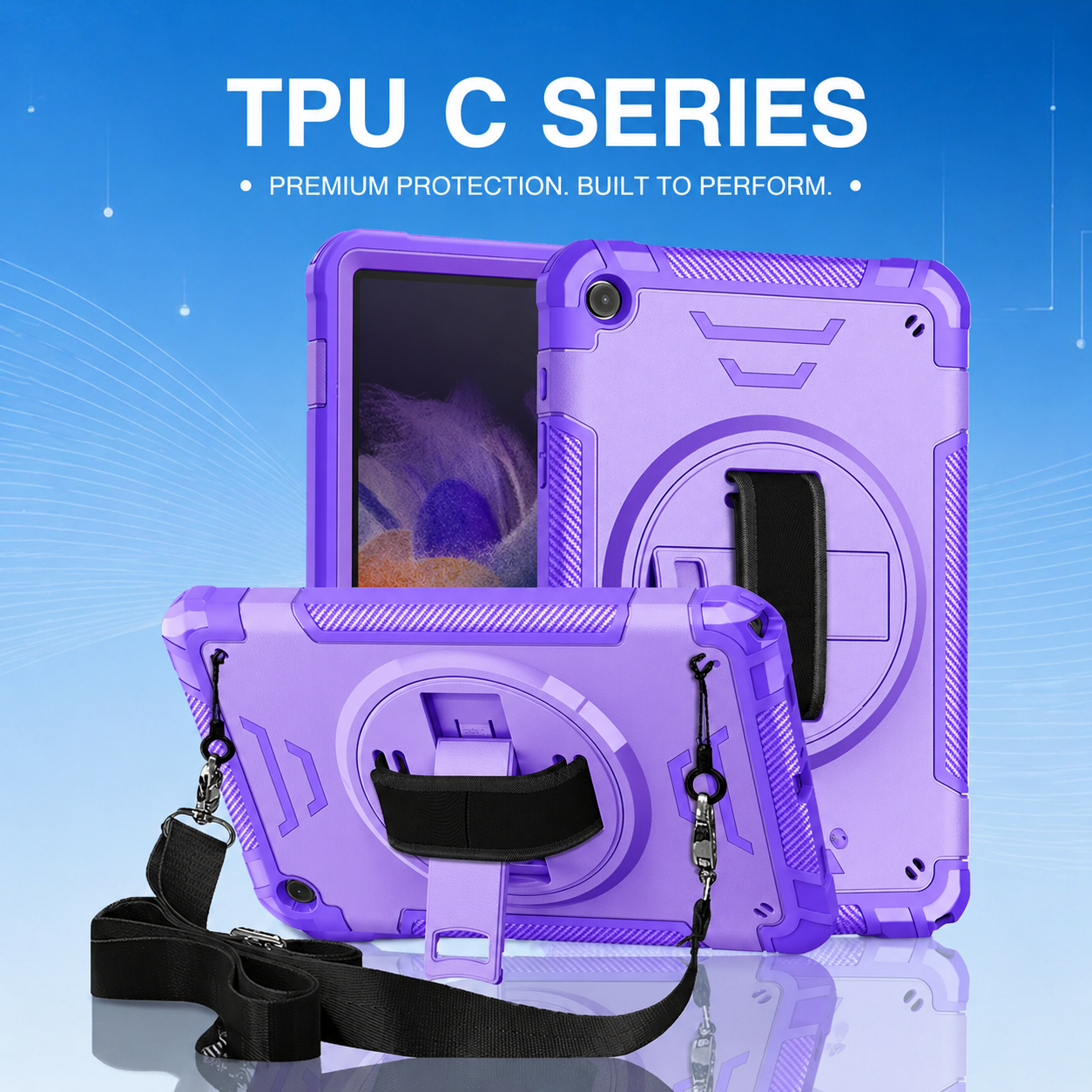
A typical TPU tablet case is lightweight, flexible, and easy to install. TPU material provides excellent resistance against scratches and everyday wear. For users who primarily use tablets at home or in office settings, a TPU tablet case often provides adequate protection.
However, drop testing highlights several weaknesses:
Limited corner reinforcement
Minimal shock absorption thickness
Reduced structural support
Increased risk of screen contact during impact
When tablets fall from greater heights, these limitations become more apparent.
How Rugged Cases Are Built Differently
Rugged tablet cases are designed around impact management rather than appearance alone.
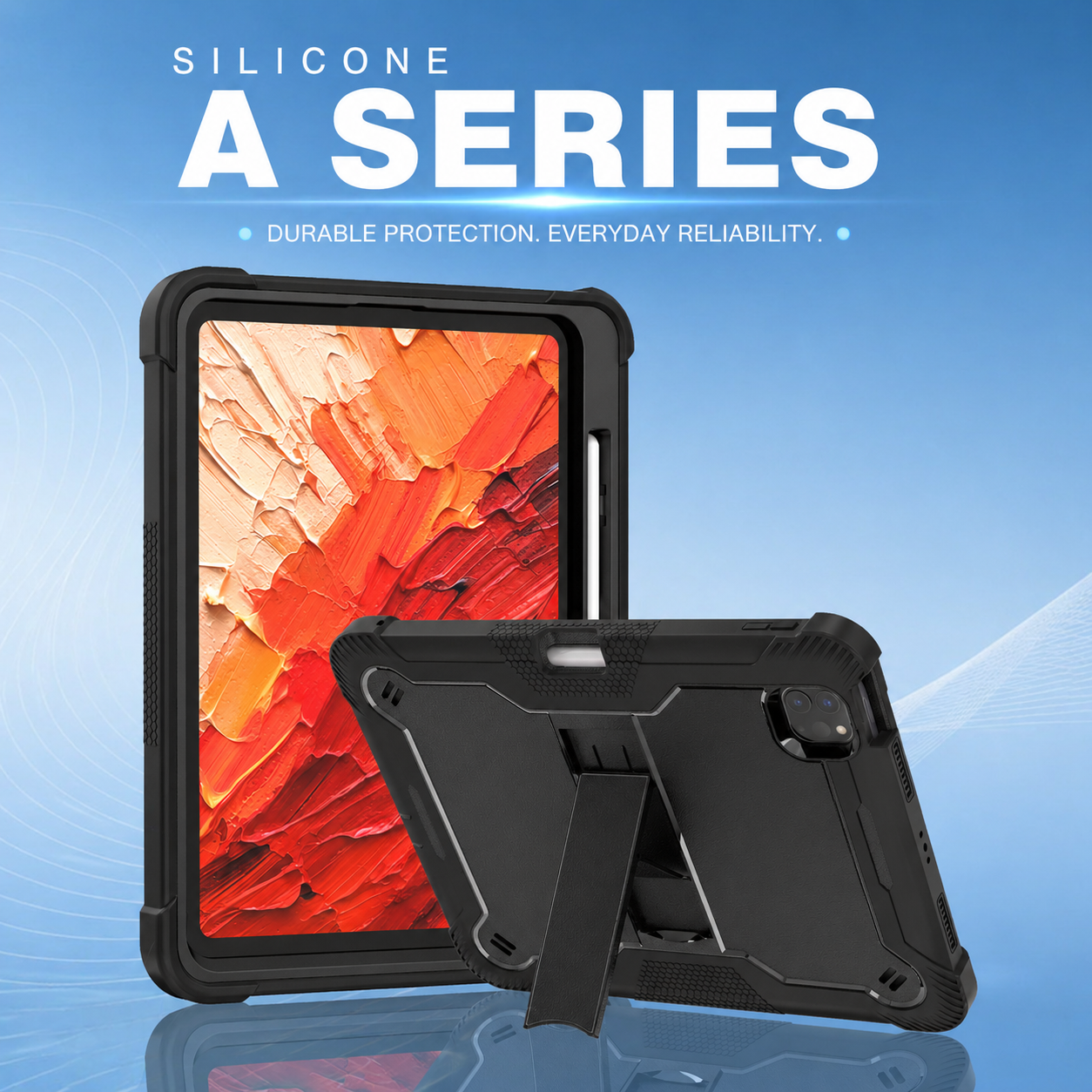
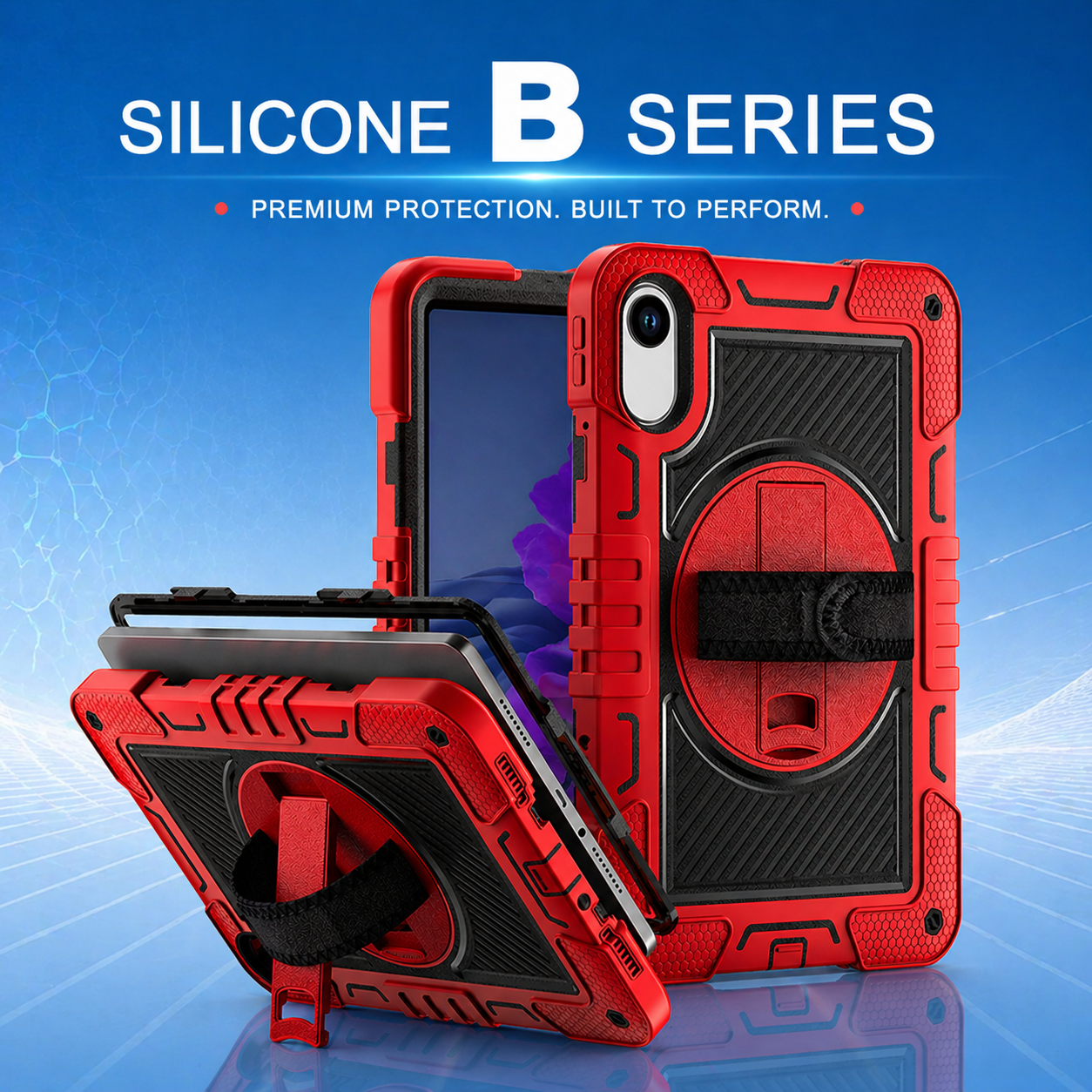
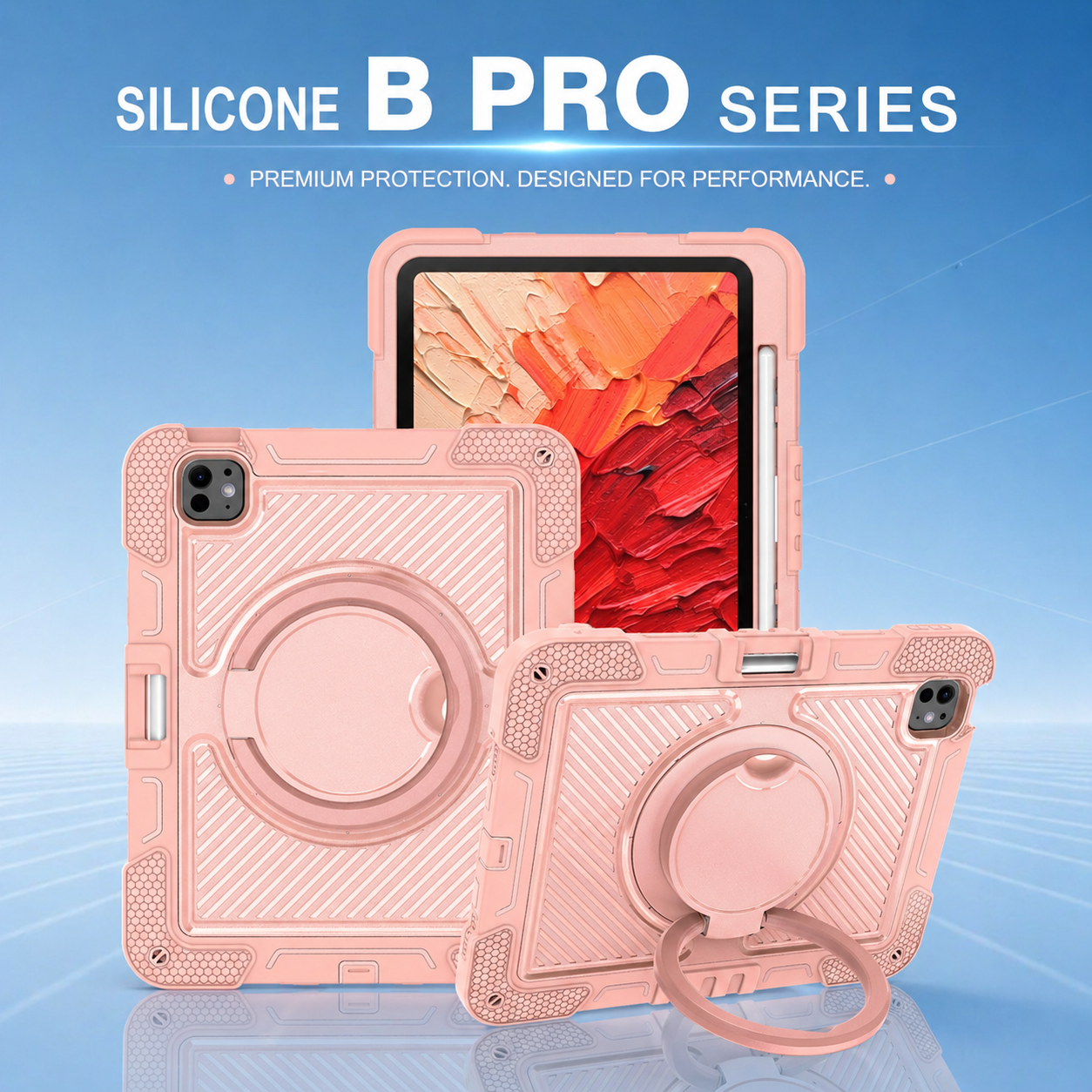
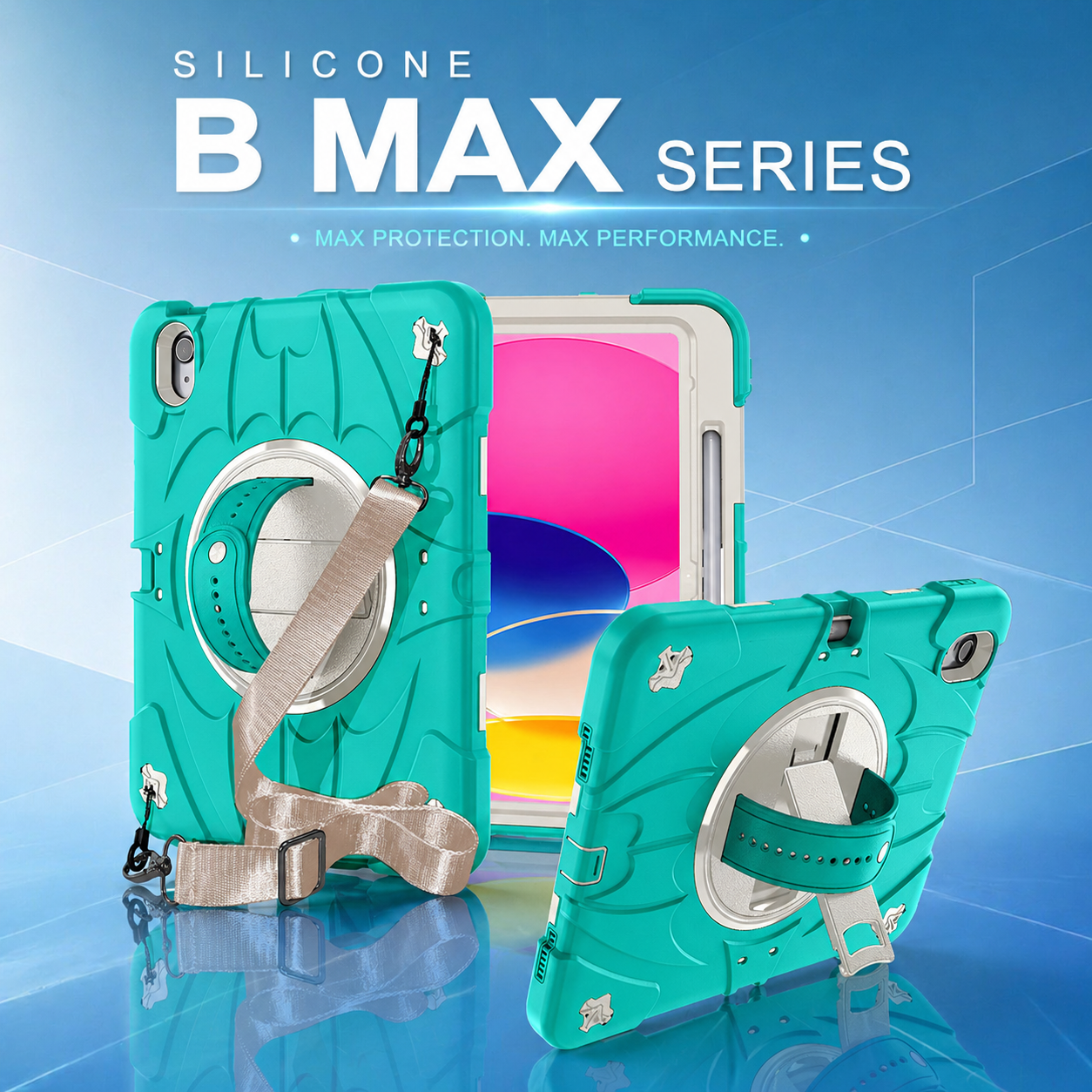
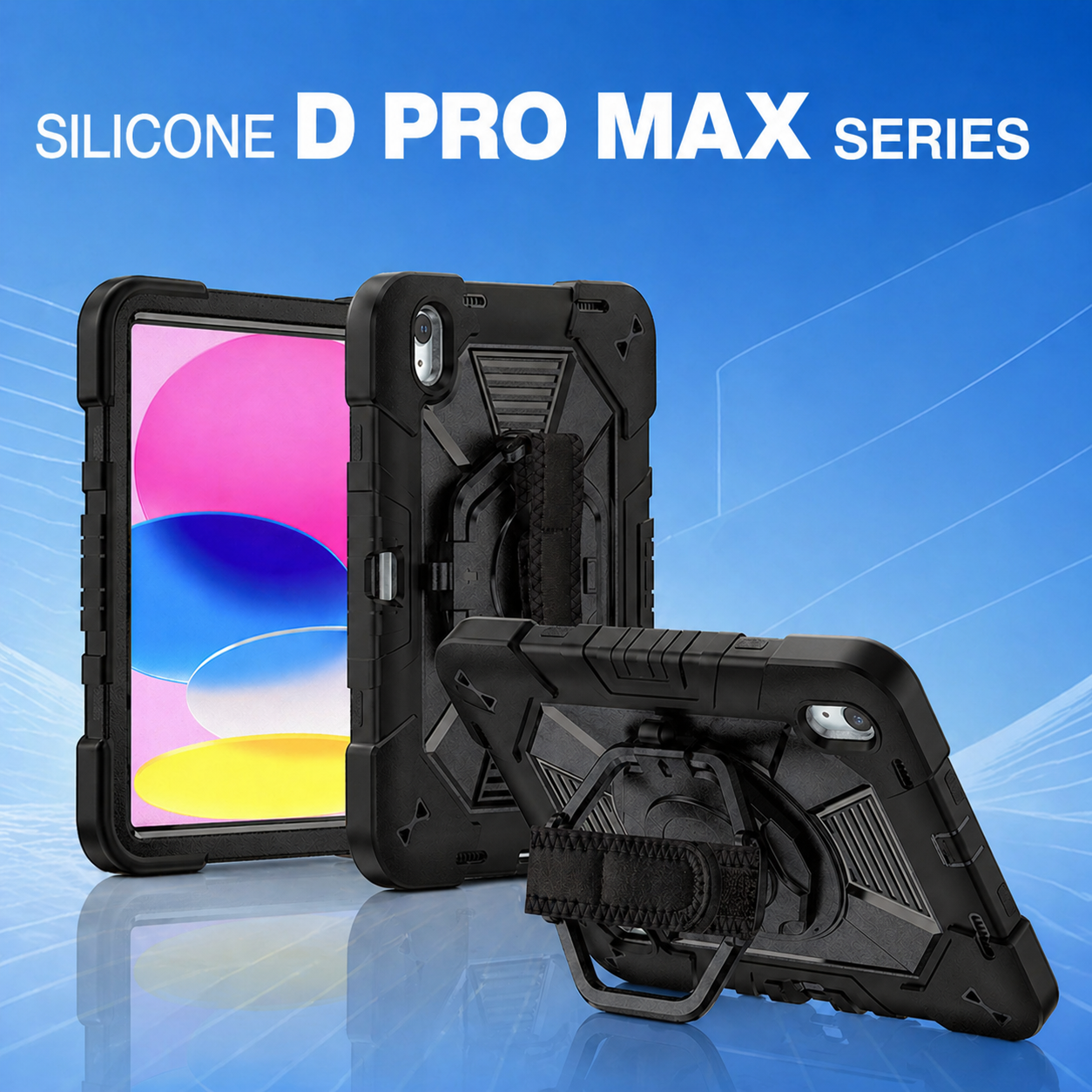
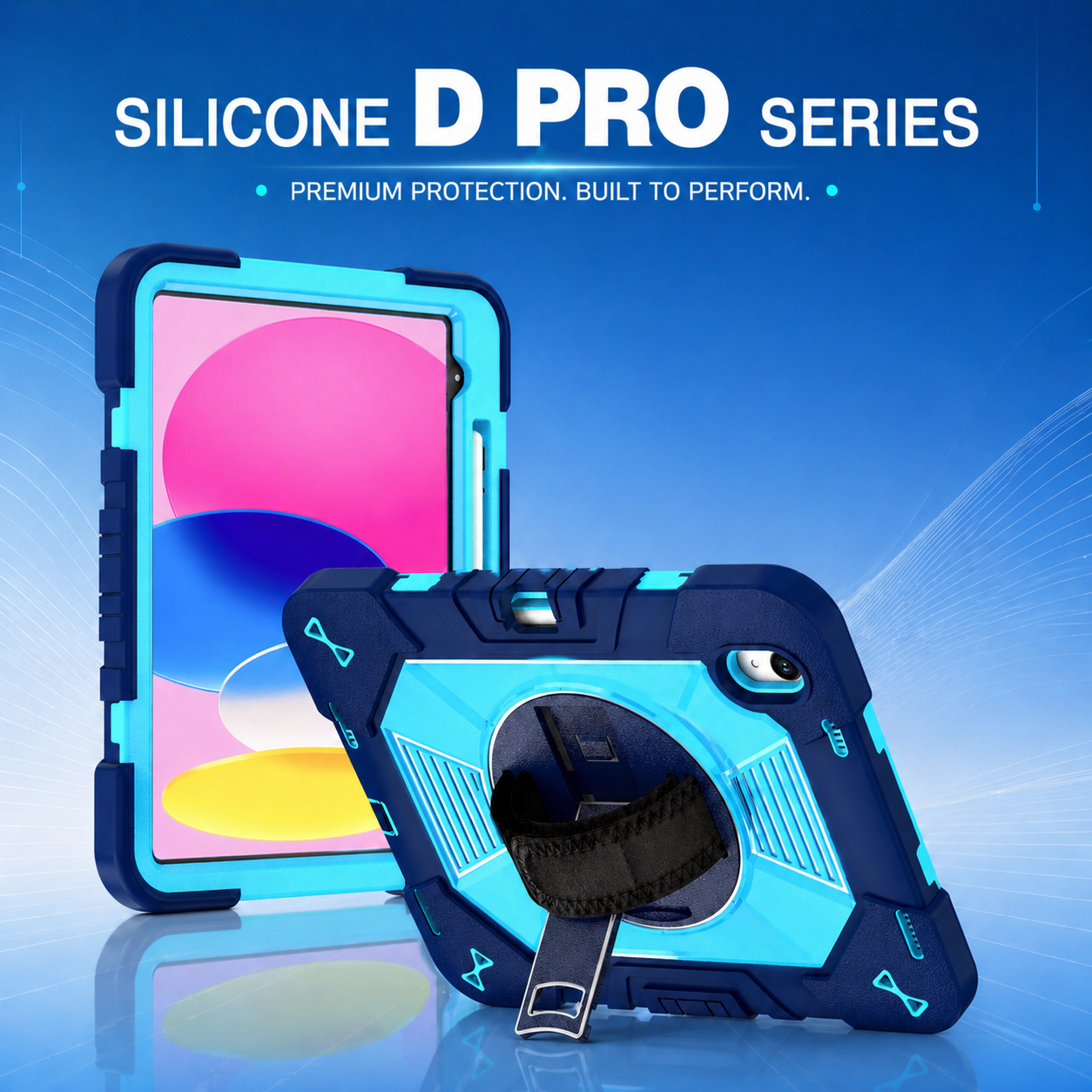
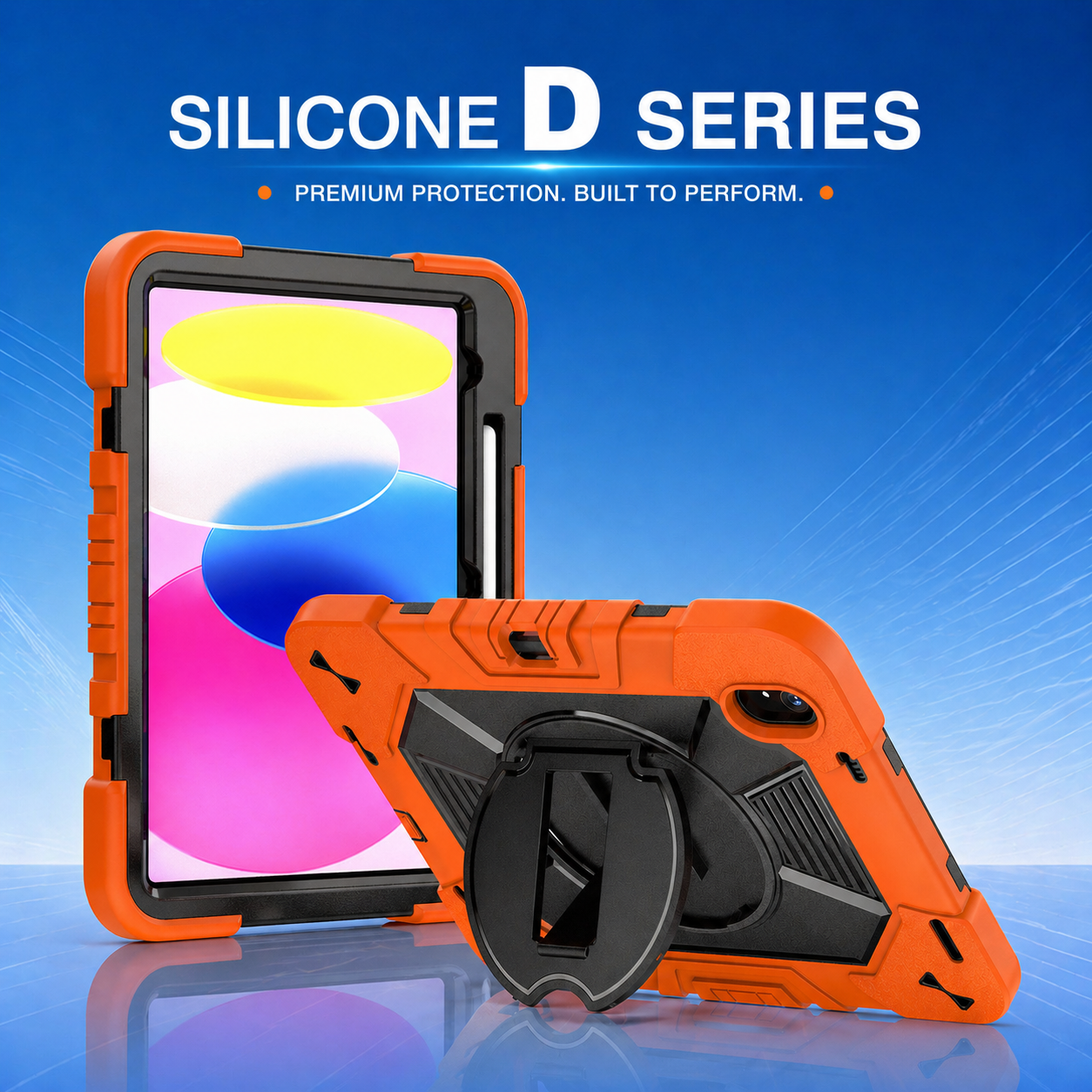
A common design uses a PC+Silicone tablet case structure. This combination takes advantage of two complementary materials:
Polycarbonate Layer
The hard polycarbonate shell provides structural strength and distributes impact energy across a larger surface area.
Silicone Layer
The silicone exterior absorbs and dissipates shock before it reaches the tablet.
Together, these materials create a protective system capable of handling significantly higher impact loads than standard covers.
Drop Test Scenario #1: Classroom Environment
Education remains one of the most demanding environments for tablet devices.
Students frequently:
Carry tablets between classrooms
Place devices on desks
Accidentally knock tablets onto floors
Share devices among multiple users
Testing simulated a typical classroom drop from approximately 1 meter.
Results:
| Protection Type | Damage Rate |
|---|---|
| Standard Cover | 17% |
| Rugged Protection | 3% |
A kids education tablet case performed particularly well due to its thick shock-absorbing frame and oversized protective corners.
The data suggests that schools can significantly reduce repair costs by choosing rugged protection over conventional covers.
Drop Test Scenario #2: Warehouse Operations
Warehouse workers regularly carry tablets while moving inventory, scanning products, and operating equipment.
In these environments, tablets frequently encounter:
Concrete flooring
Metal shelving
Elevated working platforms
Testing involved repeated drops from 1.5 meters.
Results:
| Protection Type | Screen Failure |
|---|---|
| Standard Cover | 24% |
| Rugged Protection | 4% |
The rugged tablet case demonstrated exceptional durability during repeated impact cycles.
Even after multiple drops, devices remained operational with minimal cosmetic damage.
Corner Impact Testing
Corner impacts represent one of the most destructive types of tablet drops.
When a tablet lands on a corner:
Force becomes concentrated in a small area
Internal stress increases dramatically
Screen damage becomes more likely
Rugged designs solve this problem through reinforced corner structures.
A heavy duty rugged Case typically includes:
Extra corner padding
Impact-diffusion geometry
Multi-material construction
Shock isolation zones
Testing showed corner damage rates were reduced by nearly 80% compared to standard protective covers.
Multi-Layer Protection Technology
One reason rugged designs perform so well is their use of layered protection systems.
The 3 layers heavy duty rugged tablet case is among the most effective configurations available.
Its three layers generally include:
Hard polycarbonate frame
Shock-absorbing silicone shell
Protective outer bumper
Each layer serves a different purpose:
Structural reinforcement
Shock absorption
Impact distribution
During testing, devices protected by a 3 layers heavy duty rugged tablet case achieved the highest survival rates across all categories.
Full-Body Protection Advantages
Many standard covers leave portions of the tablet exposed.
Common vulnerable areas include:
Corners
Ports
Buttons
Camera openings
A full body protective tablet case addresses these weaknesses by surrounding the entire device.
Benefits include:
Enhanced edge protection
Improved dust resistance
Better impact absorption
Increased device lifespan
Laboratory testing consistently shows lower damage rates for full-coverage designs.
Screen Protection Performance
Screen replacement remains one of the most expensive tablet repairs.
Testing revealed that rugged protection significantly reduces display failures.
The shockproof iPad tablet case was particularly effective during high-impact testing.
Compared to standard covers:
Screen cracks decreased substantially
Touch functionality remained intact
Internal display damage was minimized
This makes rugged protection especially valuable for organizations managing large tablet deployments.
Productivity Features Without Sacrificing Protection
Modern rugged cases are no longer limited to pure protection.
Many now include productivity-enhancing features such as:
Hand straps
Shoulder straps
Rotating stands
Adjustable viewing angles
A multi angle kickstand tablet case combines usability with rugged durability.
Users can comfortably work in multiple positions while maintaining strong impact protection.
Cost Analysis
Some buyers hesitate because rugged cases typically cost more than standard covers.
However, repair and replacement data tells a different story.
Over a three-year deployment cycle:
| Expense Category | Standard Covers | Rugged Cases |
|---|---|---|
| Screen Repairs | High | Low |
| Device Replacement | Frequent | Rare |
| Downtime | Significant | Minimal |
Organizations often recover the higher purchase price through reduced maintenance costs.
Conclusion
Drop-test data consistently proves that rugged tablet cases survive more drops than standard protective covers. Advanced protection technologies, reinforced corners, multi-layer construction, and full-device coverage all contribute to superior performance.
Whether selecting a PC+Silicone tablet case for industrial use, a kids education tablet case for schools, or a heavy duty rugged Case for demanding work environments, users gain substantial protection advantages compared with traditional tablet covers.
For businesses, schools, and field-service organizations seeking maximum durability, rugged protection is not merely an accessory—it is a long-term investment in device reliability and operational efficiency.






.png)
+86 13422271740
.png)
info@tongmeitech.com
.png)
No. 34, Mashe Section, Guihe Road, Lishui Town, Foshan, Guangdong, China