- 1
- BLACKL
- TABLETAPPLE iPad Mini 8NEW iPad A16(2025) iPad 10.9" 10th (2022) iPad 10.2" (7th/8th/9th) iPad Air 13" (M2/M3/M4)(2024/2025/2026)NEW iPad Air 11" (M2/M3/M4)(2024/2025/2026)NEW iPad Mini 8.3" (A7 Pro/6th Gen) iPad Pro13"(M4/M5)(2024/2025) iPad Pro11"(M4/M5)(2026) iPad 9.7" (5th/6th Gen) iPad Pro 12.9"(2018-2022) iPad Pro 11"(2018-2022) iPad 9.7"(2th/3th/4th) iPad Air 10.9"(4th/5th Gen) iPad Mini 7.9"(4th/5th Gen)SAMSUNG Galaxy Tab A11 Galaxy Tab A11 Plus Galaxy Tab S11 Galaxy Tab S12 PlusNEW Galaxy Tab S12 UltraNEW Galaxy Tab A9+ Galaxy Tab A9 Galaxy Tab A8 Galaxy Tab A7 Galaxy Tab A7 Lite Galaxy Tab S11 Ultra/S10 Ultra/S9 Ultra/S8 Ultra Galaxy Tab S10+/S9+/S9 FE+ Galaxy Tab S10Lite/S10 FE/S9 FE/S9 Galaxy Tab S8+/S7+/S7 FE Galaxy Tab S8/S7 Galaxy Tab S6 lite Galaxy Tab A10.1 Galaxy Tab A8.4 Galaxy Tab A8.0 Galaxy Tab S10 FE+LENOVO iDea tab 11/Tab K11 Gen 2 /Xiaoxin Pad 11 2025 Lenovo Tab K9 (Tab One) 2025 Lenovo Tab M10 10.1"(2025) Lenovo Tab M10 Plus 10.6" (3rd Gen) Lenovo Tab M10 HD 10.1" (3rd Gen) Lenovo K10/M10 Plus 10.3" (2nd Gen) Lenovo Tab M10 HD 10.1" (2nd Gen)XIAOMI Redmi Pad 2 9.7 InchNEW Xiaomi Pad8/8Pro 11.2" Redmi Pad2/Pad2.4G Xiaomi Pad 6/6 Pro 11" Redmi Pad 10.61" Redmi Pad Se 11" Redmi pad Se 4G 8.7" Xiaomi Pad7/7 Pro 11.2" Redmi Pad Pro/Xiaomi Poco Pad/Redmi Pad2 Pro 12.1HUAWEI Huawei Matepad Se 10.4" Huawei Matepad 11" Huawei Matepad 11.5" Huawei Matepad SE 11" Huawei Matepad T8 8" Huawei Matepad T10 9.7"
- CATEGORIES
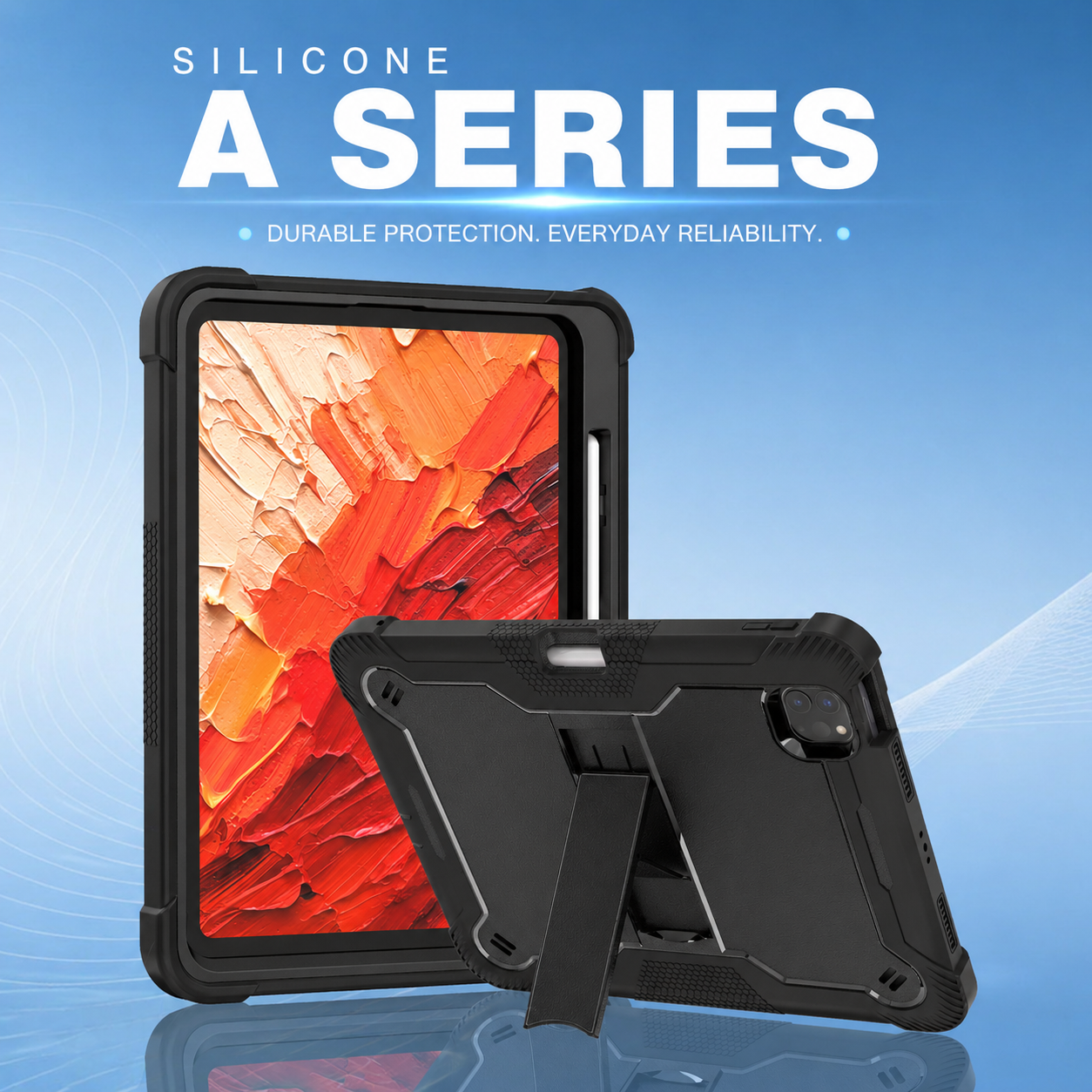
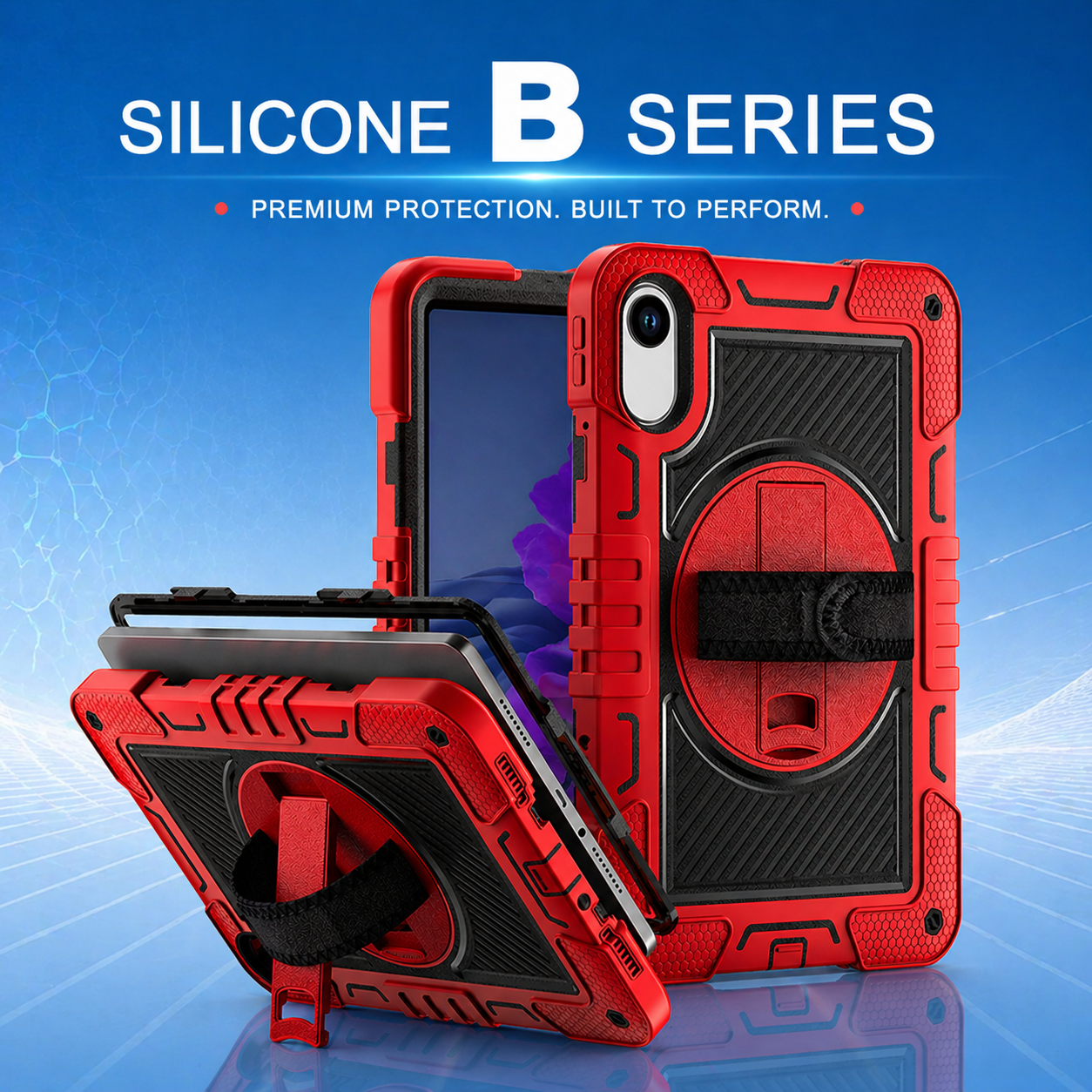
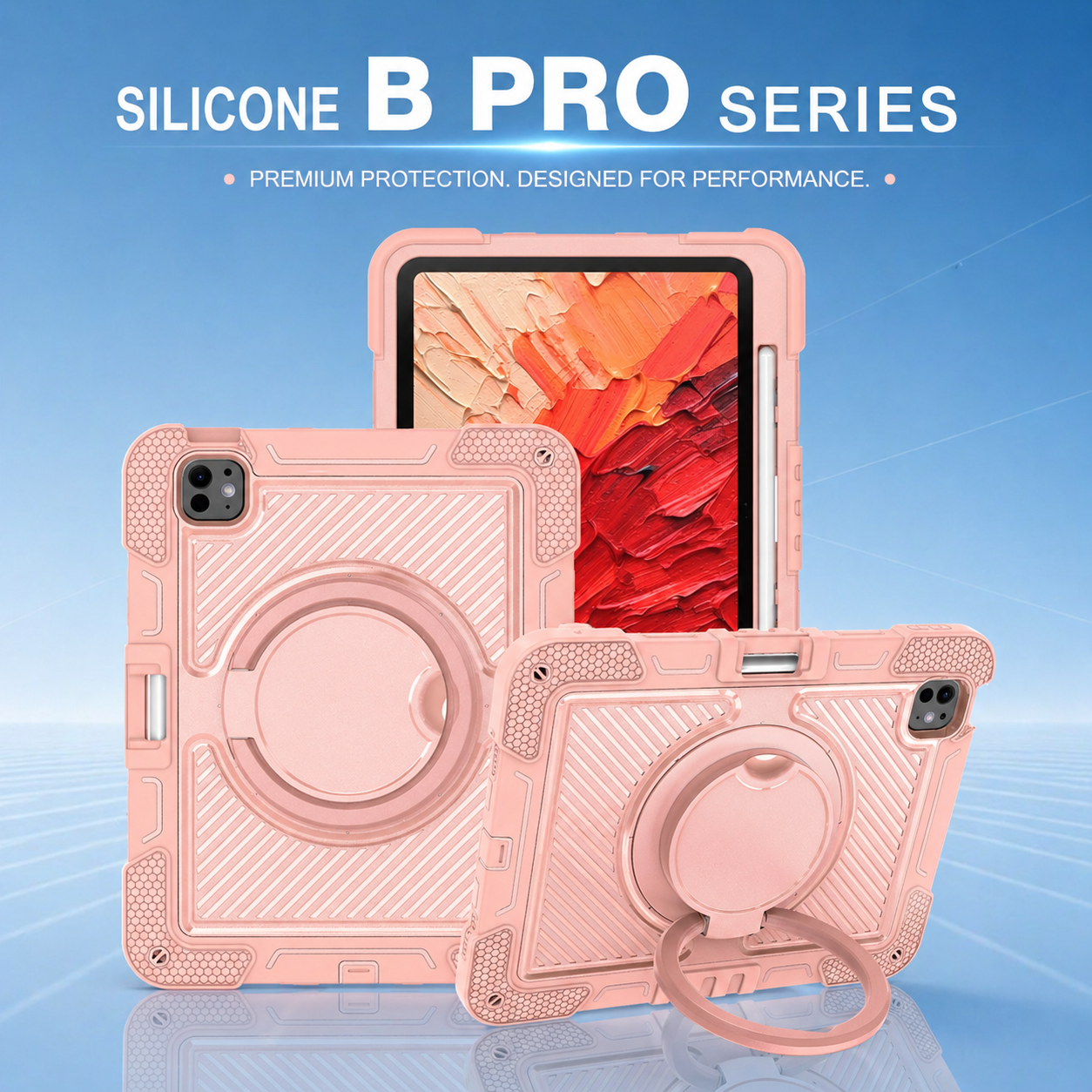
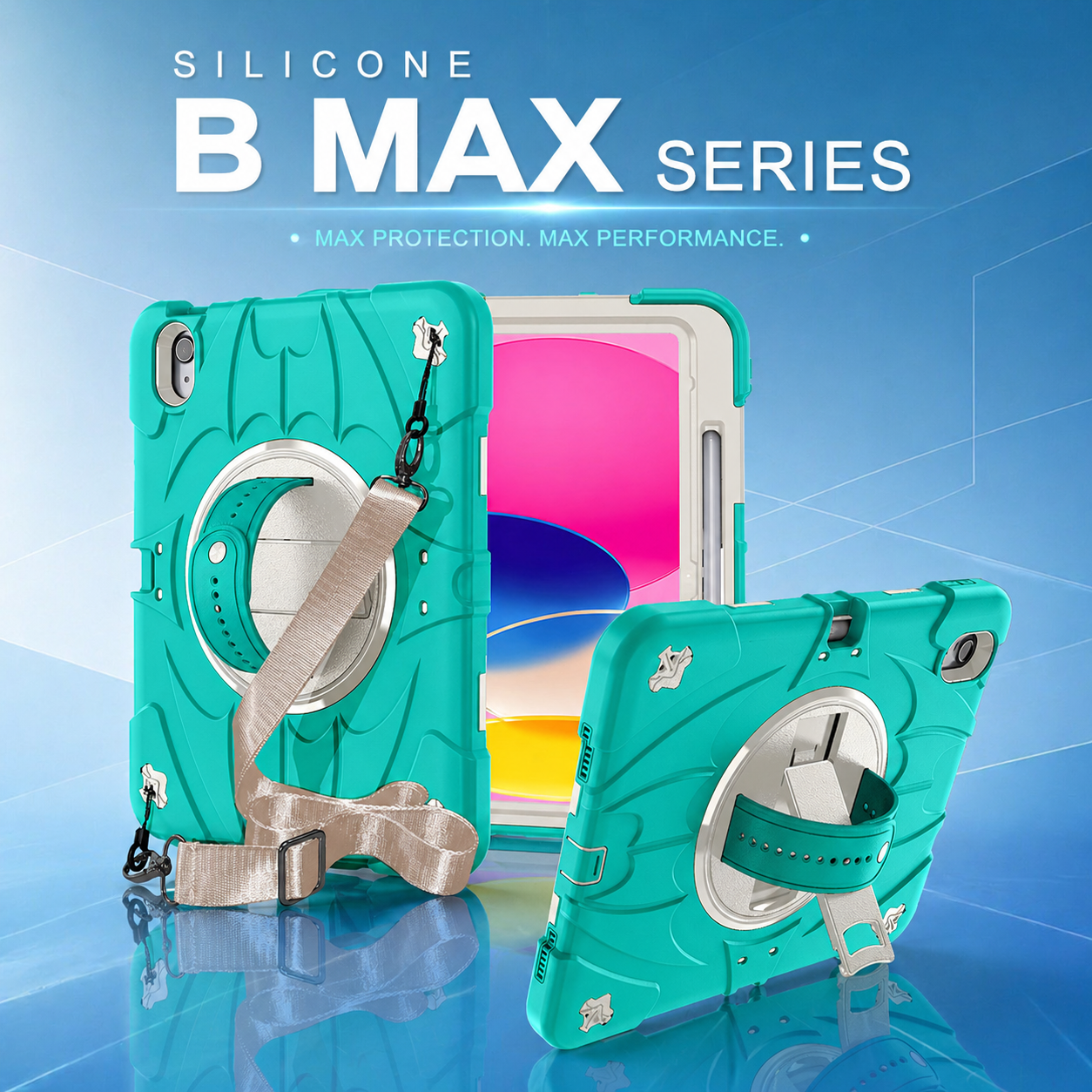
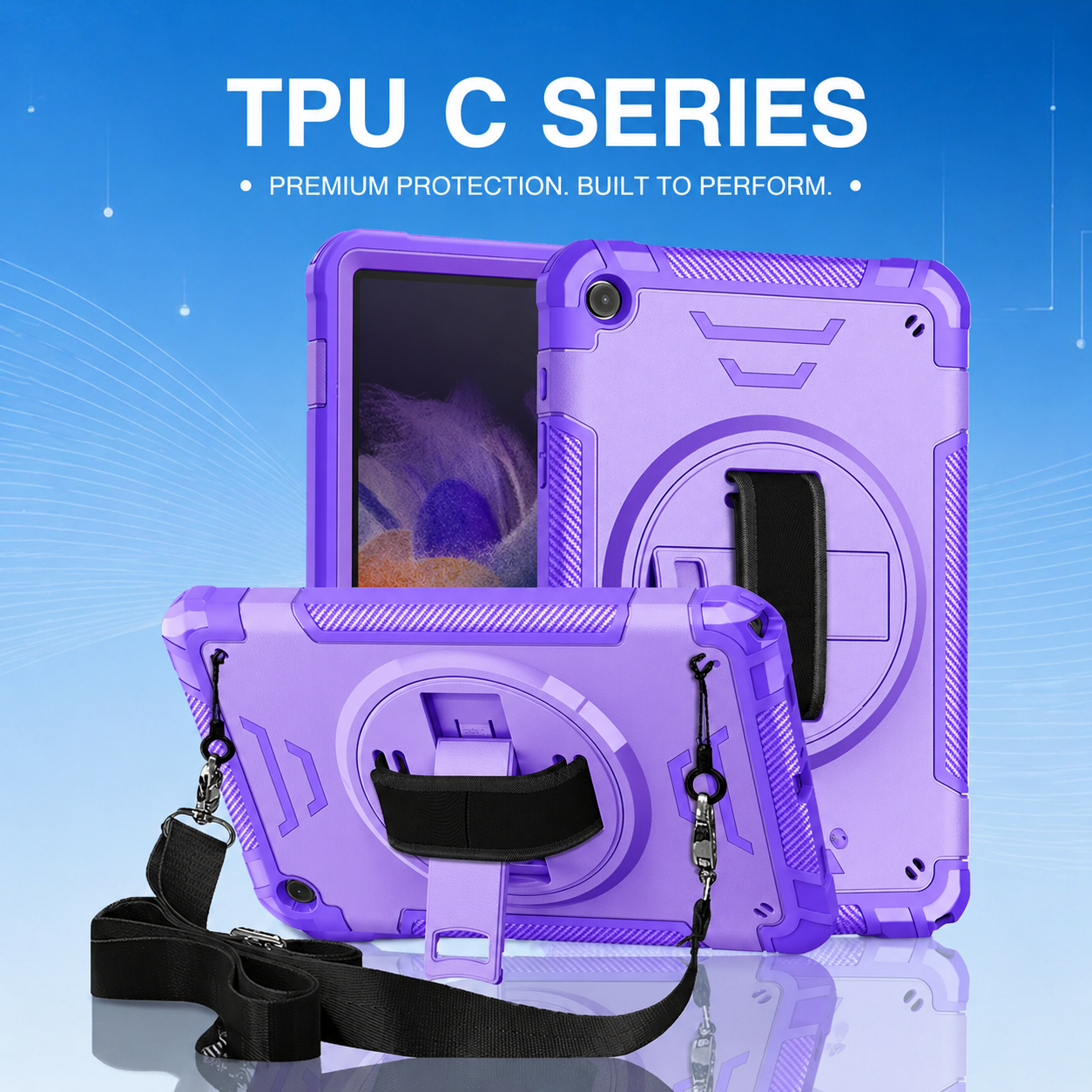
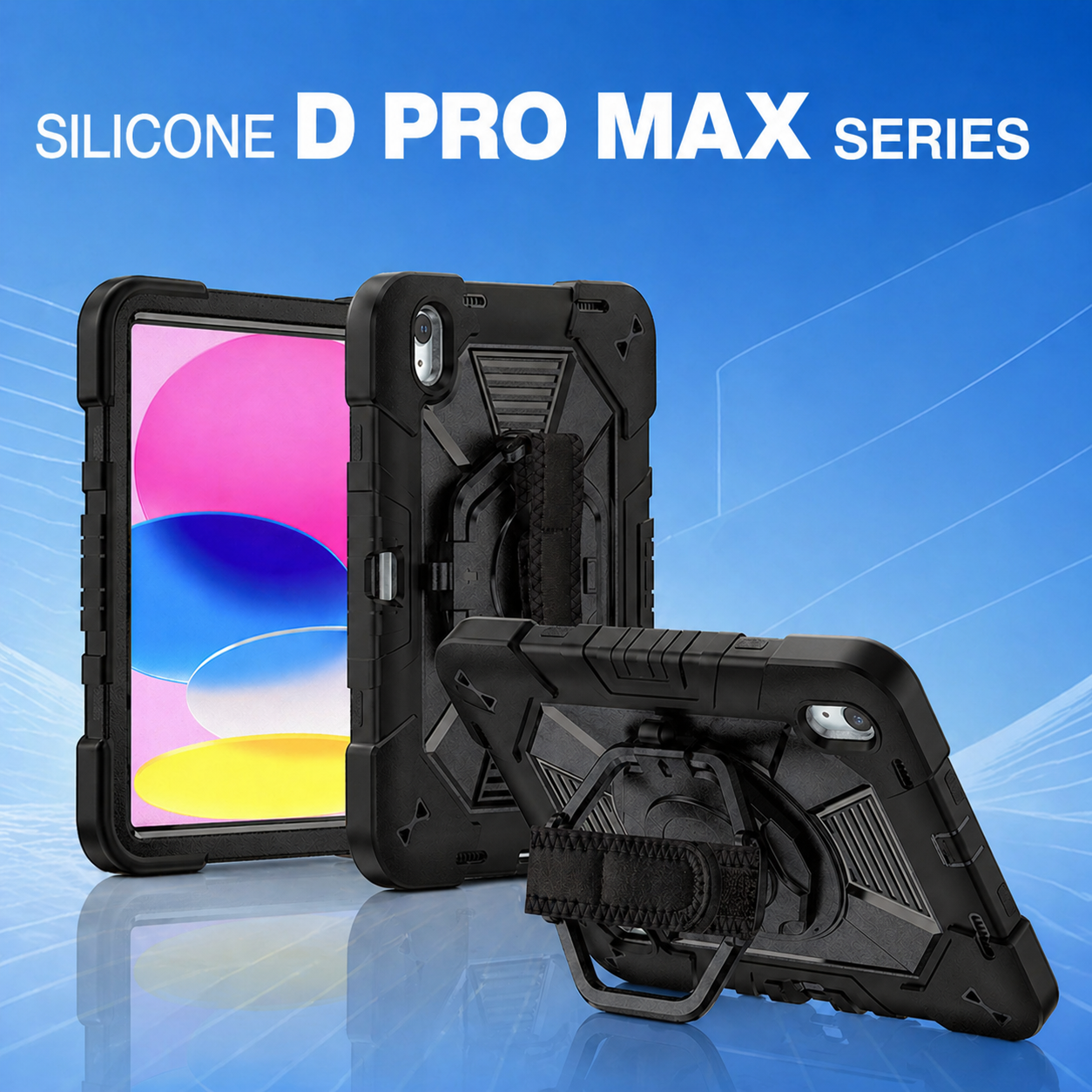
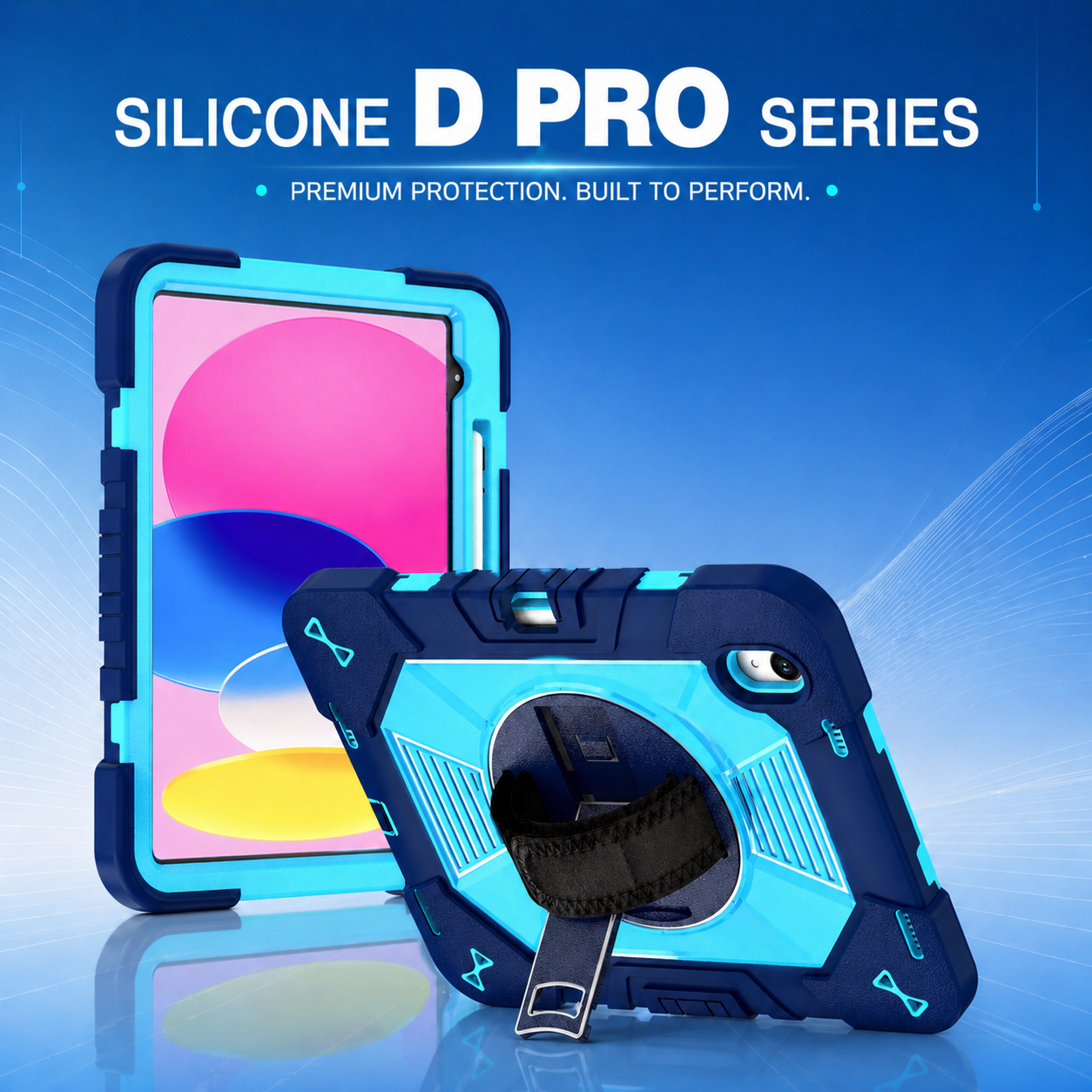
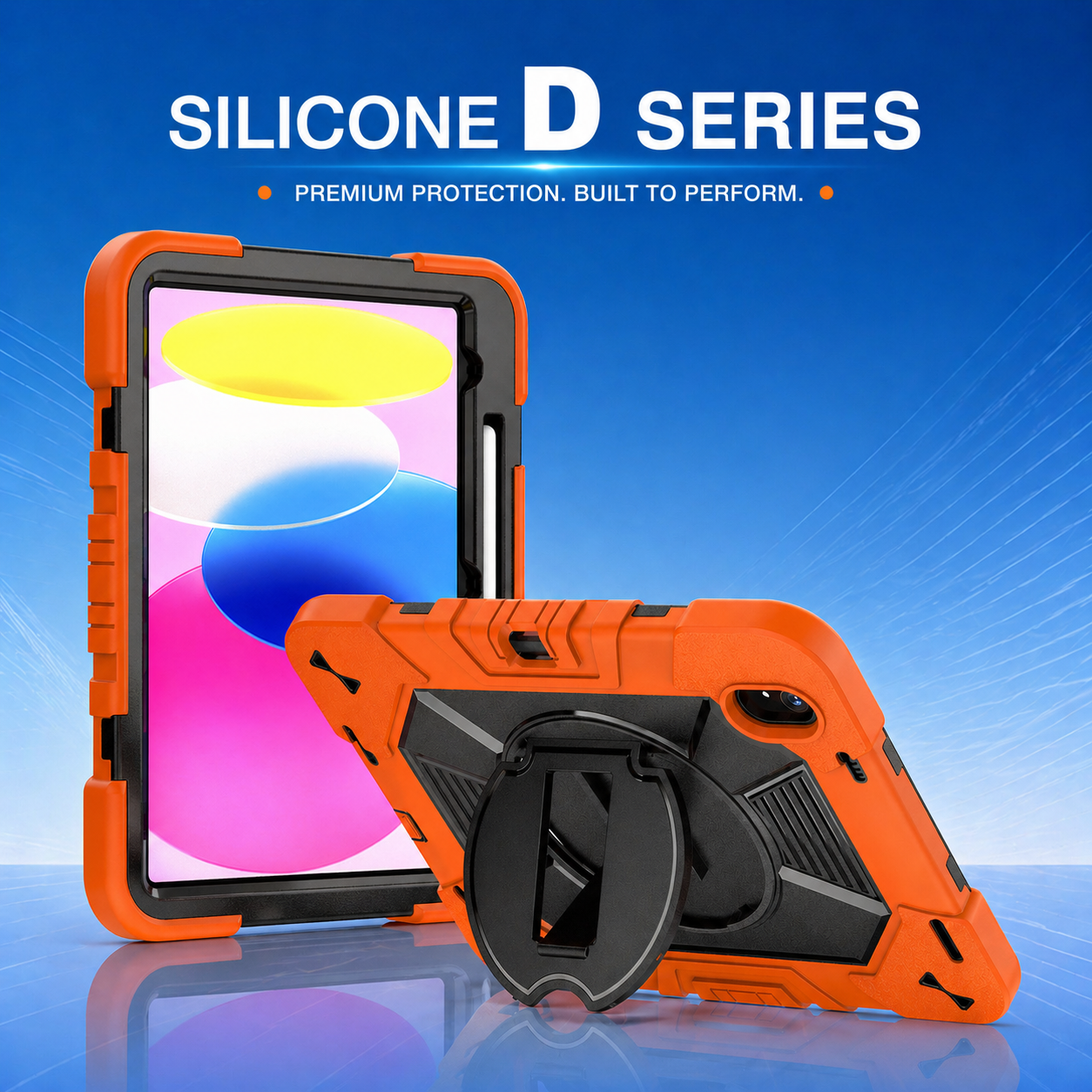

Vertical Market Demand for Protective Tablet Enclosures: Education, Healthcare, Warehousing, and Field Service
Growth in durable tablet protection is increasingly driven by vertical markets with specific operating risks. A case that performs well in a classroom may be unsuitable for a warehouse, and a warehouse design may be difficult to disinfect in a clinical setting. Manufacturers that understand these differences can move beyond commodity supply and create products with stronger margins, clearer value propositions, and longer customer relationships.
Education: Fleet Durability and Simple Management
Schools often purchase hundreds or thousands of tablets at once, making repair rates and replacement time important budget issues. A kids education tablet case needs rounded corners, dependable drop protection, simple installation, and a stand that supports reading, video lessons, and typing. Bright colors can help identify grade levels or classrooms, while transparent windows or label areas simplify asset tracking.
Education buyers also care about storage and charging. Oversized handles or unstable stands may prevent devices from fitting into carts. Deep textures can collect dirt, while removable pieces can be lost. The best design reduces complexity for students and teachers while protecting the device during transport, desk use, and accidental drops. Packaging and installation instructions should be optimized for large deployments rather than individual retail sales.
Healthcare: Cleanability and Secure Handling
Healthcare environments require a different balance. Cases may be wiped repeatedly with approved cleaning agents, handled with gloves, and moved between rooms. Smooth transitions, limited dirt traps, sealed edges, and secure hand straps can matter as much as impact resistance. Manufacturers should validate material compatibility with the customer’s cleaning routine because repeated chemical exposure may change color, hardness, or surface feel.
Mounting and mobility are also important. Tablets may be attached to carts, used for bedside documentation, or carried during rounds. A rotating grip can improve ergonomics, but it should not create a difficult-to-clean cavity. A shoulder strap may support mobile clinicians, yet anchor points must withstand repeated pulling. Design reviews should include infection-control, workflow, and maintenance teams whenever possible.
Warehousing and Logistics: Speed Under Harsh Conditions
Warehouses expose tablets to concrete floors, dust, vibration, temperature changes, and continuous handling. A 3 layers heavy duty rugged tablet case can combine a rigid internal frame, an energy-absorbing layer, and an external structure for stands or straps. The three layers should be engineered as a system; unnecessary bulk can slow scanning, reduce comfort, and interfere with vehicle mounts or charging docks.
Workers may need one-handed carrying, landscape data entry, barcode scanning, and fast access to cameras. Gloves can make small buttons difficult to press, so button geometry and tactile feedback deserve testing. Cases should be evaluated with the actual scanners, charging stations, cables, and vehicle mounts used by the customer. Compatibility errors discovered after deployment can be more expensive than the protective product itself.
Field Service and Construction: Mobility Across Environments
Field technicians move between vehicles, outdoor sites, workshops, and customer locations. They need protection from drops, dust, light rain, vibration, and tool contact, but they also need a professional product that is easy to carry. A rugged tablet case for this market may include a shoulder strap, rotating hand grip, stable kickstand, and attachment points for accessories. Weight distribution is important because the tablet may be held for long periods.
Construction and utility teams may use tablets while wearing gloves or protective equipment. Port access should be generous, latches should be intuitive, and stands should remain stable on uneven surfaces. High-visibility colors can help prevent loss, while branded elements support contractor identification. Outdoor use may also require attention to heat buildup, screen shading, and material behavior in cold conditions.
Retail, Hospitality, and Public-Sector Applications
Retailers use tablets for inventory checks, mobile checkout, line management, and customer assistance. Hospitality teams use them for reservations, maintenance, and guest service. Public-sector organizations deploy tablets for inspections, emergency response, and mobile administration. These environments may require lower-profile protection, secure mounts, or branded finishes rather than maximum bulk.
For each segment, the manufacturer should begin with a workflow map: who carries the device, how long it is held, where it is stored, what peripherals are connected, how it is cleaned, and what happens when it is dropped. This information converts general protection into measurable product requirements.
Commercial Implications for Suppliers
Vertical specialization creates opportunities for distributors, device resellers, and private-label brands. A supplier can offer a common protective platform with segment-specific accessories, colors, packaging, and test documentation. This reduces development cost while preserving differentiation. It also supports repeat business when customers refresh devices or expand deployments.
Manufacturers should avoid claiming universal suitability. A credible proposal explains which risks have been addressed, which tests have been completed, and which accessories remain compatible. Clear sample approval, change control, and production inspection are essential when a case becomes part of a larger operational system.
Outlook
Demand will grow fastest where tablets are mission-critical and device downtime is costly. Education, healthcare, logistics, and field service will continue to reward products designed around real users rather than generic specifications. The next competitive step is building flexible OEM and ODM supply chains for customized enterprise programs.





.png)
+86 13422271740
.png)
info@tongmeitech.com
.png)
No. 34, Mashe Section, Guihe Road, Lishui Town, Foshan, Guangdong, China