- 1
- BLACKL
- TABLETAPPLE iPad Mini 8NEW iPad A16(2025) iPad 10.9" 10th (2022) iPad 10.2" (7th/8th/9th) iPad Air 13" (M2/M3/M4)(2024/2025/2026)NEW iPad Air 11" (M2/M3/M4)(2024/2025/2026)NEW iPad Mini 8.3" (A7 Pro/6th Gen) iPad Pro13"(M4/M5)(2024/2025) iPad Pro11"(M4/M5)(2026) iPad 9.7" (5th/6th Gen) iPad Pro 12.9"(2018-2022) iPad Pro 11"(2018-2022) iPad 9.7"(2th/3th/4th) iPad Air 10.9"(4th/5th Gen) iPad Mini 7.9"(4th/5th Gen)SAMSUNG Galaxy Tab A11 Galaxy Tab A11 Plus Galaxy Tab S11 Galaxy Tab S12 PlusNEW Galaxy Tab S12 UltraNEW Galaxy Tab A9+ Galaxy Tab A9 Galaxy Tab A8 Galaxy Tab A7 Galaxy Tab A7 Lite Galaxy Tab S11 Ultra/S10 Ultra/S9 Ultra/S8 Ultra Galaxy Tab S10+/S9+/S9 FE+ Galaxy Tab S10Lite/S10 FE/S9 FE/S9 Galaxy Tab S8+/S7+/S7 FE Galaxy Tab S8/S7 Galaxy Tab S6 lite Galaxy Tab A10.1 Galaxy Tab A8.4 Galaxy Tab A8.0 Galaxy Tab S10 FE+LENOVO iDea tab 11/Tab K11 Gen 2 /Xiaoxin Pad 11 2025 Lenovo Tab K9 (Tab One) 2025 Lenovo Tab M10 10.1"(2025) Lenovo Tab M10 Plus 10.6" (3rd Gen) Lenovo Tab M10 HD 10.1" (3rd Gen) Lenovo K10/M10 Plus 10.3" (2nd Gen) Lenovo Tab M10 HD 10.1" (2nd Gen)XIAOMI Redmi Pad 2 9.7 InchNEW Xiaomi Pad8/8Pro 11.2" Redmi Pad2/Pad2.4G Xiaomi Pad 6/6 Pro 11" Redmi Pad 10.61" Redmi Pad Se 11" Redmi pad Se 4G 8.7" Xiaomi Pad7/7 Pro 11.2" Redmi Pad Pro/Xiaomi Poco Pad/Redmi Pad2 Pro 12.1HUAWEI Huawei Matepad Se 10.4" Huawei Matepad 11" Huawei Matepad 11.5" Huawei Matepad SE 11" Huawei Matepad T8 8" Huawei Matepad T10 9.7"
- CATEGORIES
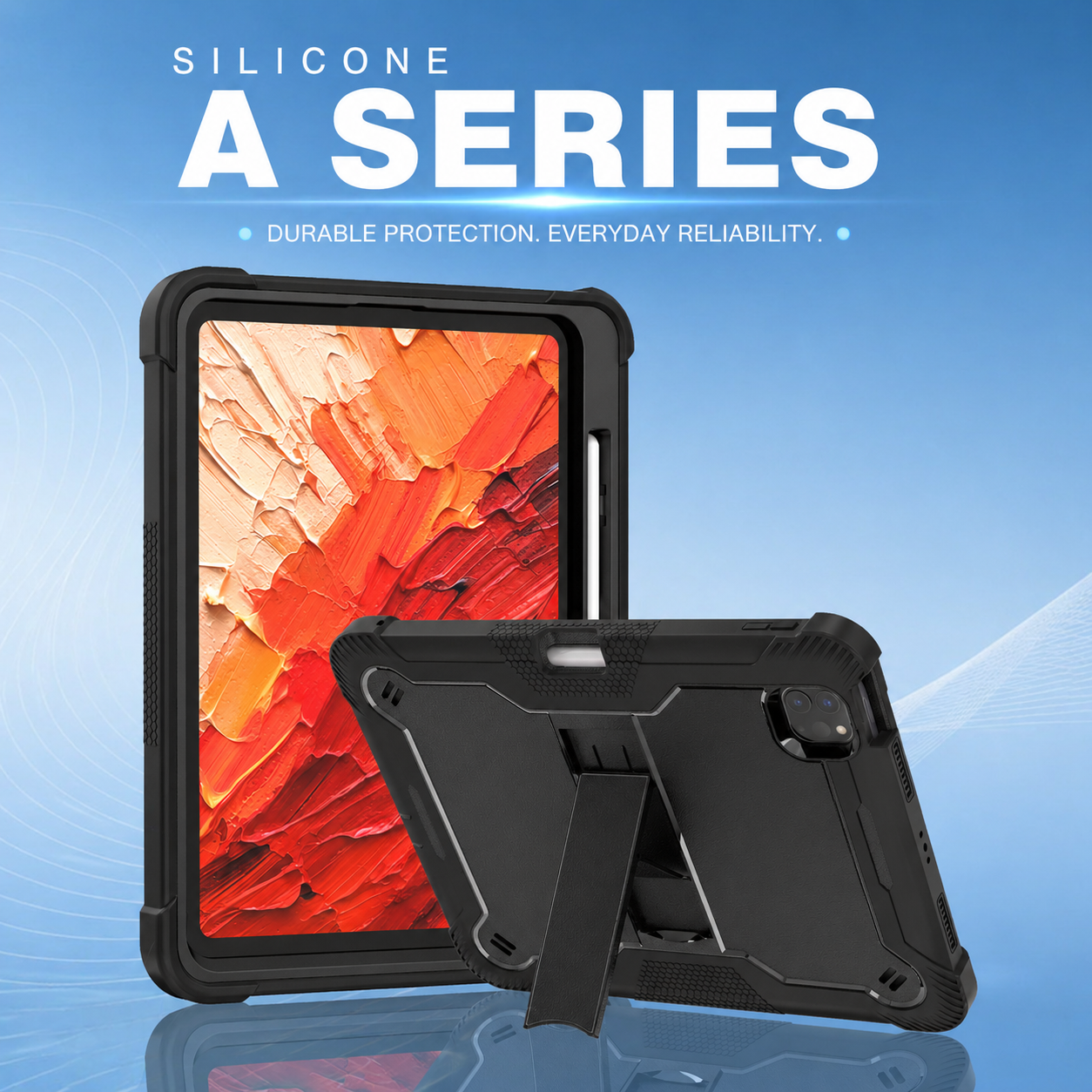
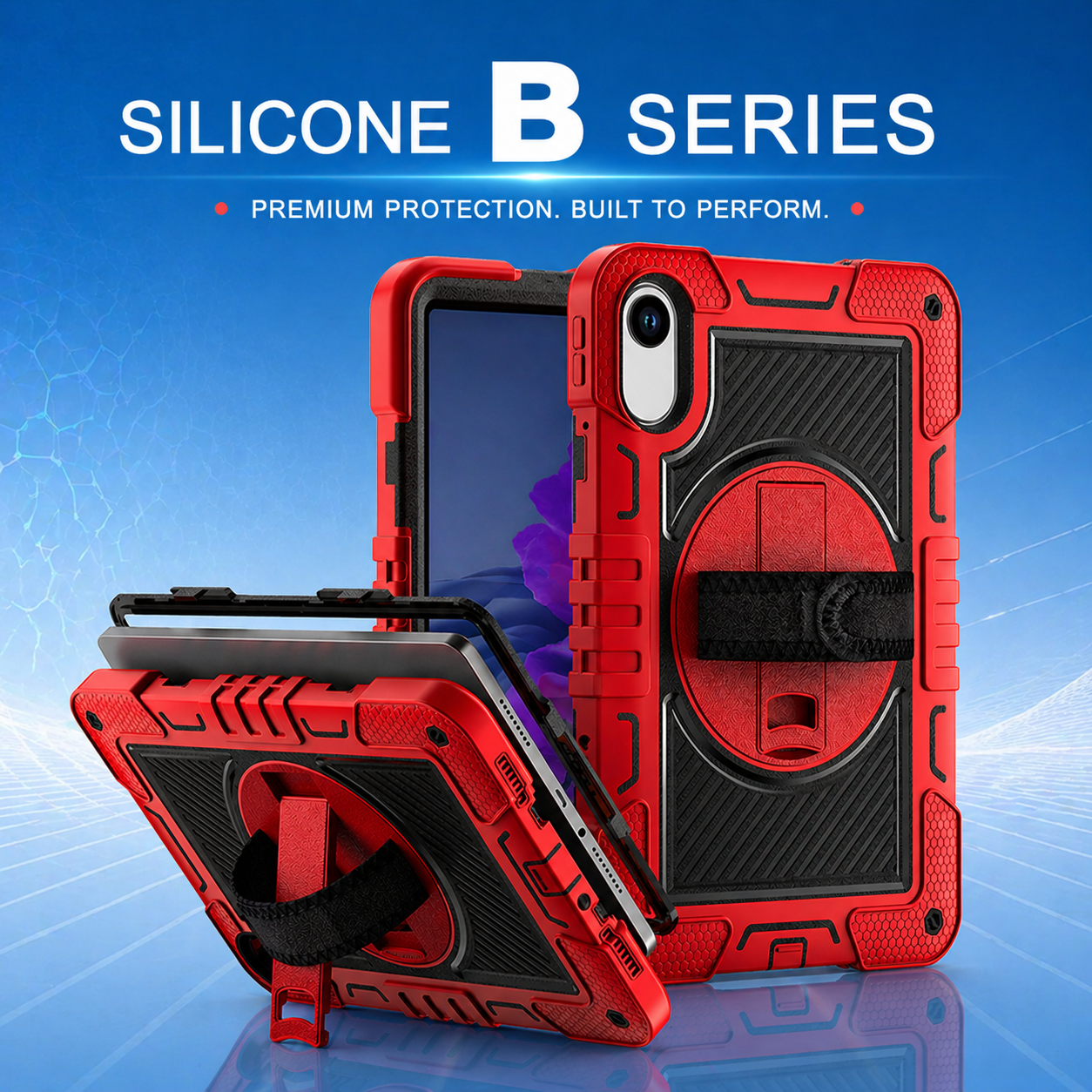
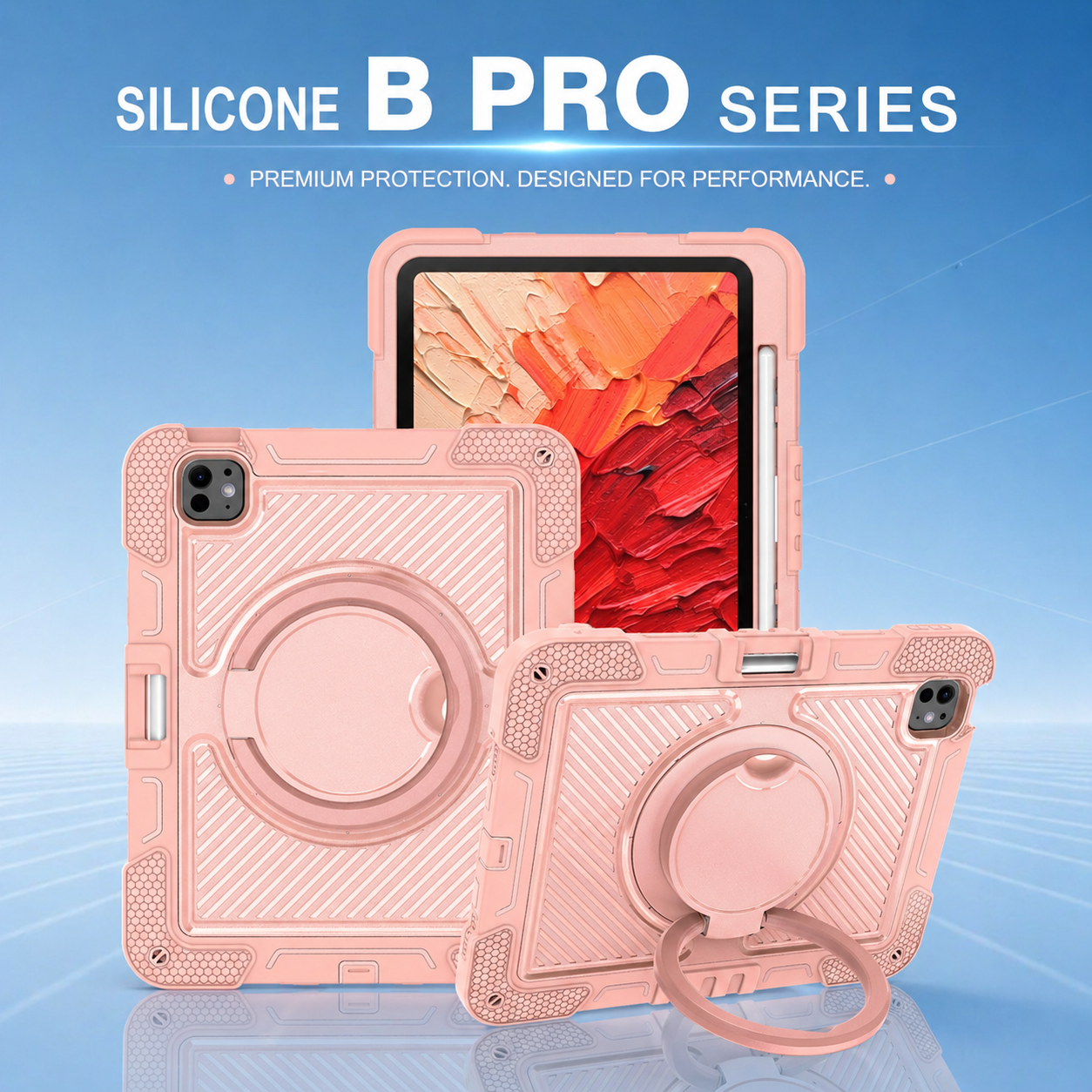
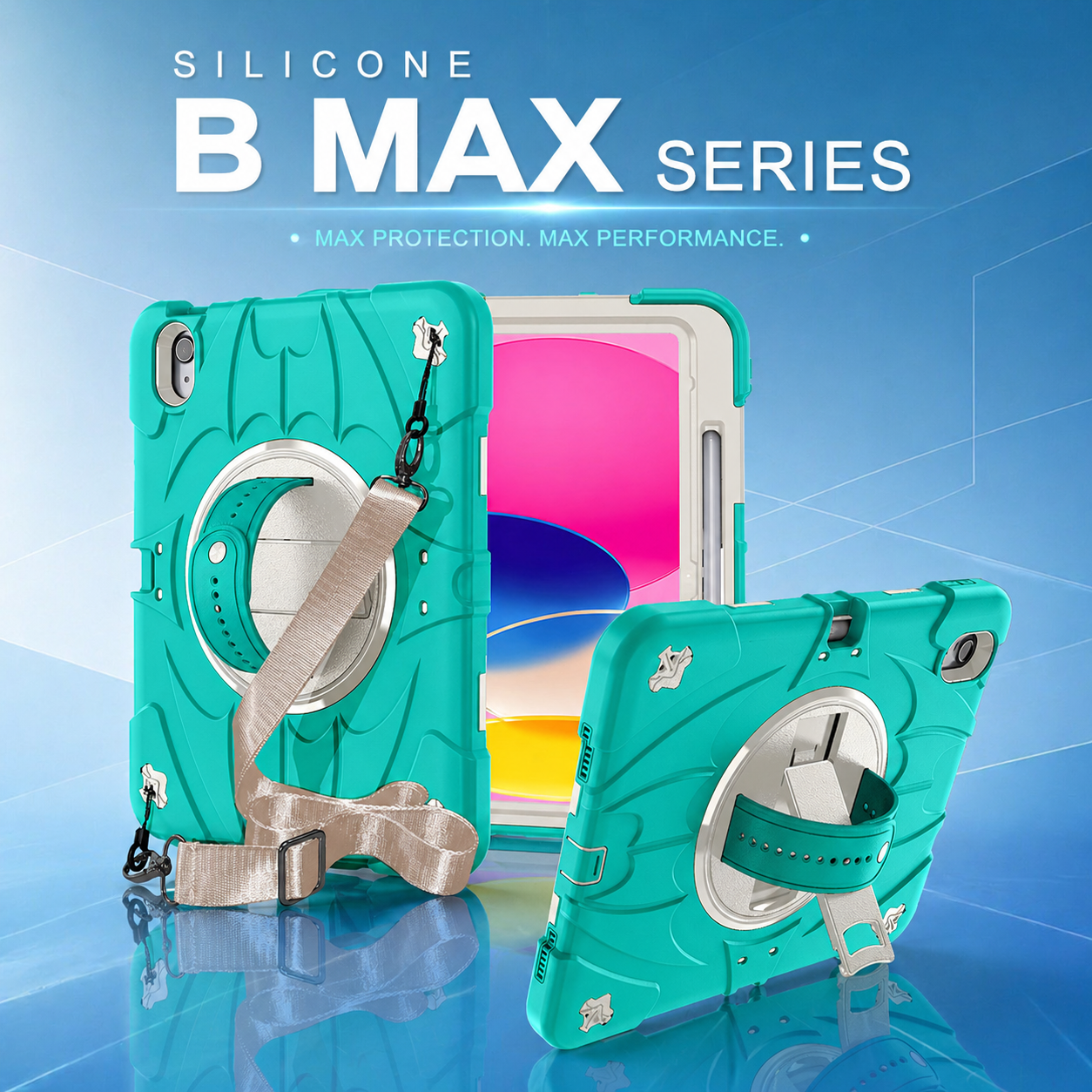
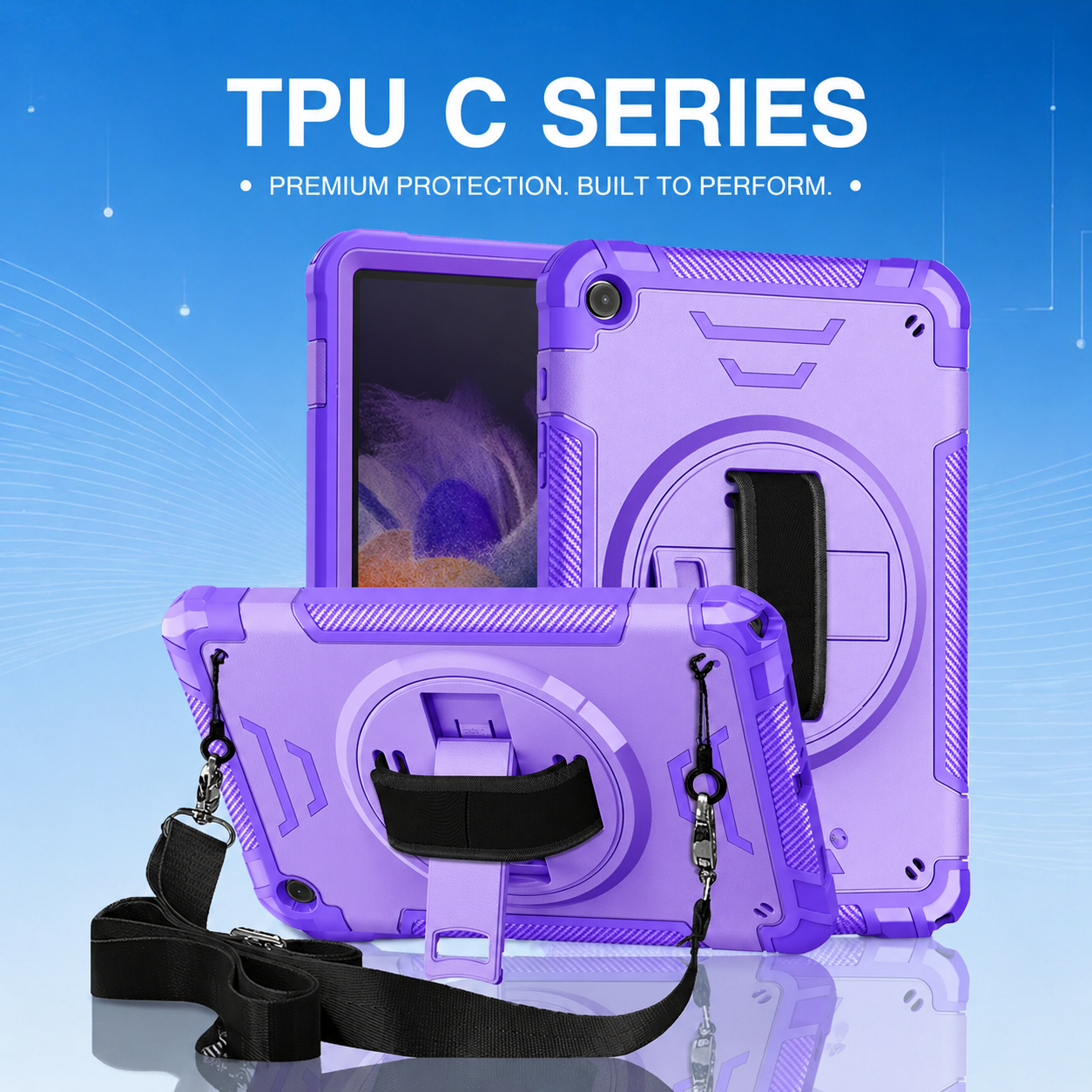
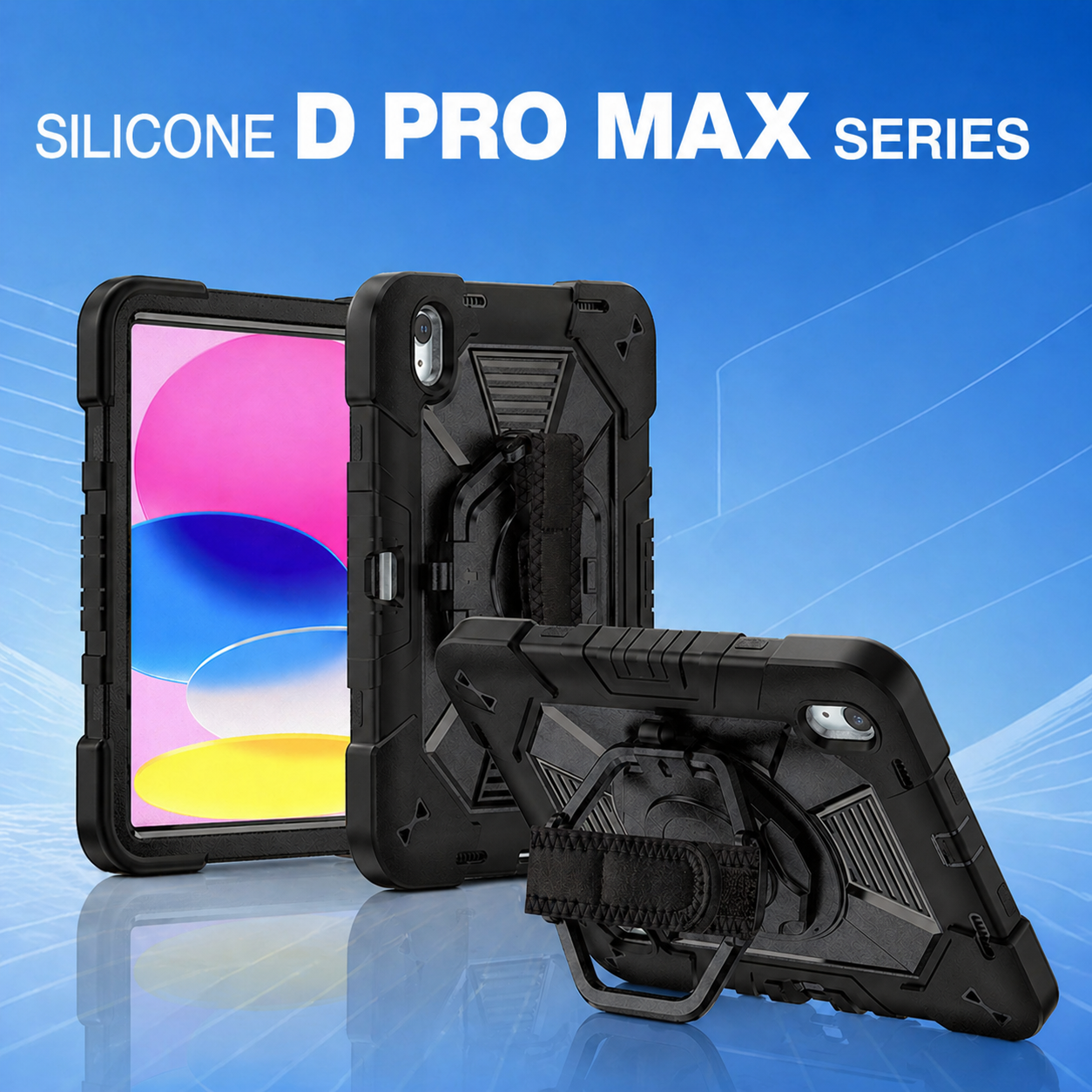
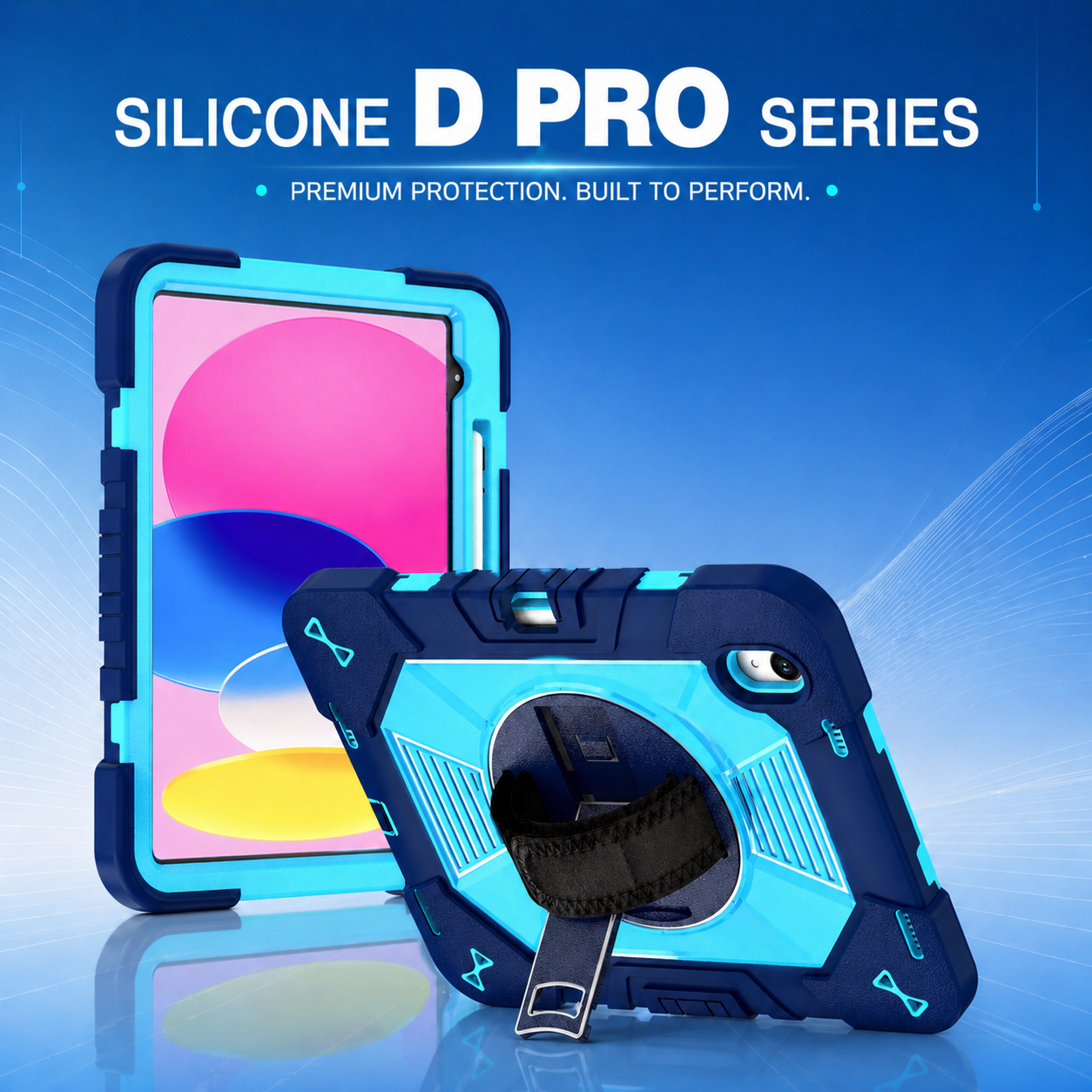
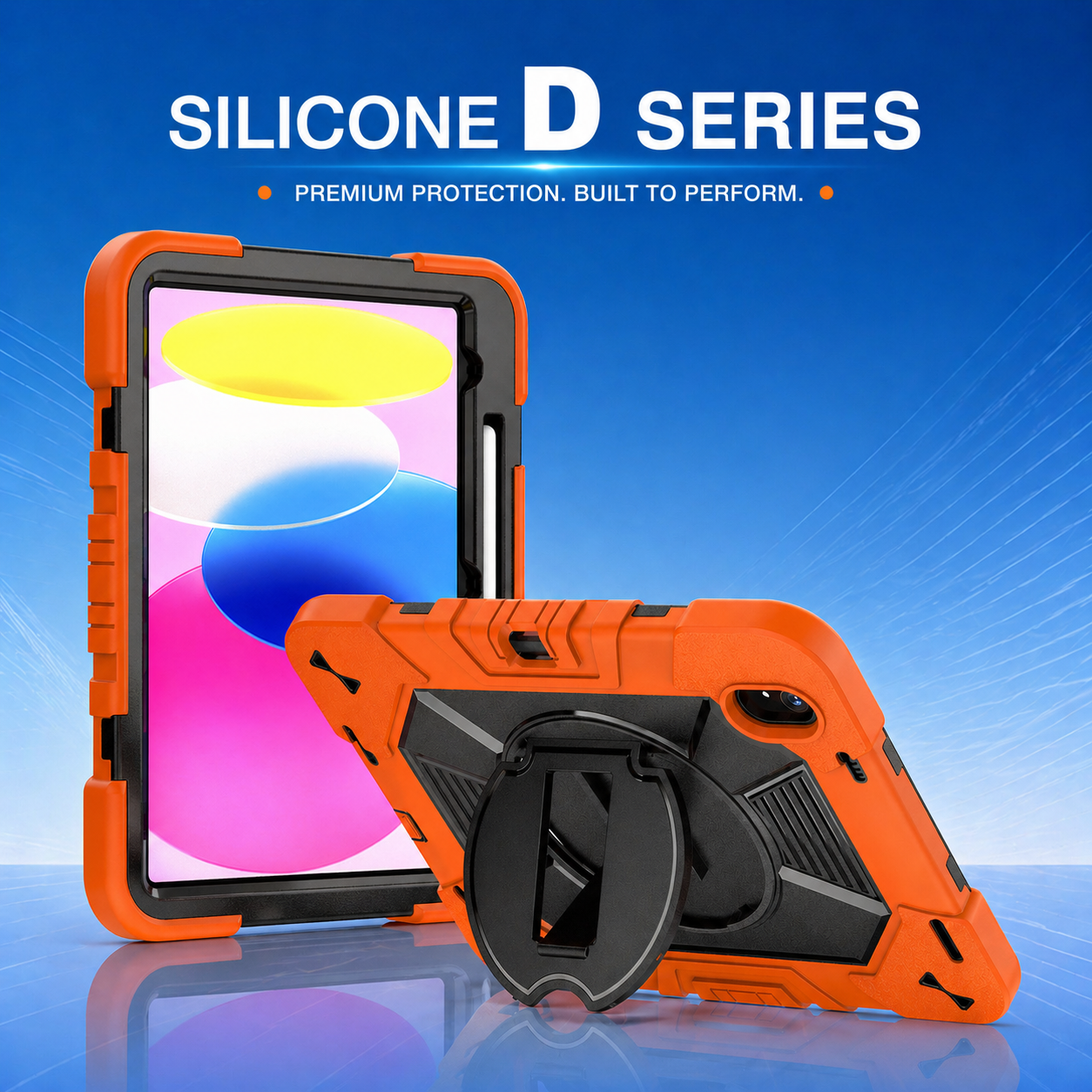

Comparing TPU, PC Plus Silicone, and Three-Layer Tablet Case Construction
Material labels are often used as shortcuts in tablet case sourcing, but the material name alone does not determine protection. Performance depends on grade, thickness, geometry, assembly, fit, and how forces travel through the structure during impact. Logistics and warehouse buyers should therefore compare complete constructions rather than assuming that one polymer or a higher layer count is automatically superior.
Understand flexible TPU designs
Thermoplastic polyurethane can provide grip, flexibility, abrasion resistance, and useful impact absorption. A well-designed TPU tablet case is easy to install and can reduce weight compared with more complex assemblies. It may suit supervised indoor use, light picking, classroom-style training areas, or workstations where the tablet is carried but not exposed to severe drops.
The design still needs reinforced corners, adequate bezel height, and stable fit. Thin areas around ports or buttons can tear after repeated use, while a loose enclosure can allow the device to move during impact. Buyers should evaluate how the material feels with gloves, whether it attracts dust, and whether it remains stable after exposure to cleaning agents and temperature changes.
Assess PC plus silicone hybrids
Polycarbonate provides rigidity and shape retention, while silicone can add cushioning and grip. In a PC+Silicone tablet case, the rigid section can hold the device securely and support a kickstand or strap, while the outer layer helps absorb shock. This architecture is common in demanding mobile environments because it separates structural and impact functions.
Hybrid designs require careful interlocking features. The flexible layer should not peel away during handling, and the rigid shell should not create sharp stress points. Check whether the silicone stretches after repeated removal and whether dust collects between layers. When workers must clean cases frequently, easy disassembly can be helpful, but it should not encourage accidental separation during use.
Examine three-layer heavy-duty systems
A three-layer structure may combine an inner frame, rigid outer shell, and flexible impact layer. A 3 layers heavy duty rugged tablet case can be appropriate for concrete floors, vehicle use, outdoor work, shared-device pools, and operations with a history of costly breakage. The extra architecture can also support rotating hand straps, shoulder straps, kickstands, and mounting interfaces.
However, buyers should verify what each layer actually contributes. Some products count a decorative or thin insert as a separate layer without delivering meaningful protection. Ask for exploded drawings, material specifications, wall thicknesses, and test evidence. Compare total weight and external dimensions, especially when the device must fit a charging cabinet, scanner cradle, cart holder, or vehicle mount.
Focus on geometry and energy management
Corner design is critical because tablets often land on an edge or corner. Air pockets, thicker elastomer zones, ribs, and controlled deformation can reduce peak force. A raised front edge can protect the screen on flat surfaces, but excessive height may interfere with swiping near the edge. Camera protection should account for lens protrusion while avoiding reflections or blockage.
Internal contact points also matter. Hard ribs placed against fragile areas can transfer impact directly to the device. Soft liners or controlled clearances can reduce concentrated stress, but too much movement can create a secondary impact inside the case. The manufacturer should explain how the tablet is retained and how the design accommodates normal dimensional variation.
Match materials to cleaning and climate
Warehouses may use detergents, alcohol-based wipes, or specialized disinfectants. Material compatibility should be checked before rollout because repeated exposure can cause swelling, cracking, fading, or surface tackiness. Cold storage introduces another concern: flexible materials may stiffen at low temperature, changing grip and impact behavior. Outdoor fleets may need resistance to ultraviolet exposure, heat, and moisture.
Ask the supplier for material data and conduct practical tests using the intended cleaning process. Mark samples, clean them repeatedly, and inspect changes in appearance, fit, and function. Test straps, stands, and port covers as separate wear components. A case can protect well in a drop test yet fail operationally if a hinge breaks or a cover no longer closes.
Compare designs through a weighted scorecard
Create a scorecard that reflects the actual deployment. Categories may include drop performance, weight, grip, installation, charging compatibility, mount compatibility, cleaning, accessory durability, replacement parts, price, and lead time. Weight the categories according to operational importance and have multiple user groups score the same samples.
Testing should include repeated drops with the actual tablet or an appropriate instrumented substitute, followed by checks of the screen, ports, cameras, wireless function, and enclosure fit. Use several orientations and realistic surfaces. Record whether the case remains fully assembled and whether accessories still work. This evidence is more useful than relying on a broad marketing label.
Select a platform that can evolve
The best construction is the one that meets risk requirements without creating unnecessary burden. Some sites may need maximum protection, while others can use a lighter version built on the same accessory platform. Modular straps, stands, and mounts can simplify training and spare-parts management across a mixed fleet.
Material selection should also consider future tablet refreshes. A supplier that uses adaptable inserts or shared accessories may reduce redevelopment cost when the device changes. With the construction chosen, the final step is to translate it into a scalable workforce program. Explore how custom tablet protection supports mobile workforce transformation.






.png)
+86 13422271740
.png)
info@tongmeitech.com
.png)
No. 34, Mashe Section, Guihe Road, Lishui Town, Foshan, Guangdong, China