- 1
- BLACKL
- TABLETAPPLE iPad Mini 8NEW iPad A16(2025) iPad 10.9" 10th (2022) iPad 10.2" (7th/8th/9th) iPad Air 13" (M2/M3/M4)(2024/2025/2026)NEW iPad Air 11" (M2/M3/M4)(2024/2025/2026)NEW iPad Mini 8.3" (A7 Pro/6th Gen) iPad Pro13"(M4/M5)(2024/2025) iPad Pro11"(M4/M5)(2026) iPad 9.7" (5th/6th Gen) iPad Pro 12.9"(2018-2022) iPad Pro 11"(2018-2022) iPad 9.7"(2th/3th/4th) iPad Air 10.9"(4th/5th Gen) iPad Mini 7.9"(4th/5th Gen)SAMSUNG Galaxy Tab A11 Galaxy Tab A11 Plus Galaxy Tab S11 Galaxy Tab S12 PlusNEW Galaxy Tab S12 UltraNEW Galaxy Tab A9+ Galaxy Tab A9 Galaxy Tab A8 Galaxy Tab A7 Galaxy Tab A7 Lite Galaxy Tab S11 Ultra/S10 Ultra/S9 Ultra/S8 Ultra Galaxy Tab S10+/S9+/S9 FE+ Galaxy Tab S10Lite/S10 FE/S9 FE/S9 Galaxy Tab S8+/S7+/S7 FE Galaxy Tab S8/S7 Galaxy Tab S6 lite Galaxy Tab A10.1 Galaxy Tab A8.4 Galaxy Tab A8.0 Galaxy Tab S10 FE+LENOVO iDea tab 11/Tab K11 Gen 2 /Xiaoxin Pad 11 2025 Lenovo Tab K9 (Tab One) 2025 Lenovo Tab M10 10.1"(2025) Lenovo Tab M10 Plus 10.6" (3rd Gen) Lenovo Tab M10 HD 10.1" (3rd Gen) Lenovo K10/M10 Plus 10.3" (2nd Gen) Lenovo Tab M10 HD 10.1" (2nd Gen)XIAOMI Redmi Pad 2 9.7 InchNEW Xiaomi Pad8/8Pro 11.2" Redmi Pad2/Pad2.4G Xiaomi Pad 6/6 Pro 11" Redmi Pad 10.61" Redmi Pad Se 11" Redmi pad Se 4G 8.7" Xiaomi Pad7/7 Pro 11.2" Redmi Pad Pro/Xiaomi Poco Pad/Redmi Pad2 Pro 12.1HUAWEI Huawei Matepad Se 10.4" Huawei Matepad 11" Huawei Matepad 11.5" Huawei Matepad SE 11" Huawei Matepad T8 8" Huawei Matepad T10 9.7"
- CATEGORIES
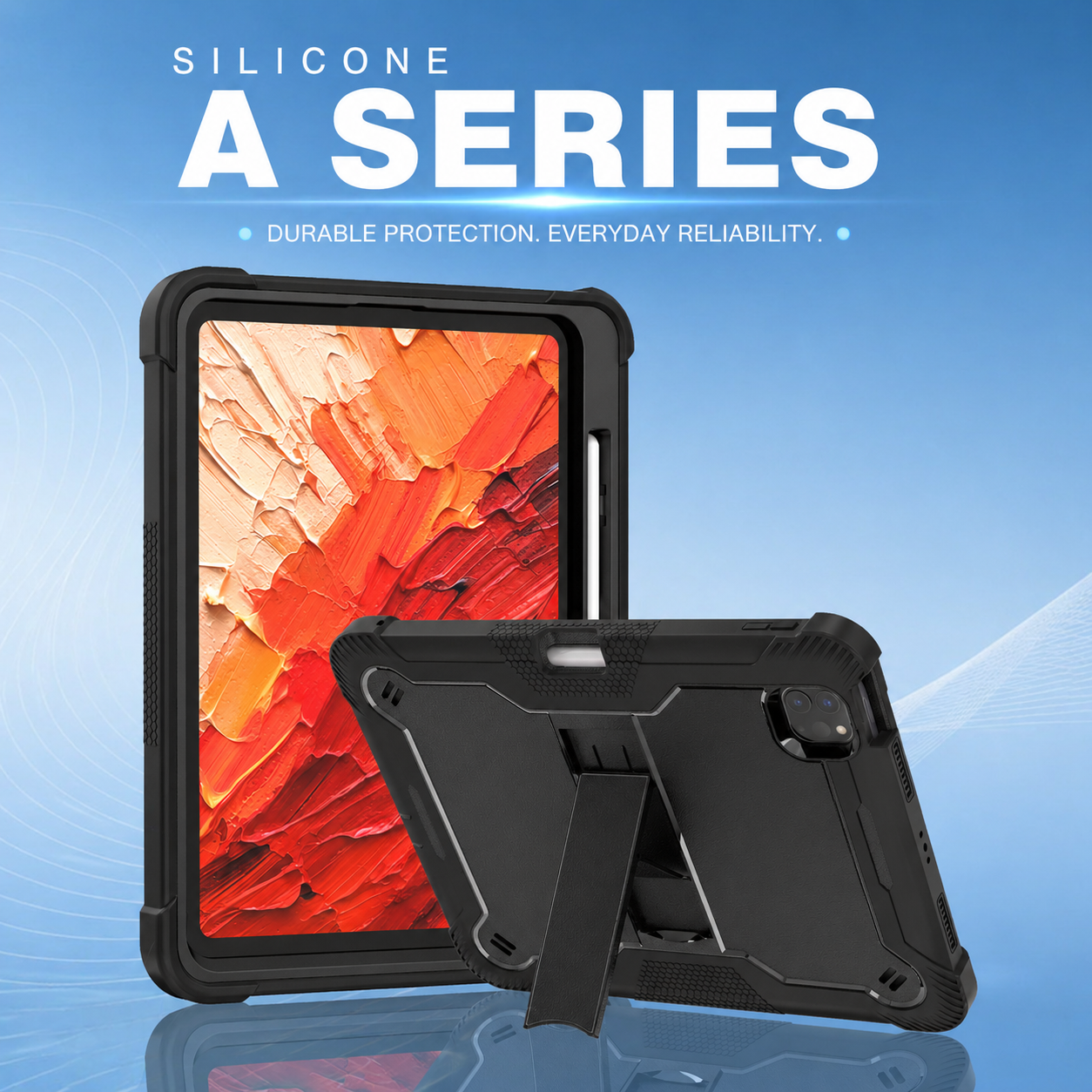
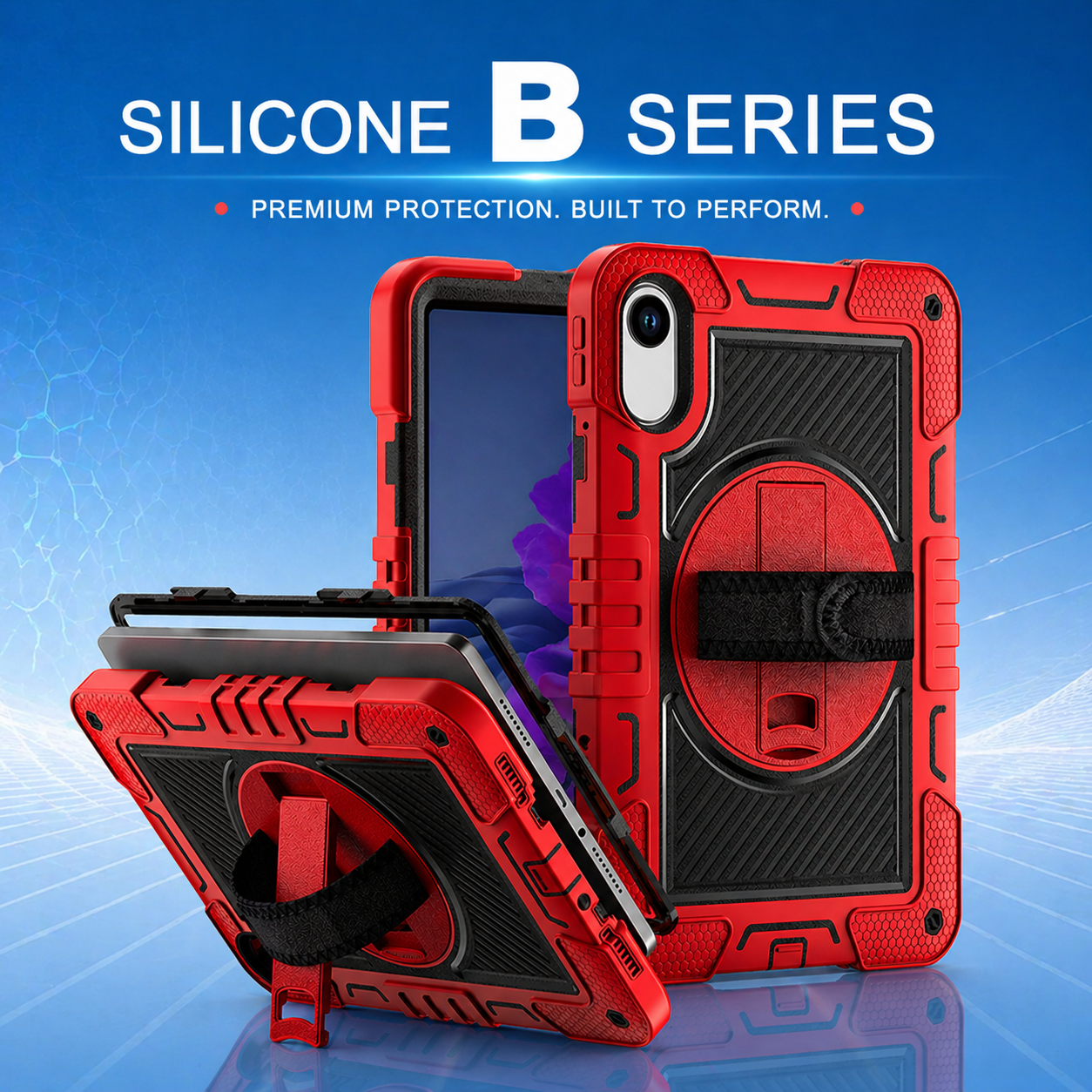
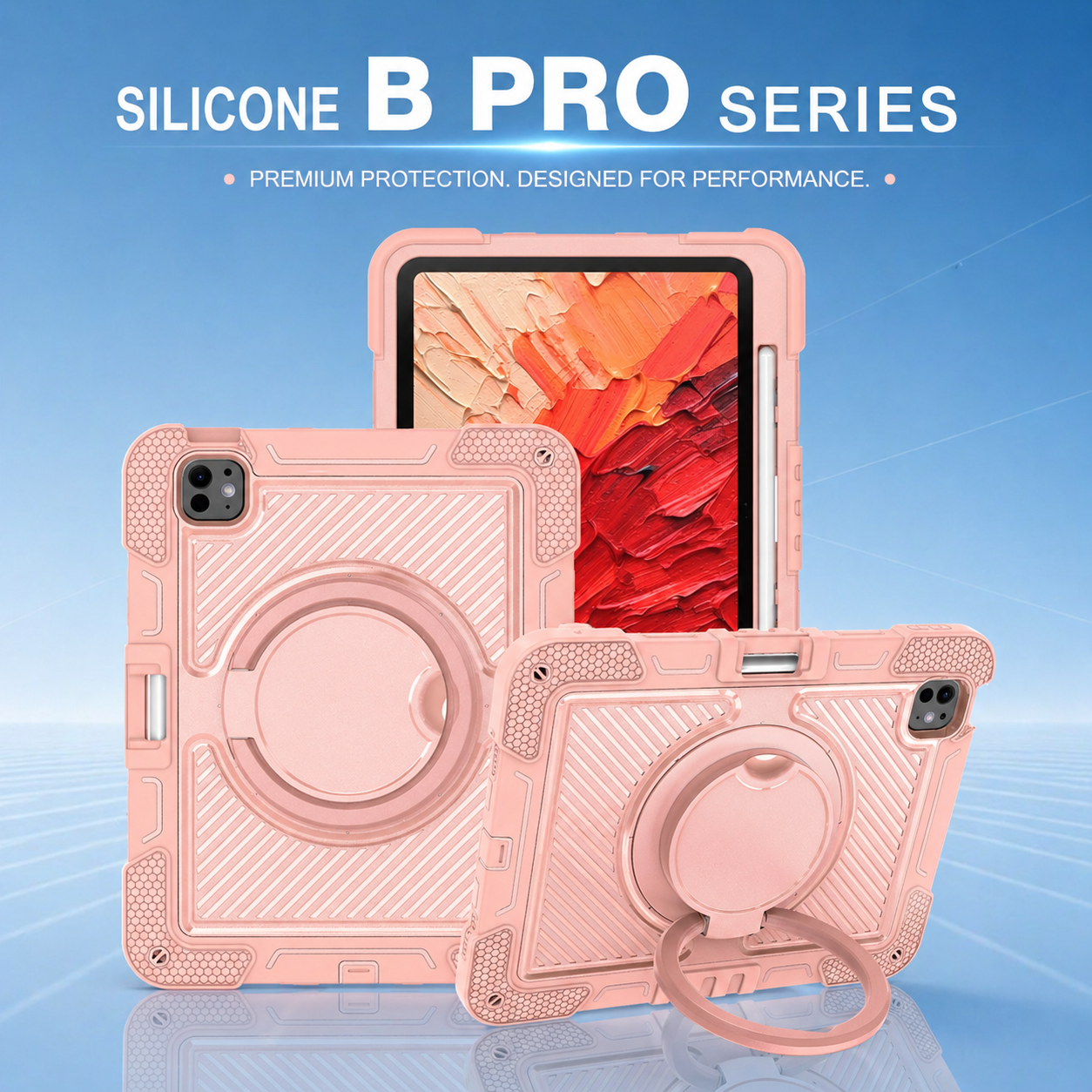
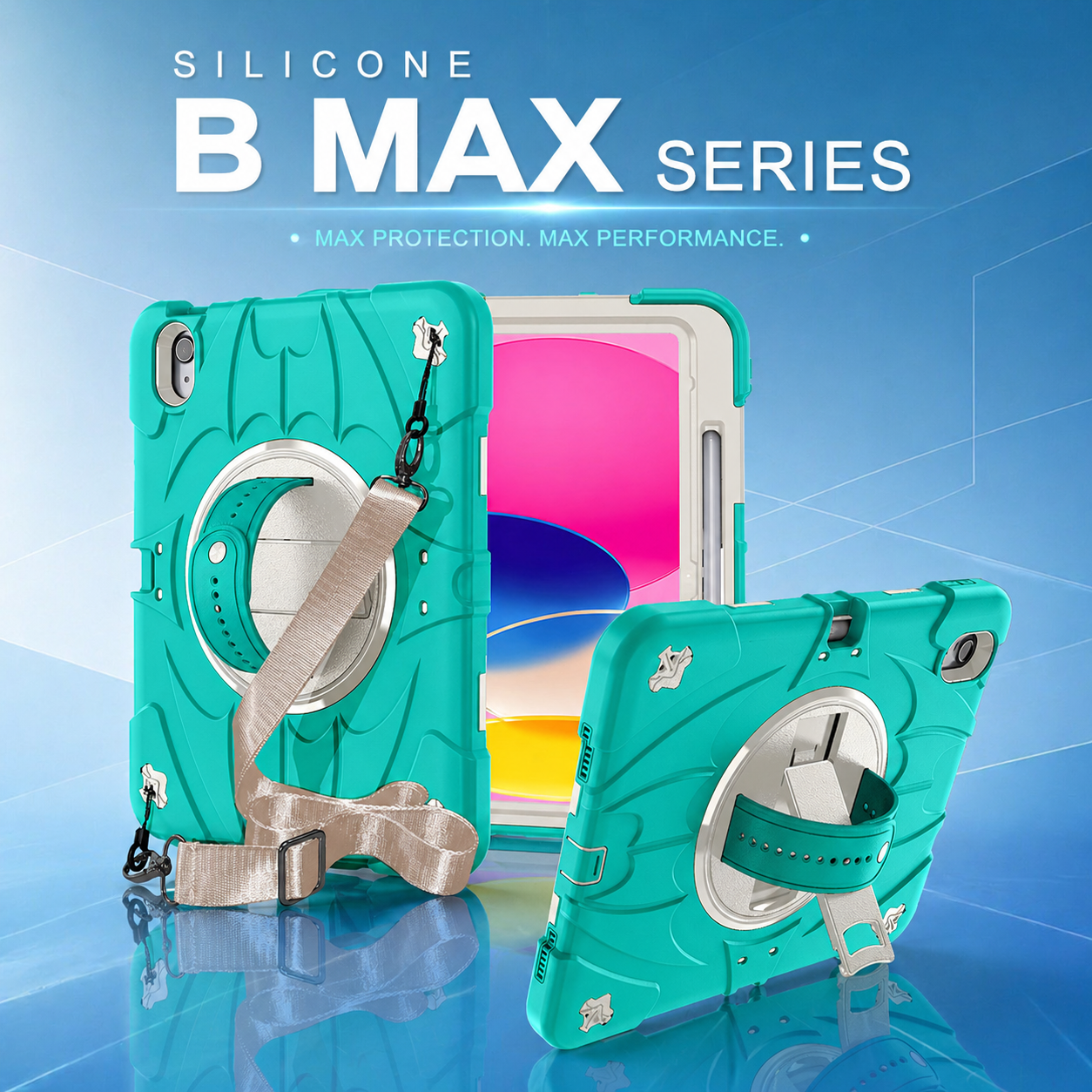

Structural Protection Systems in Rugged Tablet Case Manufacturing
As industrial mobility continues to expand across logistics, construction, manufacturing, healthcare, and field services, tablets have become indispensable operational tools. However, these environments expose devices to constant risk—accidental drops, vibration from heavy machinery, dust intrusion, moisture exposure, and sudden temperature shifts. For enterprise buyers and distributors, investing in a high-performance rugged tablet case is not simply about adding protection; it is about implementing a complete structural protection system designed for long-term durability.
This article explores how structural engineering principles shape modern rugged tablet case manufacturing and how B2B buyers can evaluate protection systems beyond surface-level specifications.
The Foundation: Multi-Layer Structural Architecture
At the core of every professional-grade rugged tablet case lies a layered structural system. Unlike consumer tablet covers, industrial designs integrate multiple materials that perform distinct protective functions.
1. Inner Shock-Absorbing Core
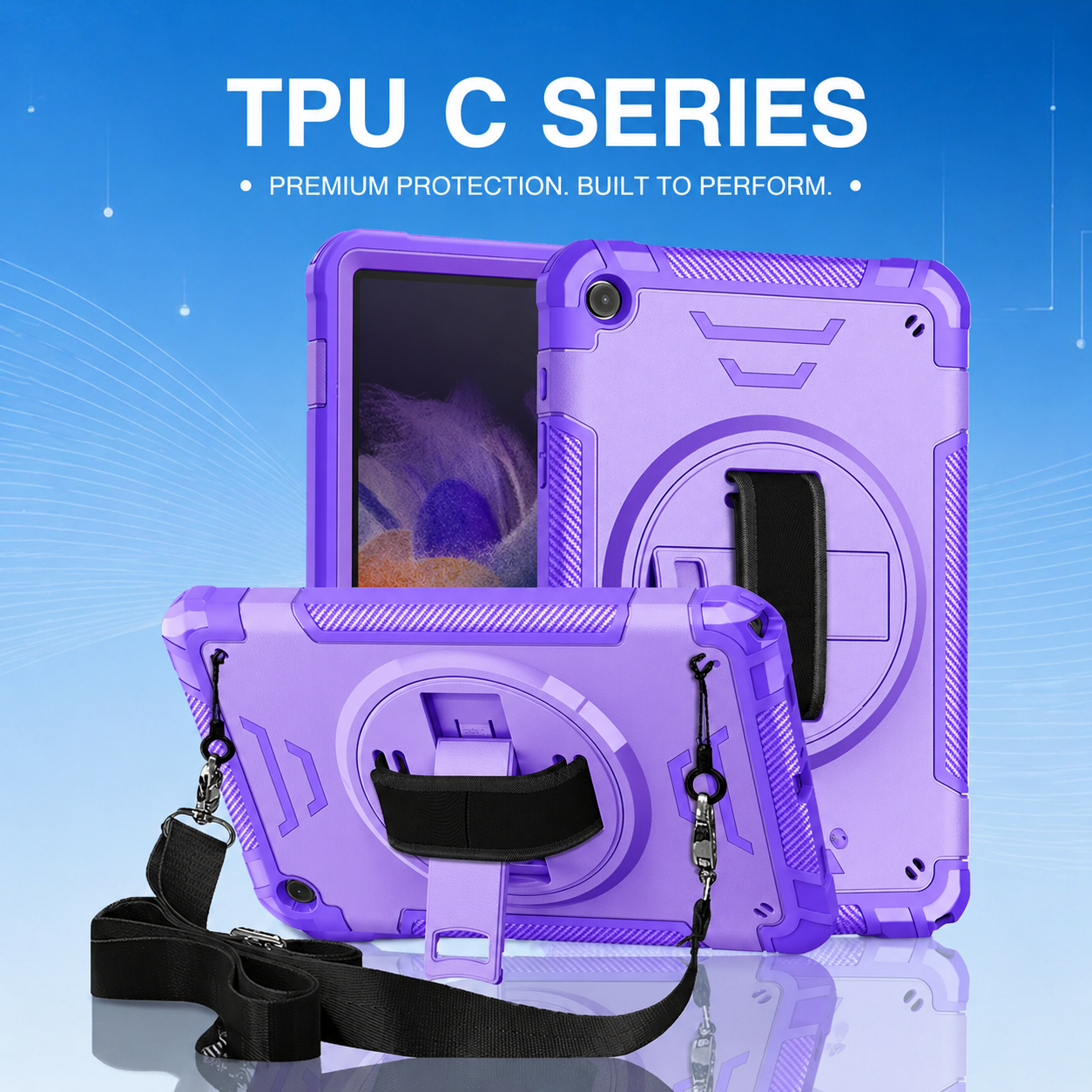
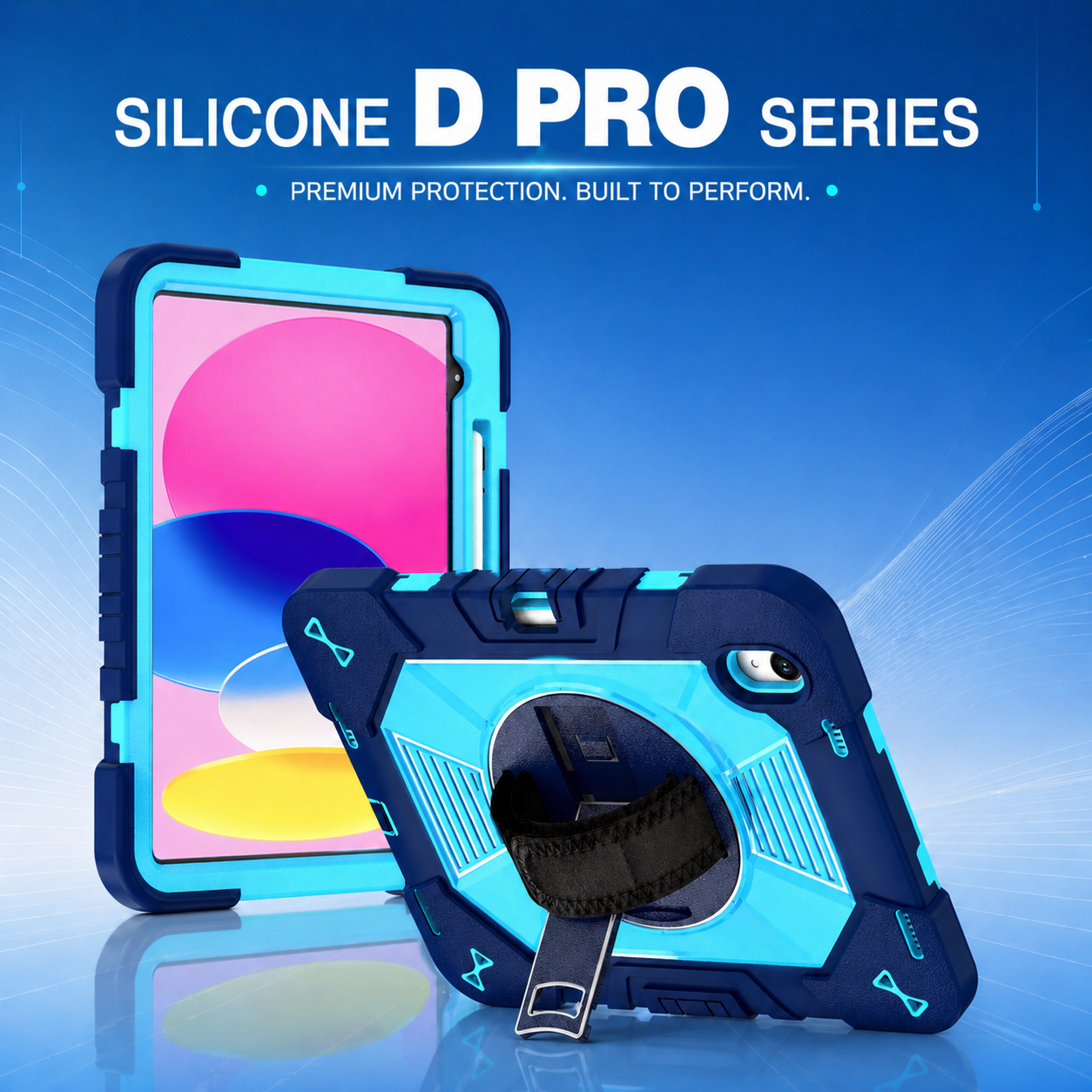
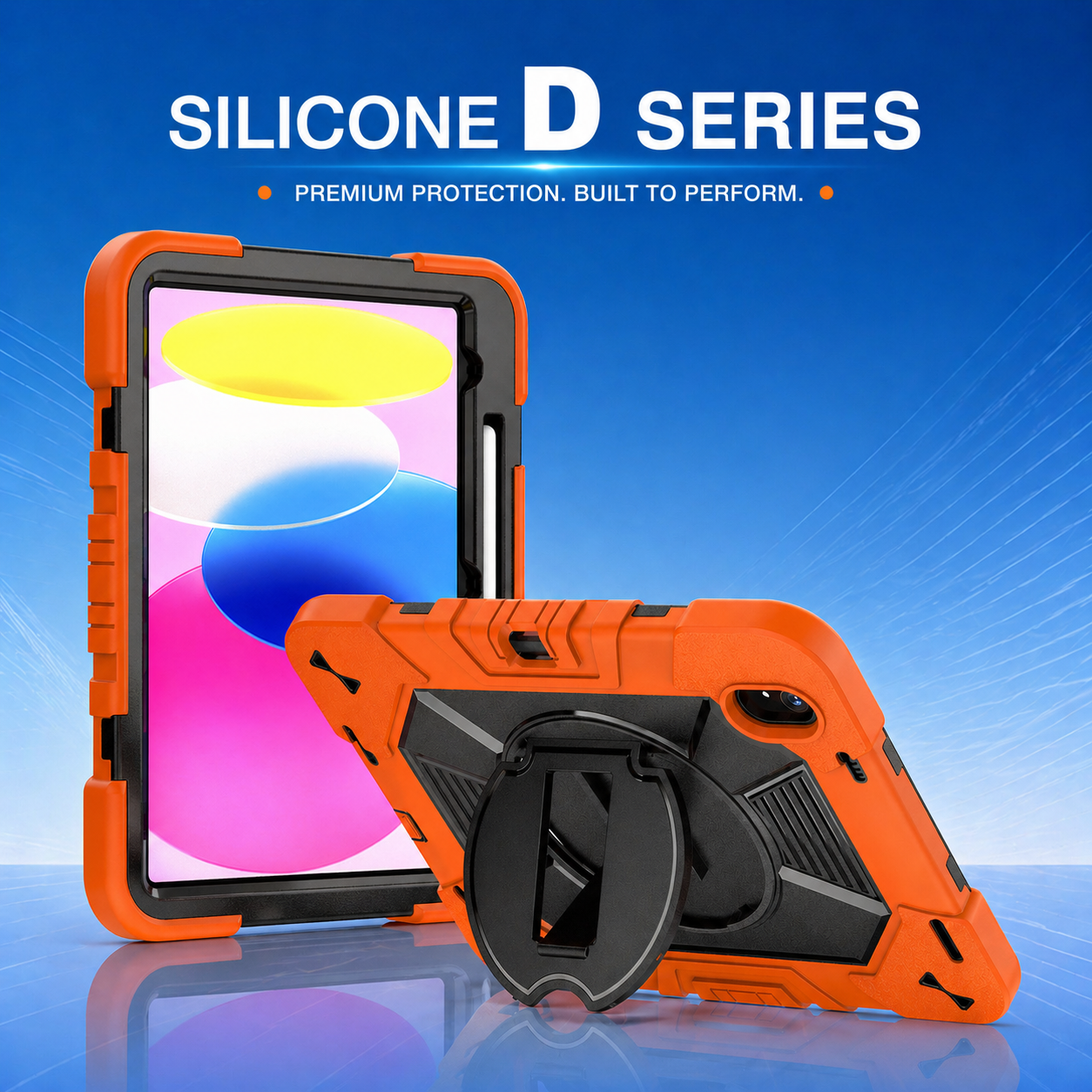
The innermost layer is typically made of flexible TPU or silicone. This layer absorbs kinetic energy during impact and reduces the force transmitted to the device. Its elasticity allows the rugged tablet case to dissipate shock rather than concentrate stress on a single point.
2. Rigid Outer Shell
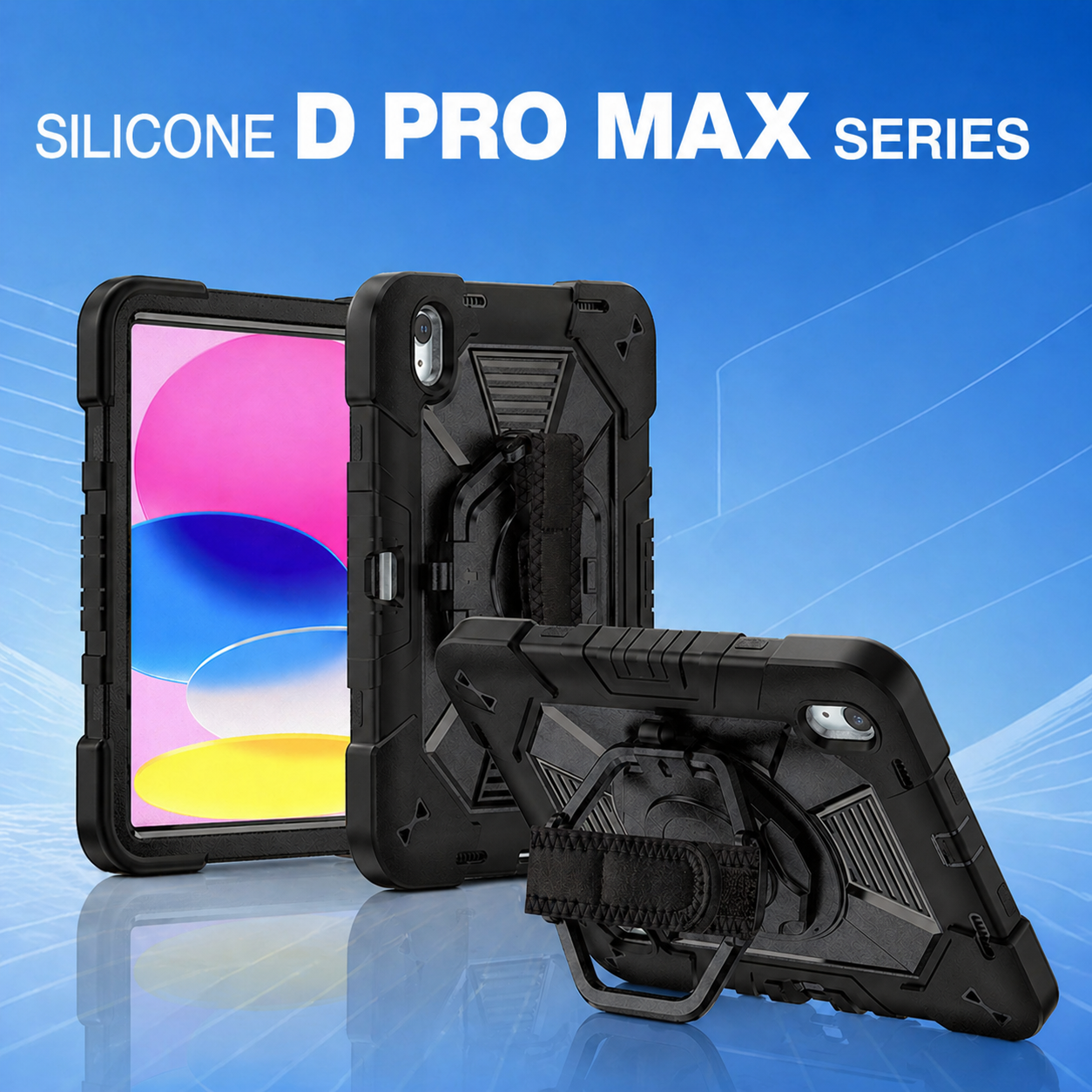
The external layer, often constructed from reinforced polycarbonate, provides structural integrity. It prevents bending, twisting, and compression damage. This rigid framework ensures that the rugged tablet case maintains its shape even under mechanical pressure.
3. Reinforced Corner Bumpers
Engineering analysis shows that corners are the most vulnerable points during drops. Therefore, industrial-grade designs include thickened corner bumpers with air-cushion zones. These features significantly enhance the drop resistance performance of a rugged tablet case.
Impact Dispersion and Energy Management
A professional rugged tablet case is engineered around impact science. During a drop, force travels through the structure in milliseconds. Without proper design, this force transfers directly to the internal components of the tablet.
To prevent this, manufacturers incorporate:
Air-pocket cushioning systems
Internal ribbed structures for shock diffusion
Raised screen bezels to prevent direct surface contact
Reinforced frame geometry to redirect energy outward
Military-grade testing standards such as MIL-STD-810G simulate repeated drops from multiple angles. Only when a rugged tablet case consistently passes these tests can it be considered suitable for industrial deployment.
Environmental Sealing Systems
Structural protection goes beyond drop resistance. In warehouses and construction zones, dust and debris can infiltrate device ports. Moisture exposure in field operations can damage internal circuits.
Advanced rugged tablet case manufacturing integrates:
Port covers with tight sealing
Dust-resistant plug systems
Water-resistant edge compression design
Anti-slip surface textures for wet conditions
These elements ensure comprehensive device protection in unpredictable working environments.
Ergonomic Structural Integration
While durability is essential, structural systems must also support usability. A heavy or poorly balanced rugged tablet case can reduce operator efficiency and increase fatigue.
To address this, manufacturers integrate:
360-degree rotating hand straps
Adjustable shoulder straps
Multi-angle kickstand mechanisms
Balanced weight distribution systems
These ergonomic enhancements allow field technicians, warehouse operators, and healthcare staff to use tablets continuously without sacrificing protection.
Tooling Precision and Mold Engineering
Structural protection depends heavily on mold accuracy. In B2B production, precision tooling ensures that the rugged tablet case fits perfectly around device edges, cameras, ports, and buttons.
Professional factories invest in:
High-precision CNC mold development
3D structural simulation software
Tolerance testing for port alignment
Batch consistency inspections
Accurate mold engineering guarantees that structural reinforcement does not interfere with device functionality.
Material Durability and Lifecycle Performance
Long-term durability requires more than initial drop protection. Industrial devices operate daily under mechanical stress. Over time, inferior materials may crack, deform, or lose elasticity.
High-grade rugged tablet case manufacturing uses:
UV-resistant polymers for outdoor applications
Temperature-stable TPU to prevent brittleness
Impact-resistant polycarbonate blends
Anti-aging additives for extended lifecycle performance
These material innovations ensure that structural protection remains consistent over years of usage.
Compliance and Quality Verification
For global B2B distribution, compliance documentation strengthens credibility. Reliable manufacturers provide:
RoHS and REACH compliance certification
Drop-test verification reports
Material safety documentation
Quality control inspection records
A certified rugged tablet case production system demonstrates commitment to safety, environmental standards, and consistent manufacturing quality.
Scalability and Supply Chain Stability
Structural protection systems must also be scalable. Distributors require stable supply chains and predictable production capacity. A professional rugged tablet case manufacturer maintains:
Stable raw material sourcing
Dedicated assembly lines
Strict batch quality control
Efficient lead-time management
Scalable production ensures distributors can respond to market demand without compromising structural standards.
Strategic Importance in B2B Markets
In industrial sectors, device downtime translates directly into operational losses. A well-engineered rugged tablet case minimizes repair frequency, protects sensitive data devices, and reduces replacement costs.
For procurement teams, structural protection should be evaluated as part of a total cost of ownership strategy. Investing in high-quality rugged tablet case solutions ultimately improves operational continuity and long-term profitability.
Conclusion
Structural protection systems define the true value of a rugged tablet case in B2B markets. From multi-layer material architecture and reinforced impact zones to environmental sealing and ergonomic integration, each engineering detail contributes to device survival in harsh conditions.
By understanding these structural elements, distributors and enterprise buyers can confidently select rugged tablet case partners that deliver durability, compliance, and scalable production—ensuring long-term device protection and sustainable business growth.






.png)
+86 13422271740
.png)
info@tongmeitech.com
.png)
No. 34, Mashe Section, Guihe Road, Lishui Town, Foshan, Guangdong, China