- 1
- BLACKL
- TABLETAPPLE iPad Mini 8NEW iPad A16(2025) iPad 10.9" 10th (2022) iPad 10.2" (7th/8th/9th) iPad Air 13" (M2/M3/M4)(2024/2025/2026)NEW iPad Air 11" (M2/M3/M4)(2024/2025/2026)NEW iPad Mini 8.3" (A7 Pro/6th Gen) iPad Pro13"(M4/M5)(2024/2025) iPad Pro11"(M4/M5)(2026) iPad 9.7" (5th/6th Gen) iPad Pro 12.9"(2018-2022) iPad Pro 11"(2018-2022) iPad 9.7"(2th/3th/4th) iPad Air 10.9"(4th/5th Gen) iPad Mini 7.9"(4th/5th Gen)SAMSUNG Galaxy Tab A11 Galaxy Tab A11 Plus Galaxy Tab S11 Galaxy Tab S12 PlusNEW Galaxy Tab S12 UltraNEW Galaxy Tab A9+ Galaxy Tab A9 Galaxy Tab A8 Galaxy Tab A7 Galaxy Tab A7 Lite Galaxy Tab S11 Ultra/S10 Ultra/S9 Ultra/S8 Ultra Galaxy Tab S10+/S9+/S9 FE+ Galaxy Tab S10Lite/S10 FE/S9 FE/S9 Galaxy Tab S8+/S7+/S7 FE Galaxy Tab S8/S7 Galaxy Tab S6 lite Galaxy Tab A10.1 Galaxy Tab A8.4 Galaxy Tab A8.0 Galaxy Tab S10 FE+LENOVO iDea tab 11/Tab K11 Gen 2 /Xiaoxin Pad 11 2025 Lenovo Tab K9 (Tab One) 2025 Lenovo Tab M10 10.1"(2025) Lenovo Tab M10 Plus 10.6" (3rd Gen) Lenovo Tab M10 HD 10.1" (3rd Gen) Lenovo K10/M10 Plus 10.3" (2nd Gen) Lenovo Tab M10 HD 10.1" (2nd Gen)XIAOMI Redmi Pad 2 9.7 InchNEW Xiaomi Pad8/8Pro 11.2" Redmi Pad2/Pad2.4G Xiaomi Pad 6/6 Pro 11" Redmi Pad 10.61" Redmi Pad Se 11" Redmi pad Se 4G 8.7" Xiaomi Pad7/7 Pro 11.2" Redmi Pad Pro/Xiaomi Poco Pad/Redmi Pad2 Pro 12.1HUAWEI Huawei Matepad Se 10.4" Huawei Matepad 11" Huawei Matepad 11.5" Huawei Matepad SE 11" Huawei Matepad T8 8" Huawei Matepad T10 9.7"
- CATEGORIES

Key Rugged Tablet Case Manufacturers Serving Logistics & Warehousing
Logistics and warehousing teams depend on tablets for receiving, picking, inventory checks, quality control, dispatch, and proof of delivery. Those devices move between forklifts, loading bays, cold rooms, packing stations, and delivery vehicles, so ordinary consumer covers are rarely enough. Selecting the right manufacturing partner is therefore not a cosmetic sourcing decision. It is an operational choice that affects device uptime, worker efficiency, replacement costs, and the consistency of a large mobile deployment.
Start with application-driven engineering
A capable manufacturer begins by studying how the device will be used. The requirements for a wall-mounted tablet at a packing station differ from those for a handheld unit used by a picker walking ten kilometers per shift. A good supplier asks about drop height, surface type, glove use, barcode scanning, charging method, camera access, cleaning chemicals, temperature range, and whether the device must attach to a cart or forklift. This application-first process prevents buyers from overpaying for unnecessary features or discovering too late that a port, scanner, or charging cradle is blocked.
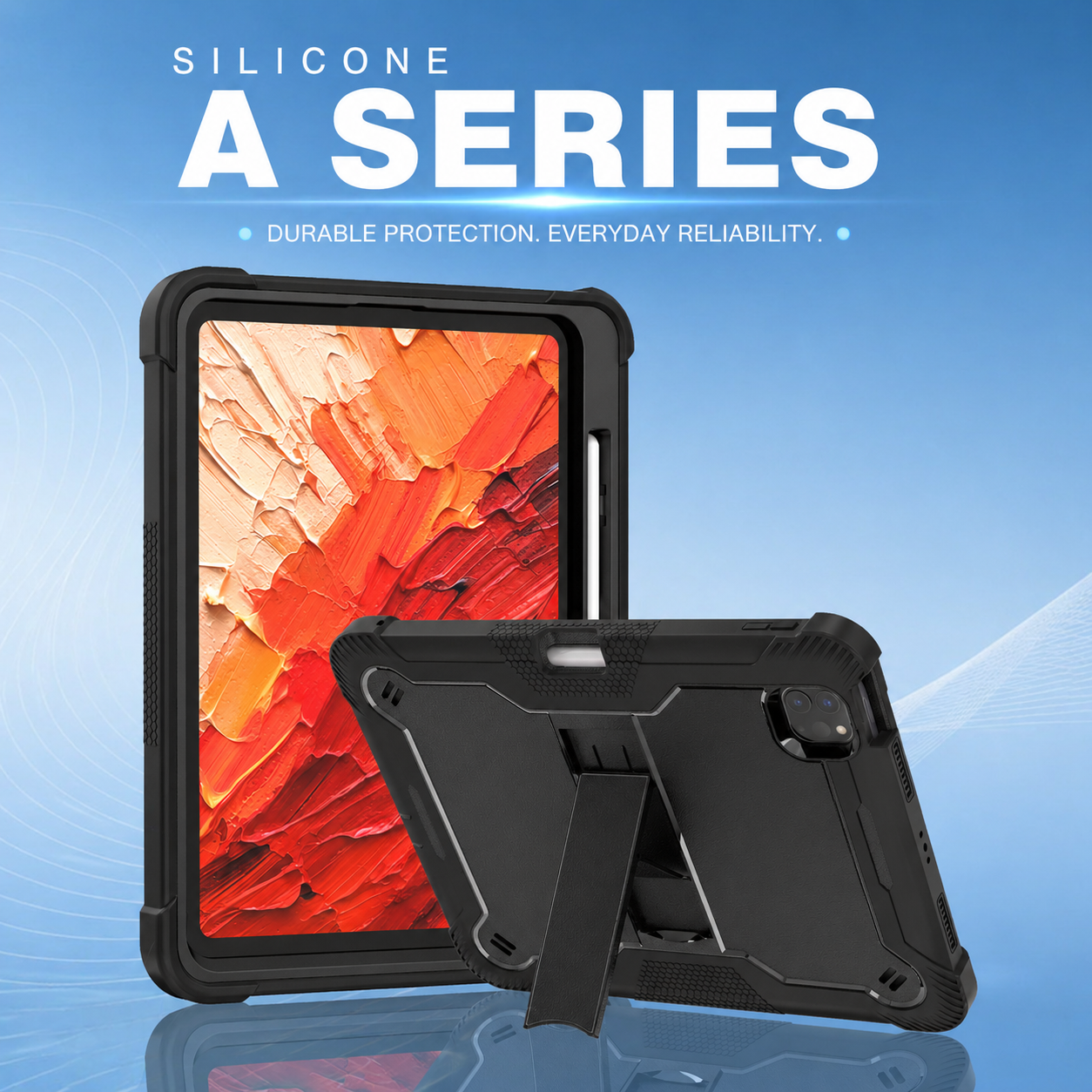
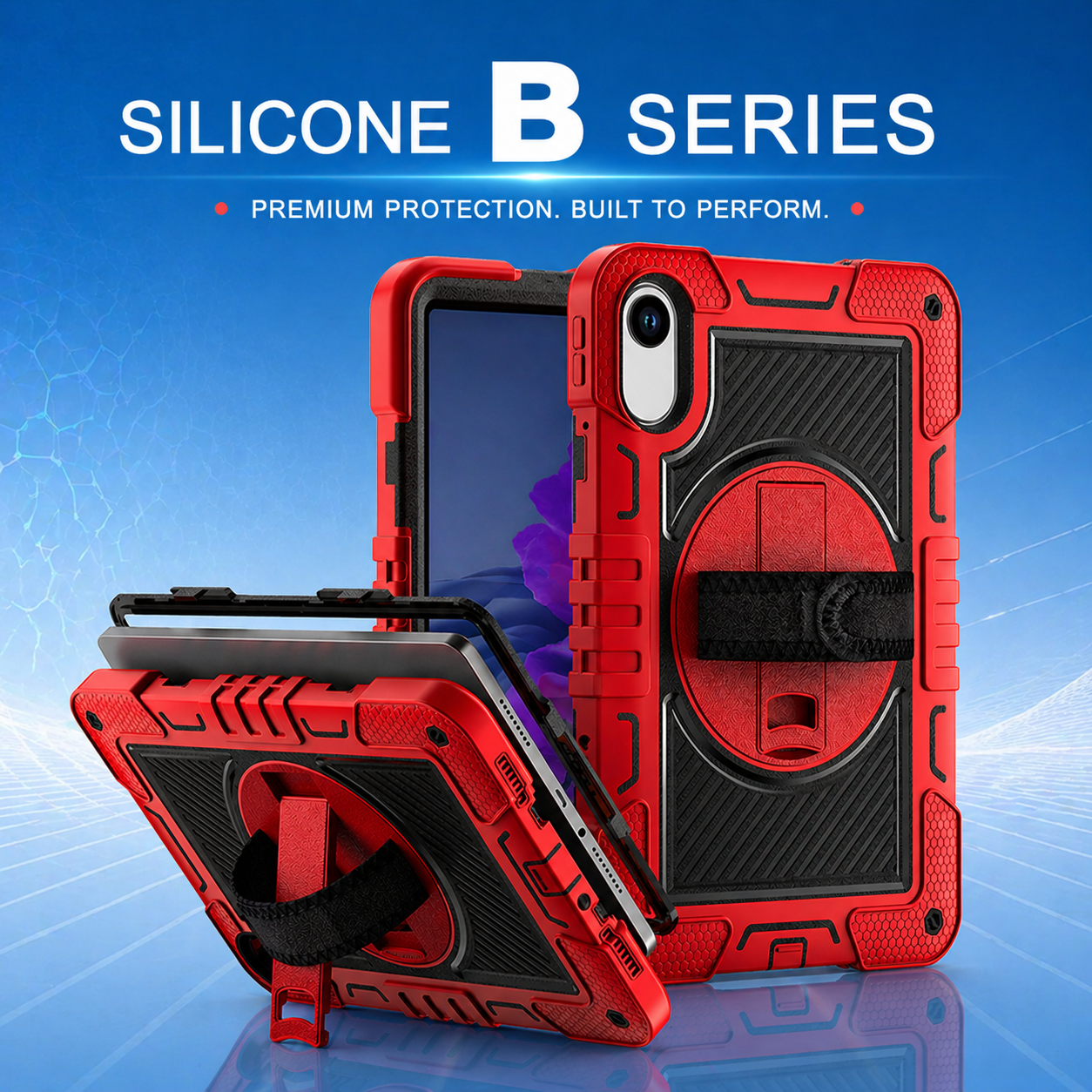
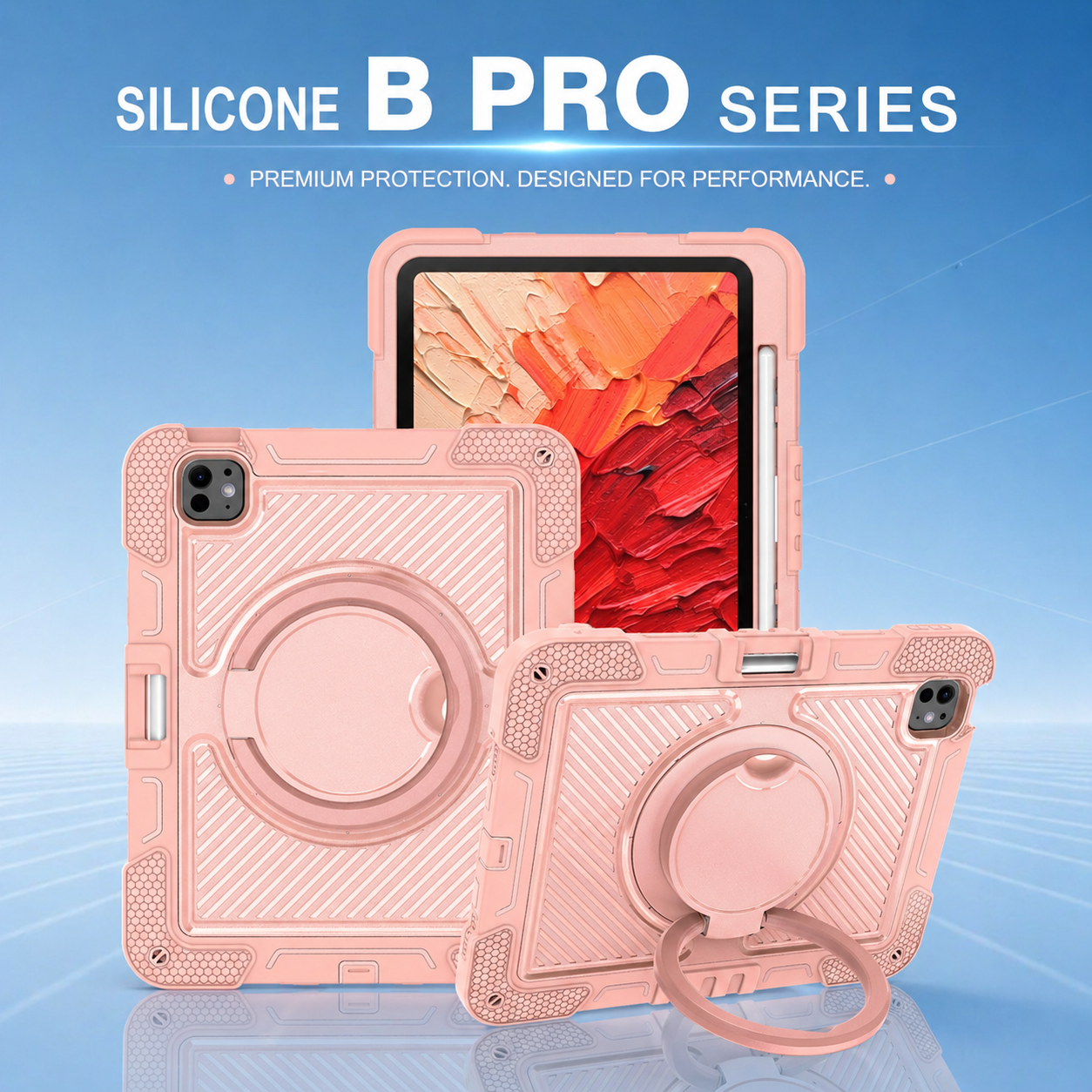
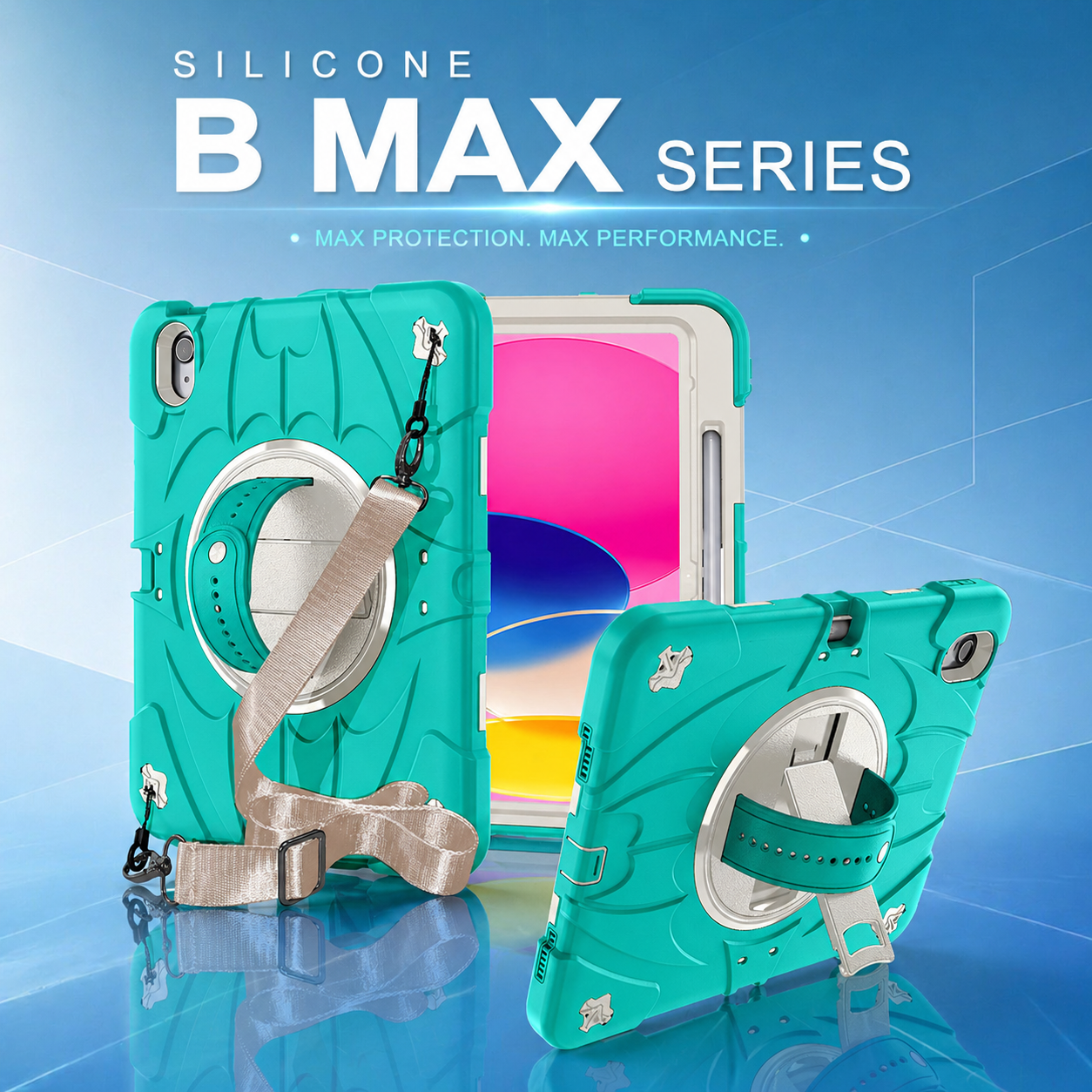
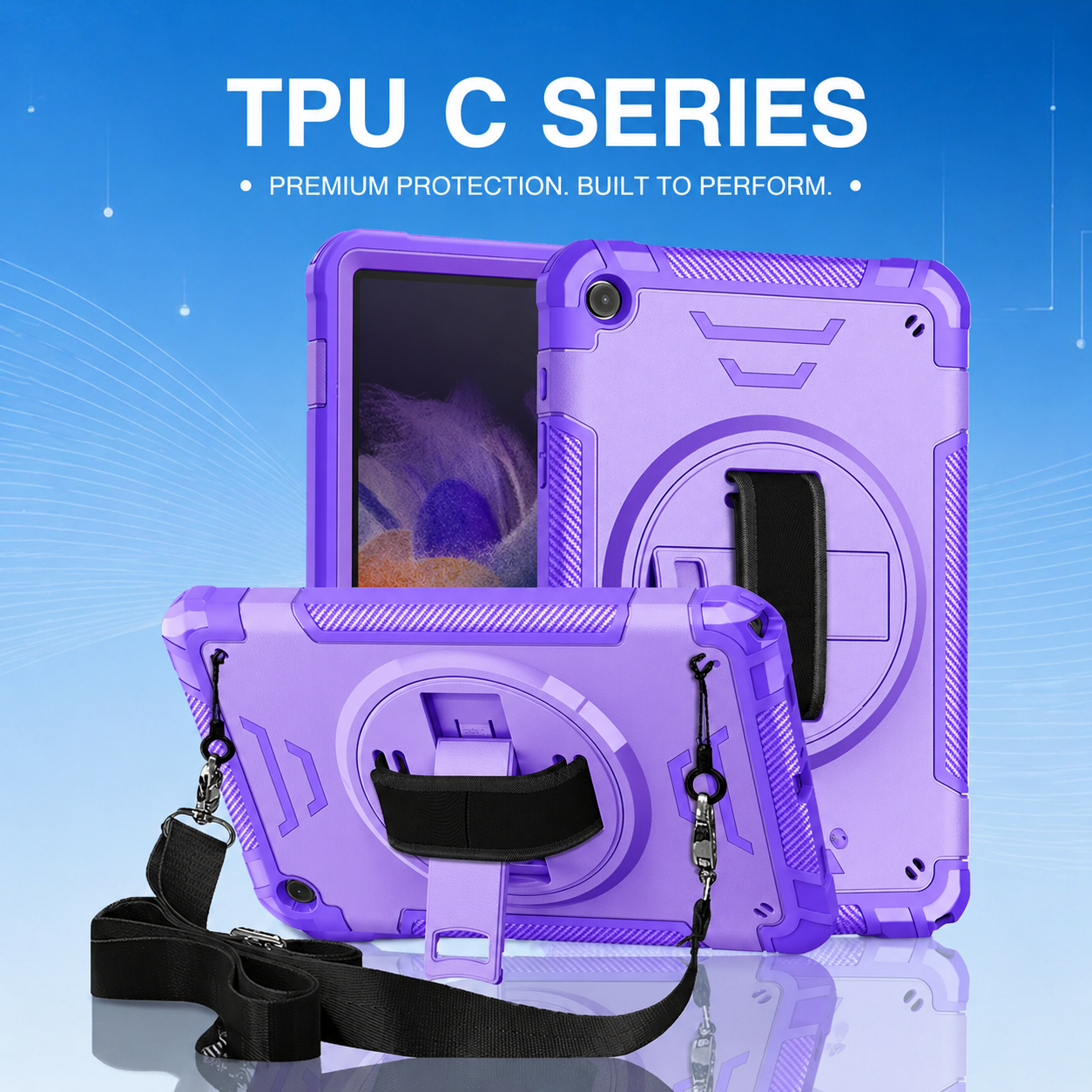
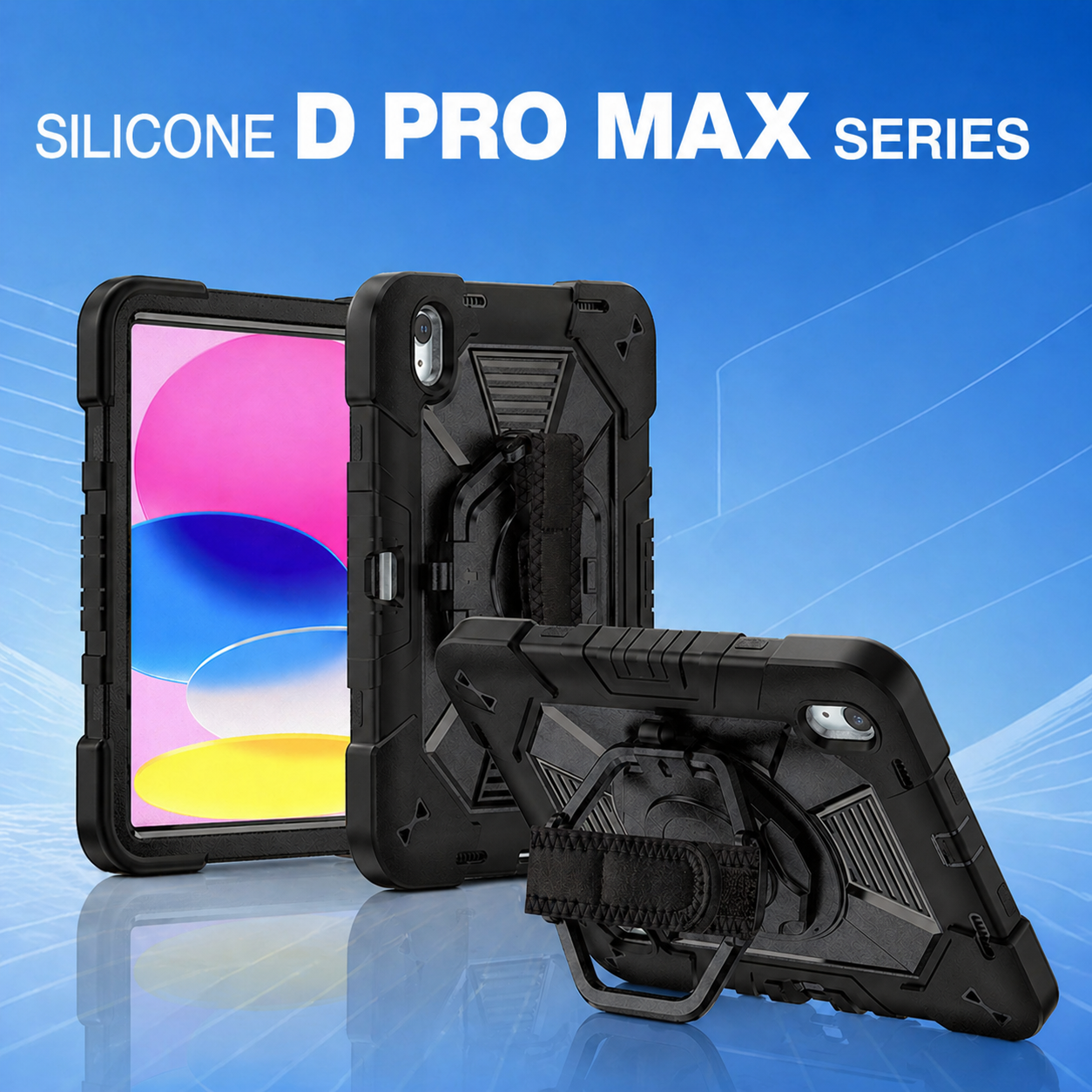
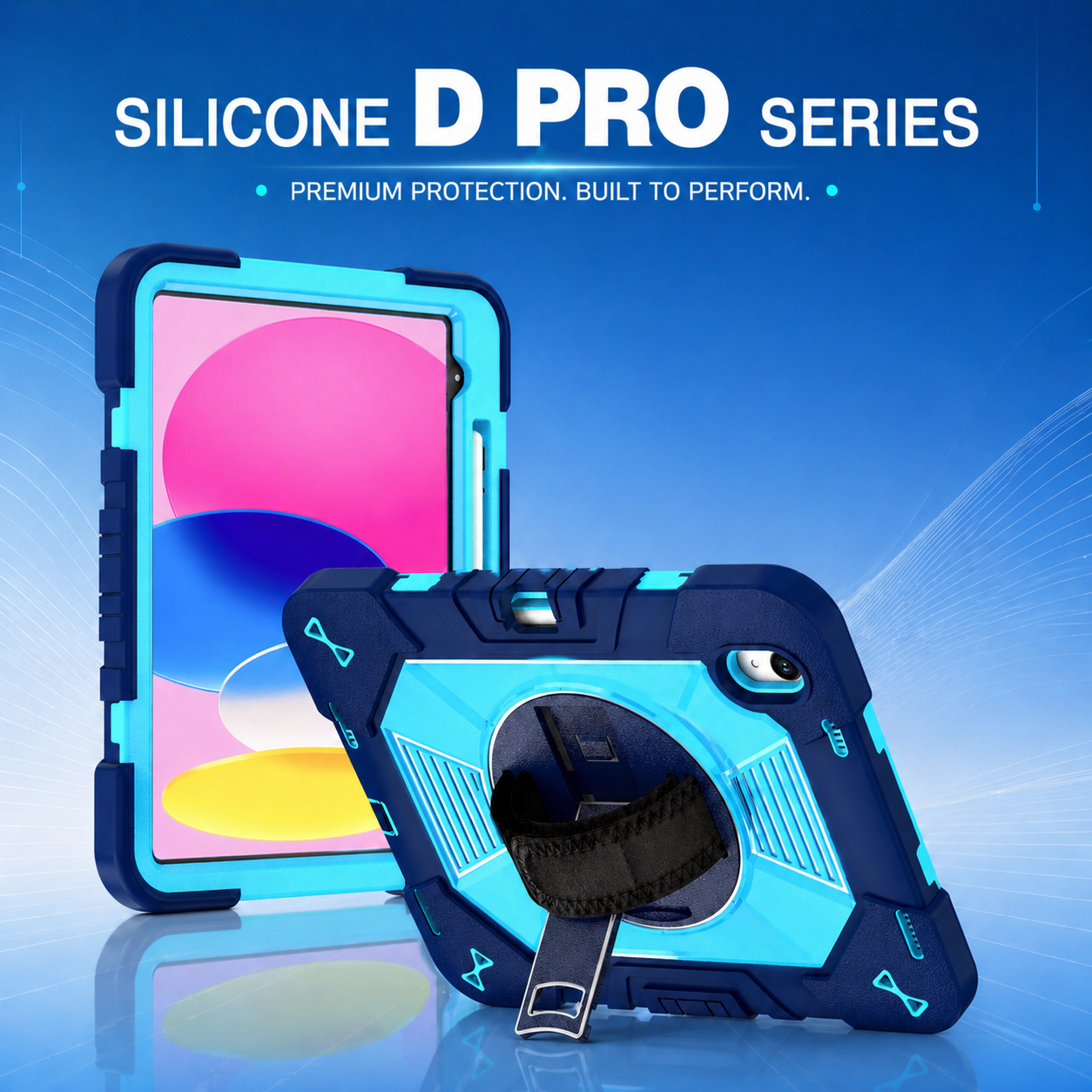
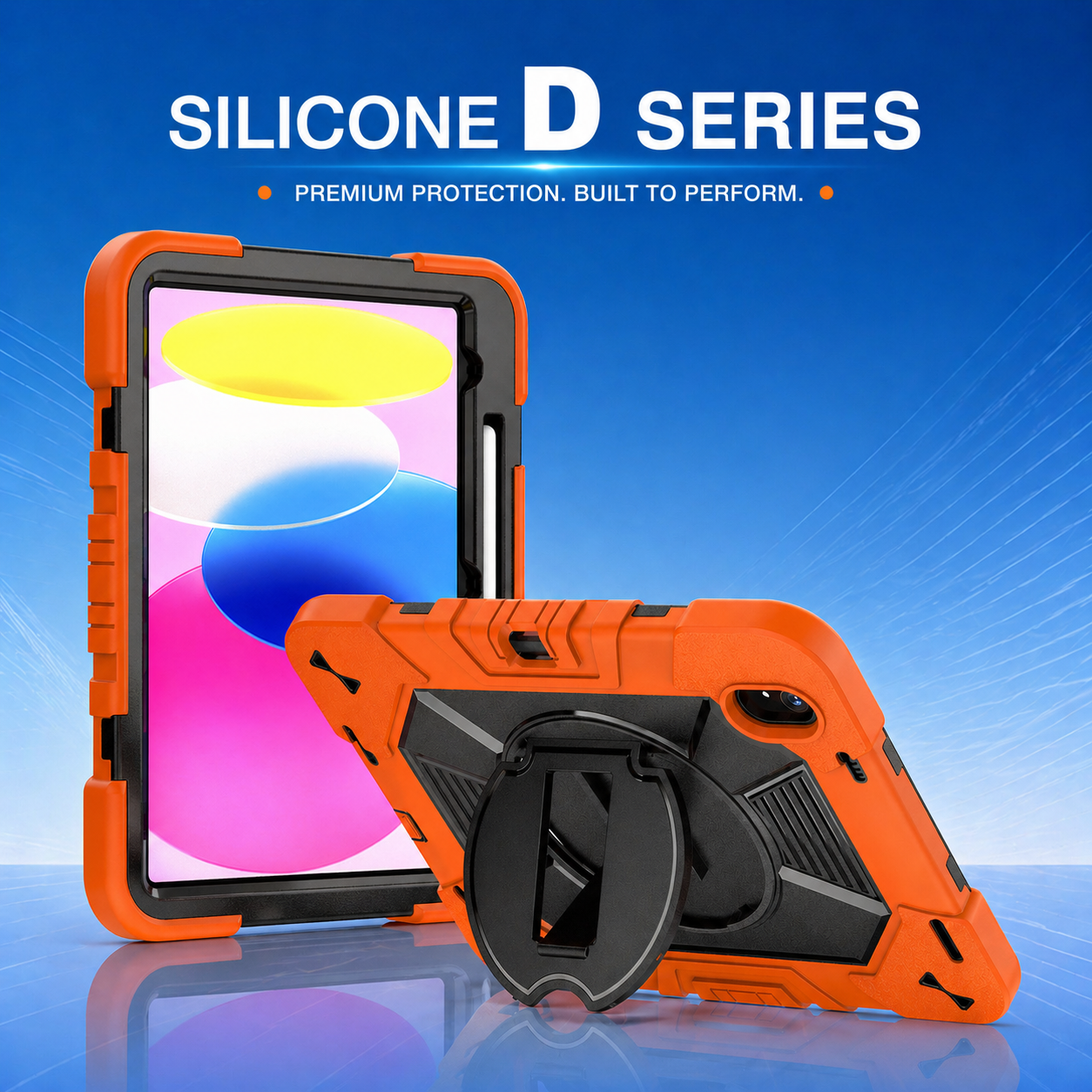
For many deployments, a rugged protective enclosure combines a rigid frame with energy-absorbing corners and a raised bezel. The structure should protect the screen and camera while maintaining access to buttons, speakers, microphones, and connectors. In lighter-duty environments, a TPU tablet case may provide the right balance of grip, flexibility, weight, and cost. High-impact operations may require a heavy duty rugged Case with layered construction, reinforced corners, a hand strap, and a stable kickstand.
Evaluate materials and construction
Material selection should support the operating environment rather than follow a generic specification. Polycarbonate can provide structural stiffness, while silicone or TPU can improve impact absorption and handling. Multi-material designs often perform better because each layer has a defined role. Buyers should ask how the layers lock together, whether thin points have been reinforced, and how the case behaves after repeated drops rather than a single demonstration.
Fit is equally important. Tight tolerances reduce device movement inside the enclosure, but an overly tight design can make installation difficult or place stress on the tablet. Well-designed port covers should stay closed during normal use without tearing after repeated cycles. Kickstands should hold the screen at practical viewing angles, and rotating hand straps should remain comfortable through long shifts. Small details such as lanyard points, shoulder-strap anchors, stylus storage, and asset-label areas can make a major difference at scale.
Look for true OEM and ODM capability
Warehouse and logistics buyers often need more than an off-the-shelf product. An experienced manufacturer should be able to modify an existing platform or develop a new enclosure around a specific tablet model. OEM and ODM services may include industrial design, three-dimensional modeling, prototyping, mold development, color matching, logo application, packaging, and accessory integration. The strongest partners explain which changes require new tooling and which can be achieved through inserts, surface treatments, or modular components.
Customization should also support deployment workflows. A private-label program may need serialized packaging, region-specific instructions, barcode labels, spare-part kits, or separate accessories packed for different sites. For enterprise customers, consistency across repeat orders matters as much as the first shipment. Confirm how the supplier controls materials, color, dimensions, logo position, packaging, and accessory compatibility from batch to batch.
Verify quality systems with practical evidence
Claims such as “shockproof” or “industrial grade” should be supported by a clear test method. Ask for the device model used, drop height, number of drops, impact surfaces, orientations, sample size, and pass criteria. Review incoming material inspection, in-process checks, final inspection, and defect-handling procedures. A reliable manufacturer can provide drawings, inspection points, sample records, and corrective-action processes without treating quality as a vague promise.
For a large rollout, pilot testing is essential. Give samples to actual warehouse users and observe installation, grip, scanning, charging, cleaning, and mounting. Record feedback from operators, IT staff, safety teams, and supervisors. A case that looks impressive in a meeting room may be too bulky, too slippery, or too slow to remove during maintenance. Controlled field trials reveal these issues before mass production.
Assess supply continuity and communication
Logistics organizations need stable supply, especially when devices are deployed across multiple facilities. Buyers should review lead times for samples, tooling, pilot production, and replenishment orders. They should also ask about mold ownership, backup materials, production capacity, packaging options, spare parts, and end-of-life support for older tablet models. Clear project ownership and documented approvals reduce misunderstandings when several teams are involved.
The best manufacturing partner acts as an extension of the buyer’s product and operations teams. It responds with specific answers, identifies risks early, and offers alternatives when cost, protection, weight, or schedule conflicts arise. Price remains important, but the lowest quotation can become expensive if cases fail, accessories do not fit, or replacement batches vary. Total value comes from reliable protection, usable design, consistent production, and responsive support.
A practical supplier selection checklist
Confirm experience with the exact tablet model and operating environment.
Review material specifications, drawings, prototypes, and drop-test methods.
Test hand straps, kickstands, mounts, charging, scanning, and cleaning.
Clarify tooling ownership, minimum order quantities, lead times, and change control.
Audit quality documentation and approve a golden sample before production.
Plan packaging, labeling, spare parts, and repeat-order support.
After choosing a supplier, the next step is to match protection features to daily warehouse tasks. See how warehouse operations benefit from layered tablet protection for a more detailed deployment framework.
40 Related Product, Service, and Customer Terms: Rugged Tablet Case Manufacturer, Warehouse Tablet Protection, Logistics Tablet Case, Industrial Tablet Cover, OEM Tablet Case, ODM Tablet Case, Custom Tablet Case, Heavy Duty Tablet Case, Shockproof Tablet Case, Drop Protection Tablet Cover, PC Silicone Tablet Case, TPU Tablet Case, Three Layer Tablet Case, Full Body Tablet Protection, Multi Angle Kickstand Case, Hand Strap Tablet Case, Rotating Stand Tablet Case, Barcode Scanner Tablet Case, Forklift Tablet Mount Case, Warehouse Mobility Accessories, Logistics Device Protection, Enterprise Tablet Deployment, Mobile Workforce Protection, Field Service Tablet Case, Supply Chain Technology Accessories, Private Label Tablet Case, Bulk Tablet Case Supplier, Custom Mold Tablet Case, Tablet Case Prototyping, Tablet Case Tooling Service, Tablet Case Packaging Service, Tablet Case Quality Inspection, Warehouse Worker Tablet Case, Distribution Center Tablet Case, Third Party Logistics Tablet Case, Cold Storage Tablet Case, Last Mile Delivery Tablet Case, Fleet Tablet Protection, Industrial Device Accessories, B2B Tablet Case Supplier





.png)
+86 13422271740
.png)
info@tongmeitech.com
.png)
No. 34, Mashe Section, Guihe Road, Lishui Town, Foshan, Guangdong, China