- 1
- BLACKL
- TABLETAPPLE iPad Mini 8NEW iPad A16(2025) iPad 10.9" 10th (2022) iPad 10.2" (7th/8th/9th) iPad Air 13" (M2/M3/M4)(2024/2025/2026)NEW iPad Air 11" (M2/M3/M4)(2024/2025/2026)NEW iPad Mini 8.3" (A7 Pro/6th Gen) iPad Pro13"(M4/M5)(2024/2025) iPad Pro11"(M4/M5)(2026) iPad 9.7" (5th/6th Gen) iPad Pro 12.9"(2018-2022) iPad Pro 11"(2018-2022) iPad 9.7"(2th/3th/4th) iPad Air 10.9"(4th/5th Gen) iPad Mini 7.9"(4th/5th Gen)SAMSUNG Galaxy Tab A11 Galaxy Tab A11 Plus Galaxy Tab S11 Galaxy Tab S12 PlusNEW Galaxy Tab S12 UltraNEW Galaxy Tab A9+ Galaxy Tab A9 Galaxy Tab A8 Galaxy Tab A7 Galaxy Tab A7 Lite Galaxy Tab S11 Ultra/S10 Ultra/S9 Ultra/S8 Ultra Galaxy Tab S10+/S9+/S9 FE+ Galaxy Tab S10Lite/S10 FE/S9 FE/S9 Galaxy Tab S8+/S7+/S7 FE Galaxy Tab S8/S7 Galaxy Tab S6 lite Galaxy Tab A10.1 Galaxy Tab A8.4 Galaxy Tab A8.0 Galaxy Tab S10 FE+LENOVO iDea tab 11/Tab K11 Gen 2 /Xiaoxin Pad 11 2025 Lenovo Tab K9 (Tab One) 2025 Lenovo Tab M10 10.1"(2025) Lenovo Tab M10 Plus 10.6" (3rd Gen) Lenovo Tab M10 HD 10.1" (3rd Gen) Lenovo K10/M10 Plus 10.3" (2nd Gen) Lenovo Tab M10 HD 10.1" (2nd Gen)XIAOMI Redmi Pad 2 9.7 InchNEW Xiaomi Pad8/8Pro 11.2" Redmi Pad2/Pad2.4G Xiaomi Pad 6/6 Pro 11" Redmi Pad 10.61" Redmi Pad Se 11" Redmi pad Se 4G 8.7" Xiaomi Pad7/7 Pro 11.2" Redmi Pad Pro/Xiaomi Poco Pad/Redmi Pad2 Pro 12.1HUAWEI Huawei Matepad Se 10.4" Huawei Matepad 11" Huawei Matepad 11.5" Huawei Matepad SE 11" Huawei Matepad T8 8" Huawei Matepad T10 9.7"
- CATEGORIES

Education Sector Drop Testing: Why Kids Tablet Cases Deliver Better Protection Than Standard Covers
Introduction
The education sector has undergone a significant digital transformation over the past decade. Tablets are now widely used in classrooms for interactive learning, digital assessments, educational applications, and remote instruction. While tablets improve student engagement and learning efficiency, they also face a unique challenge: frequent accidental drops.
Students, particularly younger children, handle devices differently from adults. Tablets are often carried between classrooms, placed on desks, transported in backpacks, and shared among multiple users. As a result, educational institutions experience higher rates of device damage compared to traditional office environments.
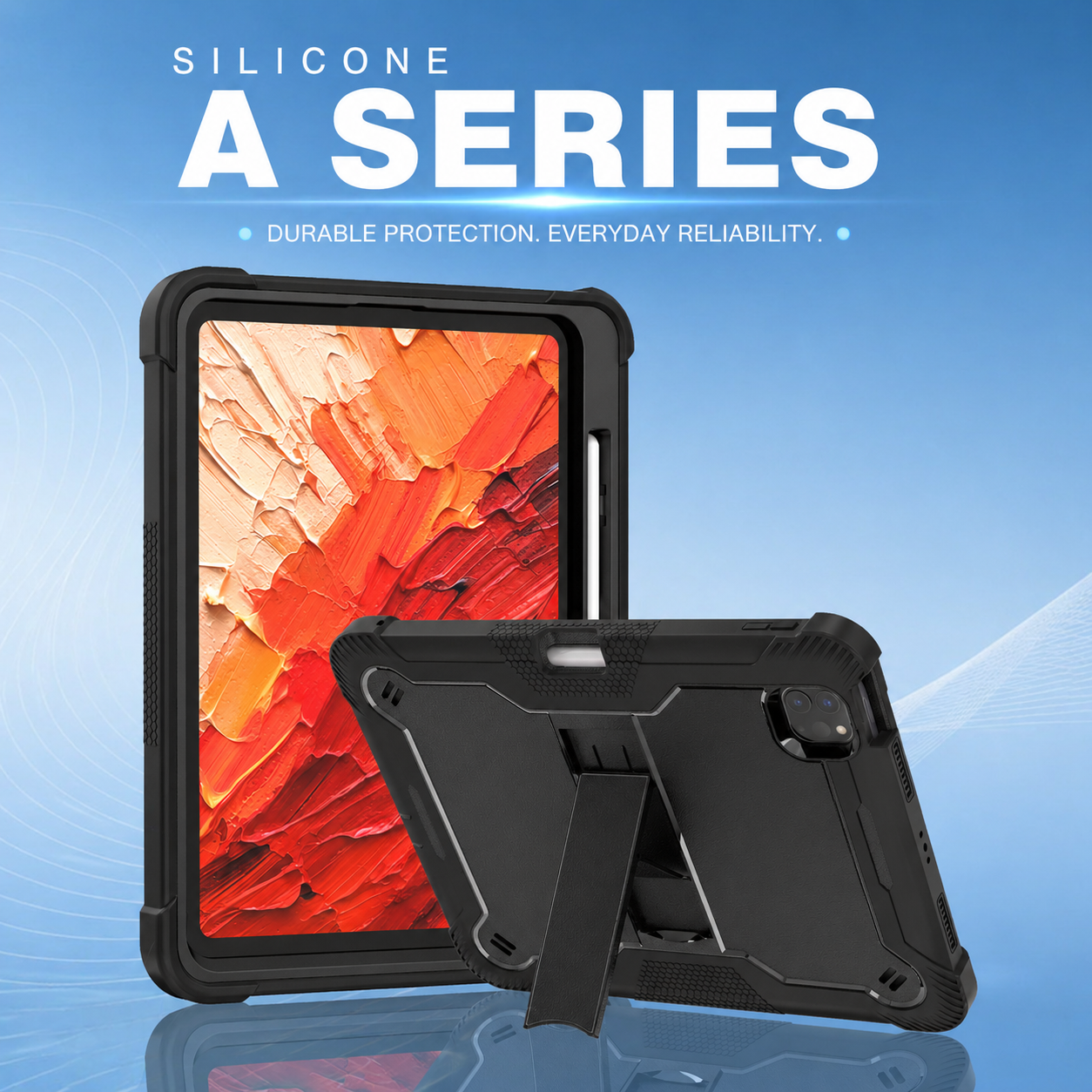
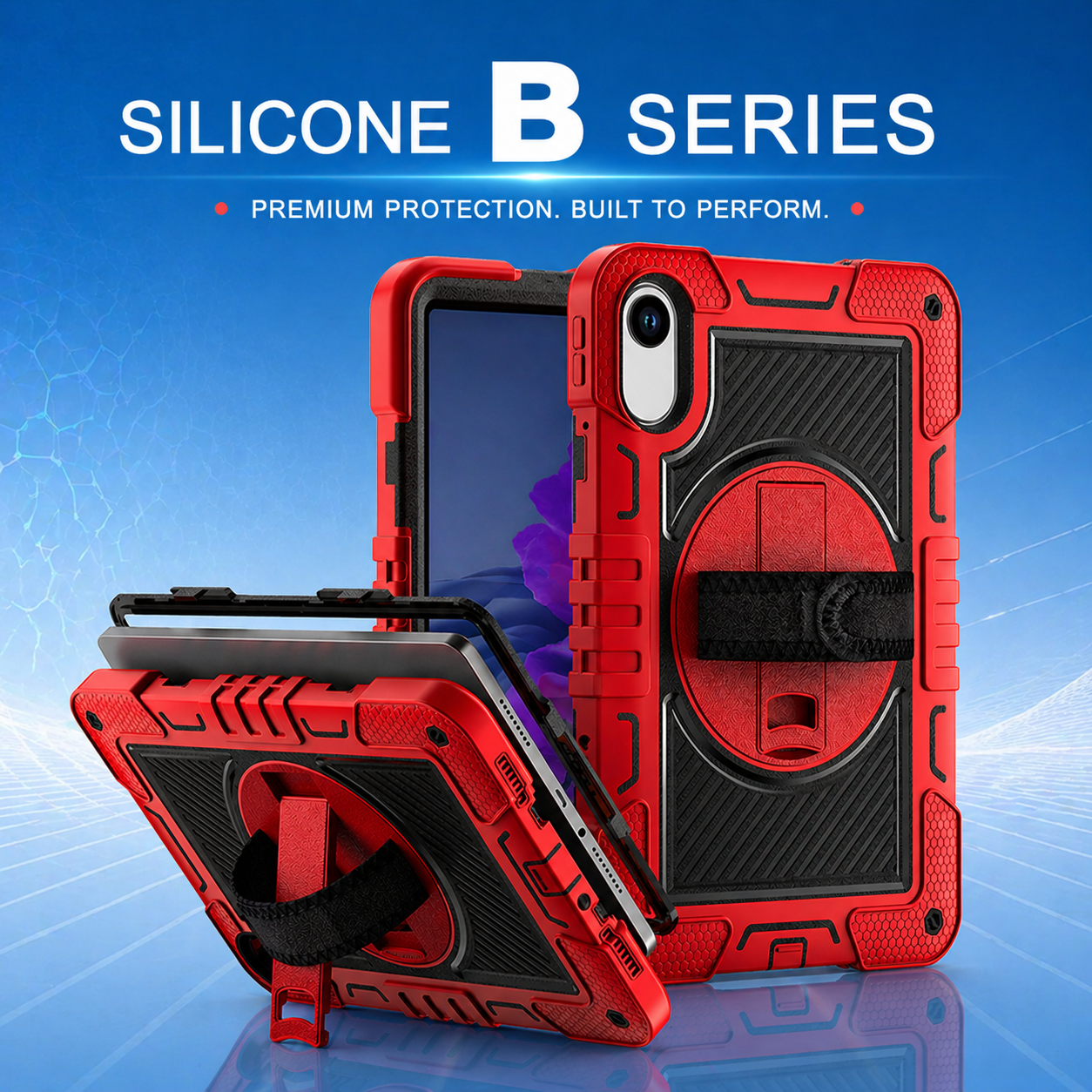
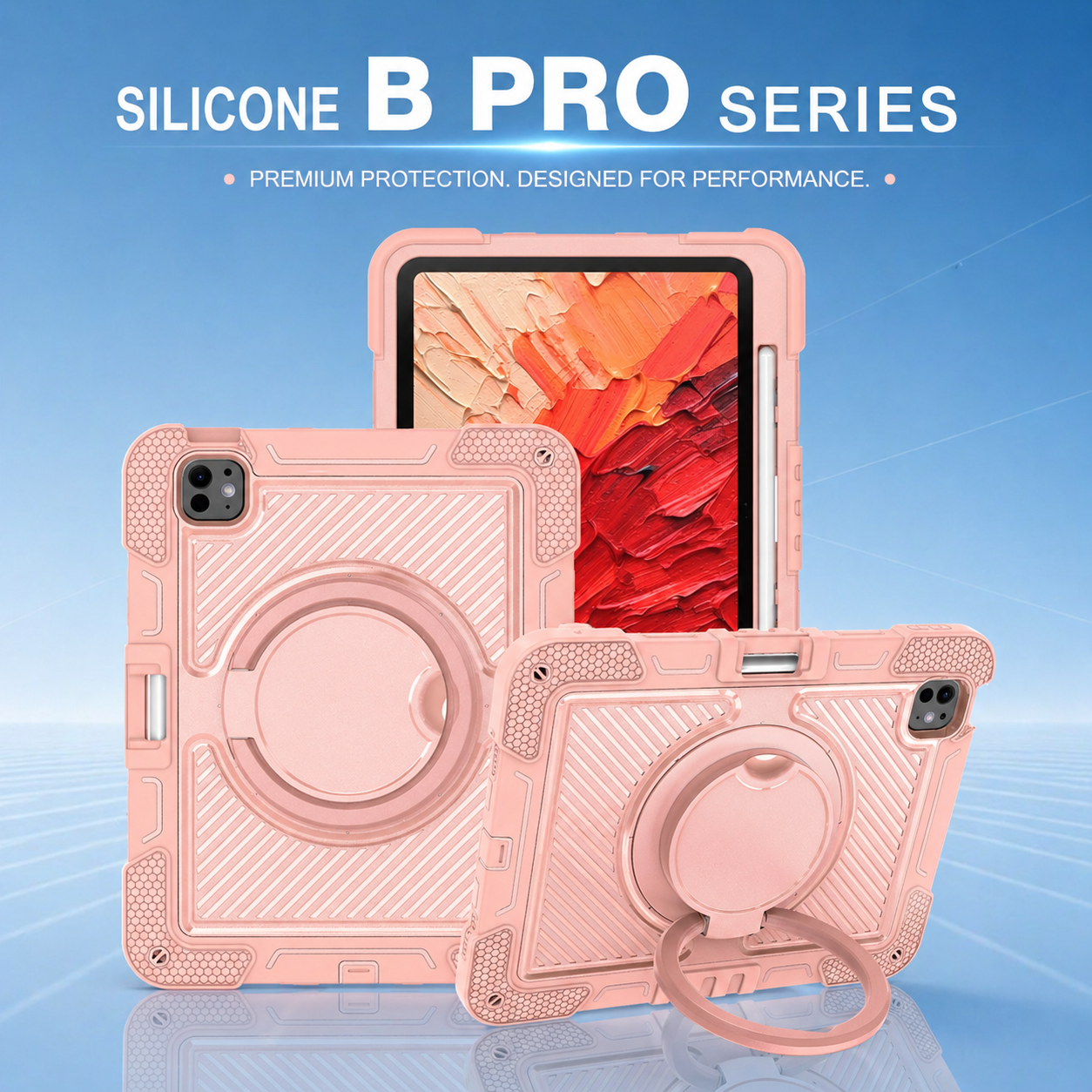
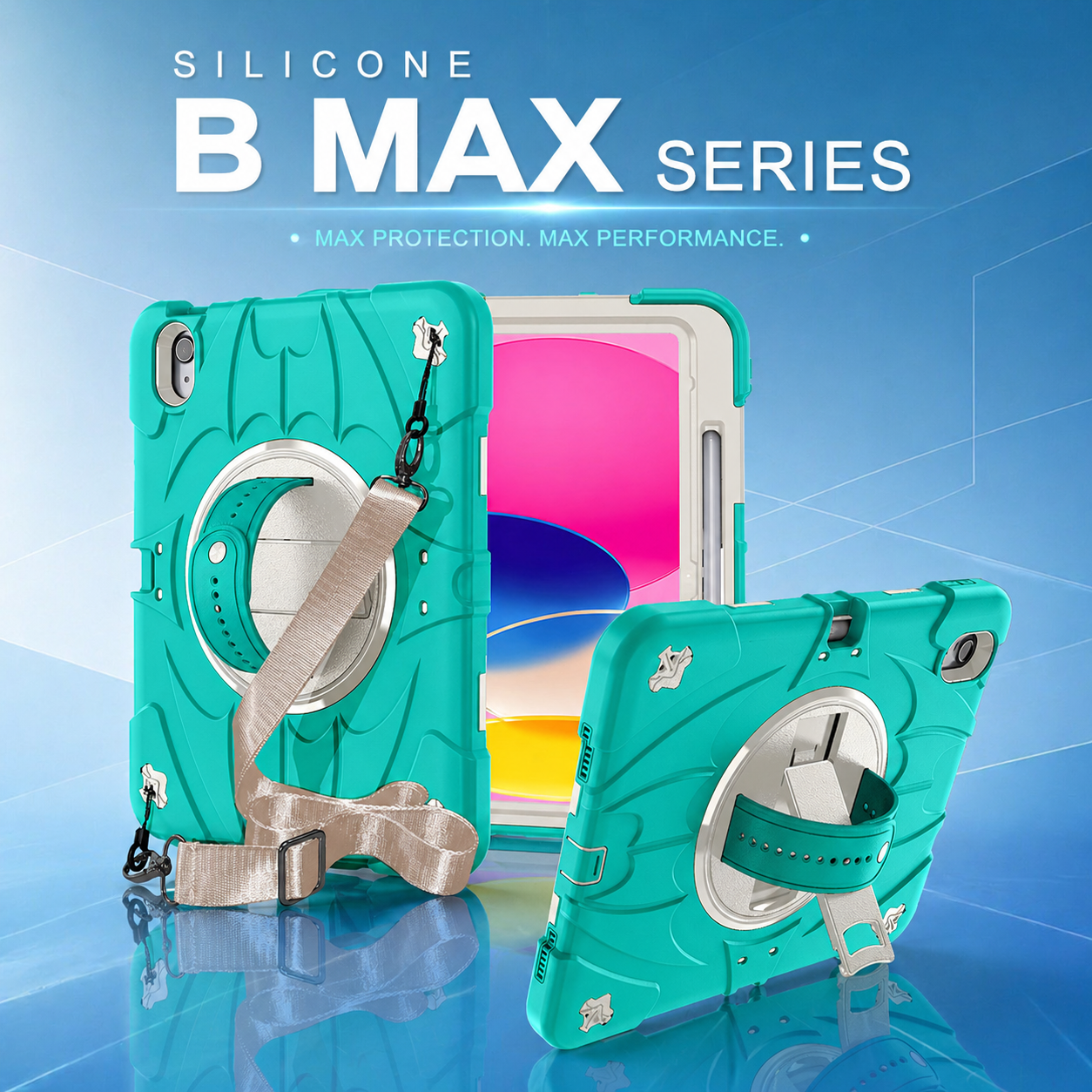
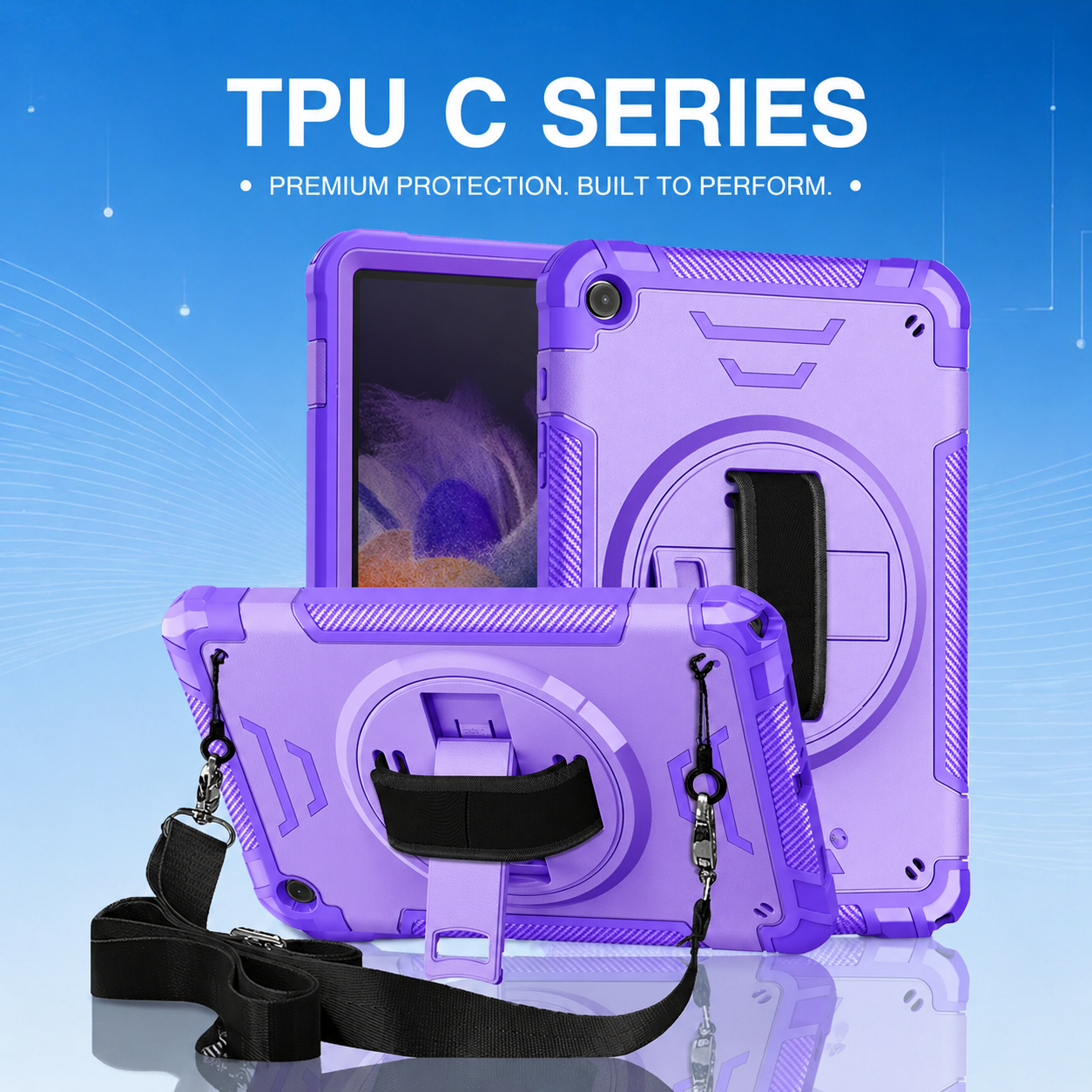
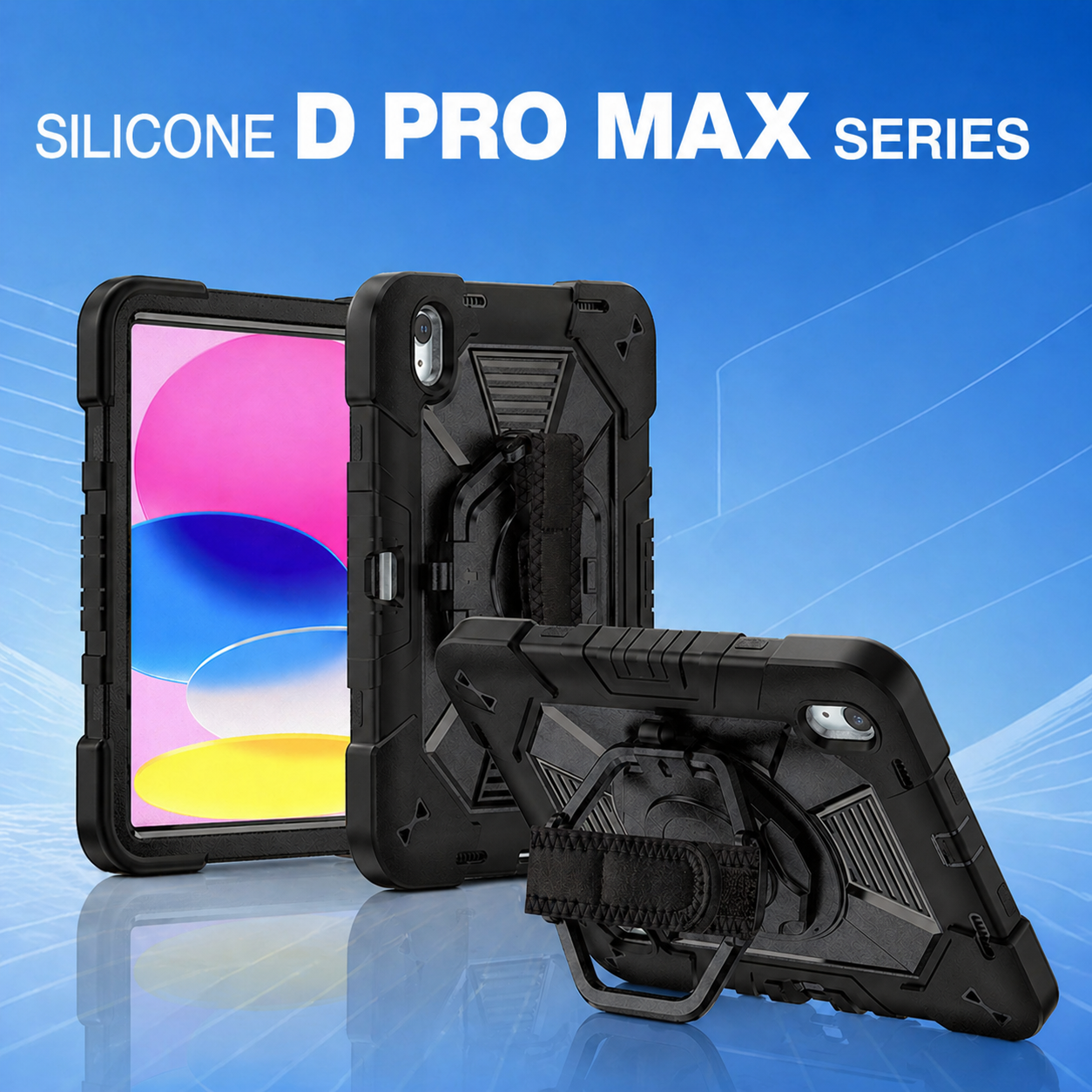
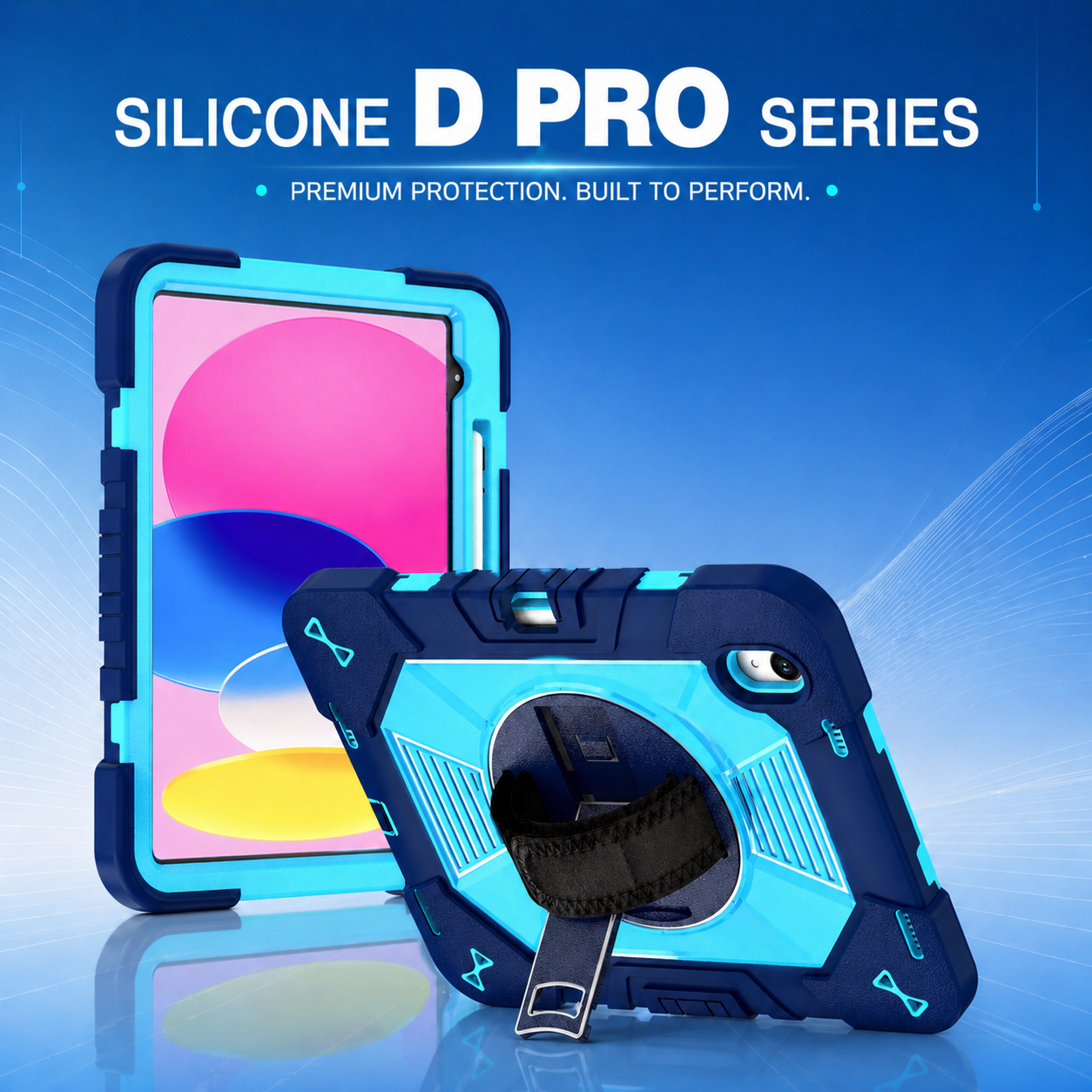
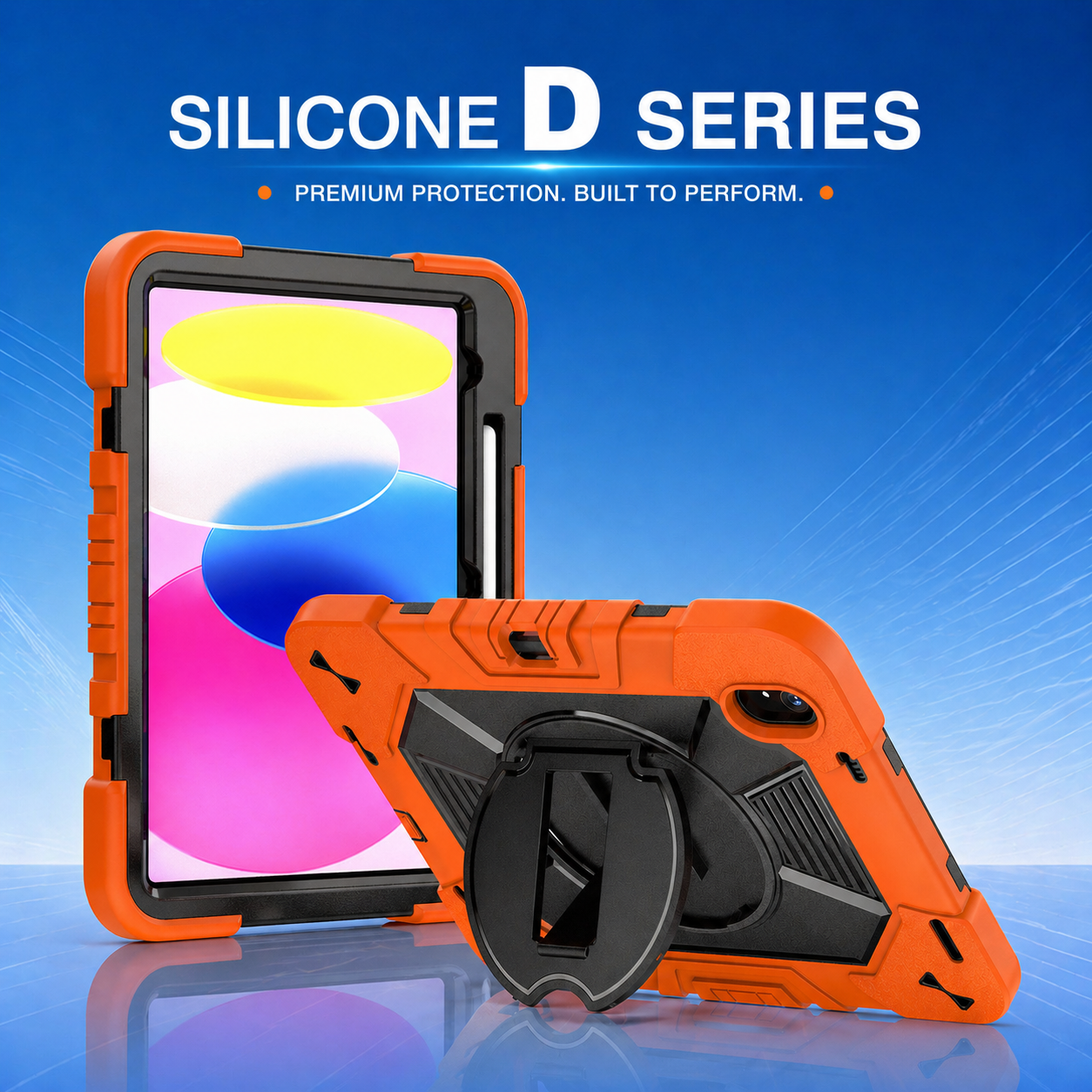
This article examines drop-test data collected from educational environments and compares how standard tablet covers perform against specialized protective solutions such as the kids education tablet case, shockproof iPad tablet case, and full body protective tablet case.
The Reality of Tablet Usage in Schools
Unlike office workers who generally use devices at fixed workstations, students frequently move throughout the day.
Common situations that lead to accidental drops include:
Carrying tablets between classes
Using devices during group activities
Placing tablets on unstable surfaces
Backpack transportation
Accidental collisions with classmates
Classroom storage and charging procedures
Studies conducted by educational technology departments indicate that tablets used in schools are significantly more likely to experience accidental drops than those used in business settings.
This creates a strong need for enhanced protection.
Standard Protective Cases in Educational Settings
Many schools initially choose standard protective covers because they are lightweight and budget-friendly.
A typical TPU tablet case offers several advantages:
Lightweight Design
Students can comfortably carry the device throughout the day.
Scratch Protection
The TPU material prevents cosmetic wear and minor surface damage.
Improved Grip
Soft surfaces reduce the chance of slipping during normal handling.
However, educational drop-test programs reveal important limitations.
Most standard covers struggle to provide sufficient protection against repeated impacts, especially when devices fall onto hard classroom flooring.
School Drop Test Methodology
To better understand protection performance, multiple tablets were tested using common classroom scenarios.
Testing conditions included:
Drop Heights
Desk height (0.75 meters)
Standing height (1.2 meters)
Backpack height (1.5 meters)
Impact Surfaces
Classroom tile
Concrete hallway flooring
Wooden classroom floors
Evaluation Factors
Screen damage
Corner protection
Device functionality
Structural deformation
Cosmetic wear
Each test was repeated several times to ensure consistent results.
Results from Desk-Height Drops
The majority of classroom accidents occur when students accidentally push tablets off desks.
Testing showed:
| Protection Type | Visible Damage |
|---|---|
| Standard Cover | 15% |
| Educational Rugged Case | 2% |
The kids education tablet case performed exceptionally well due to its oversized impact-absorbing corners and thick protective frame.
Even after multiple drops, devices remained fully operational.
Results from Standing-Height Drops
Standing-height drops are particularly common among elementary school students.
During testing:
| Protection Type | Screen Damage |
|---|---|
| Standard Cover | 21% |
| Educational Rugged Case | 4% |
The data clearly demonstrates the value of reinforced educational protection systems.
Most failures occurred when standard covers allowed impact forces to transfer directly to screen corners.
Why Kids Education Tablet Cases Perform Better
Educational protective cases are designed specifically for student behavior patterns.
A typical kids education tablet case includes several specialized features.
Oversized Shock-Absorbing Corners
Corners are the most vulnerable points during accidental falls.
Thick Protective Frames
Additional material increases impact absorption capacity.
Child-Friendly Grip Design
Improved grip reduces accidental slips.
Easy Carrying Options
Many models include handles that double as tablet stands.
These features significantly improve survival rates during classroom accidents.
The Importance of Full-Body Protection
Many standard covers leave parts of the device exposed.
Common vulnerable areas include:
Camera openings
Side buttons
Charging ports
Screen edges
A full body protective tablet case addresses these weaknesses by surrounding the device with complete coverage.
Benefits include:
Better impact resistance
Reduced repair frequency
Improved durability
Extended device lifespan
Educational technology departments consistently report lower maintenance costs when deploying full-body protection solutions.
iPad Protection in Schools
Apple iPads remain among the most popular tablets in education.
Because of their widespread use, protecting these devices is a major concern for school administrators.
Testing showed that a shockproof iPad tablet case dramatically reduced display failures during repeated drop scenarios.
Compared with standard covers:
Screen cracks decreased significantly
Corner damage was minimized
Functional failures became rare
For schools managing hundreds or thousands of iPads, these improvements can generate substantial cost savings.
Classroom Productivity Features
Modern educational protective cases provide more than impact protection.
Many designs now include:
Built-In Stands
Support hands-free learning.
Adjustable Viewing Angles
Improve classroom ergonomics.
Carry Handles
Simplify transportation for younger students.
A multi angle kickstand tablet case combines usability with rugged durability, allowing students to work comfortably while maintaining excellent protection.
Financial Impact for Schools
Device damage creates significant expenses for educational institutions.
Common costs include:
Screen replacement
Device replacement
Technical support labor
Lost instructional time
Comparative analysis shows that rugged educational protection substantially reduces long-term ownership costs.
While rugged solutions may have a higher initial purchase price, the reduction in repairs often offsets that investment within the first year.
Future Trends in Educational Tablet Protection
As tablets become even more integrated into learning environments, schools increasingly prioritize durability during purchasing decisions.
Emerging trends include:
Enhanced shock absorption materials
Multi-layer protection systems
Sustainable protective materials
Integrated carrying solutions
Advanced stand mechanisms
Manufacturers continue developing products that balance protection, usability, and affordability.
Conclusion
Educational drop-test data consistently demonstrates that specialized protective solutions outperform standard tablet covers in classroom environments. Devices protected by a kids education tablet case, shockproof iPad tablet case, and full body protective tablet case experience significantly lower damage rates compared with those using ordinary covers.
For schools seeking to maximize device lifespan, reduce maintenance costs, and ensure uninterrupted learning experiences, rugged educational tablet protection represents a smart long-term investment.
By selecting protection specifically designed for student use, educational institutions can safeguard both their technology investments and their learning outcomes.






.png)
+86 13422271740
.png)
info@tongmeitech.com
.png)
No. 34, Mashe Section, Guihe Road, Lishui Town, Foshan, Guangdong, China